Play Italy
In Italy, autumn is not just a change in the weather. It is a change in what is happening around you.
Grapes are being picked in the vineyards. Chestnuts are roasting in mountain towns. Truffle hunters head into the woods with their dogs, and olive mills begin preparing for the year's new oil. In villages across the country, the work of the season slowly becomes a reason to gather.
At their heart, harvest festivals in Italy are about turning the work of the season into something shared. Some have long local histories; others are newer events. What they have in common is a close connection to the land and the people who live there.
For travelers, that connection can make an ordinary stop feel entirely different. A weekend in Piedmont becomes a truffle experience. A few days in Tuscany might coincide with a wine festival or a chestnut market. And somewhere in Umbria, the highlight of the afternoon could be a slice of bread with newly pressed olive oil.
The real question is not simply which fall festivals in Italy are worth visiting. It is which ones make sense for the month, region and journey you have in mind.
When Is Harvest Festival Season in Italy? September, October and November
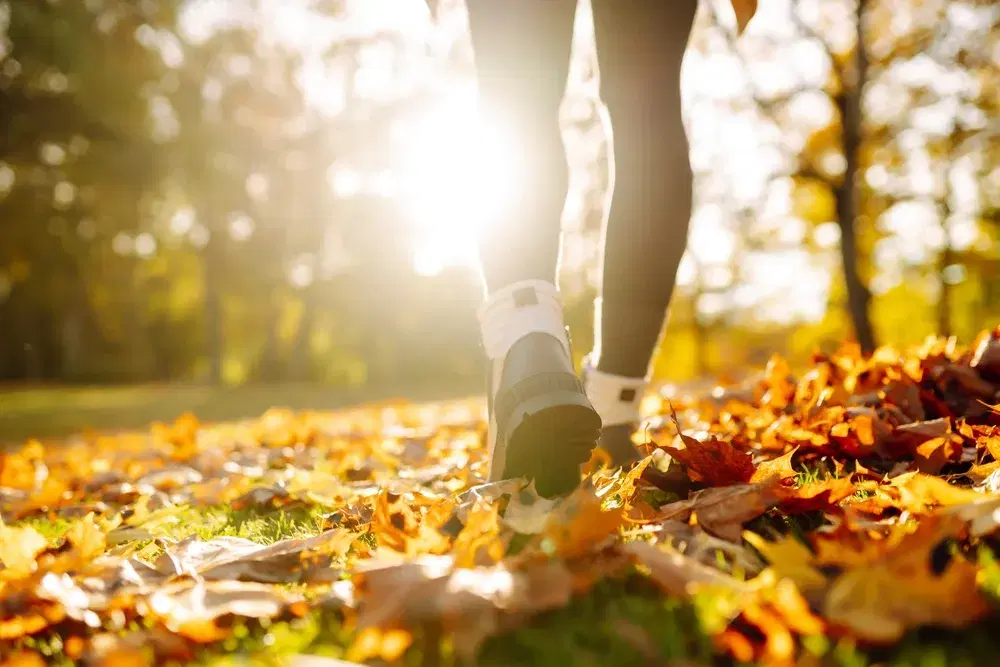
There is no single harvest calendar for the whole country. Italy's regions, altitudes and crops create a season that unfolds in stages, from the end of summer into November.
September is especially associated with the vendemmia, the grape harvest. You can find wine-related events and vineyard experiences in Tuscany, Piedmont and elsewhere, although the actual picking schedule varies according to grape variety and weather. Visiting in September does not automatically mean you will be able to join a harvest.
October brings the widest variety of festivals in Italy. Wine festivals continue in some areas, chestnut festivals fill Apennine towns, apple-growing valleys celebrate their produce and the white truffle season begins in Piedmont. This is often the most flexible month for travelers who want to combine a classic Italian itinerary with one special autumn event.
November is the time to look closely at truffles and olive oil. White truffle markets are still a major attraction, while the newly pressed oil of central Italy offers a different kind of tasting experience.
The calendar matters, but so does the day of the week. Many sagre and local markets take place only on weekends. Before booking flights or hotels around an event, check the organizer's current dates rather than relying on a general description of the season.
The Vendemmia: When Italy's Vineyards Become Part of the Celebration
Wine and the Italian autumn are difficult to separate. But there is an important difference between a grape harvest, a wine festival and a winery visit.
The vendemmia is agricultural work: grapes must be collected at the right moment, and winemakers plan around the ripeness of the fruit rather than a visitor calendar. A village wine festival, by contrast, may celebrate that same work with a parade, food, music or tastings, even when the actual picking has already finished.
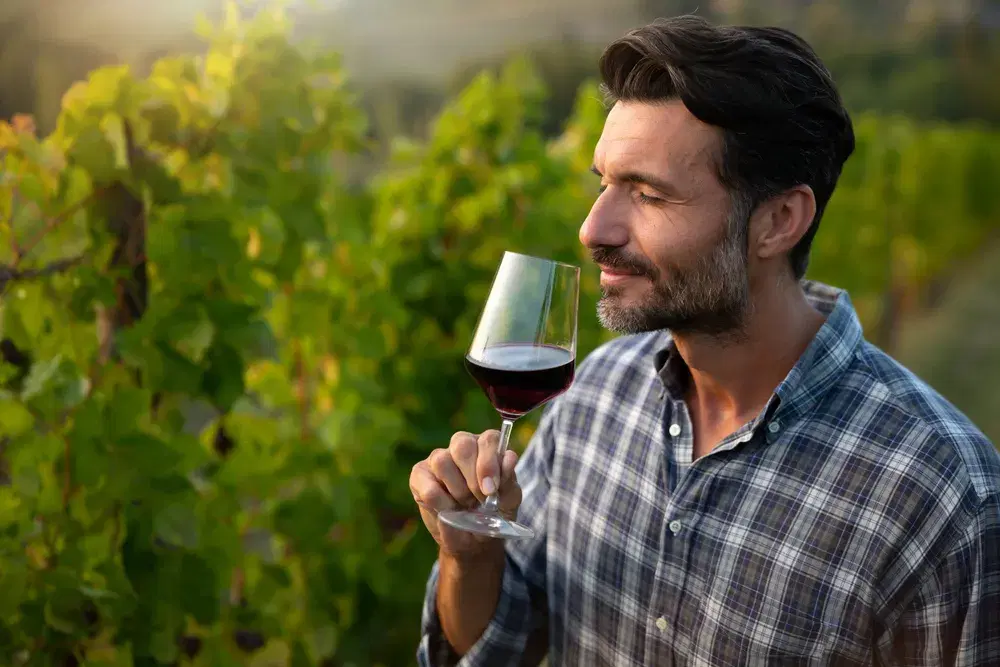
In Tuscany, the vineyards around Chianti provide a memorable setting for understanding the season. Visiting a producer can reveal the care behind wines that many travelers know only by name. And when the timing is right, a properly arranged harvest experience lets you see something of the work itself, without confusing it with a public street celebration.
A public grape festival offers something else again. In Impruneta, just outside Florence, the Festa dell'Uva brings neighborhood teams together for elaborate floats and performances. Its 2026 celebration took place on September 27. The festival is not a winery experience: it is a chance to see the town turn its relationship with the grape harvest into a communal spectacle, as described by Visit Tuscany.
Rufina offers another Tuscan variation. Bacco Artigiano, held September 24–27 in 2026, puts Chianti Rufina wines, local producers and the town's traditions at the center of the celebration. The historic Carro Matto procession also travels through Florence, but the festival itself belongs to Rufina. If you are staying around Florence in late September, these are two very different ways to encounter the harvest without crossing the country.
Our Tuscany Harvest Tour: Chianti Wine & Vineyard Experience builds that experience into a journey through Chianti and Siena. It is a more thoughtful approach than trying to fit a random winery stop into an already crowded day; the specific harvest activity still depends on seasonal conditions.
For a different side of the wine tradition, travel north to Merano in South Tyrol. Its Grape Festival dates back to 1886 and celebrates its 140th edition on October 16–18, 2026. The town brings together regional wines, music, local food and a traditional procession. Here, the point is not to pick grapes but to see how an agricultural season becomes part of the town's identity. The City of Merano's 2026 festival announcement gives the official program context.
Piedmont is another compelling choice. Around Alba, Barolo and Barbaresco, vineyards form the setting for long lunches, small hill towns and some of Italy's most celebrated red wines. Play Italy's Italian Harvest Tour: Barolo, Barbaresco & Nebbiolo Wine Experience brings the harvest and the surrounding landscape into the same journey.
If your trip takes you farther south, our Sicilian Harvest Tour offers another perspective, connecting the volcanic vineyards around Etna with a wider Sicilian wine itinerary. Etna wines and Nero d'Avola do not come from one interchangeable wine region; part of the pleasure is discovering how the island changes from place to place.
White Truffle Festivals: Alba or San Miniato?
Truffles are one of the clearest reasons to plan an Italian journey around autumn. They are also a reminder that seasonal food is about far more than what appears on the plate.
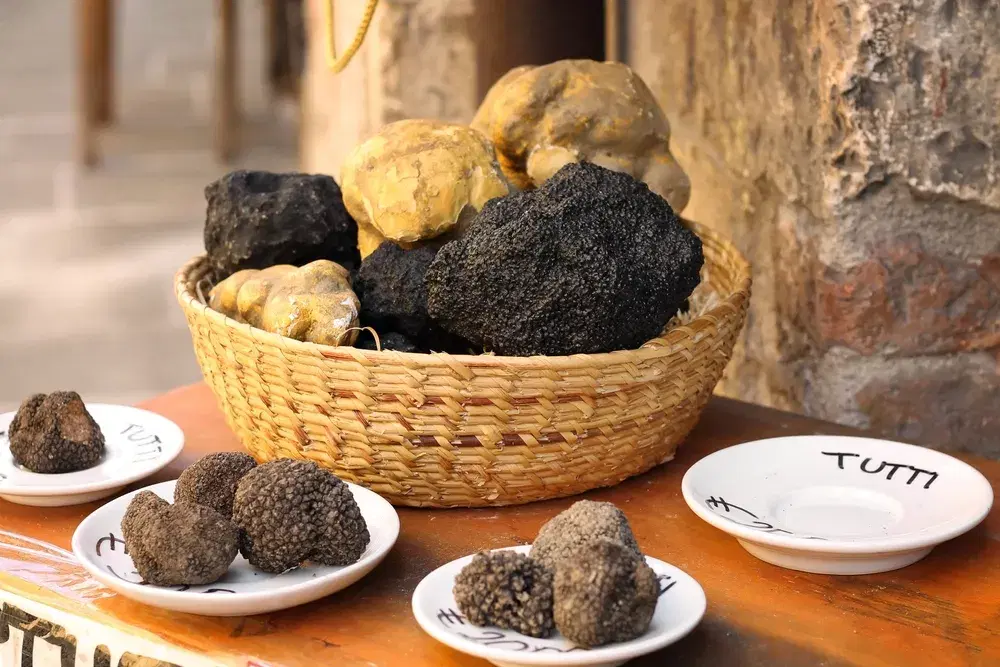
In Piedmont, Alba's International White Truffle Fair brings growers, buyers, cooks and travelers together every fall. For 2026, the Alba White Truffle World Market runs on weekends from October 10 to December 6. The fair is a natural starting point for tasting local specialties and getting to know the food culture of the Langhe.
What makes Alba particularly rewarding is everything around the fair. Barolo, La Morra, Neive and Barbaresco are close enough to become part of a countryside stay, and the combination of truffles, Nebbiolo wines and village life makes this region feel especially coherent in autumn.
Tuscany offers another option, but with a different calendar. The San Miniato White Truffle Market takes place over the last three weekends of November in 2026, from November 14 to 29. Stalls and food events animate a historic hill town between Florence and Pisa.
If your itinerary already centers on Tuscany and your dates fall later in November, San Miniato can make more sense than adding a journey north. If you want several days of wine country as well as a truffle fair, Alba and the Langhe offer a particularly natural combination.
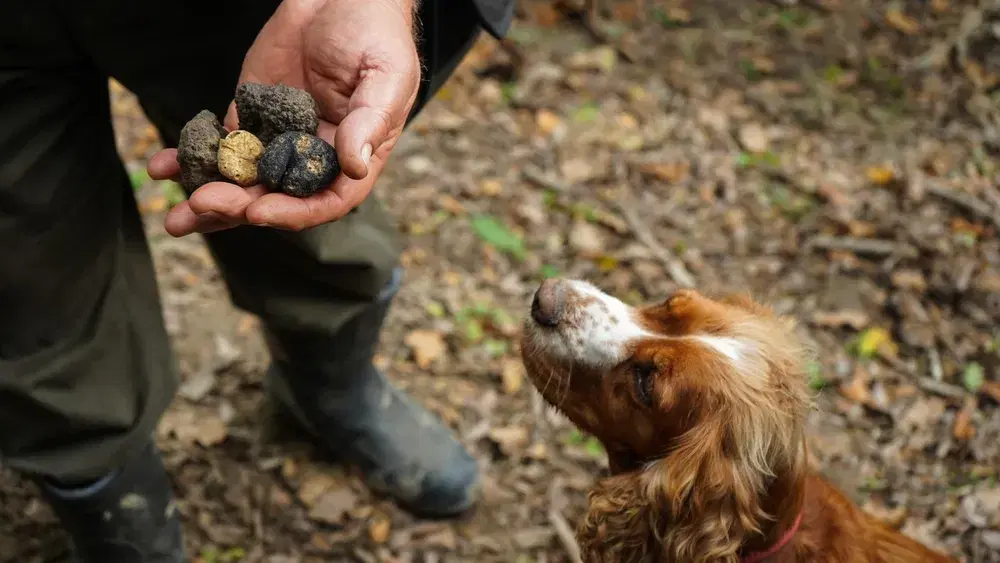
A market visit is one experience; going truffle hunting with a trained dog and a local expert is another. The search takes place under specific conditions and should be arranged responsibly, rather than assumed to be included with admission to a fair. The traditional Italian knowledge of truffle hunting and extraction was recognized by UNESCO as intangible cultural heritage in 2021.
For a broader introduction to the region's flavors, our guide to Italian red wines and Vino Novello helps explain what may be in your glass during an autumn meal.
Chestnut Festivals: The Tuscany You Find Beyond the Famous Hill Towns
Not every autumn festival is about an expensive ingredient or a famous wine label. In parts of the Apennines, chestnuts have long been woven into everyday cooking, and the festivals around them feel different from the better-known food events of Italy's large cities.
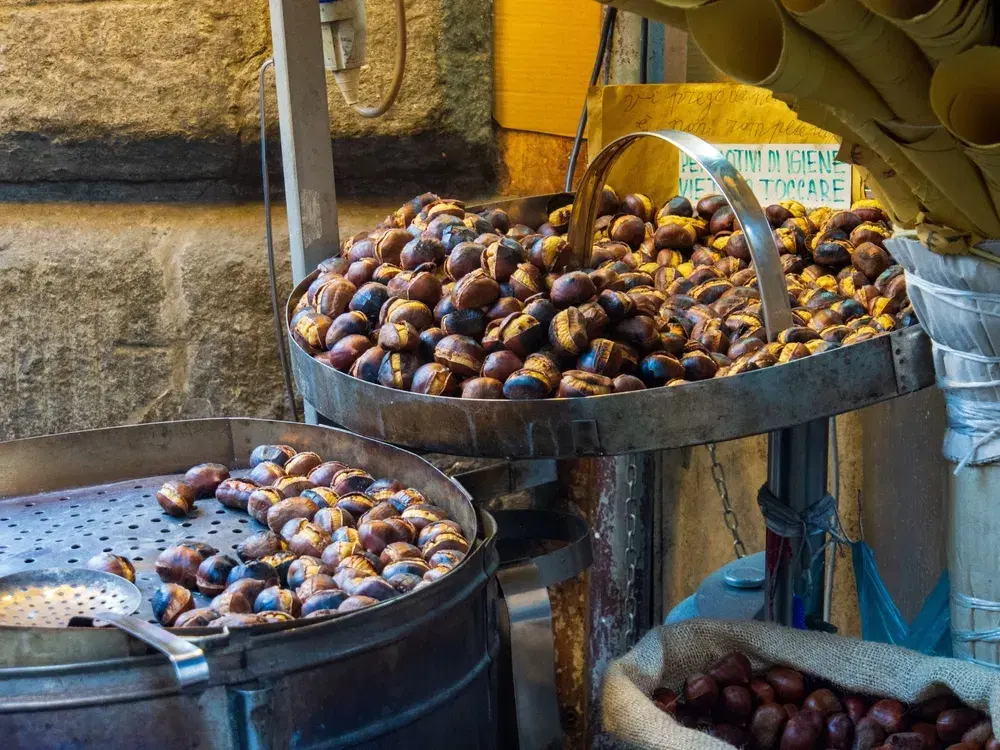
In Marradi, a town in the Tuscan Apennines, the annual Marron Buono market takes over the historic center. You can expect the smell of roasted chestnuts, stalls selling local produce and recipes such as castagnaccio, the traditional chestnut-flour cake. The fair celebrates a crop that has helped sustain mountain communities for generations.
For 2026, Visit Tuscany lists the Marradi festival on October 4, 11, 17, 18 and 25. These are specific festival days, not an invitation to turn up on any October afternoon and expect the same atmosphere.
The appeal of Marradi is partly the journey there. The wooded landscape, the town and the food belong together. Choose it if you want a slower autumn day in the countryside, not simply another item to tick off between Florence and Venice.
Beyond Wine and Truffles: Apples in Trentino and New Olive Oil in Umbria
If you look only for wine and truffles, you miss how varied Italy's harvest season really is.
In Val di Non in Trentino, apple growing is part of the landscape and local identity. The festival Pomaria, held in Casez on October 17–18, 2026, celebrates its twentieth edition with local producers, food and activities connected to the fruit. The official Pomaria program includes a market showcasing producers from the valleys of Non and Sole.
It is a particularly appealing choice for families or anyone who wants to experience a harvest tradition away from Italy's most familiar wine routes. Apple-picking workshops and other activities may require reservations, so the practical details deserve the same attention as the event dates.
Farther south, autumn brings a different smell to the countryside: newly pressed extra virgin olive oil. In Umbria, the flavor of fresh oil is often appreciated with something as simple as bread, while visits to working mills explain how the olives become a finished product.
Frantoi Aperti in Umbria runs from October 17 to November 15 in 2026. It is not one festival held in one square. Participating mills and towns across the region offer their own visits and activities, making the program especially well suited to a journey through villages, olive groves and small rural roads.
Unlike a large market that you can explore in an hour, an oil-mill visit often rewards taking your time. Seeing the production process and talking to a local producer can change the way you appreciate an ingredient that is present at nearly every Italian table.
Autumn Traditions in Italy: From Ancient Rome to Today’s Sagre
The history of these festivals is best understood through the communities that continue to celebrate them. In agricultural communities, harvest time marks the end of months of work. Festivals are opportunities to bring neighbors together, share regional food and pass on recipes, skills and memories. Some have their own documented histories, like Merano's nineteenth-century grape festival; others reflect later local traditions.
The link between Rome and the grape harvest is much older than any modern festival. Roman writers such as Varro describe the Vinalia Rustica, held on August 19 before the harvest, and the Meditrinalia on October 11, when the new wine was tasted for the first time. These were religious celebrations of ancient Rome, not events you can attend today, but they show how long the rhythm of the vineyard has shaped the Italian calendar.
If you are spending time in Rome in autumn and want to see that tradition alive, look just beyond the city to the Castelli Romani, the wine towns in the hills to the southeast. In Marino, the Sagra dell’Uva has been held since 1925, traditionally on the first weekend of October, and is famous for the moment when the town’s fountains flow with wine. It is one of the easiest harvest festivals near Rome to combine with a stay in the capital; check the town’s program for this year’s dates before you plan around it.
That is why a sagra is never simply a food fair. It belongs to a particular town, its produce and its way of celebrating. If you want to understand the wider custom, our article about Italy's sagra tradition and local food festivals explores events that take place throughout the year.
Which Fall Festival Makes Sense for Your Italian Journey?
Choosing a fall festival in Italy starts with the itinerary, not the longest list of events.
If your trip already includes Florence or Siena in September, a planned vineyard day in Chianti is a natural addition. If you are exploring Piedmont in October, Alba's truffle fair can pair beautifully with village visits and wine tastings. A late-November journey through Tuscany points instead toward San Miniato.
Traveling in the mountains? Merano's Grape Festival and Pomaria offer different ways to experience northern Italy's autumn, while the chestnut celebrations around Marradi draw you toward the Apennines. And if your idea of Italy is quiet hill towns and producers rather than big parades, consider the olive mills of Umbria.
Not every festival deserves a detour across the country. A well-chosen local celebration is often more rewarding than losing a day to travel just because an event appears in a list of the country's most famous.
This is one reason our Italian Travel Designers start with your interests, the route and the pace of the trip, rather than trying to make every possible festival fit. The right event should feel like part of the journey, not a logistical problem added at the last minute.
How to Experience an Italian Harvest Festival Without Rushing
One of the easiest mistakes is to schedule a festival between too many other stops. An autumn fair may seem like a quick addition on a map, but the pleasure is often in walking slowly, tasting something unfamiliar and staying long enough to see the local atmosphere.
Plan around the official event dates and any booking requirements. Weekend events can be crowded, and rural roads or public transport may take more time than expected. A driver or carefully planned transfer becomes especially useful when tastings are involved.
The goal is not to attend as many fall festivals as possible.
It is to find a few seasonal experiences that feel like your Italy.
Your unforgettable Italian Journey awaits with Play Italy
Here at Play Italy, we are dedicated to transforming your exploration of Italy’s natural wonders into a seamless and unforgettable experience. Whether you’re marveling at the majestic peaks of the Dolomites, relaxing by the serene waters of Lake Como, savoring the rolling hills of Tuscany, or soaking in the stunning coastal views of the Amalfi Coast, our Travel Designer service is here to tailor your adventure to your tastes. Through a dedicated free call, you can speak directly with one of our Travel Designers and begin shaping a journey that reflects your pace, preferences, and expectations. We ensure that each moment is not just seen, but truly experienced.
For more inspiration on how to weave these natural delights into your travel itinerary, we invite you to subscribe to our Play Italy newsletter. By joining our community, you’ll receive expert travel tips, seasonal insights, and early access to what’s coming next - along with a special discount code to use on your first journey with us. If you’re considering a journey and would like to explore it with us directly, you’re always welcome to get in touch via email or WhatsApp to start a personal conversation.
Choose one of our itineraries and let Play Italy open the door to a world where each sight is a story and each landscape becomes a lasting memory. Come play with us, and let us turn your Italian holiday into a refined, meaningful experience. Your dream of Italy awaits - let’s bring it to life, together.
Tuscany Harvest Tour: Chianti Wine & Vineyard Experience
5 days 4 nights
2 Destinations
From $3,467
in double room
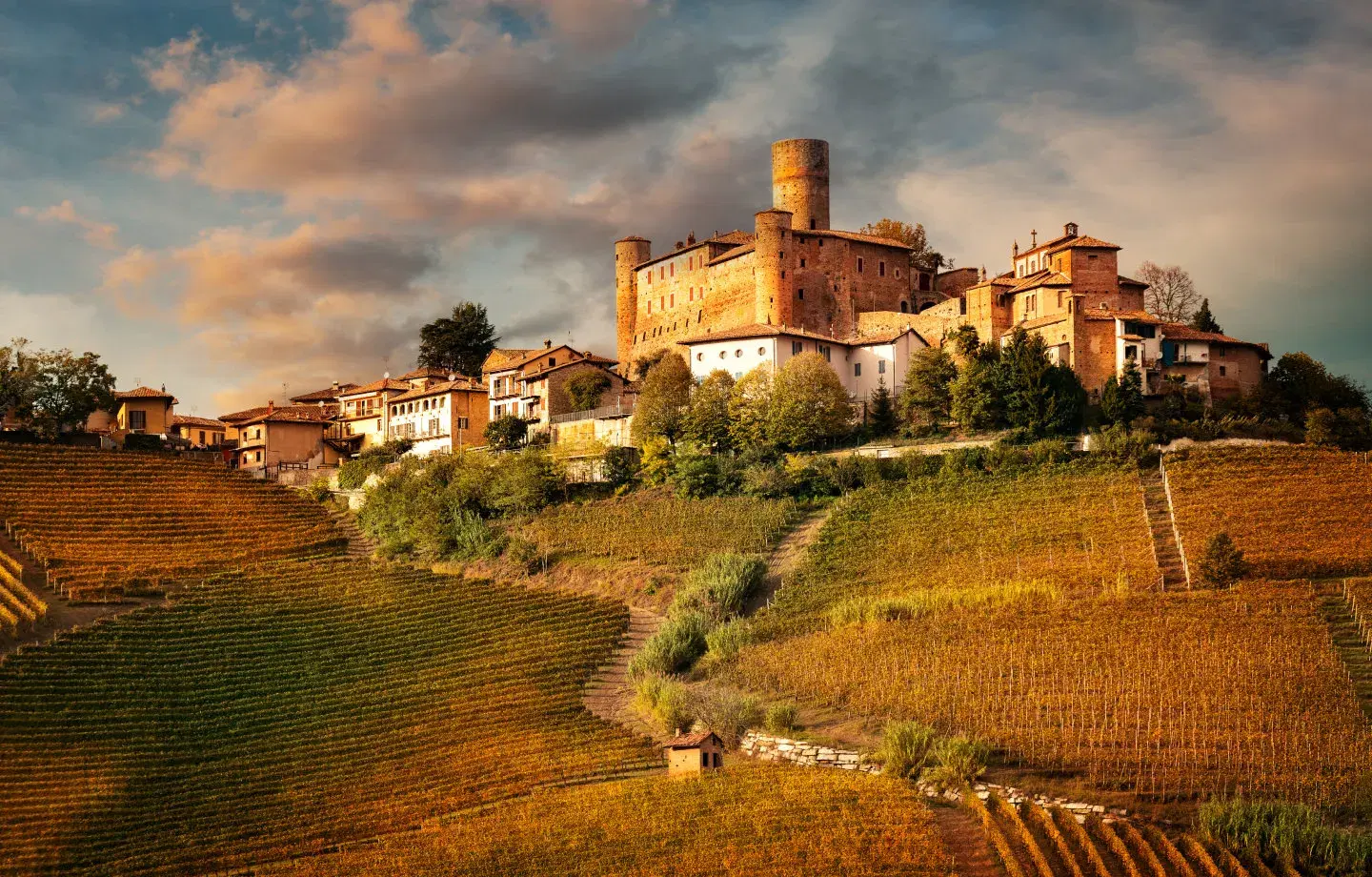
Italian Harvest Tour: Barolo, Barbaresco & Nebbiolo Wine Experience
5 days 4 nights
1 Destinations
From $4,555
in double room
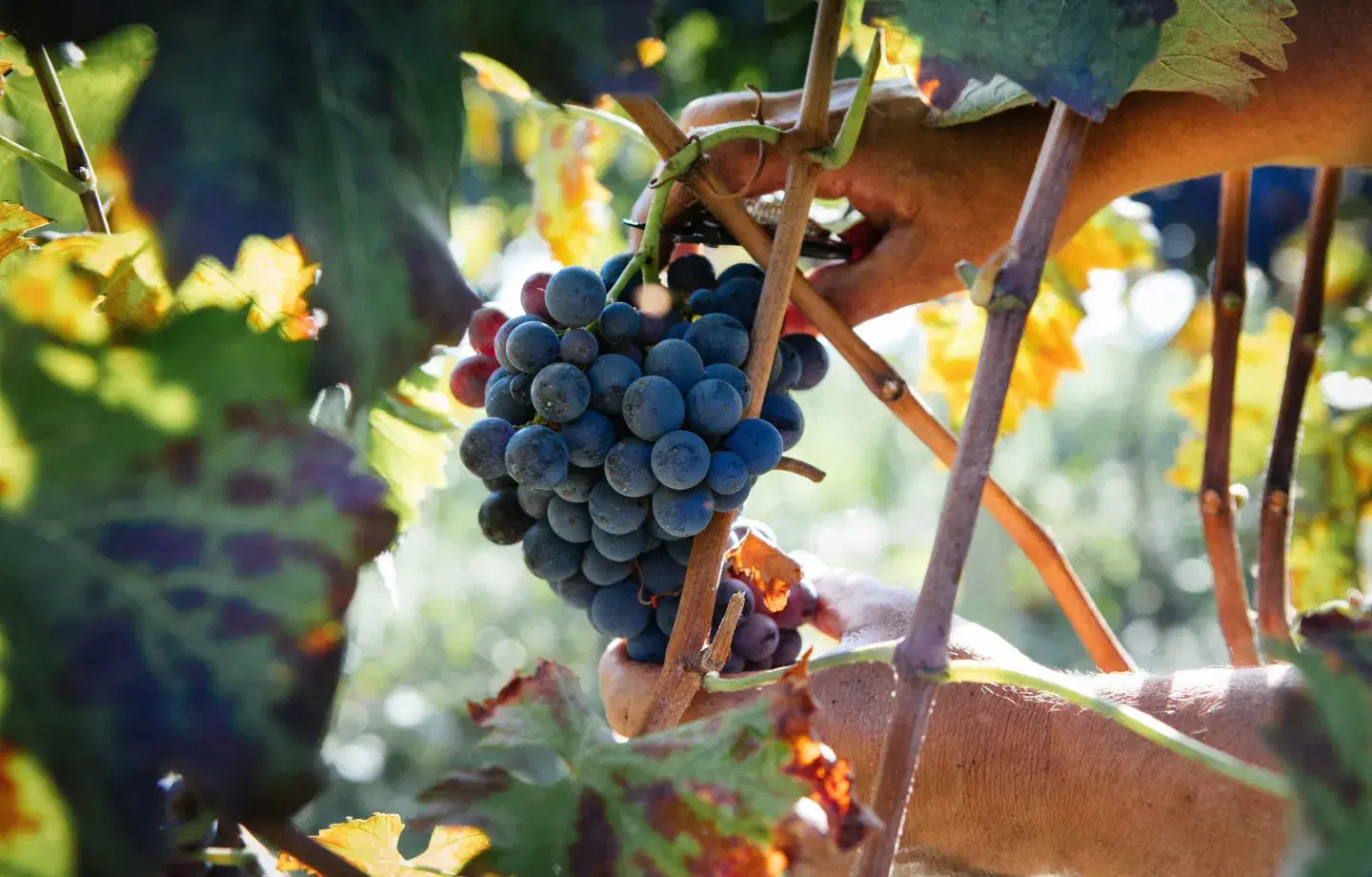
Sicilian Harvest Tour: Nero d'Avola, Etna Wines & Vineyard Experiences
5 days 4 nights
5 Destinations
From $3,190
in double room