Play Italy
Italy is not “too crowded” to enjoy - but it is a country that rewards smart planning more than ever.
Many travelers arrive worried that Italy has become overwhelmed by overtourism, long lines, packed trains, impossible reservations, and cities that feel more stressful than magical. And to be fair, during peak periods, some parts of the country absolutely can feel that way.
But in our experience, the problem is rarely Italy itself. It is usually how the trip is designed.
The truth is that crowds in Italy are highly predictable. They concentrate in specific places, at specific hours, during specific months, and around very specific travel behaviors. With the right pacing, timing, local insight, and a few strategic choices, Italy can still feel elegant, authentic, relaxed, and deeply personal - even in high season.
Is Italy Really Too Crowded Right Now?
Italy is experiencing record tourism numbers, especially in destinations like Rome, Venice, Florence, the Amalfi Coast, Cinque Terre, and Lake Como. Spring and summer travel demand continues to rise, particularly between May and October.
But there is an important distinction many articles fail to make: Italy is not crowded everywhere. Italy is crowded in predictable hotspots.
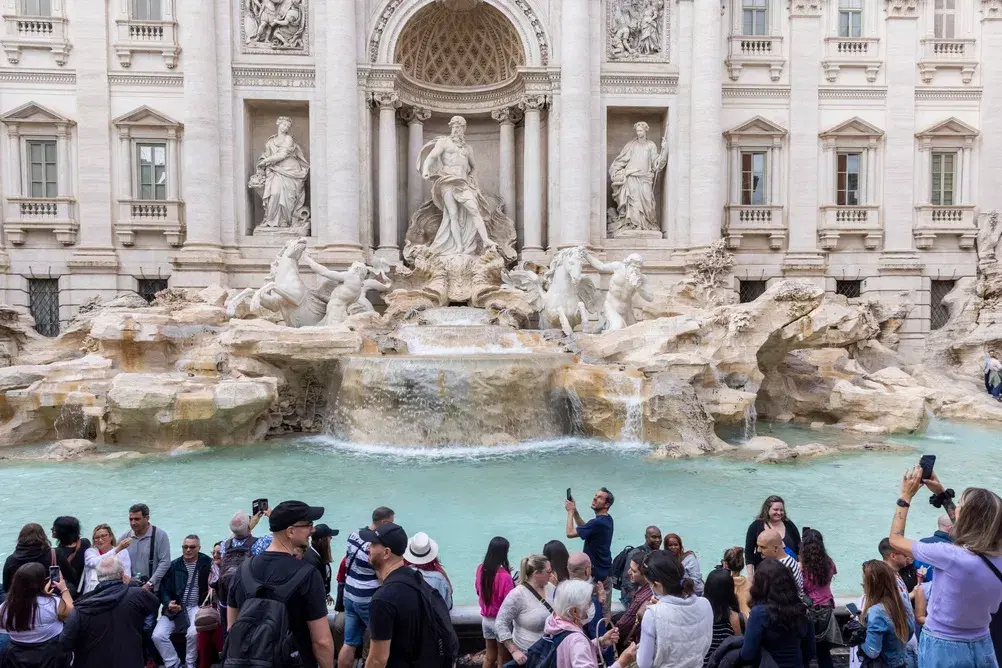
A traveler standing in front of the Trevi Fountain at noon in July may feel overwhelmed. The same traveler walking through Rome’s Aventine Hill at sunset or entering the Vatican Museums early with reserved access may feel like they are experiencing a completely different country. You can see here how planning here makes all the difference.
And increasingly, travelers are also thinking about something beyond convenience: comfort and safety.
Less crowded destinations often provide a calmer and more secure travel experience, especially during peak season. Smaller towns, quieter countryside regions, and slower-paced coastal areas generally mean:
- less congestion
- fewer logistical disruptions
- lower stress levels
- easier transportation
- more attentive hospitality
- a more relaxed atmosphere after dark
For many travelers today, particularly those investing significantly in a long-awaited Italy trip, emotional comfort matters as much as sightseeing.
Where Italy Feels Most Crowded
Some destinations consistently experience heavy congestion during peak season. That does not mean they should be avoided entirely - many are iconic for good reason - but expectations and strategy matter.
Rome
Rome is busiest around:
- the Vatican
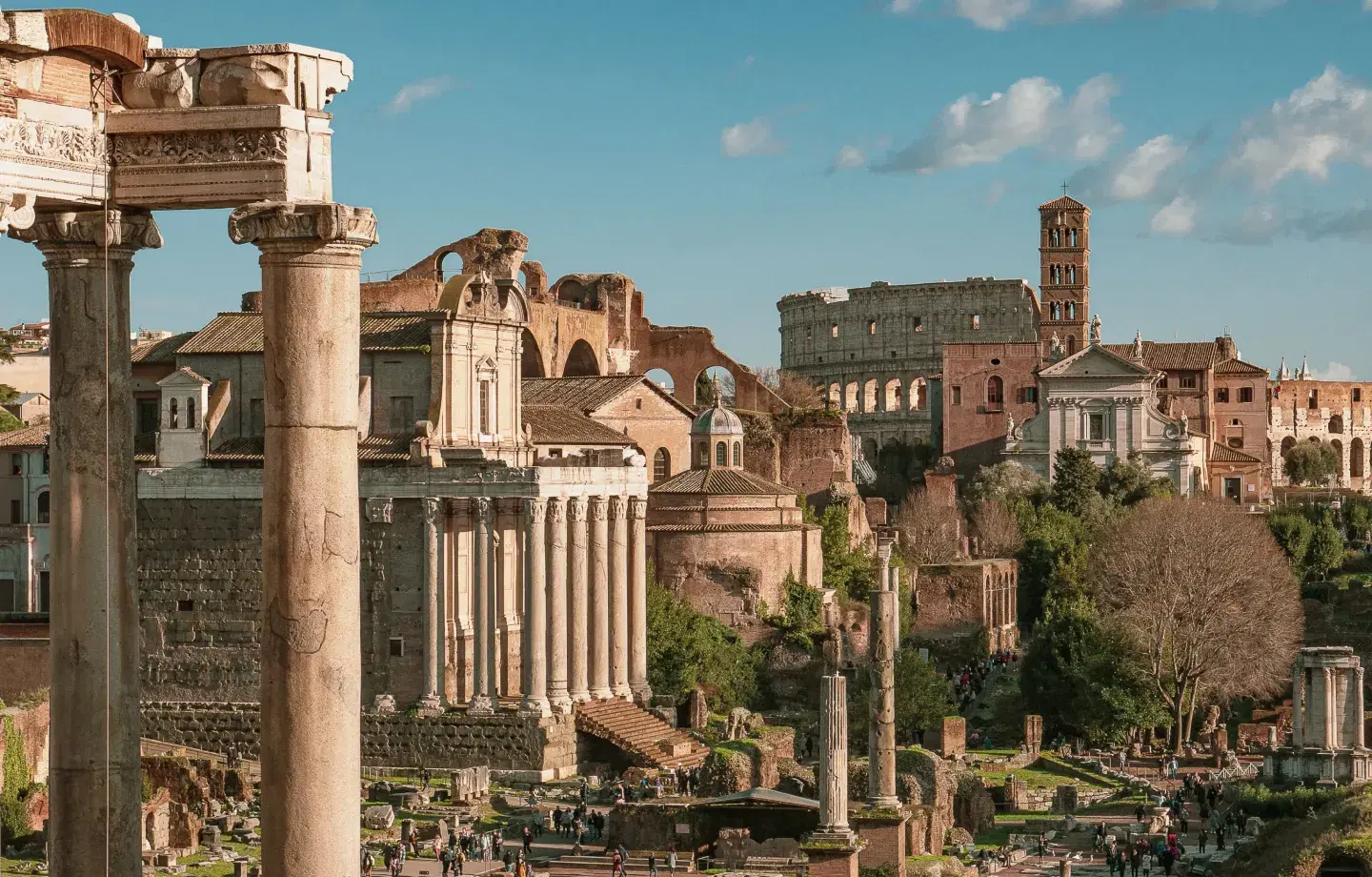
- the Colosseum area
- Trevi Fountain
- Spanish Steps
- major religious events and holidays
The city can feel exhausting when travelers try to see everything too quickly. We usually advise slowing Rome down rather than skipping it entirely.
Three well-paced days with strategic reservations almost always feel better than trying to compress the city into 36 rushed hours. Check out our reviews to see how we made our clients feel easy in each city they visited.
Venice
Venice remains one of the most extraordinary cities in the world - but also one of the easiest to experience poorly.
The busiest hours are typically between late morning and late afternoon, especially when cruise passengers arrive. Yet early mornings and evenings in Venice can still feel wonderfully quiet and cinematic.
Staying overnight changes the experience completely - and also having a travel partner who actually knows its way around this difficult city. With our Venice-based knowledge, we’re confident in providing a venetian itinerary that actually makes you enjoy the city! Check out some inspo Venice itineraries by us here.
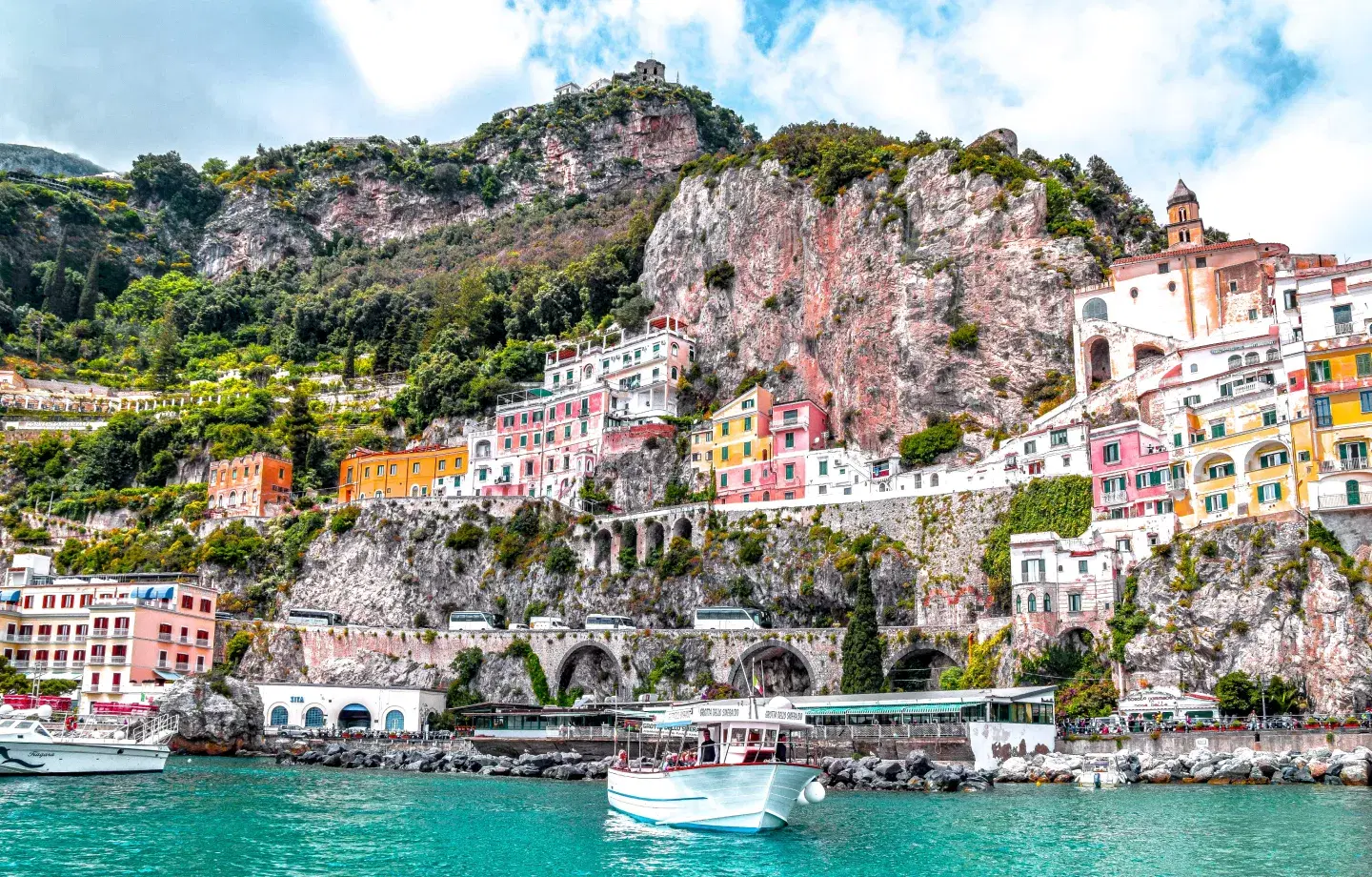
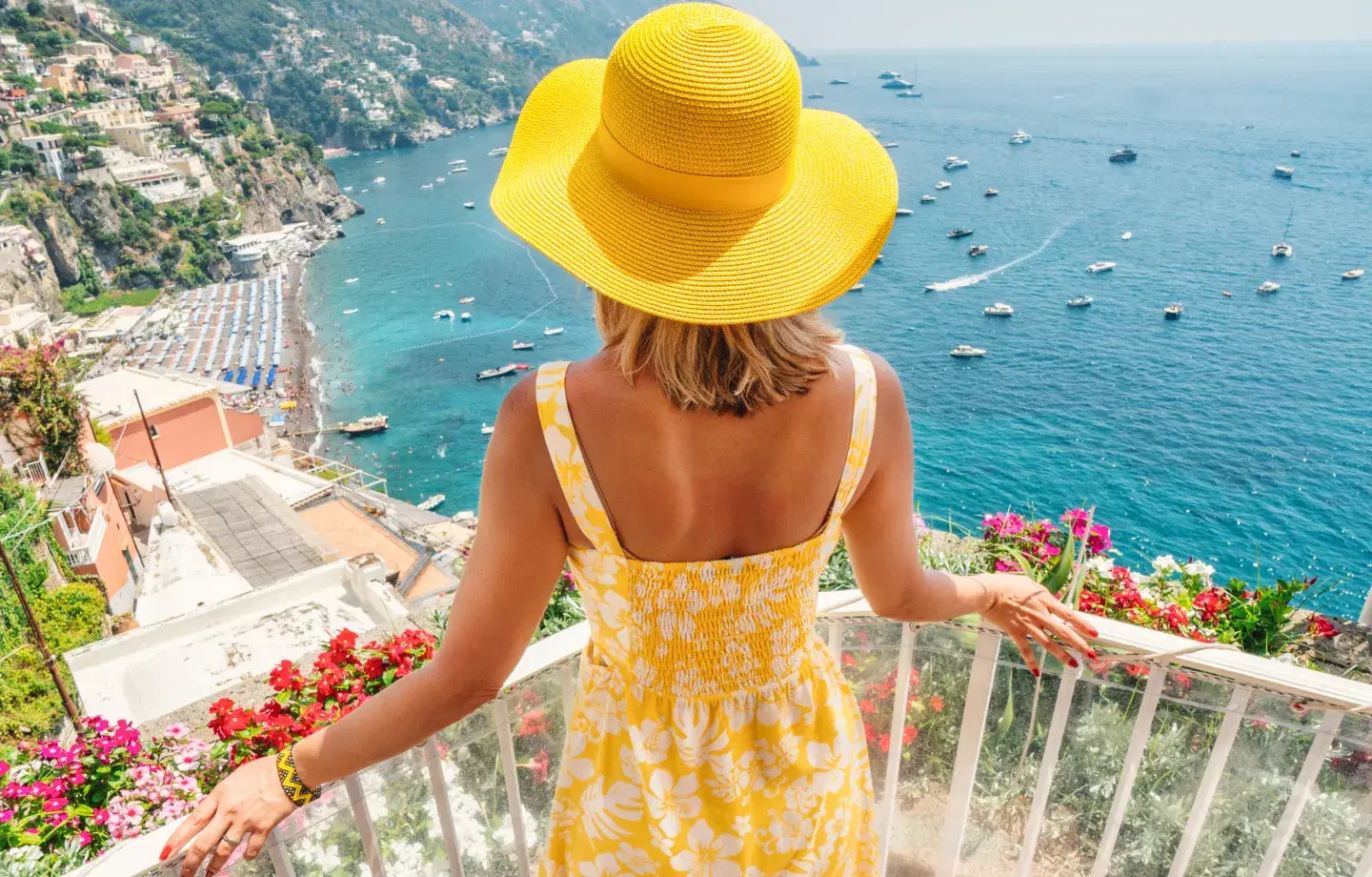
Amalfi Coast
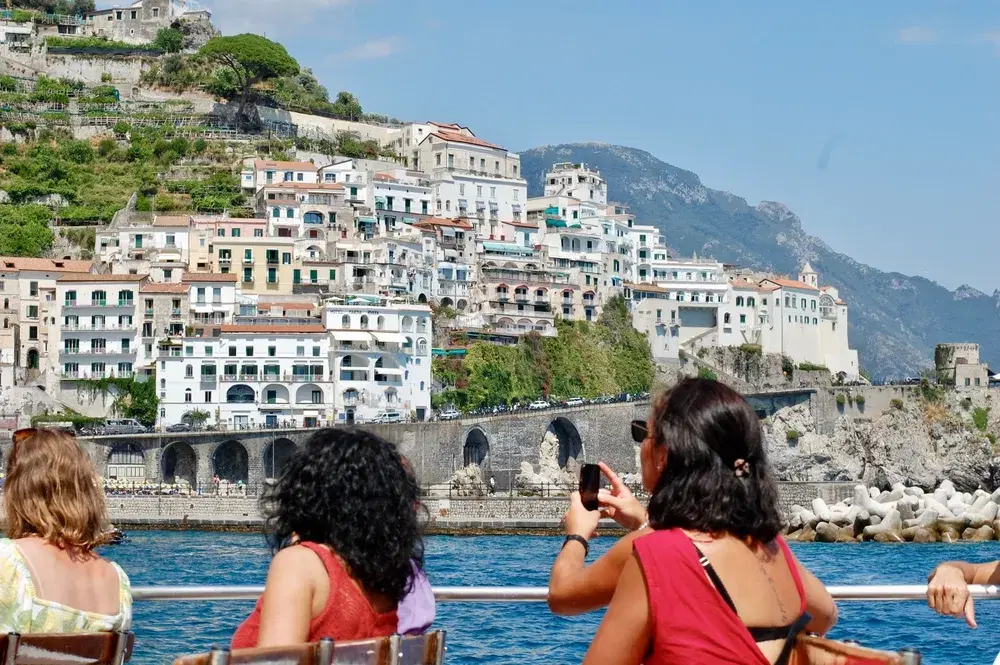
The Amalfi Coast is breathtaking, but summer traffic, crowded ferries, and overbooked beach clubs can quickly become frustrating if expectations are unrealistic.
This is one of the clearest examples of why logistics matter in Italy. A rushed day trip from Naples in August is very different from a well-designed multi-night stay with private transfers, boat timing, and carefully chosen towns.
If you are considering Southern Italy, we often recommend combining iconic areas with quieter alternatives for a more balanced experience. Our travelers frequently explore routes that include both famous highlights and slower coastal moments - such as this Sorrento and its surroundings: a complete immersion into relax, food and culture.
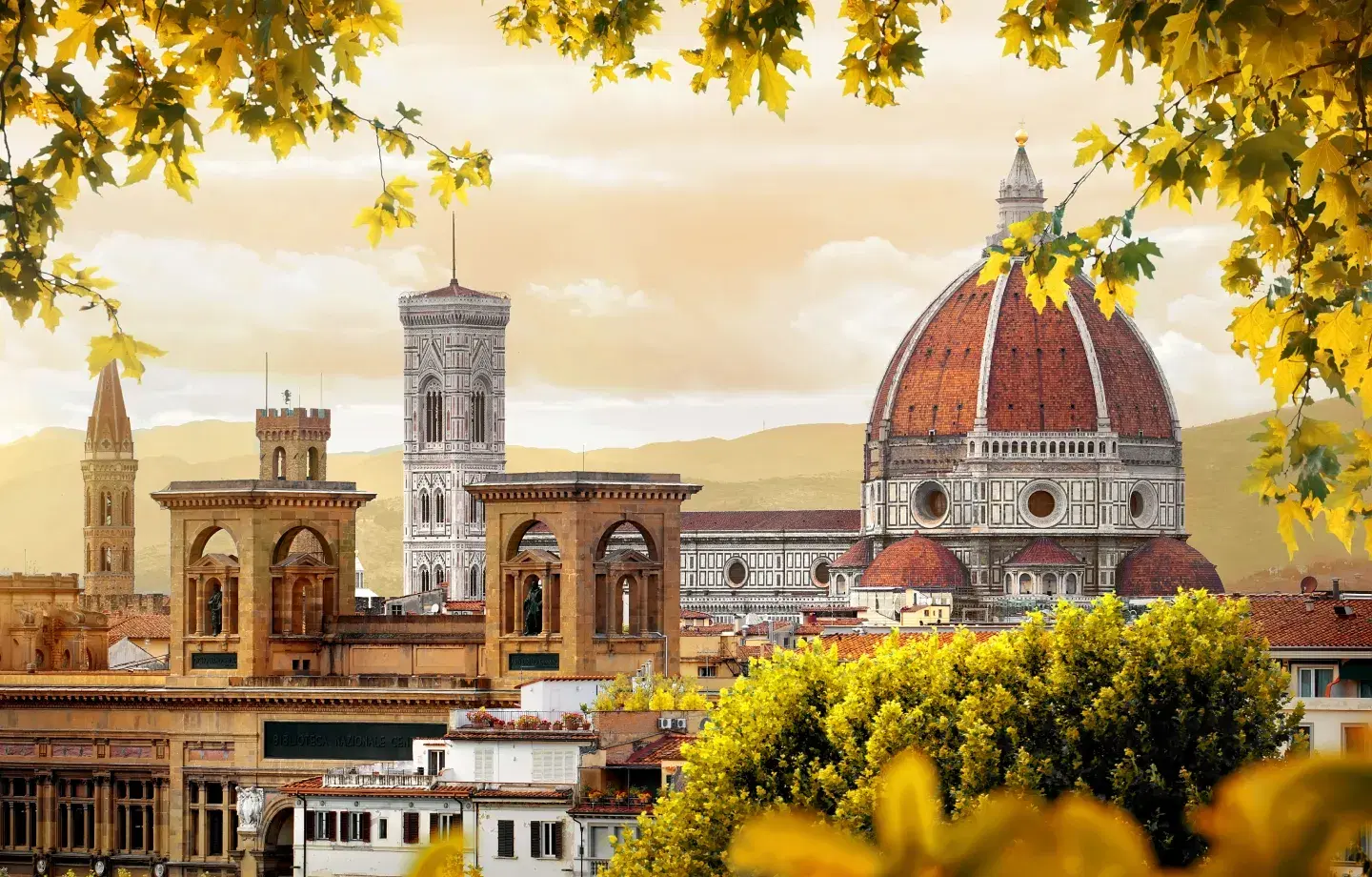
Florence and Cinque Terre
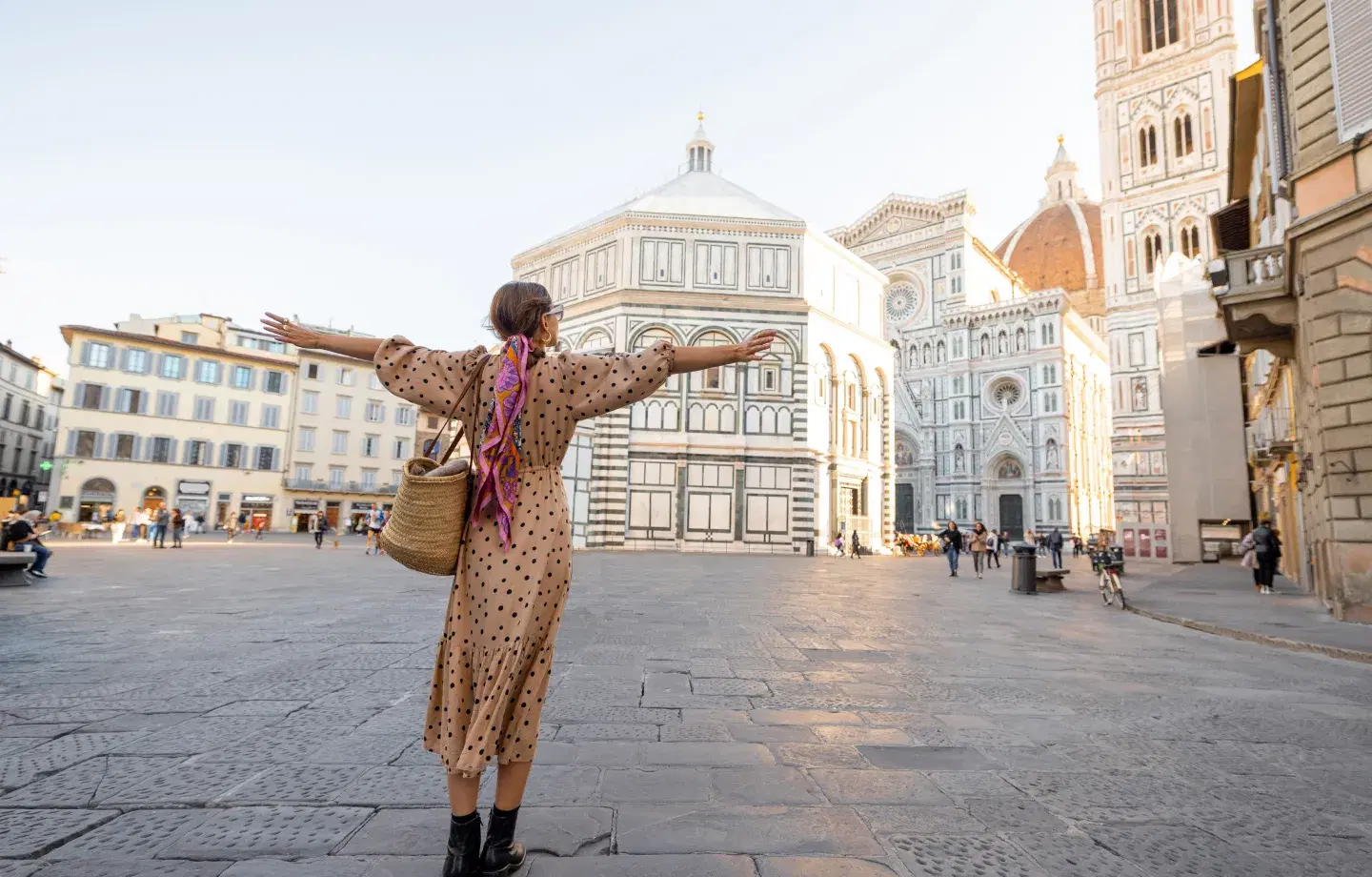
Florence becomes particularly intense during midday and around the Duomo area. Cinque Terre can feel heavily saturated during summer weekends and cruise-heavy periods. Again, you can see how timing is crucial when coming to Italy.
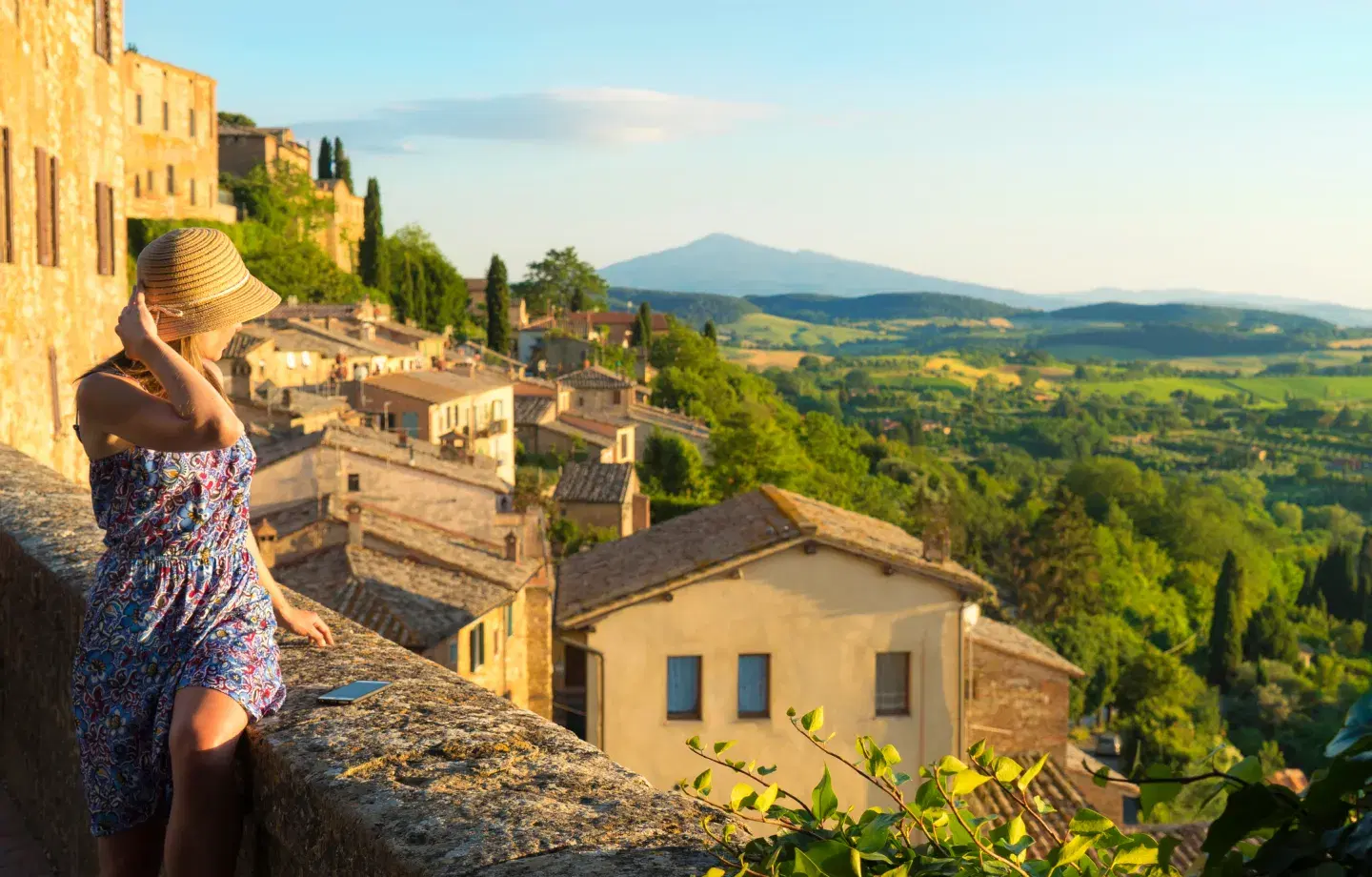
Early access tickets, strategic overnight stays, and avoiding “day-trip-only” pacing can dramatically improve the experience. To see how Play Italy can do this for you, check out this special itinerary which combines the best of Florence and Tuscany with the iconic Cinque Terre in Liguria: Under the Tuscan Sun: wine tours and excursions.
The Best Time to Visit Italy Without the Crowds
If avoiding crowds is important to you, we already saw how timing may matter even more than destination choice.
Best Overall Months
In our experience, the best balance of weather, atmosphere, and manageable tourism levels is usually:
- April
- early May
- late September
- October
These months offer:
- pleasant temperatures
- better restaurant availability
- smoother transportation
- calmer city centers
- more enjoyable sightseeing
Months That Require More Strategy
June, July, and August are not “bad” months to visit Italy - but they require more intentional planning.
This is especially true for:
- the Amalfi Coast
- Capri
- Venice
- Tuscany countryside hotspots
- Lake Como
- Cinque Terre
Summer in Italy works best when travelers:
- stay longer in fewer places
- avoid overpacked itineraries
- pre-book key experiences
- prioritize private or semi-private logistics
- build downtime into the schedule
Why Shoulder Season Often Feels More Luxurious
Many travelers assume luxury means peak summer. In reality, shoulder season often provides the more refined experience:
- quieter hotels
- more attentive service
- easier reservations
- less rushed sightseeing
- calmer evenings
- greater flexibility
Italy simply breathes differently outside peak congestion.

Smart Ways to Experience Italy Without Feeling Overwhelmed
1. Stay Overnight in Famous Places
One of the biggest mistakes travelers make is treating iconic destinations as day trips.
Venice, Florence, and the Amalfi Coast become dramatically calmer early in the morning and after day visitors leave.
Sleeping in the destination gives you access to its quieter personality.
2. Avoid the “Checklist” Mentality
Trying to “do Italy” in one trip is usually what creates stress.
We usually advise travelers to choose:
- fewer destinations
- longer stays
- slower transfers
- more meaningful experiences
Italy rewards depth, not speed.
3. Explore Smaller Neighborhoods
Even within major cities, crowds tend to concentrate in very small areas.
In Rome, neighborhoods like:
- Prati
- Monti
- Aventine
- Trastevere (outside peak dinner hours)
often feel far calmer than the main tourist corridors.
The same principle applies throughout the country.
4. Prioritize Early and Late Hours
Italy changes completely depending on the hour. A piazza at 8:00 a.m. feels entirely different from the same piazza at 2:00 p.m.
Some of the best moments in Italy happen:
- before breakfast
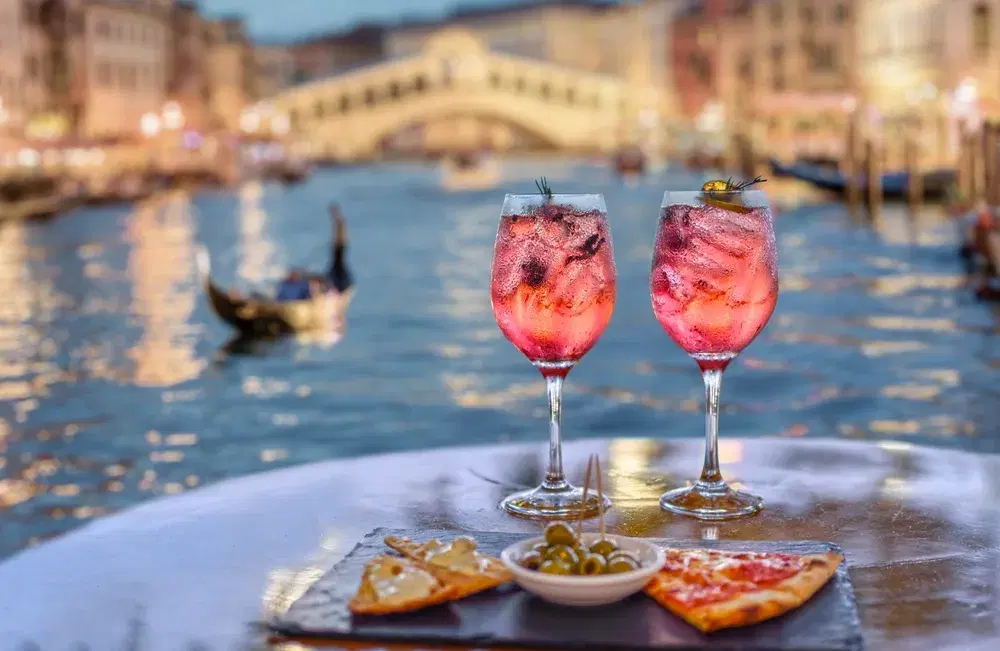
- during aperitivo
- after dinner walks
- during slower weekday mornings
This is exactly the kind of pacing that transforms a trip from exhausting to memorable.
So, Is Italy really Too Crowded?
No. But Italy is no longer a country where you can improvise everything during peak season and expect a seamless experience.
The travelers who enjoy Italy the most today are usually the ones who:
- travel more intentionally
- prioritize pacing over quantity
- choose smarter timing
- mix iconic destinations with quieter regions
- reserve key experiences in advance
- work with people who understand local logistics deeply
That does not make the trip less spontaneous. Quite the opposite.
It creates the freedom to actually enjoy Italy once you arrive.
If you are planning a trip and want help balancing famous highlights with calmer, more refined experiences, you can always request a custom itinerary to one of our Travel Agents or drop an enquiry here.
And if you enjoy thoughtful Italy travel advice designed around real travelers - not generic tourism checklists - we warmly invite you to follow Play Italy for more inspiration, destination insights, and smarter ways to experience the country at its best.
Your unforgettable Italian Journey awaits with Play Italy
Here at Play Italy, we are dedicated to transforming your exploration of Italy’s natural wonders into a seamless and unforgettable experience. Whether you’re marveling at the majestic peaks of the Dolomites, relaxing by the serene waters of Lake Como, savoring the rolling hills of Tuscany, or soaking in the stunning coastal views of the Amalfi Coast, our Travel Designer service is here to tailor your adventure to your tastes. Through a dedicated free call, you can speak directly with one of our Travel Designers and begin shaping a journey that reflects your pace, preferences, and expectations. We ensure that each moment is not just seen, but truly experienced.
For more inspiration on how to weave these natural delights into your travel itinerary, we invite you to subscribe to our Play Italy newsletter. By joining our community, you’ll receive expert travel tips, seasonal insights, and early access to what’s coming next - along with a special discount code to use on your first journey with us. If you’re considering a journey and would like to explore it with us directly, you’re always welcome to get in touch via email or WhatsApp to start a personal conversation.
Choose one of our itineraries and let Play Italy open the door to a world where each sight is a story and each landscape becomes a lasting memory. Come play with us, and let us turn your Italian holiday into a refined, meaningful experience. Your dream of Italy awaits - let’s bring it to life, together.
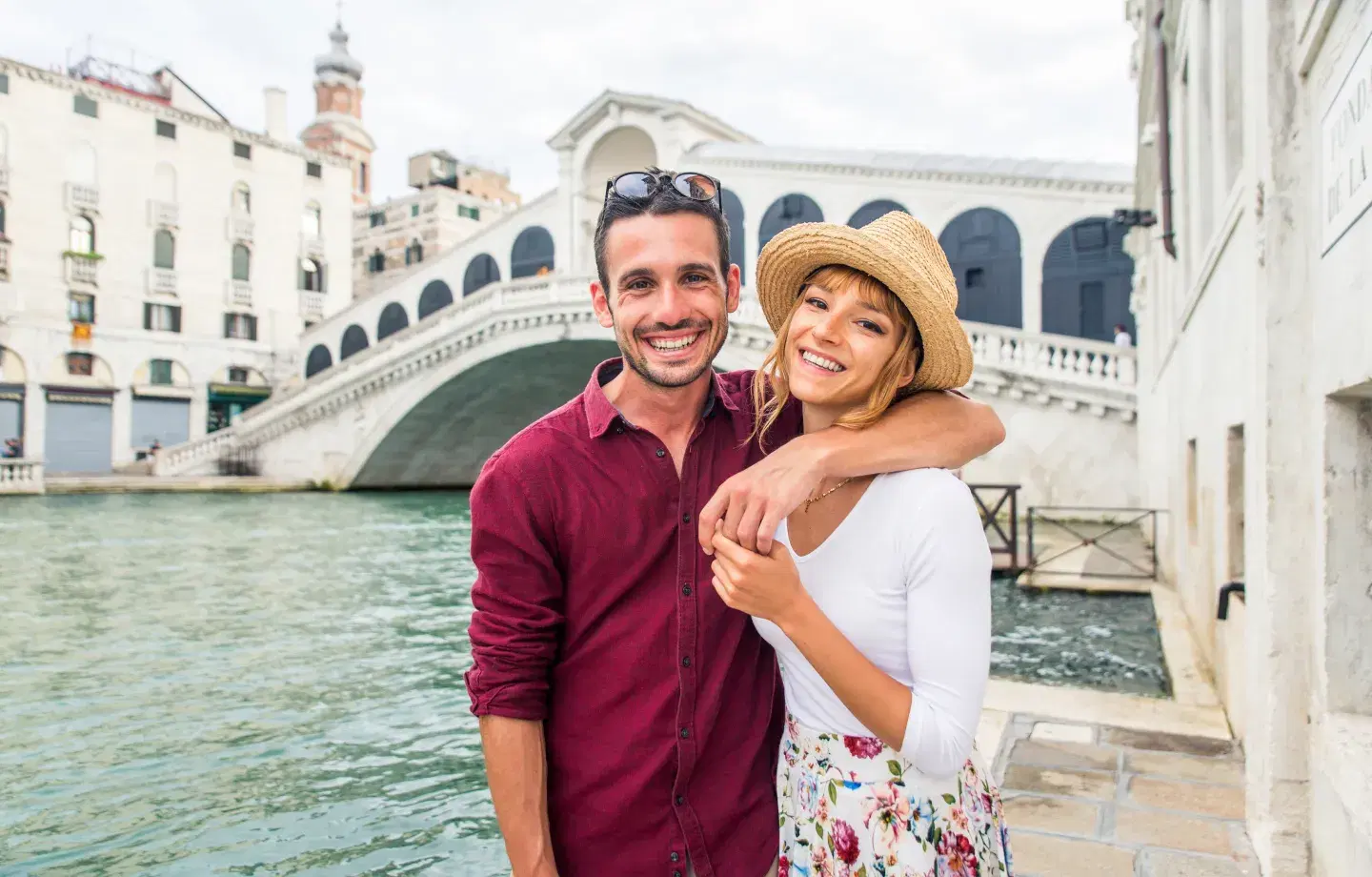
Venice: the true Venetian experience
5
4 days 3 nights
1 Destinations
From $1,691
in double room
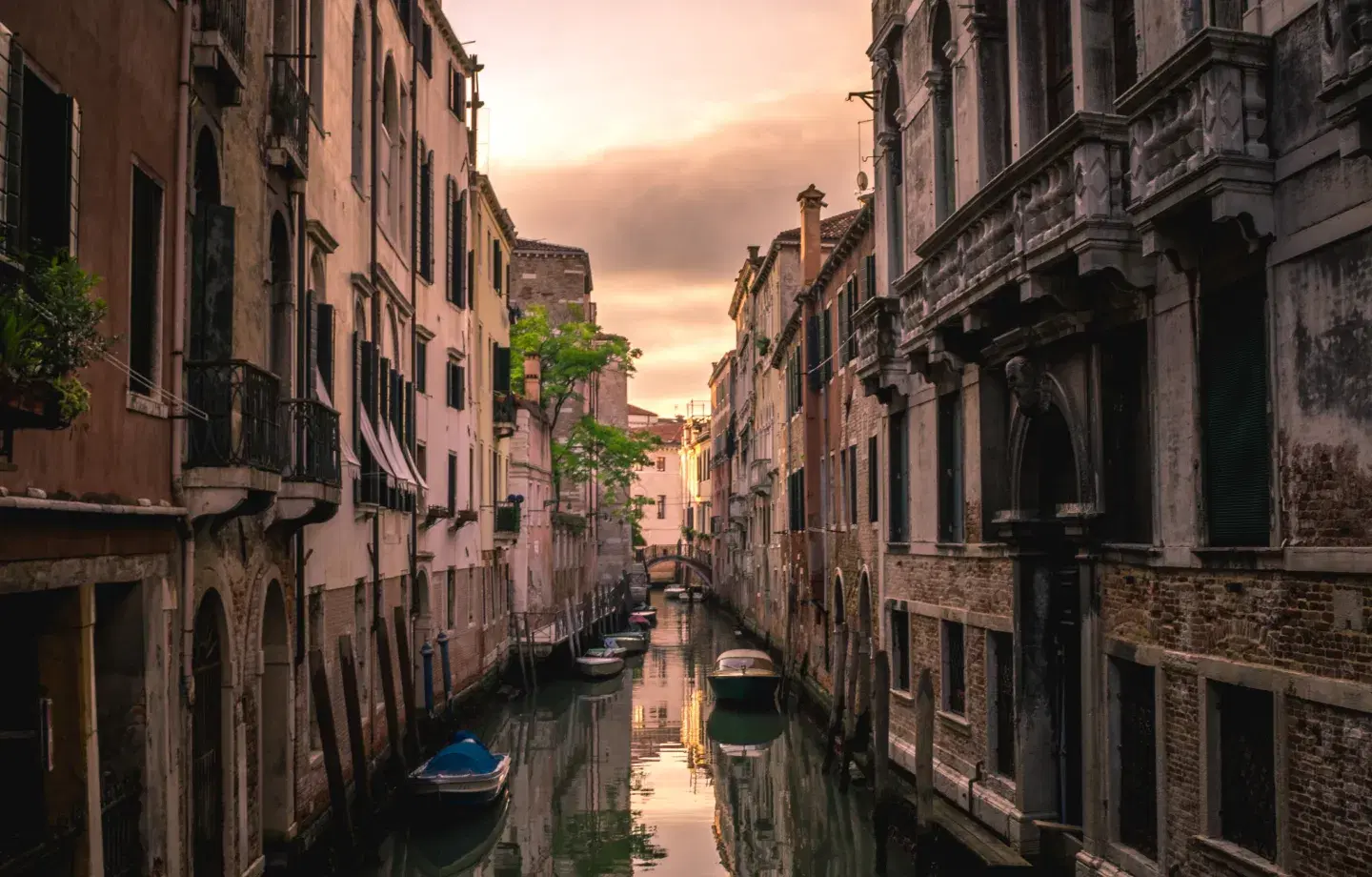
Venice: the city sitting on art and water
5
3 days 2 nights
1 Destinations
From $1,309
in double room
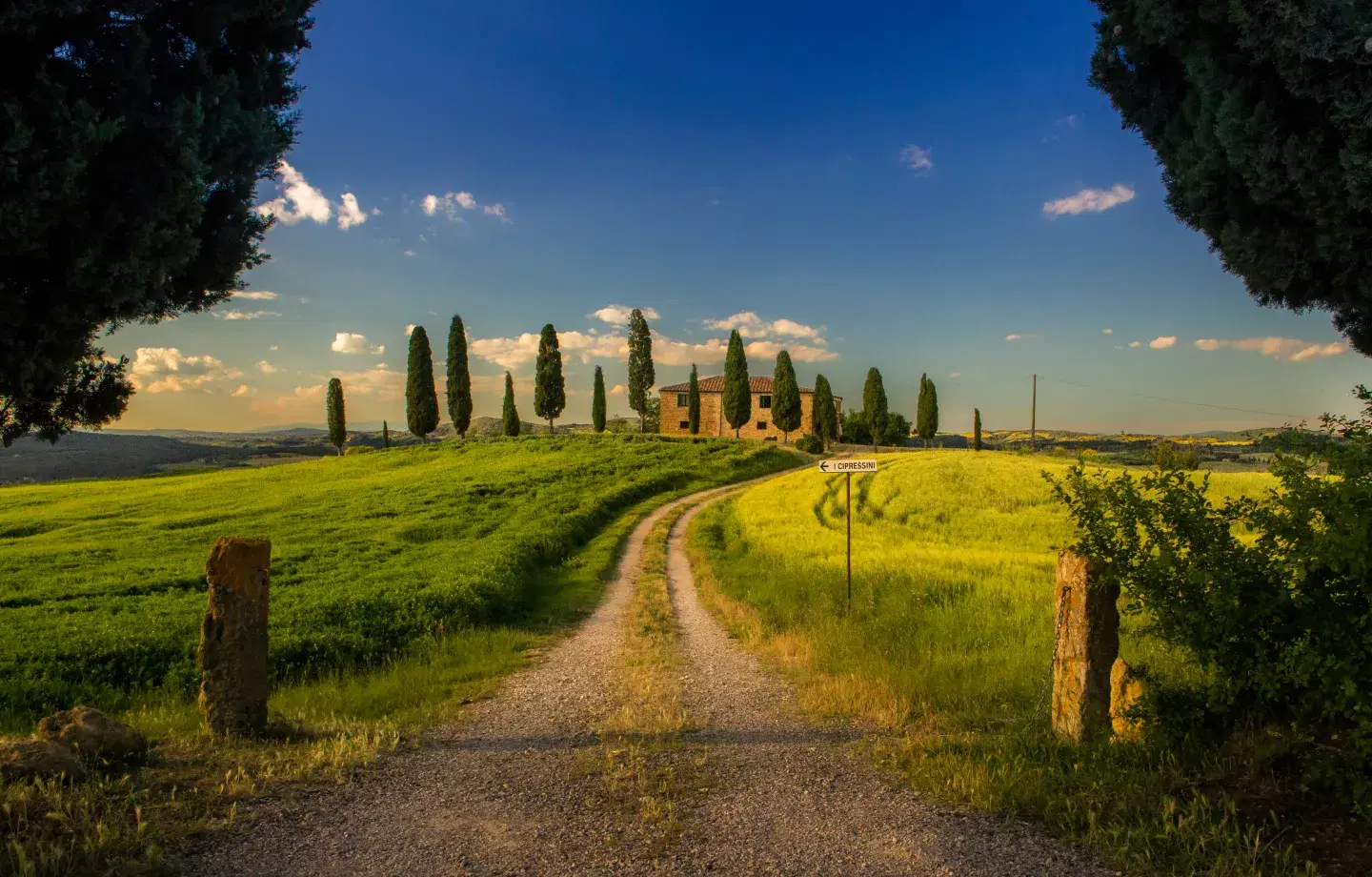
Tuscany: a cultural journey from Florence to Pisa
5 days 4 nights
4 Destinations
From $931
in double room
Rome, Sorrento and the Amalfi Coast: the core of Italian History
5
6 days 5 nights
7 Destinations
From $2,475
in double room
Florence: the cradle of Renaissance
4.5
4 days 3 nights
1 Destinations
From $797
in double room
A complete dive into the Amalfi Coast
4.7
8 days 7 nights
6 Destinations
From $2,723
in double room
Under the Tuscan Sun: wine tours and excursions
4.7
5 days 4 nights
6 Destinations
From $971
in double room
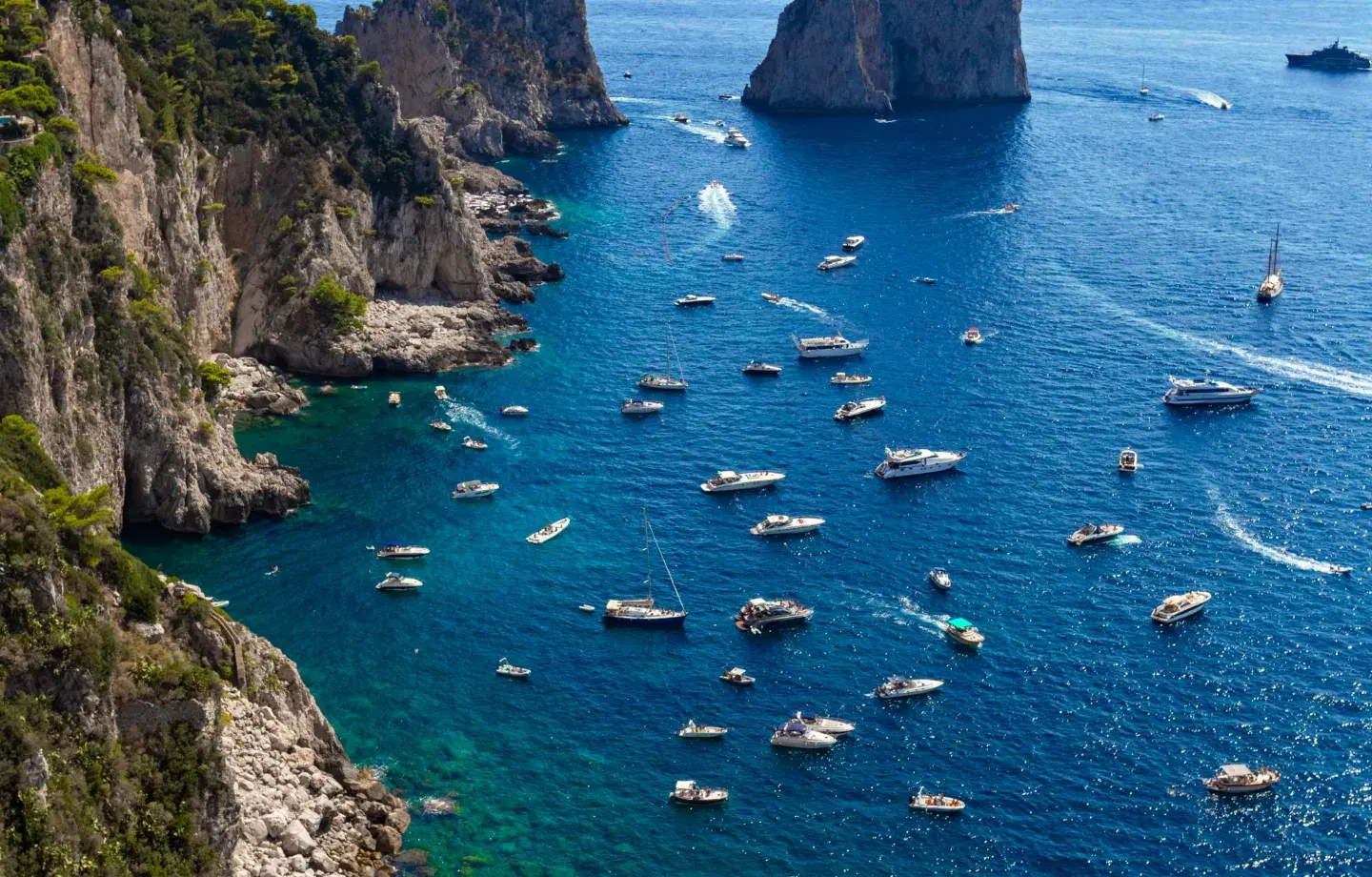
Naples and the Amalfi Coast: the complete experience
4.6
4 days 3 nights
5 Destinations
From $839
in double room
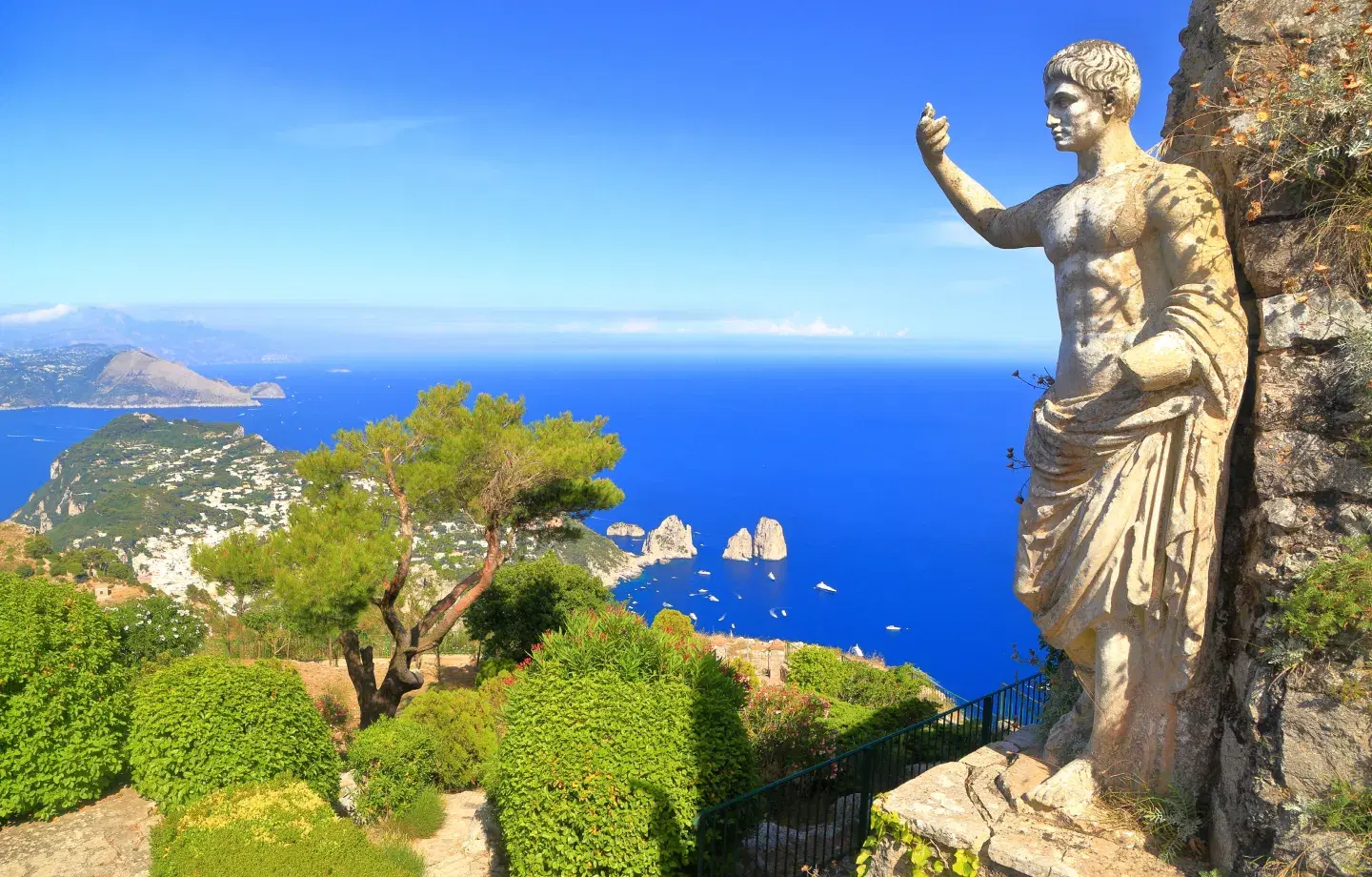
Sorrento and its surroundings: a complete immersion into relax, food and culture
5
6 days 5 nights
7 Destinations
From $2,140
in double room
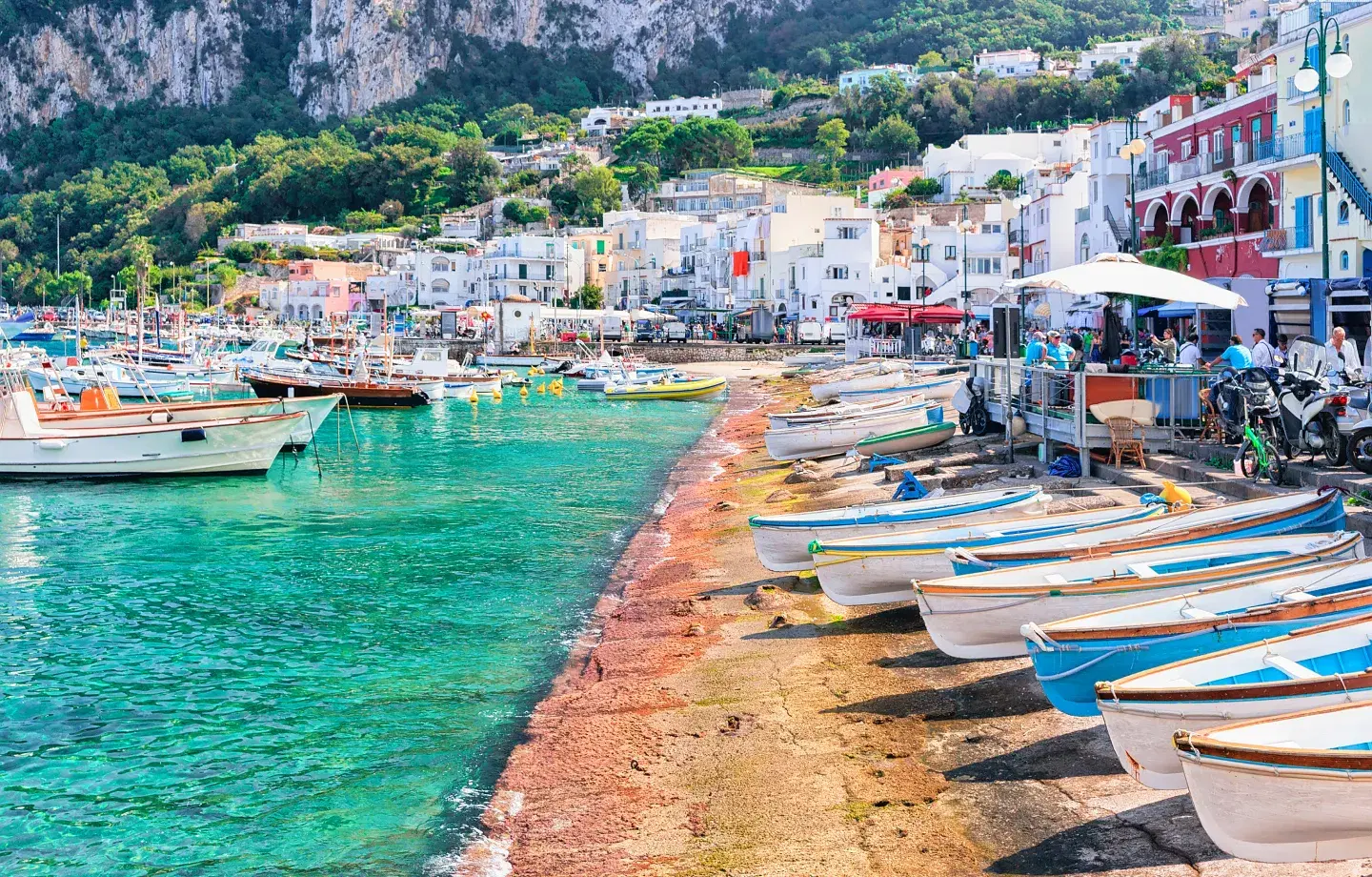
Sorrento: from the Amalfi Coast to Capri and Pompeii
4 days 3 nights
7 Destinations
From $1,782
in double room
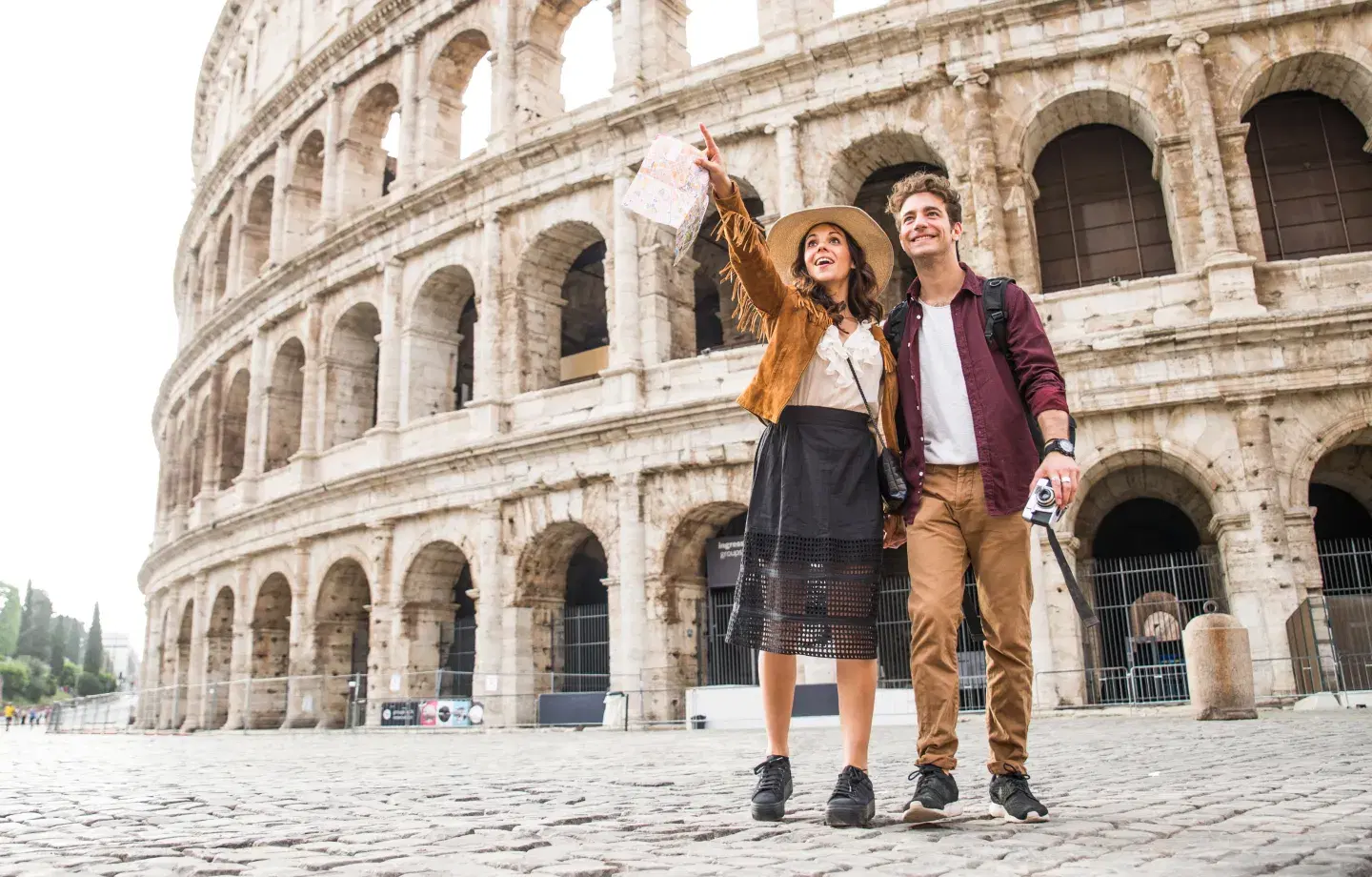
Rome: the classics views of Rome
4.8
4 days 3 nights
1 Destinations
From $976
in double room
Florence: a combination of art and food traditions
4 days 3 nights
1 Destinations
From $979
in double room
Venice, the Prosecco Hills and the Dolomites: from the sea to the mountains
5 days 4 nights
5 Destinations
From $3,501
in double room
Rome: tour of the Eternal City
4.5
3 days 2 nights
1 Destinations
From $1,077
in double room

Rome: art, history and pizza
4.2
5 days 4 nights
2 Destinations
From $2,678
in double room
Florence: Medieval and Renaissance tour
3 days 2 nights
1 Destinations
From $482
in double room