Play Italy
Christmas in Italy is a season of warmth, gathering, and deeply rooted culinary rituals. From Alpine towns dusted with snow to the sunlit southern coasts, festive tables tell stories of centuries-old customs, local ingredients, and family heritage.
This guide explores Italy’s most cherished Christmas food traditions, offering an elegant and practical overview designed to inspire your own festive celebrations - or prepare you for a holiday journey through Italy with refined confidence.
The Italian Christmas Season: A Culinary Journey from December to Epiphany
In Italy, Christmas is not a single day but a gentle progression of rituals spanning from early December to Epiphany on January 6. Households traditionally begin decorating on the Feast of the Immaculate Conception (8 December), while markets, nativity scenes, and regional treats fill towns and cities.
Two moments define the culinary heart of the season:
- Christmas Eve (La Vigilia di Natale): traditionally a meatless evening, often centered around seafood and light, celebratory dishes.
- Christmas Day (Il Giorno di Natale): a generous, multi-course lunch that brings family and friends together, varying beautifully from region to region.
These meals continue into Santo Stefano (26 December) and sometimes through the New Year, with each gathering offering a new expression of Italian hospitality.
Christmas Eve: The Tradition of a Seafood Feast
Christmas Eve, La Vigilia di Natale, is one of the most atmospheric culinary moments in Italy. Rooted in Catholic tradition, the evening was historically designated as a day of “magro”: a meatless meal meant to introduce a sense of simplicity and spiritual preparation before Christmas Day. Over time, this practice blossomed into the richly varied seafood feast that many Italians know and cherish today.
Yet this tradition is not universal across Italy. It is most deeply rooted in Southern Italy and coastal areas, where the abundance of seafood, combined with centuries of religious ritual, shaped Christmas Eve into a true celebration of the sea.
Classic Christmas Eve Dishes
Despite regional variations, several dishes remain emblematic of the southern Vigilia:
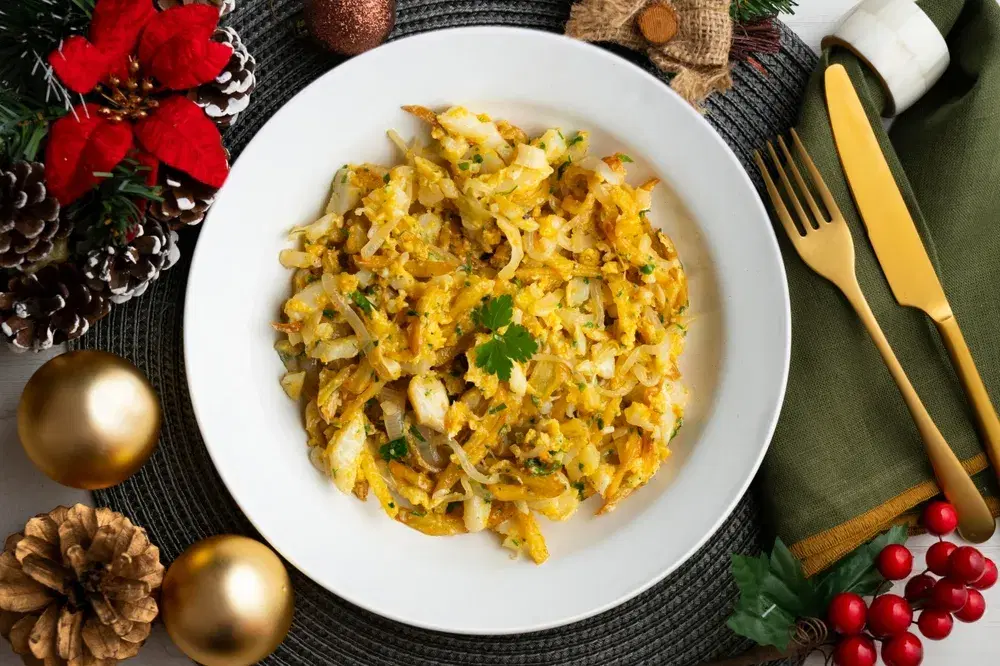
- Baccalà (salt cod) - Introduced centuries ago through maritime trade, baccalà is the uncontested star of the southern Christmas Eve table. Fried in light batter in Naples, simmered with tomatoes and capers in Calabria, or gently stewed in olive oil in Basilicata, it embodies both tradition and local identity.
- Calamari, shrimp, clams, mussels, and mixed seafood pasta - These dishes celebrate the Mediterranean itself - fragrant, plentiful, and deeply tied to daily life along the coast. Spaghetti alle vongole, in particular, is an almost universal presence from Naples to Bari.
- Anguilla (eel) - A symbol of renewal and protection, eel remains an important - if less widespread - component of Christmas Eve in Campania, Lazio, and parts of Veneto. In Naples, its appearance in fish markets is still considered a sign that the holidays have truly begun.
Christmas Day Lunch: Heartfelt, Hearty, and Deeply Regional
Christmas Day marks the culinary heart of the Italian holiday season - a leisurely, abundant lunch shared across generations. While Christmas Eve often carries a sense of anticipation and restraint, Christmas Day embraces warmth, richness, and conviviality.
There is no single, codified “Italian Christmas menu.” Instead, Italy’s extraordinary regional diversity reveals itself most vividly on this day. Each region - and often each family - brings centuries of tradition to the table, transforming local ingredients into dishes that feel timeless and deeply personal.
A Traditional Italian Christmas Day Menu
Though ingredients and preparations vary across the country, many Christmas lunches follow a familiar rhythm, one that encourages lingering at the table and savoring each moment.
- Antipasti - A celebratory opening featuring cured meats, aged regional cheeses, olives, marinated vegetables, and small homemade specialties. In some regions, antipasti may be expansive and leisurely; in others, it remains intentionally light to make room for what follows.
- Primo - A beloved first course that often highlights the region’s culinary identity:
- Tortellini in brodo in Emilia-Romagna, lovingly shaped by hand
- Baked lasagne rich with ragù and béchamel
- Cannelloni, stuffed and roasted until tender
- Risotti, especially in the northern regions where rice fields shape the landscape
- Secondo - Generous meat dishes - roasted, braised, or slowly cooked - served with seasonal vegetables and comforting sides. Lamb, veal, guinea fowl, or turkey may appear depending on regional preference, while northern regions often favor hearty stews grounded in Alpine tradition.
This gentle progression creates a harmonious, unhurried experience, allowing space for conversation, laughter, and memory-making — the essence of Natale at an Italian table.

Distinctive Regional Specialties
Christmas Day is the moment when Italy’s culinary map becomes a tapestry of traditions. Each region prepares dishes shaped by its history, agriculture, climate, and longstanding rituals.
Northern Italy: Comfort from the Alps
In Lombardy, Veneto, Piedmont, and the Alpine regions, Christmas lunch reflects the hearty flavors of winter.
- Risotti enriched with saffron, mushrooms, or radicchio
- Polenta, soft or grilled, often served with braised meats
- Bollito misto with aromatic sauces, a festive staple in Piedmont
- Roasted game or veal, reflecting a mountain-influenced cuisine
These dishes highlight the butter-rich, slow-cooked traditions of northern kitchens.
Central Italy: The Kingdom of Handmade Pasta
From Emilia-Romagna to Tuscany, Umbria, and Lazio, Christmas Day honors the craft of pasta and the warm, rustic flavors of the countryside.
- Tortellini or cappelletti in broth, masterpieces of Emilia-Romagna
- Lasagne al forno, golden and deeply satisfying
- Arrosti - from pork to beef - seasoned with herbs and olive oil
- Traditional soups, such as Tuscan ribollita or Umbrian lentil dishes
Central Italy’s cuisine balances generosity and simplicity, rooted in agricultural heritage.
Southern Italy and the Islands: Vibrant Flavours and Festive Abundance
In Campania, Puglia, Calabria, Sicily, and Sardinia, Christmas Day brings richness, color, and an echo of the seafood enjoyed on Christmas Eve.
- Timballi di pasta, elaborate baked pasta creations
- Roasted or braised lamb, often seasoned with citrus or mountain herbs
- Meat-stuffed vegetables, a hallmark of Mediterranean tradition
- In some areas, continued seafood dishes, especially along the coast
Southern tables overflow with bold aromas, bright flavours, and dishes guided by a deep sense of hospitality.
Sweet Traditions: The Desserts That Define Italian Christmas
Italian Christmas desserts are far more than festive treats - they are symbols of identity, memory, and regional pride. Some have become national icons enjoyed across the country, while others remain deeply rooted in local tradition, tied to centuries-old recipes and family rituals.
Iconic Christmas Sweets
Though born in specific cities, these desserts have transcended their origins to become part of Italy’s shared holiday vocabulary.
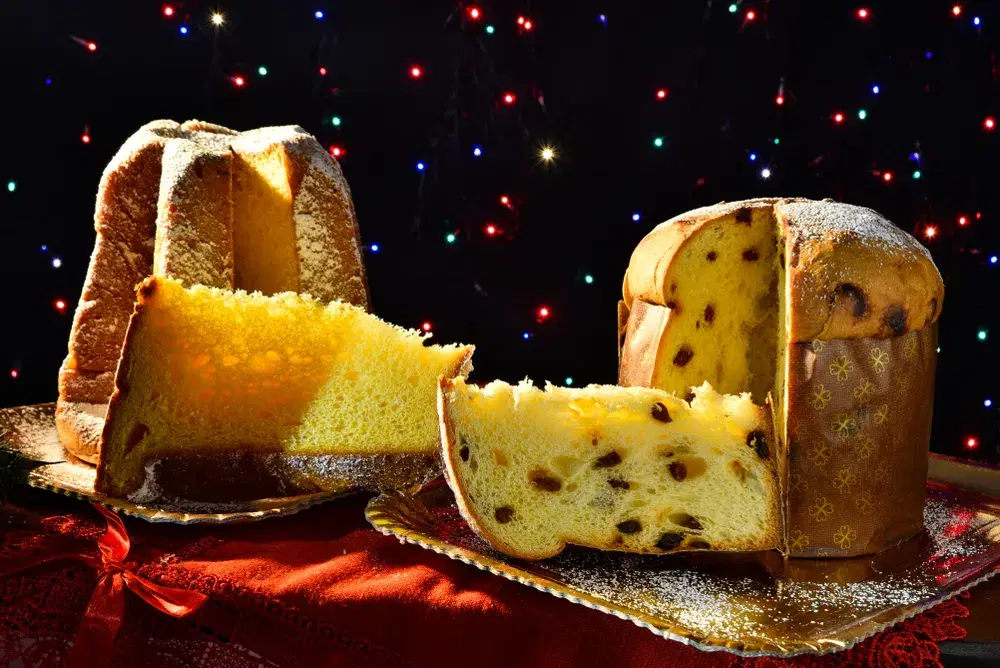
- Panettone - Originating in Milan, this tall, dome-shaped sweet bread is beloved for its airy texture and delicate fragrance of butter, vanilla, and citrus. Traditionally filled with raisins and candied fruit, panettone has inspired endless artisanal variations - from pear and chocolate to pistachio cream and chestnut. Families often enjoy it with a glass of spumante, marking the joyful close of Christmas lunch.
- Pandoro - Hailing from Verona, pandoro is golden, buttery, and cloud-soft, shaped like an eight-pointed star. Its dusting of vanilla-scented sugar recalls snowy Alpine peaks. Simpler than panettone but no less luxurious, it has become a favourite for those who appreciate purity of flavour and a melt-in-the-mouth crumb.
Regional Pastries and Confections
Italy’s regional desserts are storytelling in edible form - shaped by local ingredients, ancient trade routes, and family memory.
- Torrone - A honey-based nougat traditionally made with almonds or hazelnuts. Soft or crunchy depending on the region, it appears in countless variations from Cremona to Sardinia. Its origins trace back centuries, blending Mediterranean flavours with Middle Eastern influences.
- Struffoli - A Neapolitan favourite, these tiny fried dough balls are drenched in warm honey and decorated with candied fruit and colourful sprinkles. Struffoli are as joyful as they are delicious - a symbol of abundance and family celebration.
- Panforte - Siena’s medieval spiced fruit cake, dense with nuts, candied citrus, honey, and warming spices. Its origins date to the time when spices were rare and precious, making panforte a luxury reserved for feast days.
- Ricciarelli - Soft almond cookies from Siena, delicately crackled on the surface and perfumed with citrus zest. Their snowy appearance makes them a natural favourite during the winter holidays.
- Mostaccioli - Deeply spiced, diamond-shaped biscuits from southern Italy, typically coated in dark chocolate. Their flavour evokes ancient recipes, blending cocoa, cinnamon, cloves, and orange peel into something both rustic and festive.
- Cuccidati - Sicily’s beloved fig-filled cookies, enriched with nuts, raisins, orange, cinnamon, and sometimes a touch of Marsala. Often decorated with icing or colourful sprinkles, they reflect Sicily’s layered culinary history influenced by Arab, Spanish, and local traditions.

Bringing Italian Christmas Traditions to Your Table
To recreate an authentic Italian Christmas experience anywhere in the world, consider:
- Preparing a seafood-focused Christmas Eve supper
- Choosing a regional theme for Christmas Day to celebrate Italy’s diversity
- Selecting high-quality, seasonal ingredients and artisan breads or pastries
- Sharing the meaning or story behind each dish - a hallmark of Italian hospitality
With thoughtful preparation and simple, beautiful ingredients, you can bring the flavour and warmth of an Italian Natale to your home.
And while you’re at it, why don’t you gift yourself a vacation to Italy? We’re here to create your personalized itinerary from scratch!
Your unforgettable Italian Journey awaits with Play Italy
Here at Play Italy, we are dedicated to transforming your exploration of Italy's natural wonders into a seamless and unforgettable experience. Whether you're marveling at the majestic peaks of the Dolomites, relaxing by the serene waters of Lake Como, savoring the rolling hills of Tuscany, or soaking in the stunning coastal views of the Amalfi Coast, our Travel Designer service is here to tailor your adventure to your tastes. We ensure that each moment is not just seen but truly experienced.
For more insights on how to weave these natural delights into your travel itinerary, subscribe to our newsletter. Here, we offer expert travel tips, guides to Italy's flora and fauna, and a special discount on your first tour with us! Additionally, our 'How to Book' video tutorial is designed to help you navigate the booking process effortlessly, making your journey from planning to departure as smooth as possible.
Choose one of our tours and let Play Italy open the door to a world where each sight is a story, each landscape a memory. Come play with us and let us turn your Italian holiday into a journey of enchanting nature and unforgettable experiences. Your dream of Italy awaits - let's bring it to life, together.
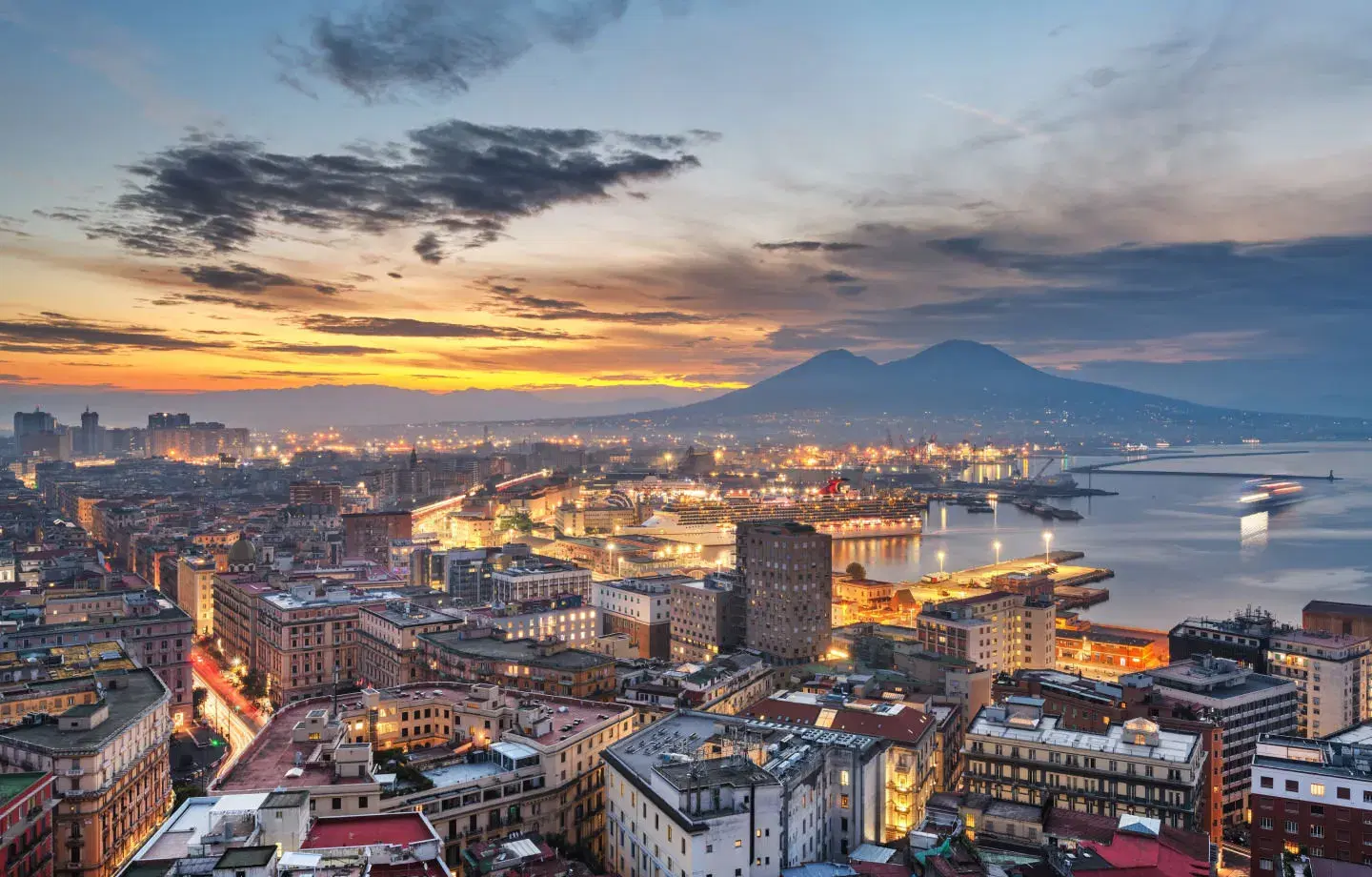
6 Days in Campania: A Culinary Journey Through Mozzarella, Pasta & Wine
6 days 5 nights
7 Destinations
From $2,946
in double room
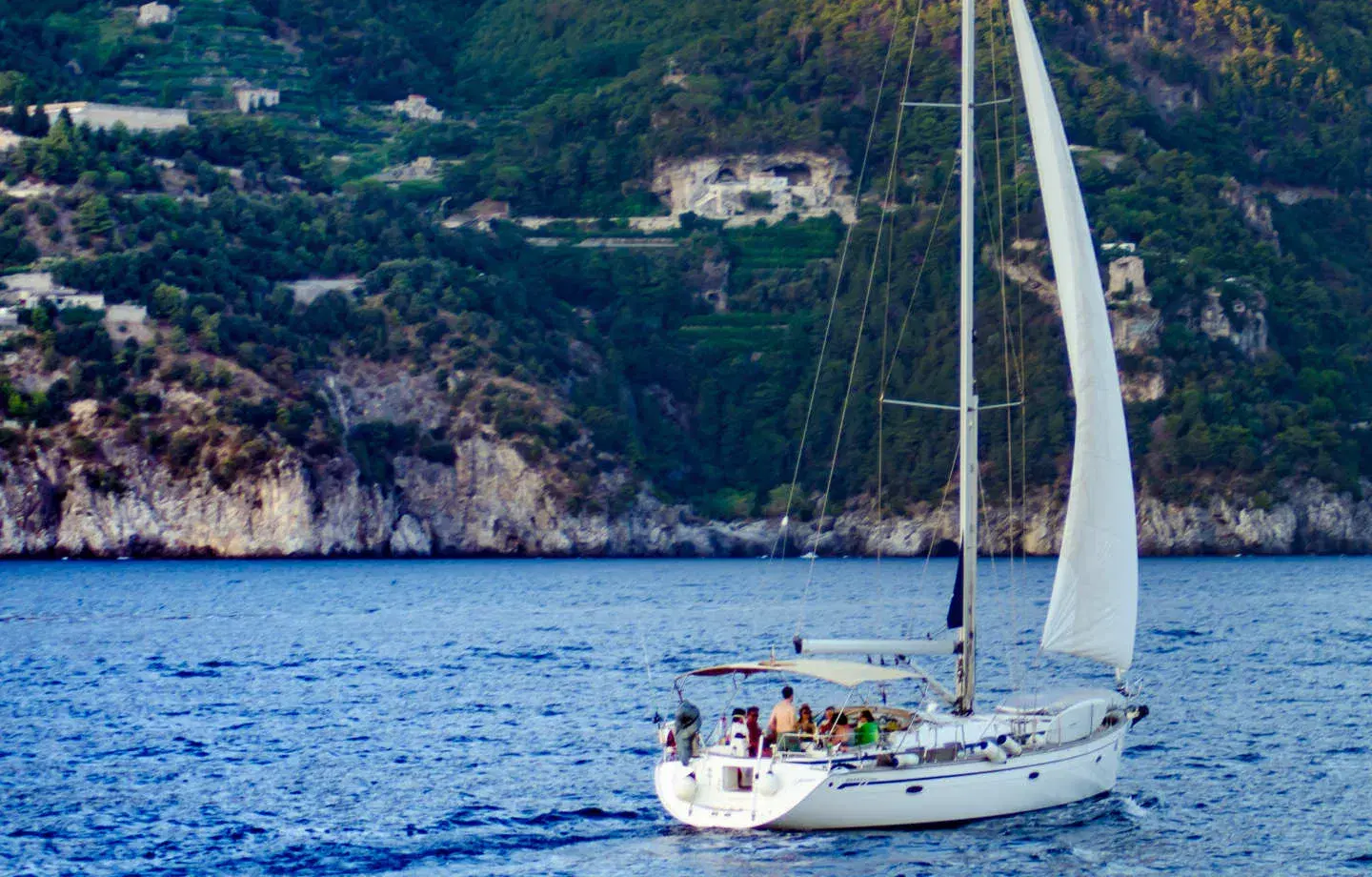
Amalfi Coast Sailing Tour: A Journey Through Glamour and Timeless Beauty
5 days 4 nights
5 Destinations
From $5,090
in double room
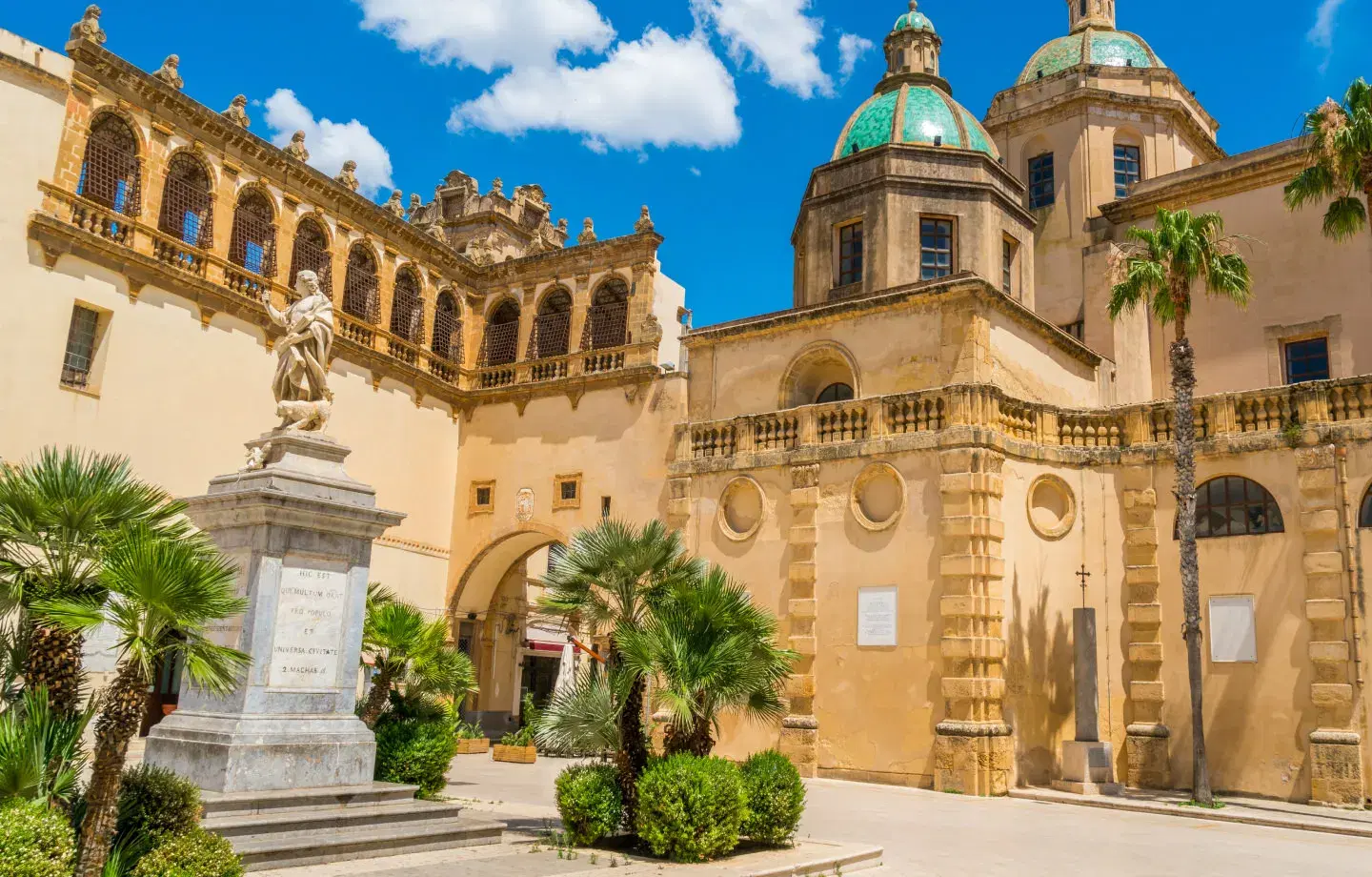
Western Sicily: Palermo, Erice & the Hidden Gems of the Coast
6 days 5 nights
7 Destinations
From $2,990
in double room

Italy in 17 days: culture, discoveries and surprises
17 days 16 nights
17 Destinations
From $6,823
in double room
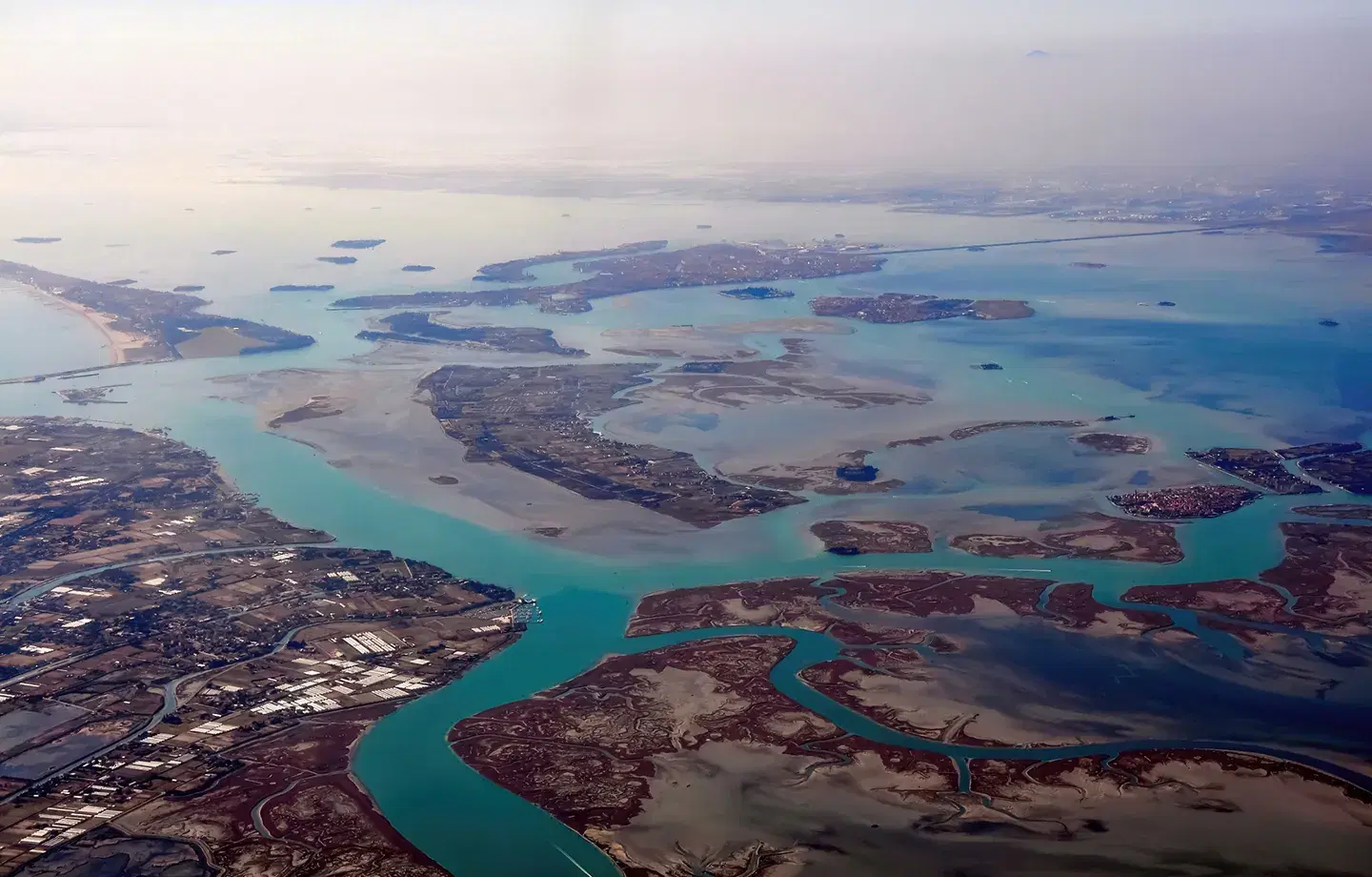
Sustainable Venice: Lagoon, Traditions & Local Flavors
3 days 2 nights
1 Destinations
From $870
in double room
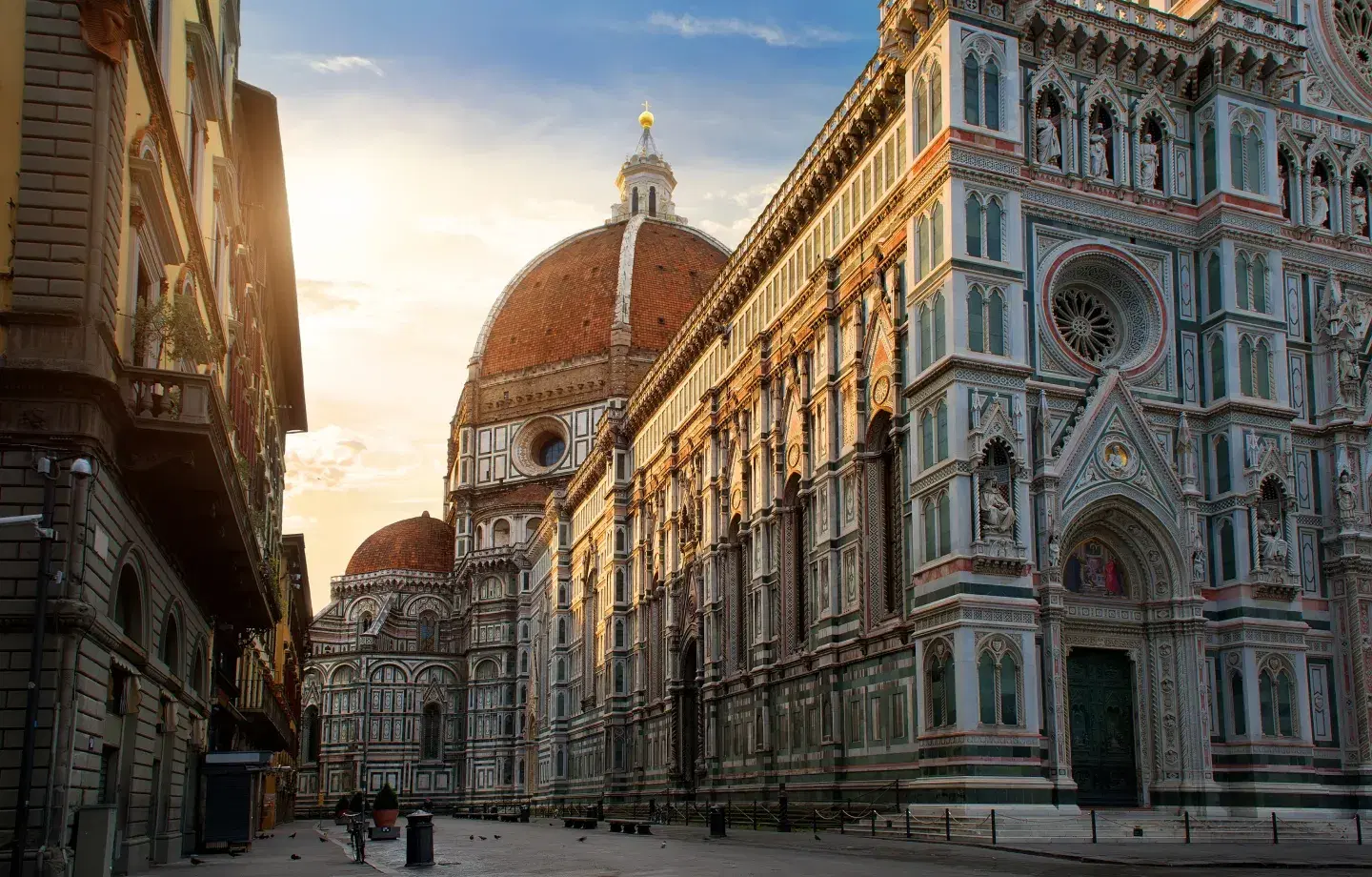
Rome, Florence and Tuscany: the ultimate trip for history and art
4.8
6 days 5 nights
5 Destinations
From $1,791
in double room
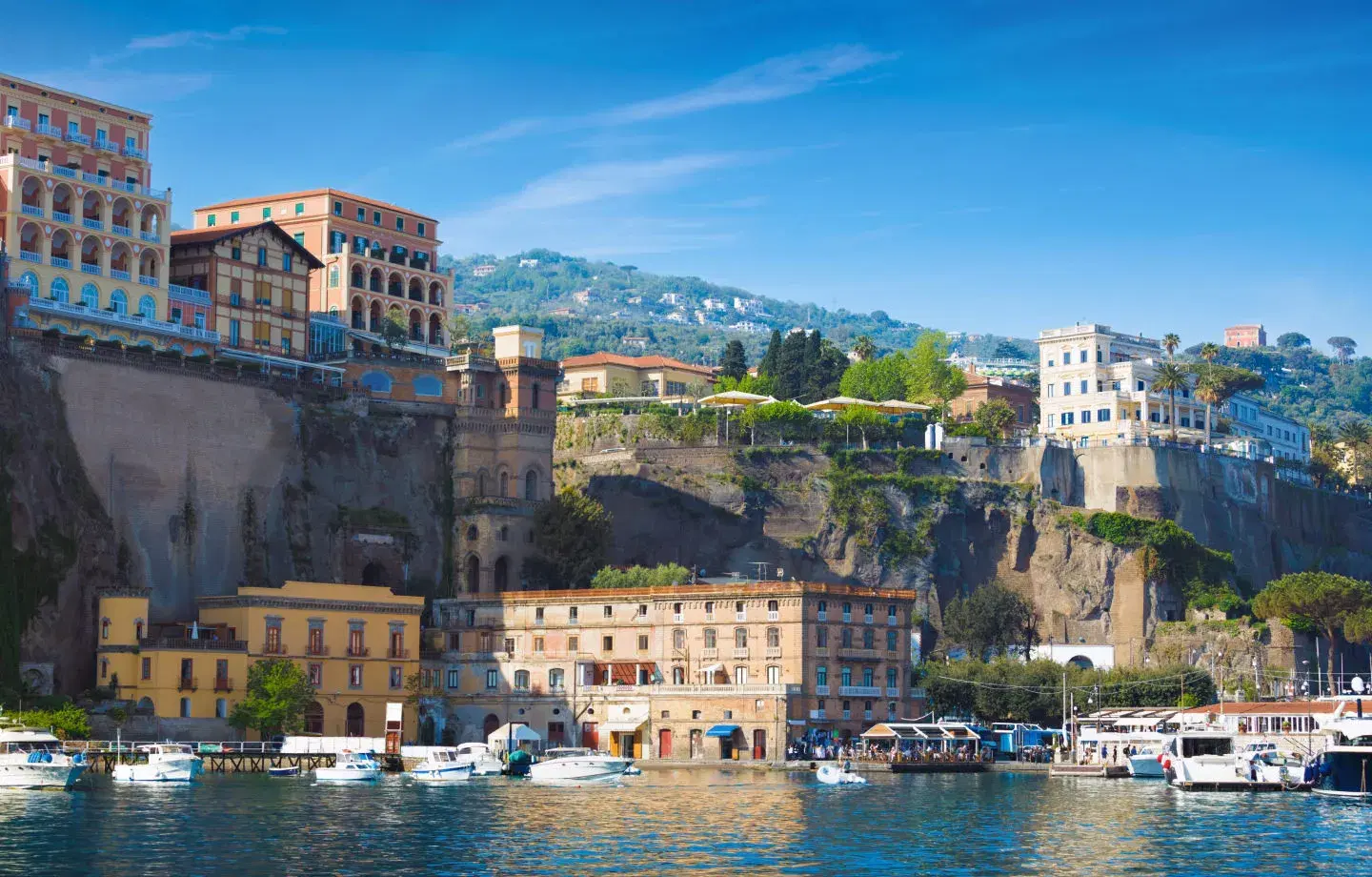
From Grain to Plate: Gragnano Pasta, Mozzarella, and Local Flavors Tour
7 days 6 nights
7 Destinations
From $3,102
in double room
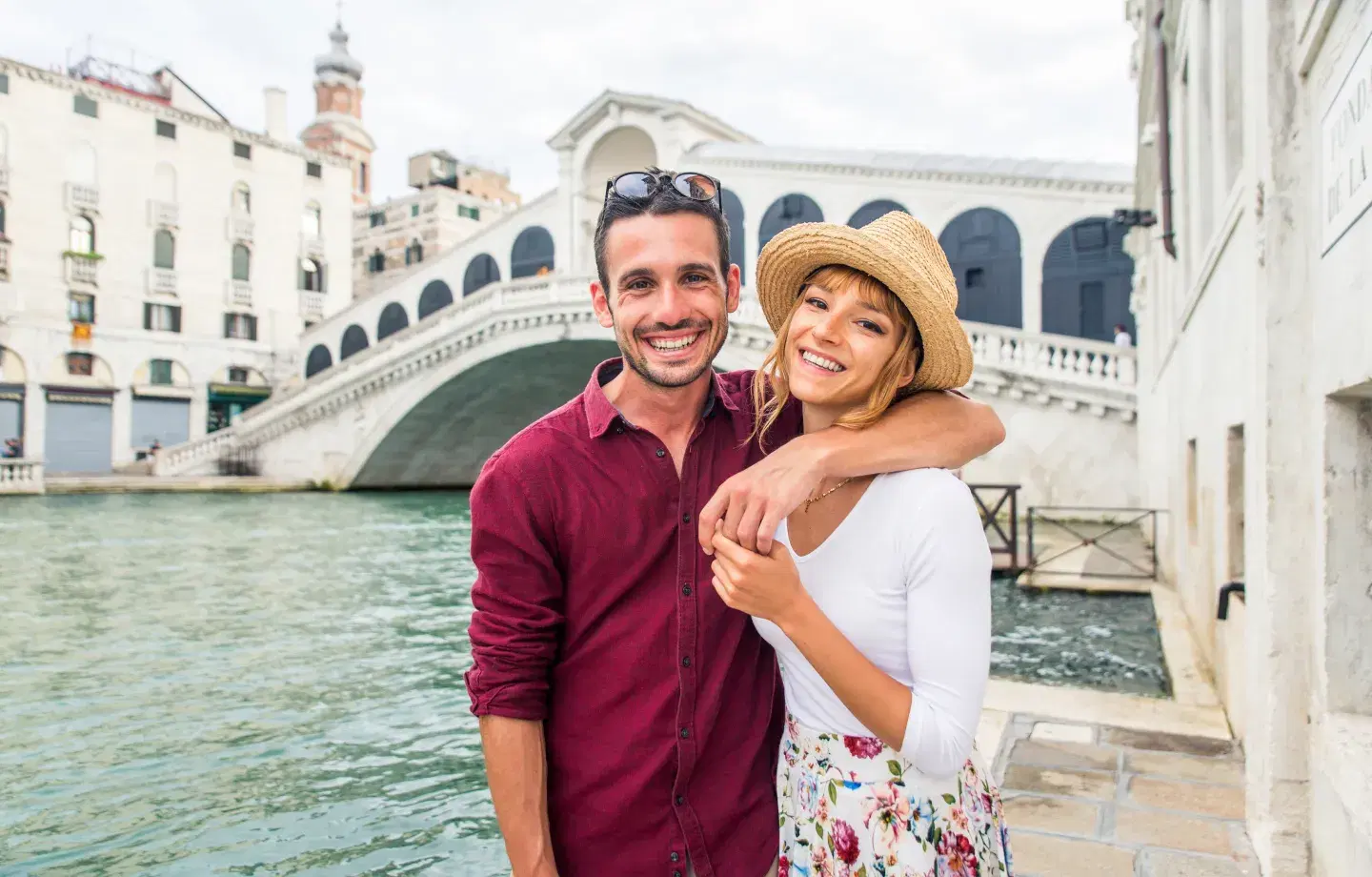
Venice: the true Venetian experience
5
4 days 3 nights
1 Destinations
From $1,691
in double room

Venice, the Prosecco Hills and the Dolomites: from the sea to the mountains
5 days 4 nights
5 Destinations
From $3,501
in double room
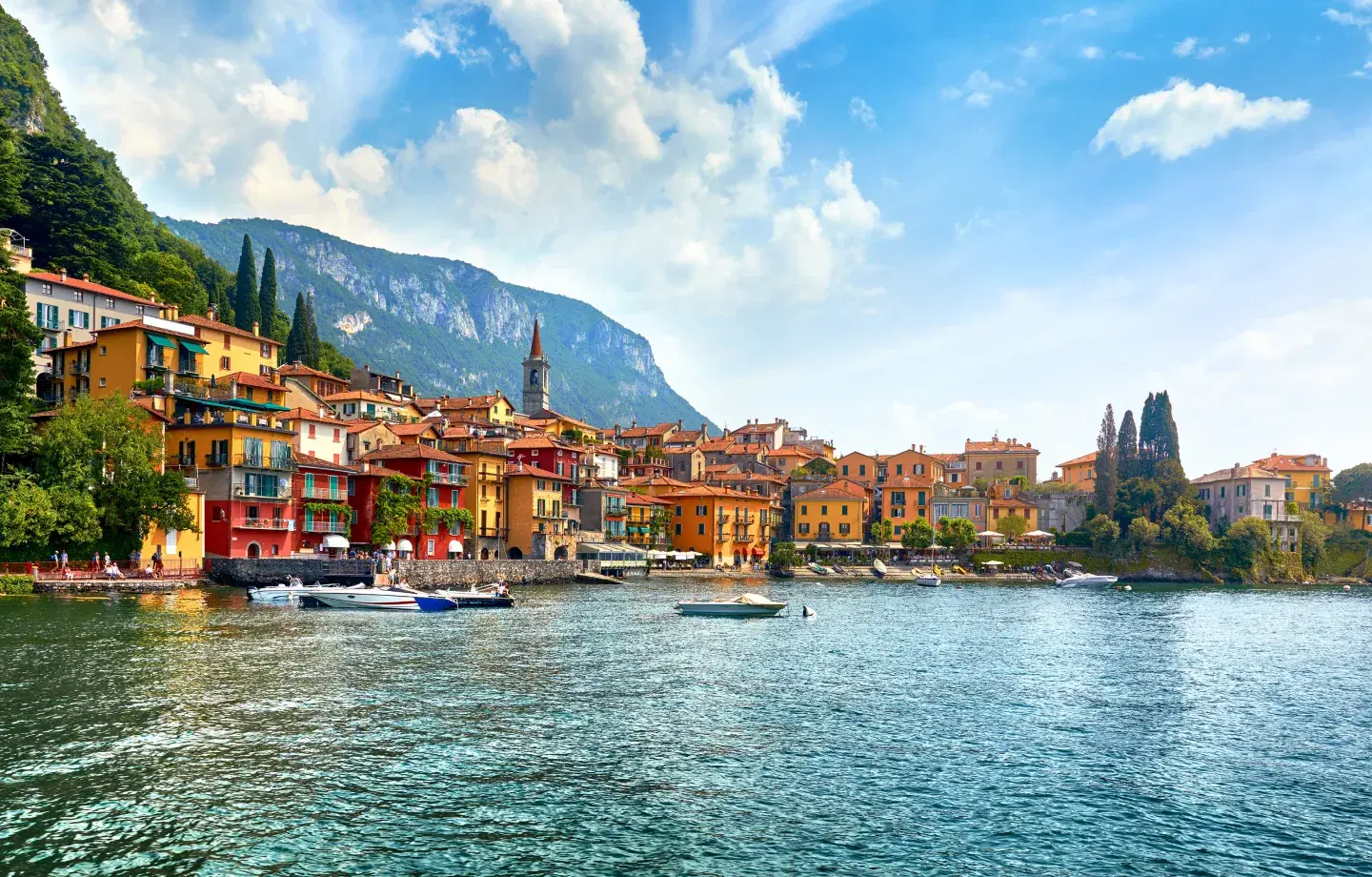
Lake Como and Bernina Express: a view from St. Moritz
4 days 3 nights
3 Destinations
From $1,786
in double room
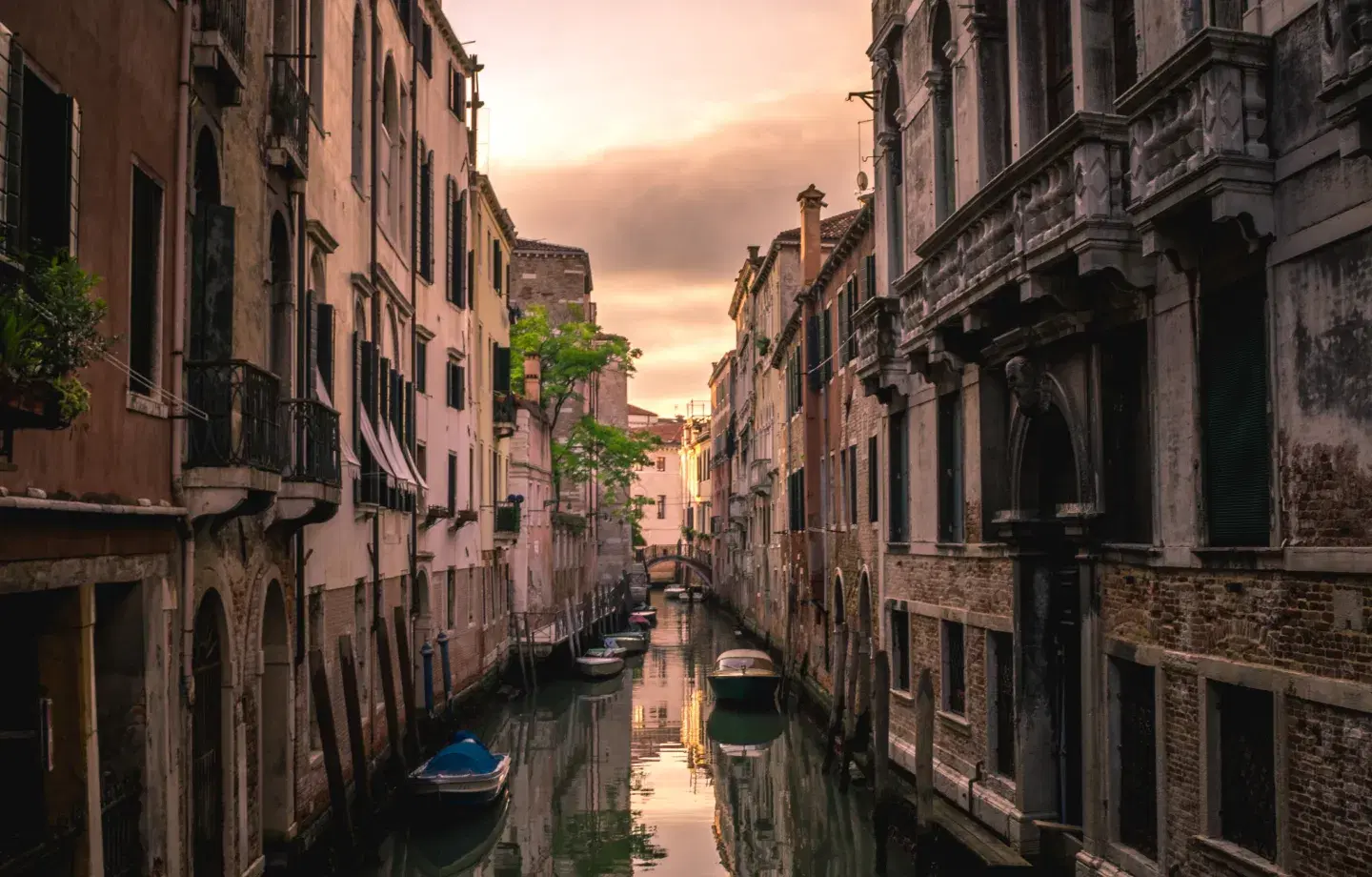
Venice: the city sitting on art and water
5
3 days 2 nights
1 Destinations
From $1,309
in double room
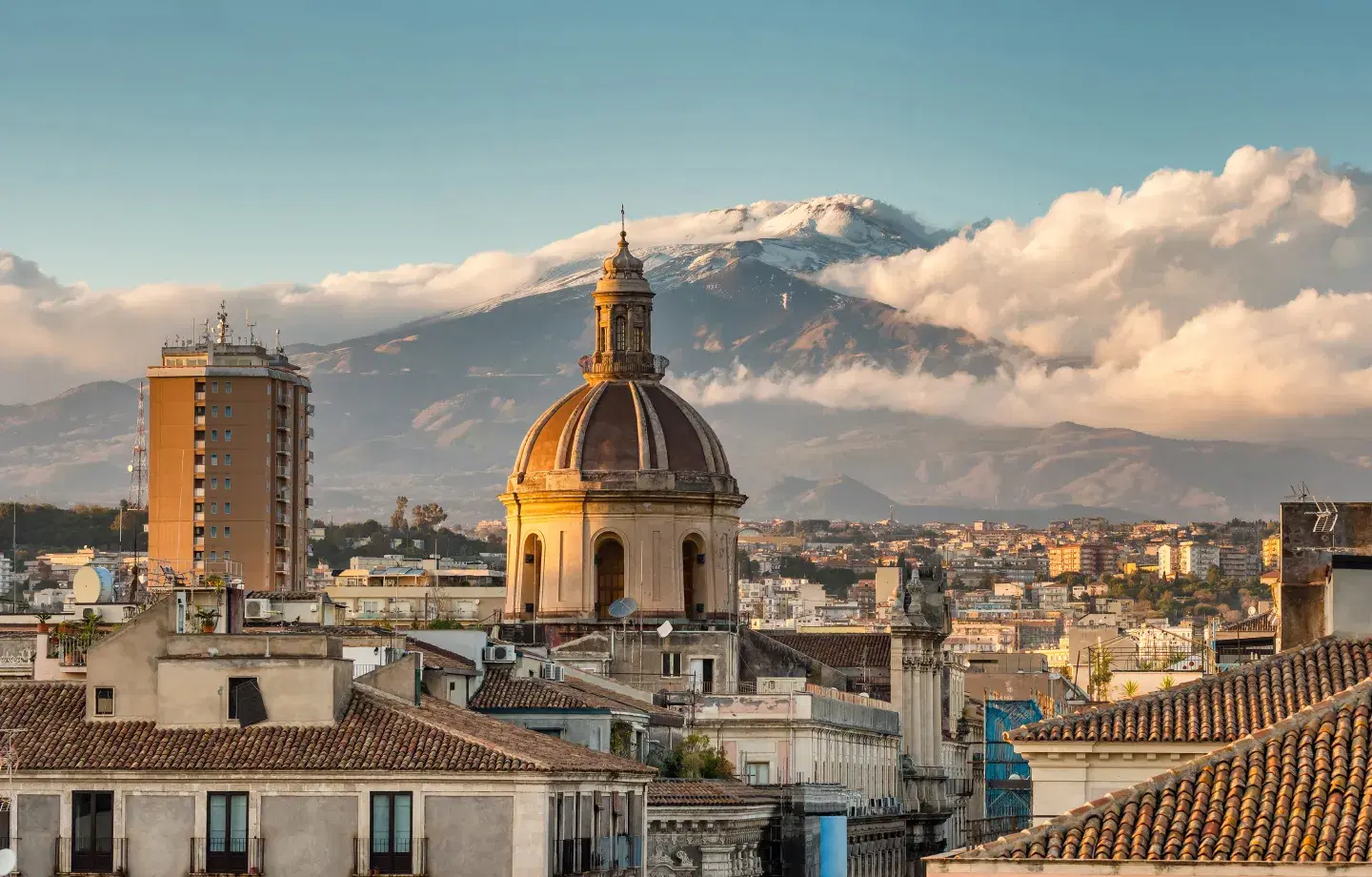
Sicily: a full immersion into the enchanting Mediterranean Island
5
8 days 7 nights
8 Destinations
From $7,586
in double room
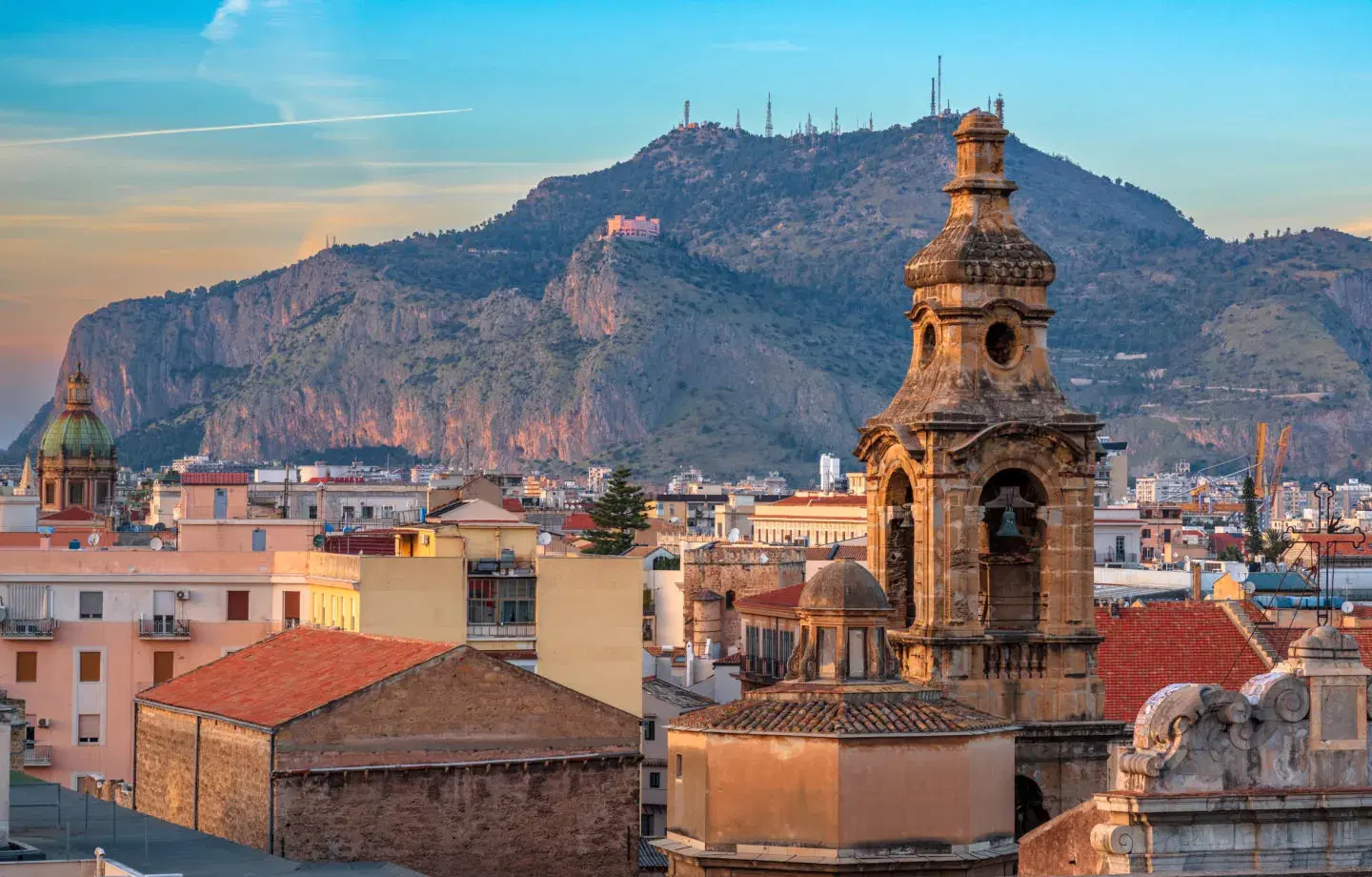
Palermo Short Break: a Culinary & Cultural Escape
3 days 2 nights
2 Destinations
From $750
in double room
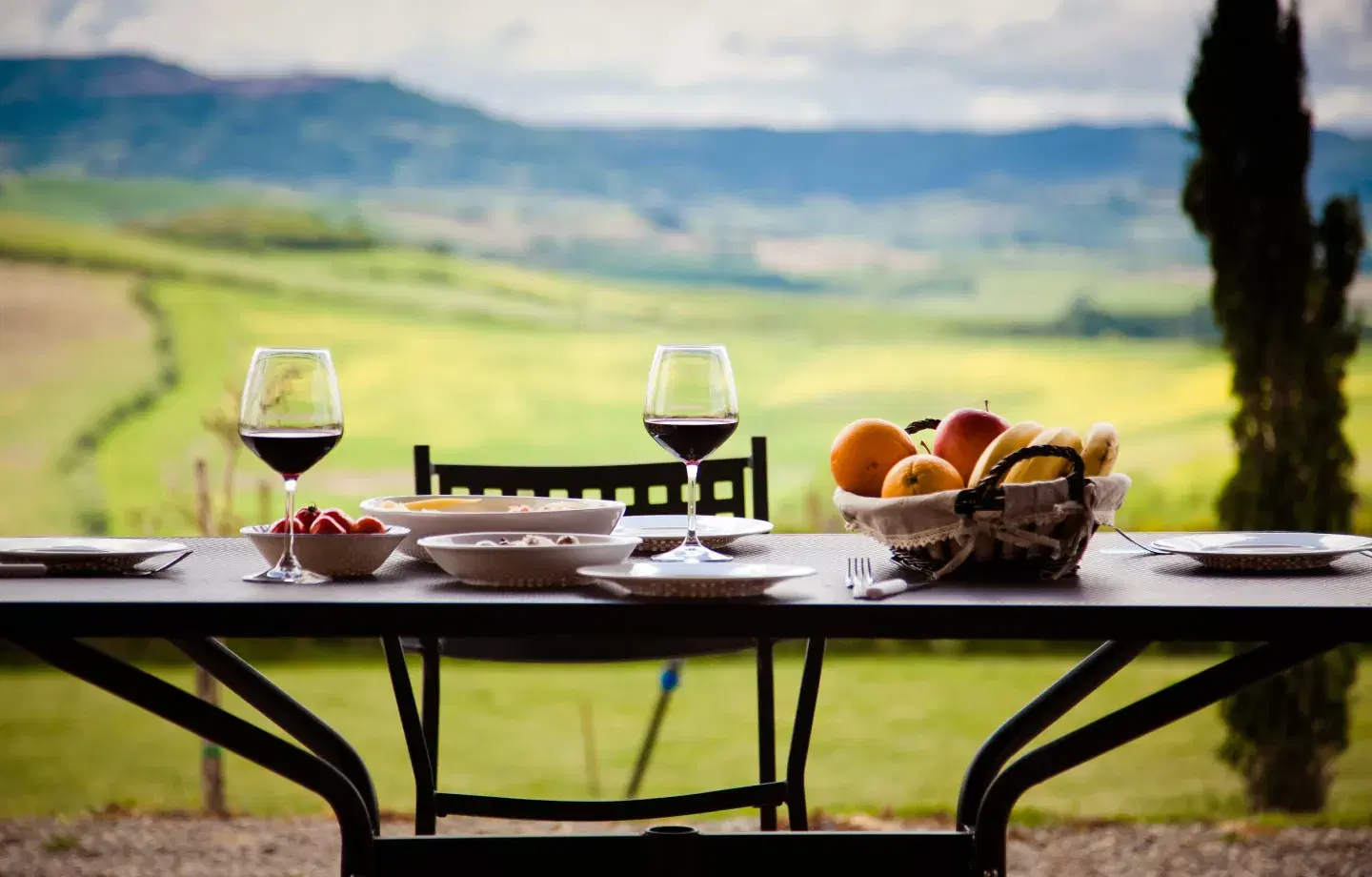
Tuscany Harvest Tour: Chianti Wine & Vineyard Experience
5 days 4 nights
2 Destinations
From $3,467
in double room
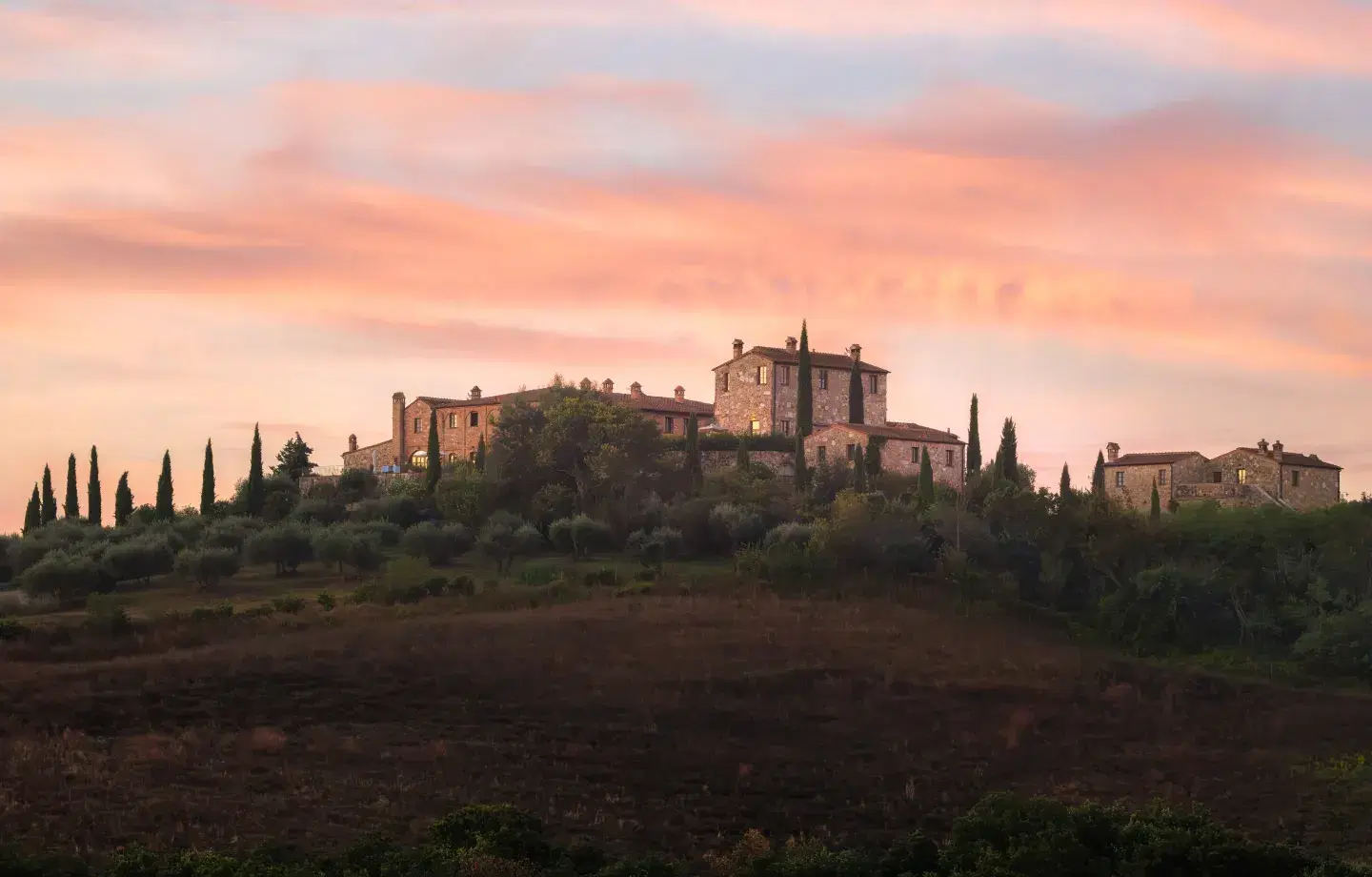
Wellness Retreat in the Umbrian Hills: Piloga, Organic Wines & SPA
3 days 2 nights
1 Destinations
From $1,015
in double room
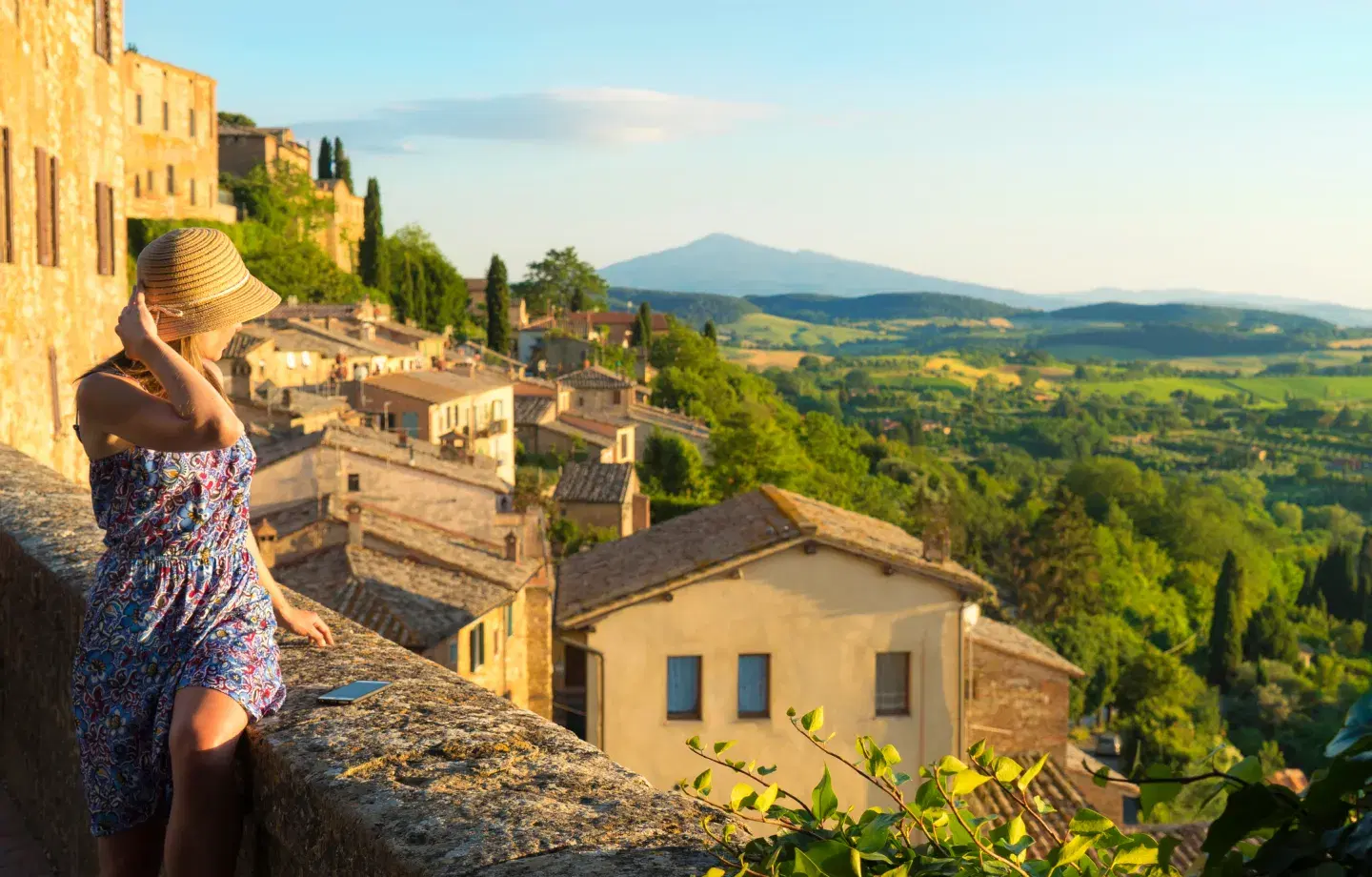
Under the Tuscan Sun: wine tours and excursions
4.7
5 days 4 nights
6 Destinations
From $971
in double room
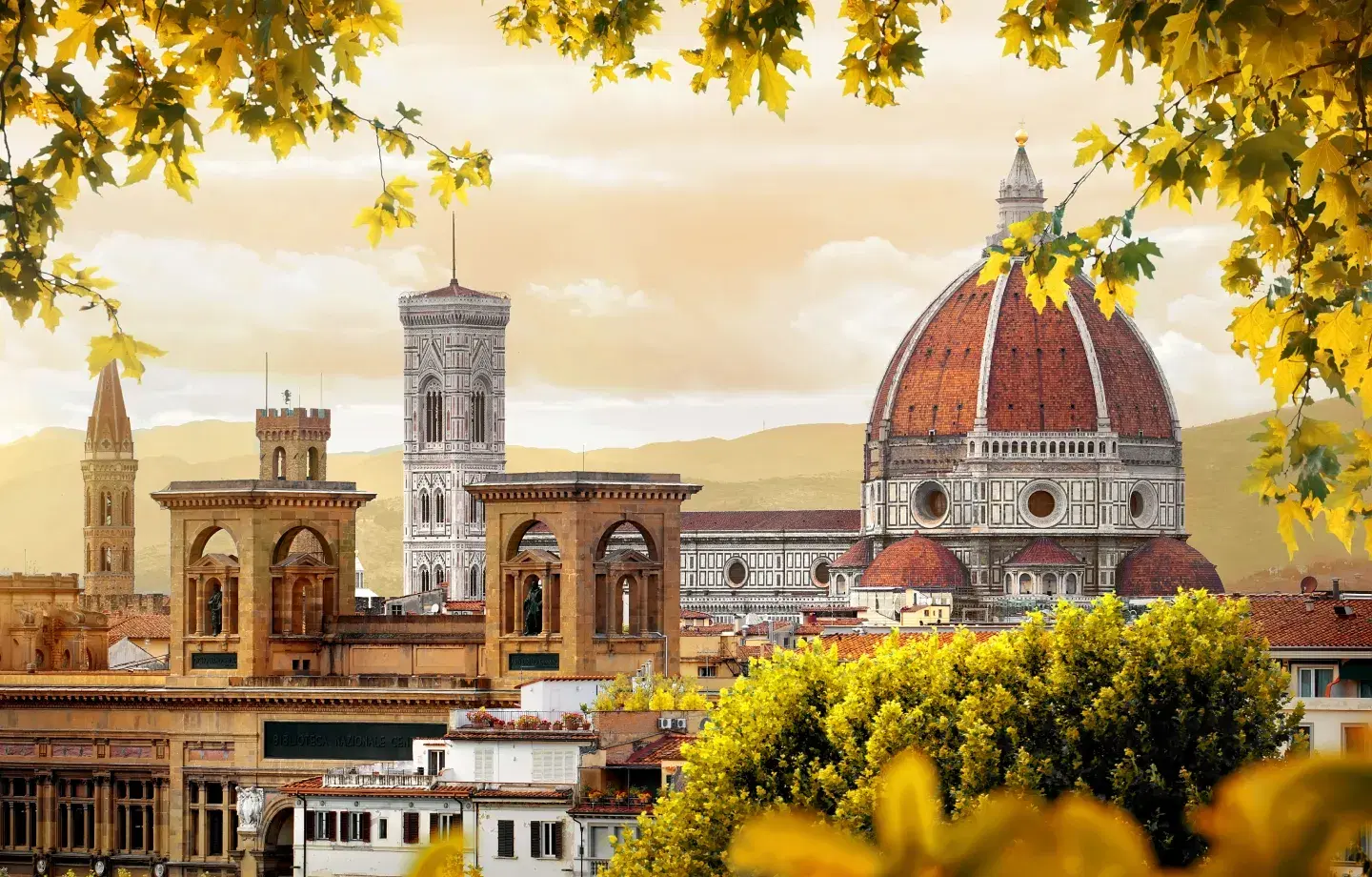
Florence: the cradle of Renaissance
4.5
4 days 3 nights
1 Destinations
From $797
in double room
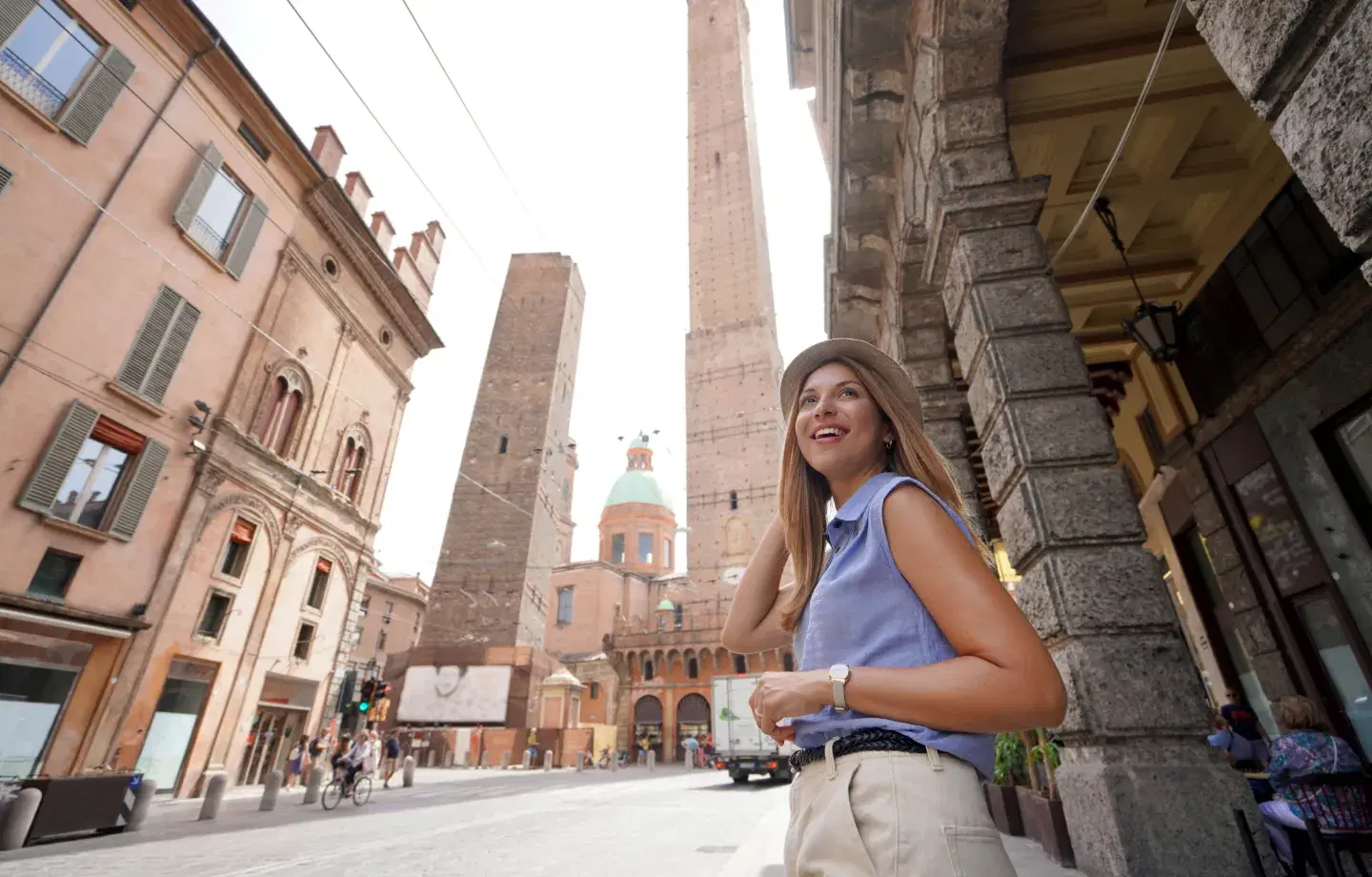
Bologna: from food tours, cultural experiences to the Motor Valley
4.6
4 days 3 nights
4 Destinations
From $2,157
in double room
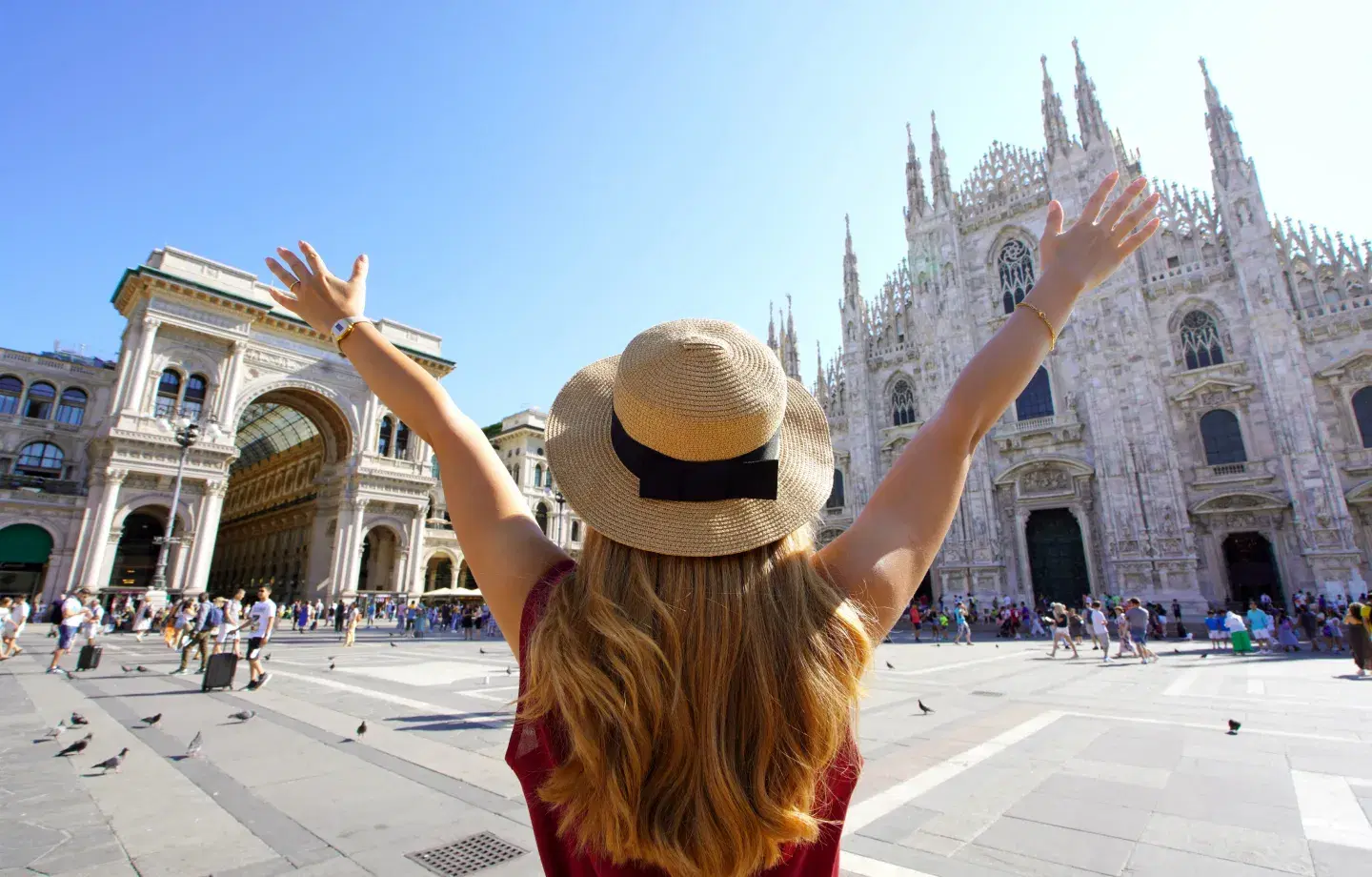
Milan, Lake Como & Venice: landscapes and history from the North
5
6 days 5 nights
4 Destinations
From $2,630
in double room
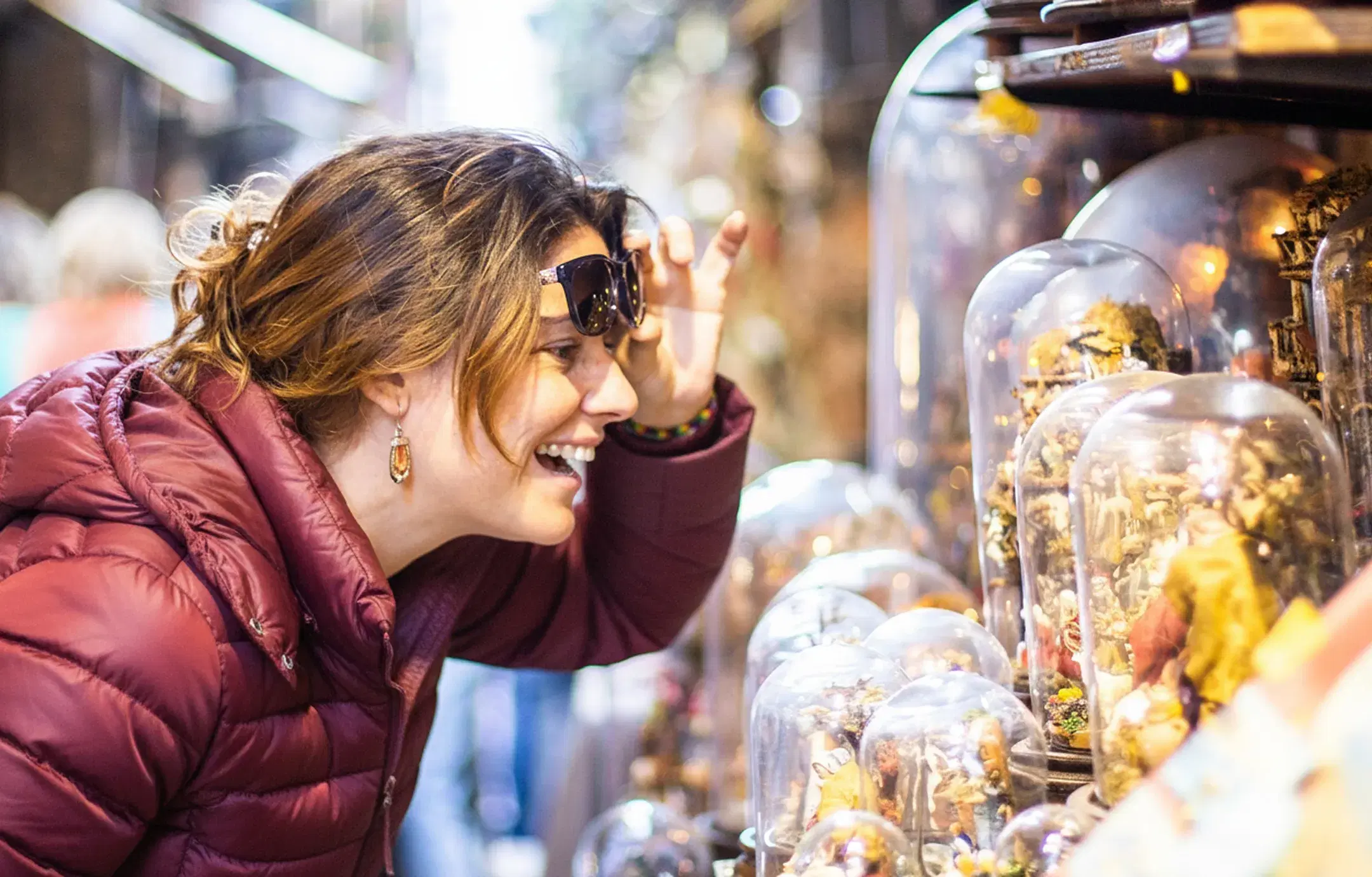
The Heart of Naples: A Christmas Itinerary in the City of Wonders
4 days 3 nights
5 Destinations
From $1,146
in double room
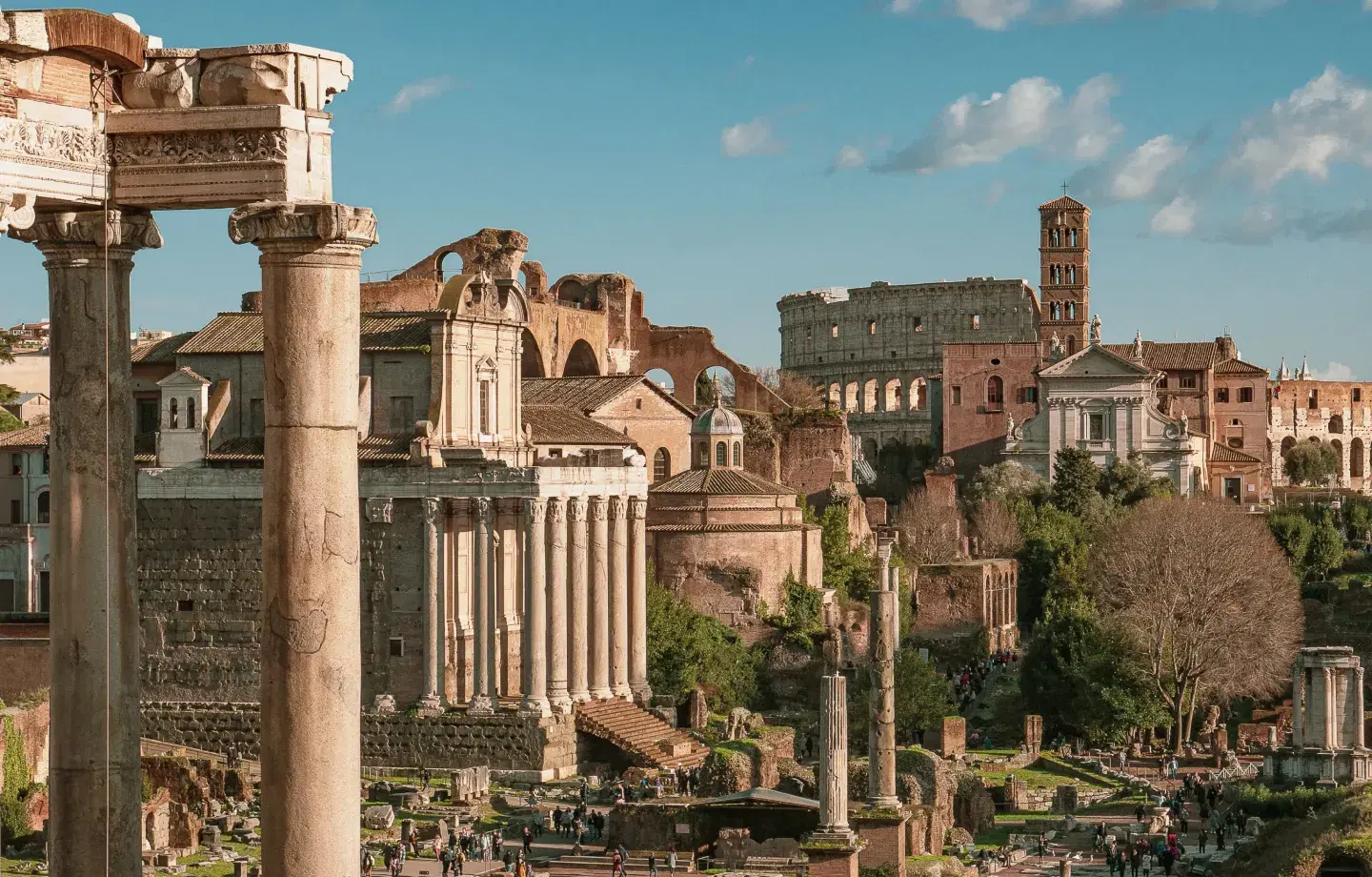
Rome: tour of the Eternal City
4.5
3 days 2 nights
1 Destinations
From $1,077
in double room

Taste of Time: 4-Day Culinary & Archaelogical Tour of Campania
4 days 3 nights
6 Destinations
From $1,543
in double room
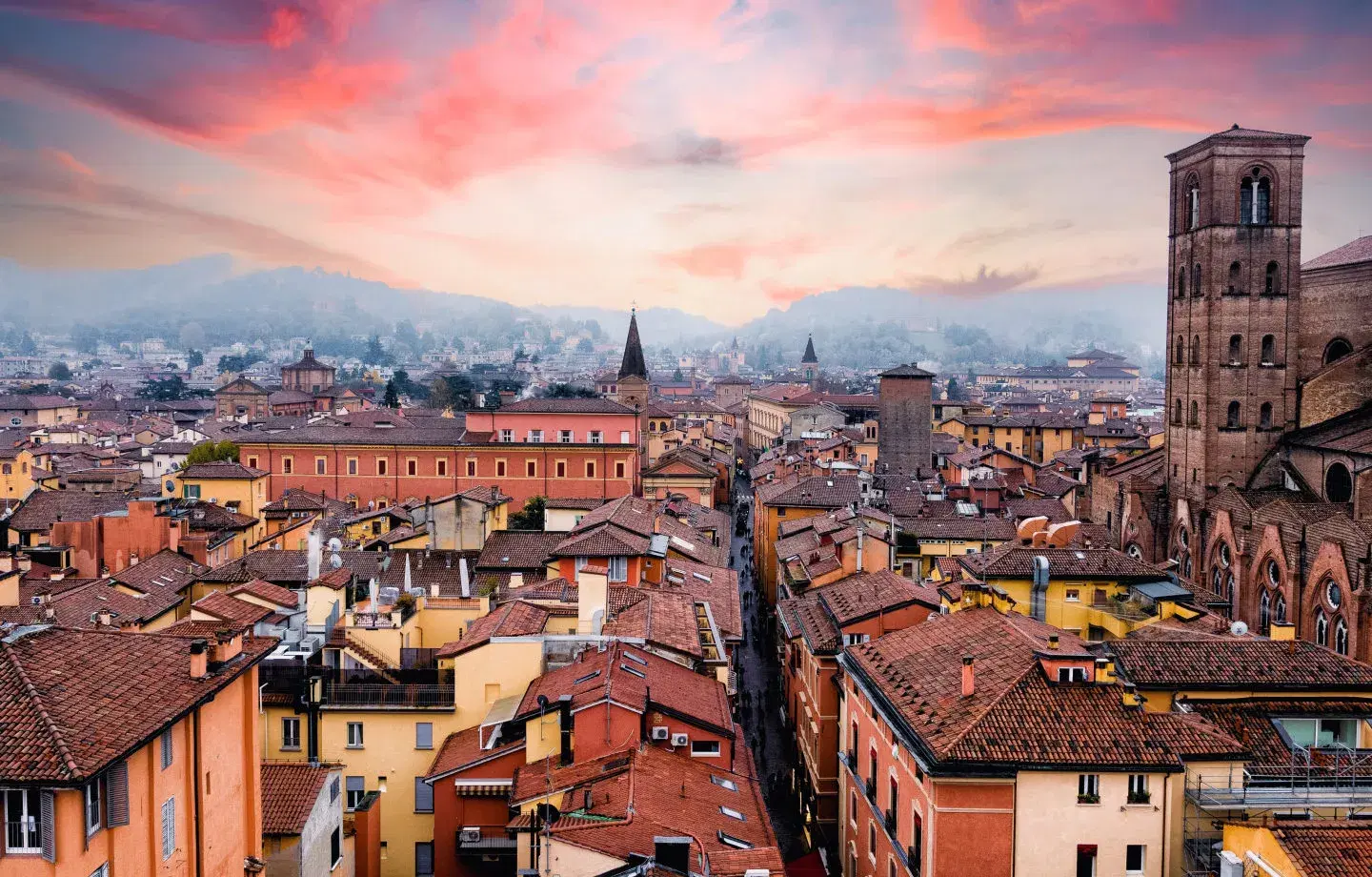
Slow Travel in Emilia Romagna: Discover Bologna, Ferrari, Parma & Adriatic Coast
6 days 5 nights
7 Destinations
From $5,300
in double room
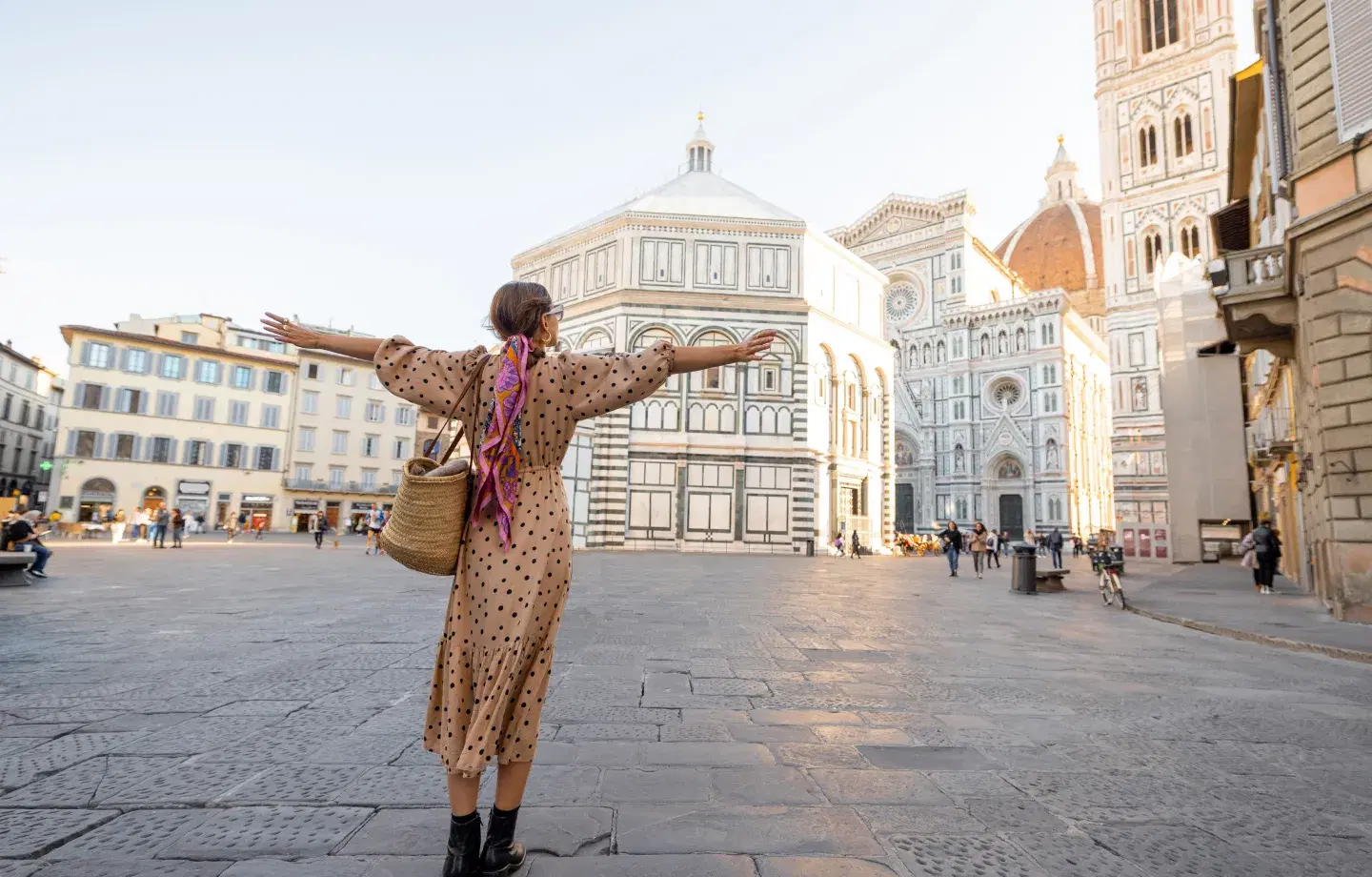
Florence: Medieval and Renaissance tour
3 days 2 nights
1 Destinations
From $482
in double room
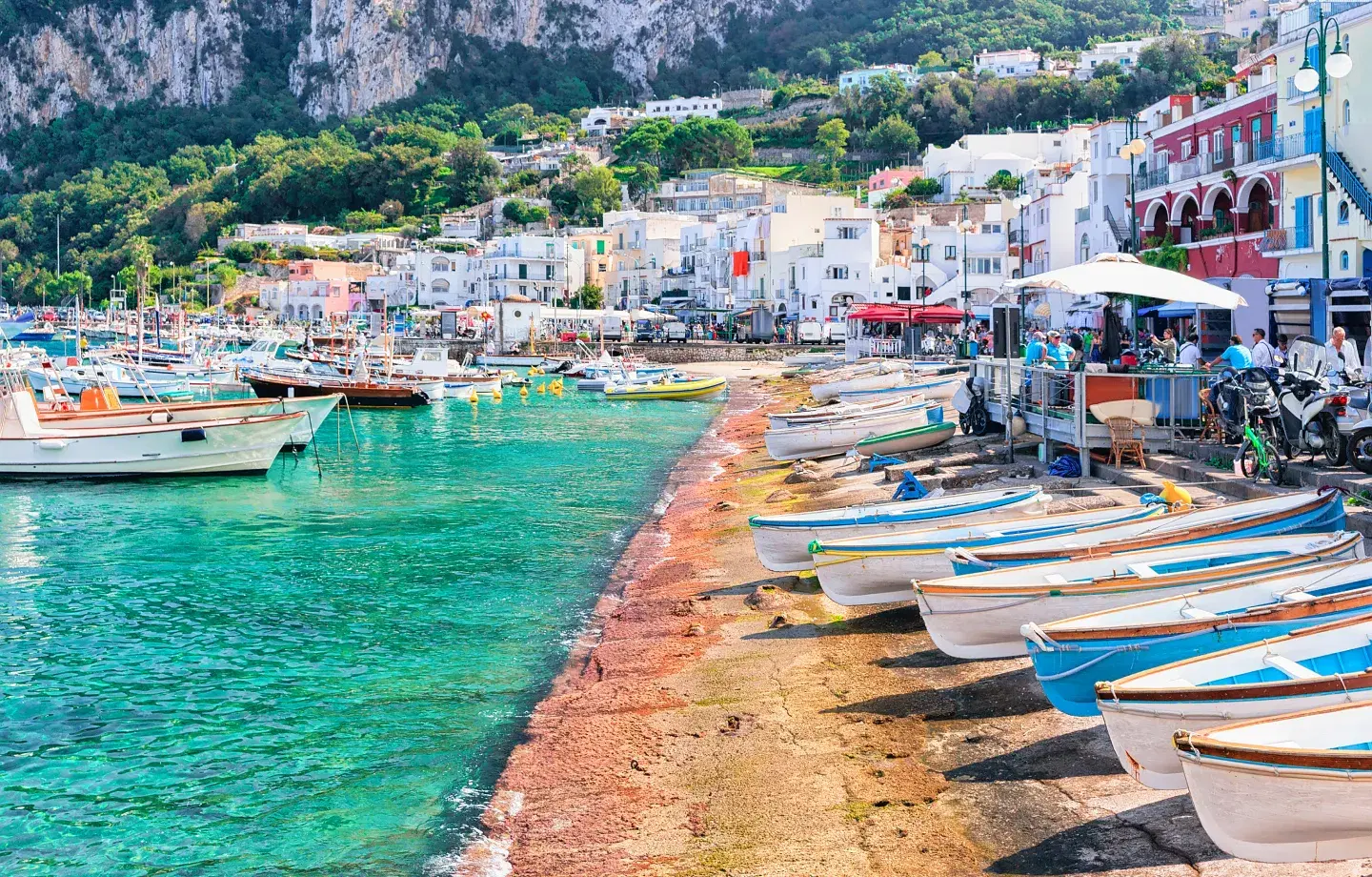
Sorrento: from the Amalfi Coast to Capri and Pompeii
4 days 3 nights
7 Destinations
From $1,782
in double room
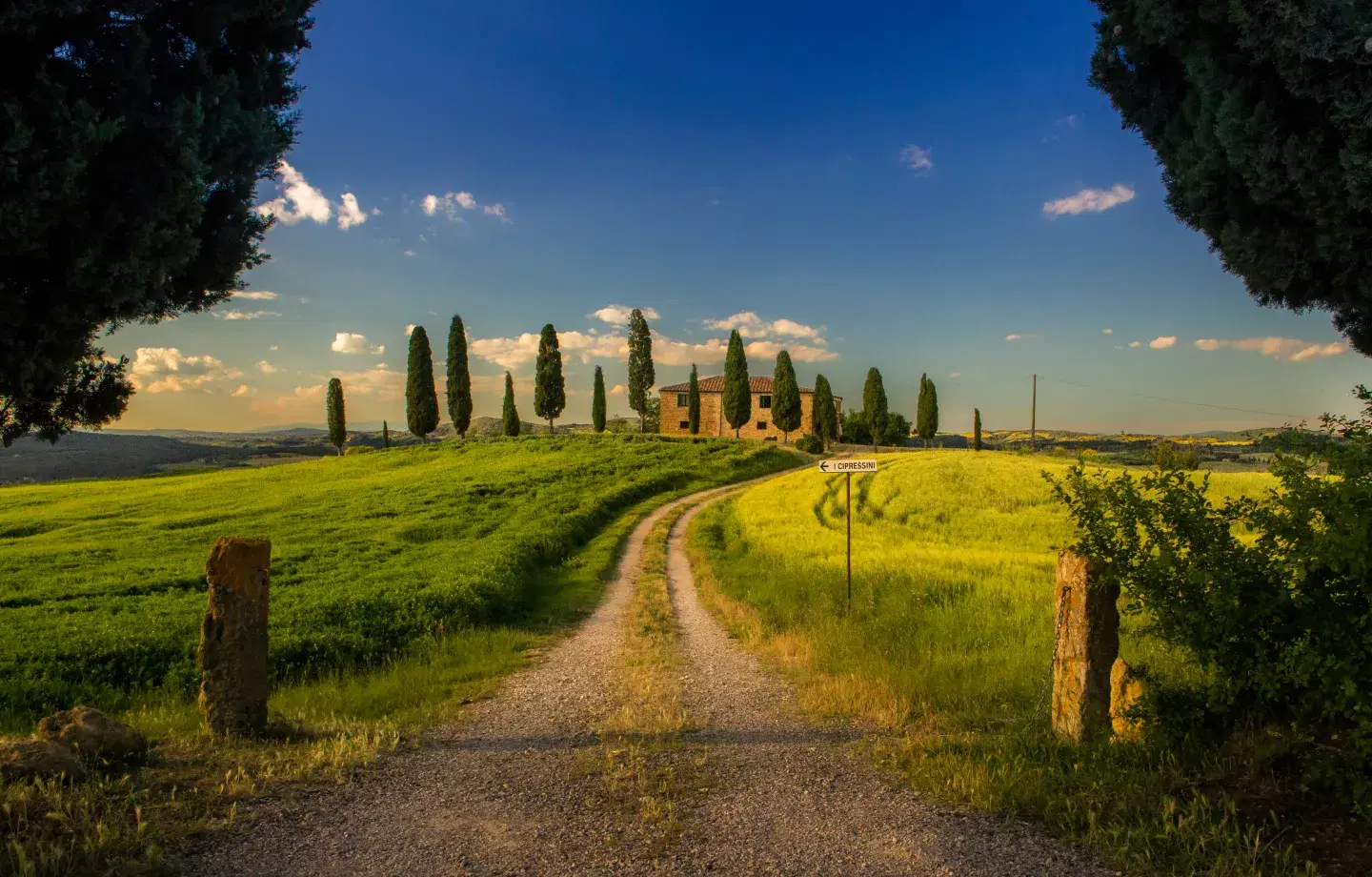
Tuscany: a cultural journey from Florence to Pisa
5 days 4 nights
4 Destinations
From $931
in double room
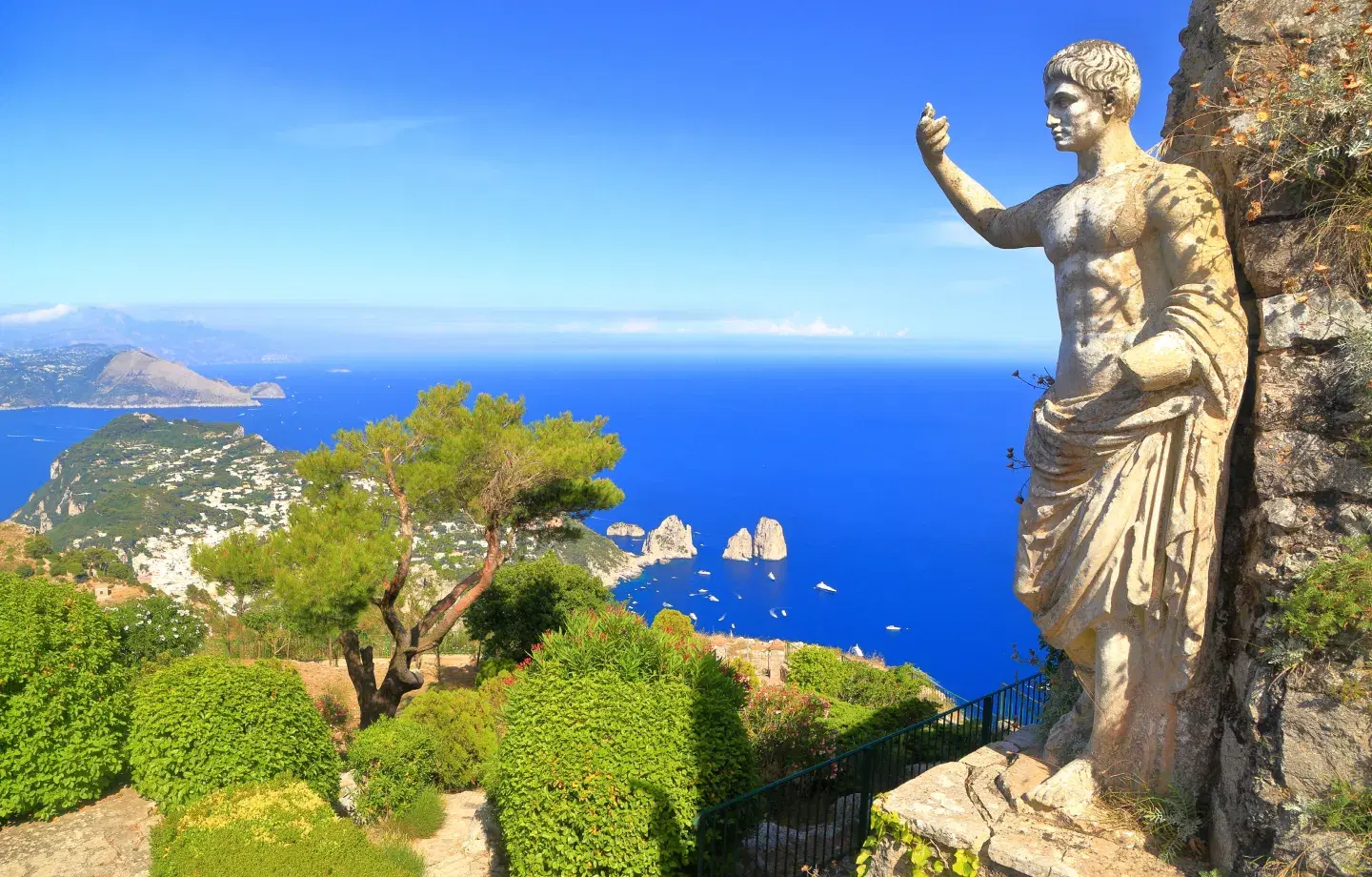
Sorrento and its surroundings: a complete immersion into relax, food and culture
5
6 days 5 nights
7 Destinations
From $2,140
in double room
Padua & Euganean Hills: 5 Days of Wellness and Local Charms
5 days 4 nights
4 Destinations
From $1,735
in double room

Sardinia Sailing Tour: Costa Smeralda, La Maddalena Archipelago & Porto Cervo
6 days 5 nights
7 Destinations
From $4,090
in double room
Rebirth from the Soil: Pompeii, Amalfi Coast & Gragnano Tour
5 days 4 nights
5 Destinations
From $2,802
in double room
Rome: art, history and pizza
4.2
5 days 4 nights
2 Destinations
From $2,678
in double room
Rome, Sorrento and the Amalfi Coast: the core of Italian History
5
6 days 5 nights
7 Destinations
From $2,475
in double room
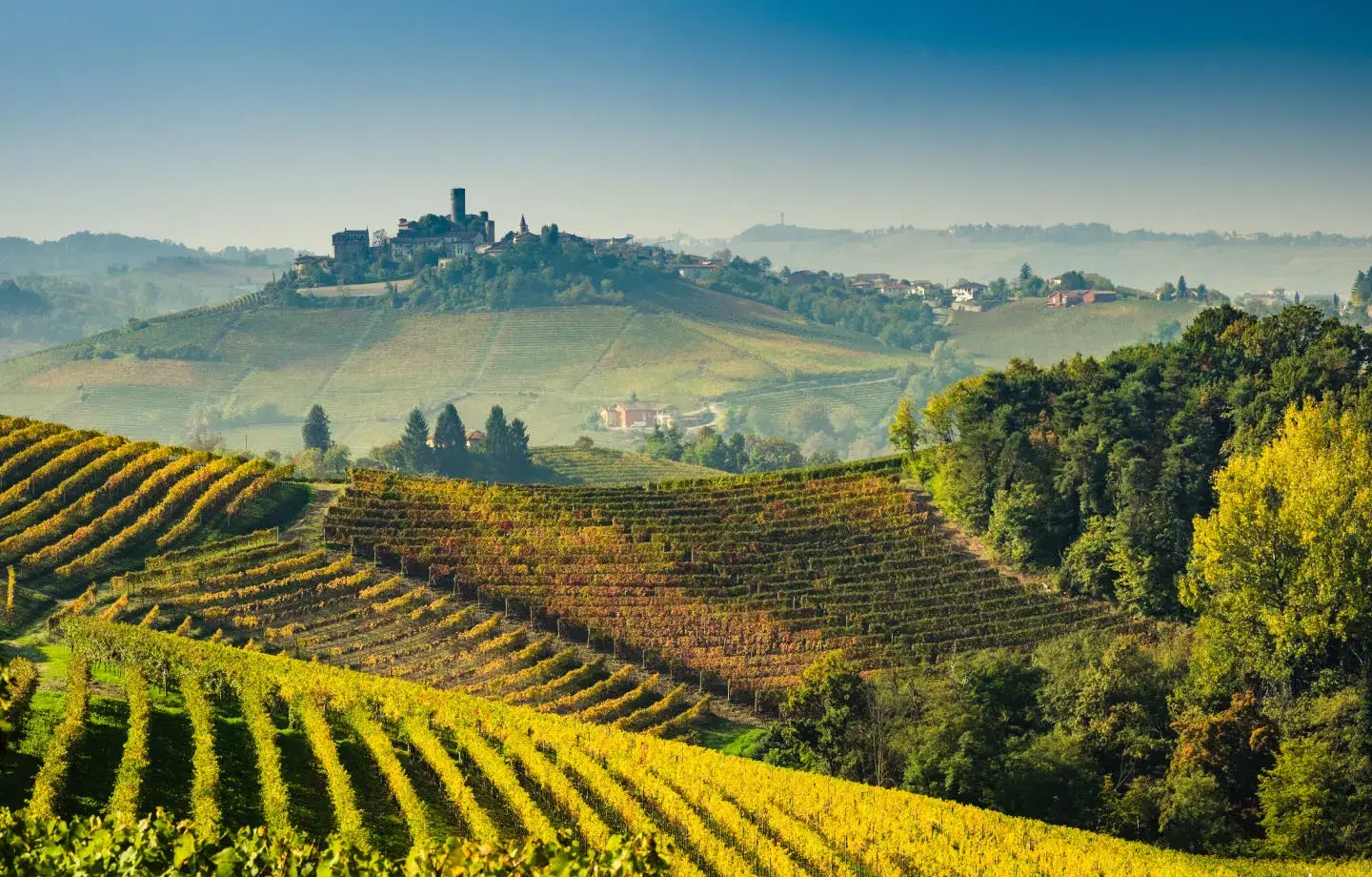
Italian Langhe Wine Tour: Barolo, Barbaresco & Luxury Experiences
4 days 3 nights
3 Destinations
From $6,817
in double room
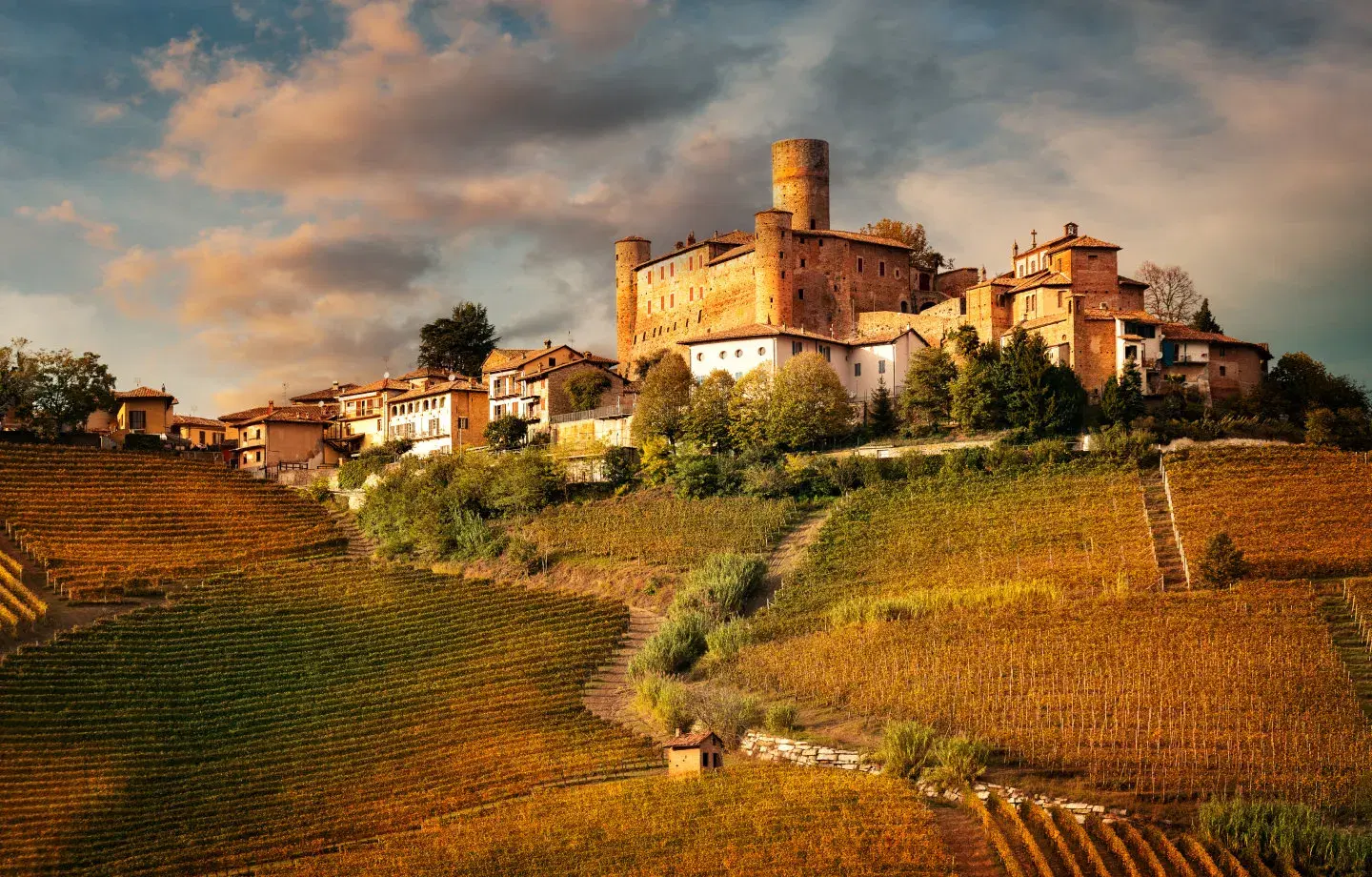
Italian Harvest Tour: Barolo, Barbaresco & Nebbiolo Wine Experience
5 days 4 nights
1 Destinations
From $4,555
in double room
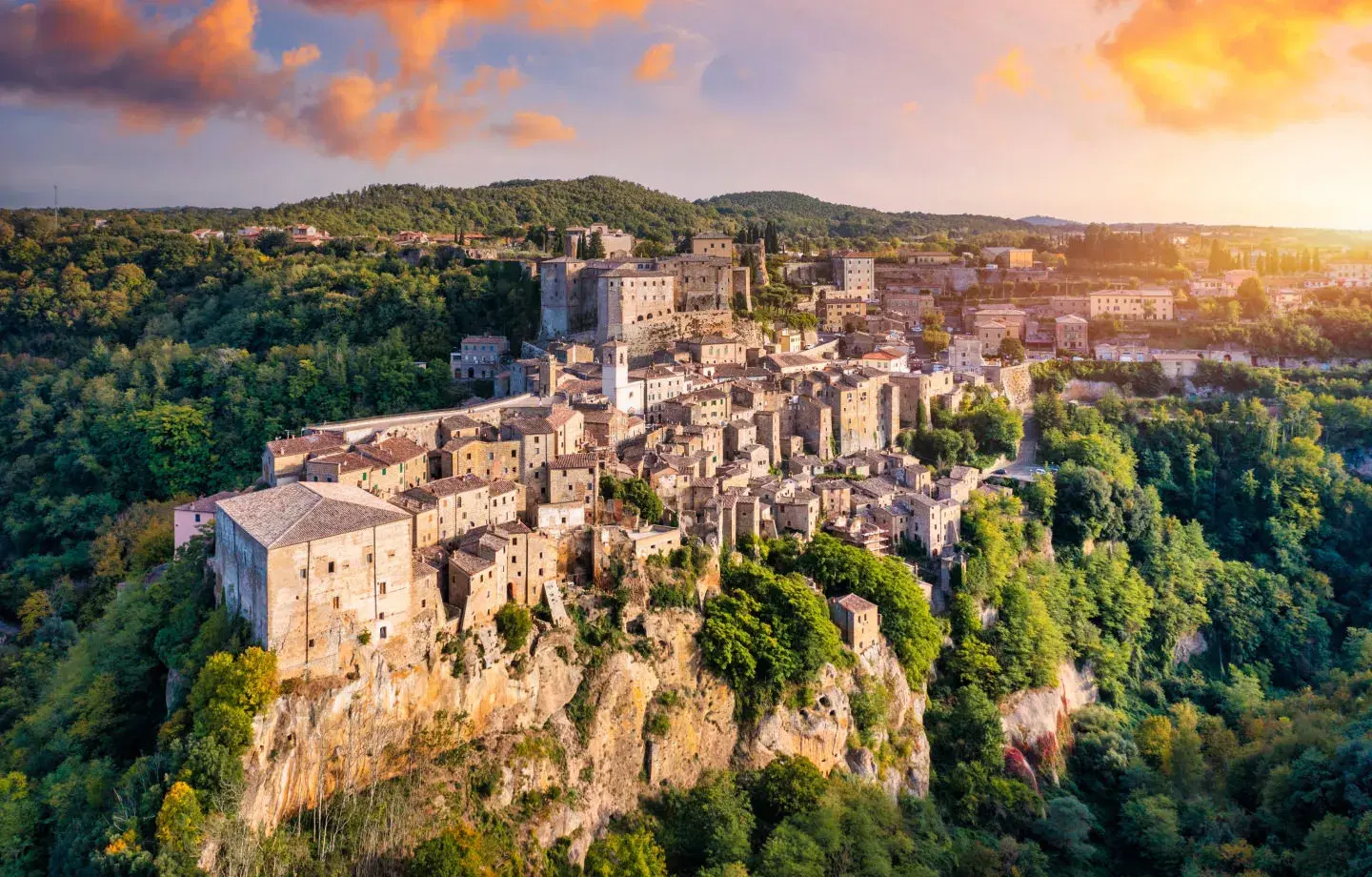
Reconnect with Nature: A 7-Day Retreat at Glamping Terme di Vulci
7 days 6 nights
2 Destinations
From $1,770
in double room
Puglia: dancing through traditions and local cuisine
9 days 8 nights
11 Destinations
From $6,943
in double room
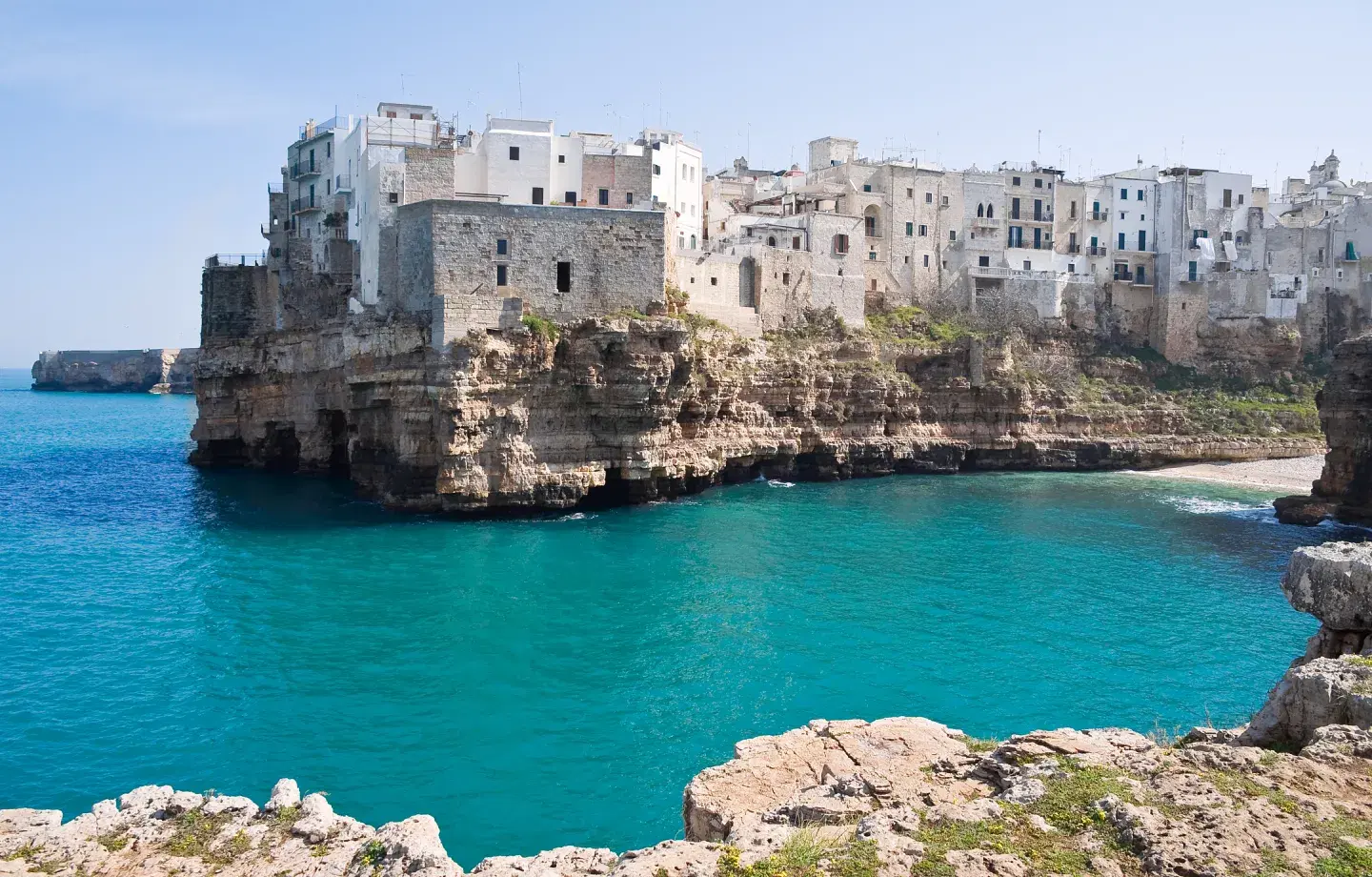
The best of Southern Italy: from the Amalfi Coast to Puglia
11 days 10 nights
16 Destinations
From $5,967
in double room
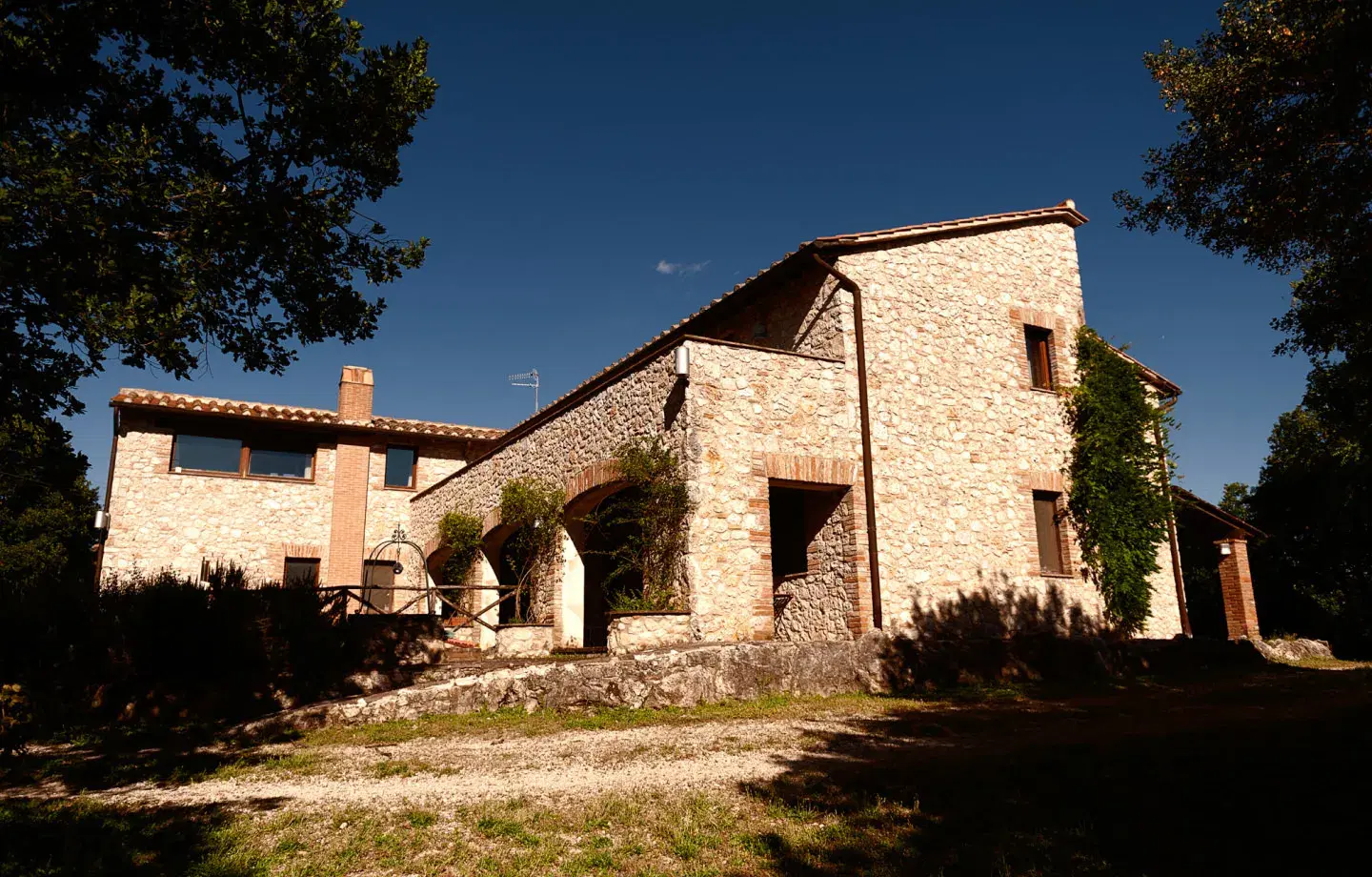
Silent Retreat in Umbria: Digital Detox, Mindfulness & Nature Connection
5
4 days 3 nights
1 Destinations
From $350
in double room
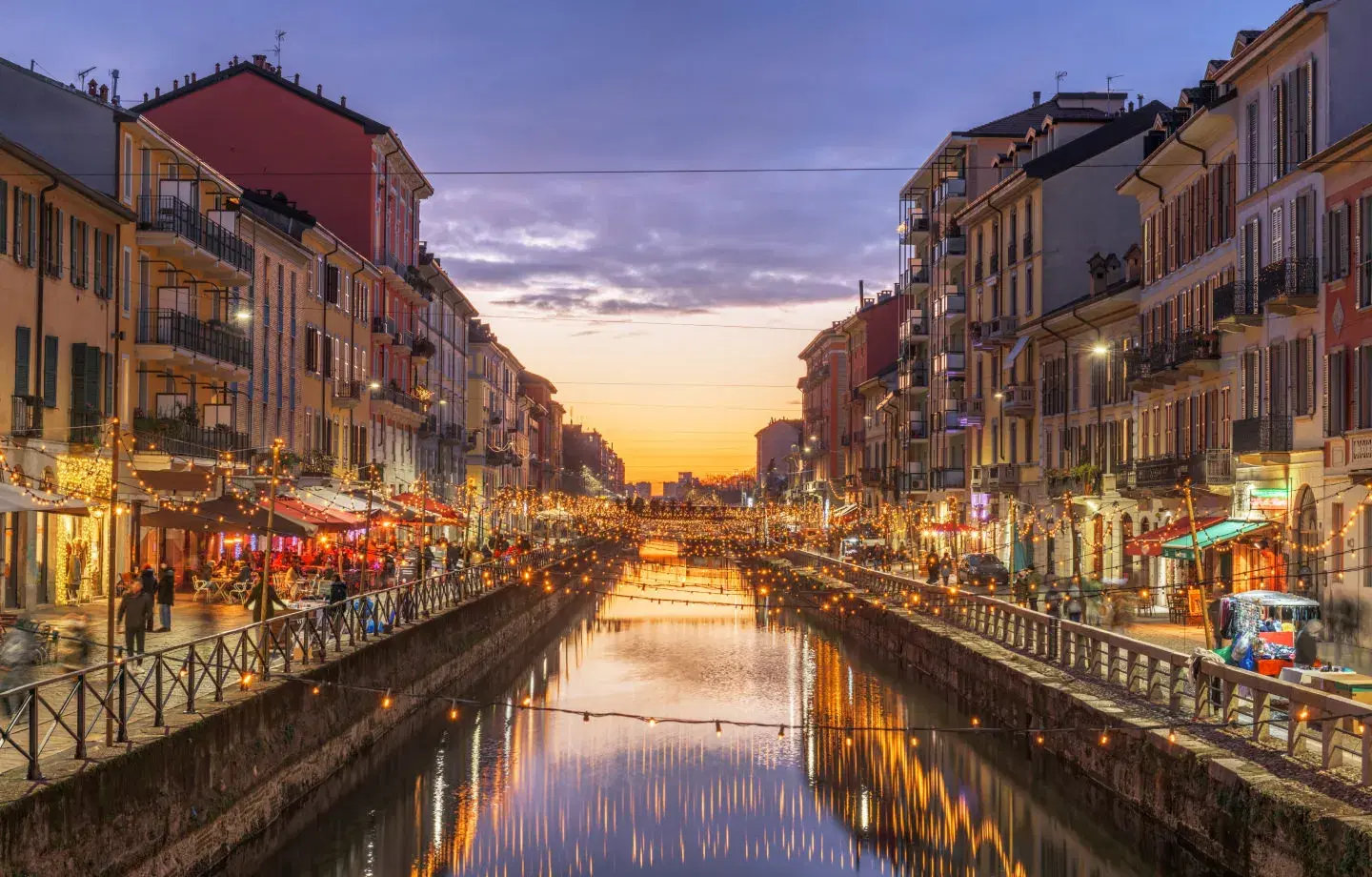
Luxury Tour: Milan, Cinque Terre, Portofino & Genoa Highlights
7 days 6 nights
6 Destinations
From $3,958
in double room
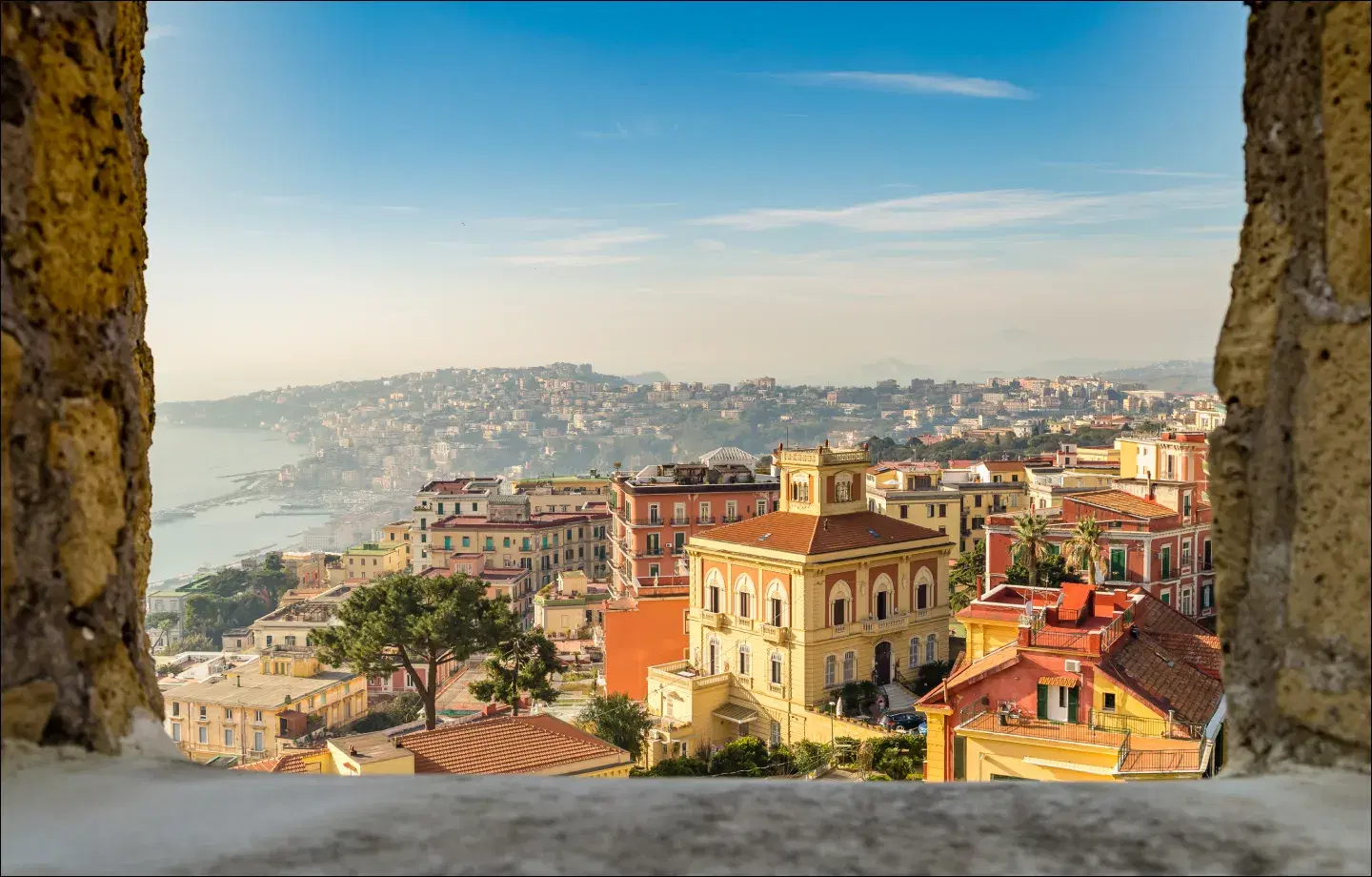
Naples, Amalfi Coast and Pompeii: a tour among art, food and culture during Winter Time
6 days 5 nights
6 Destinations
From $2,672
in double room
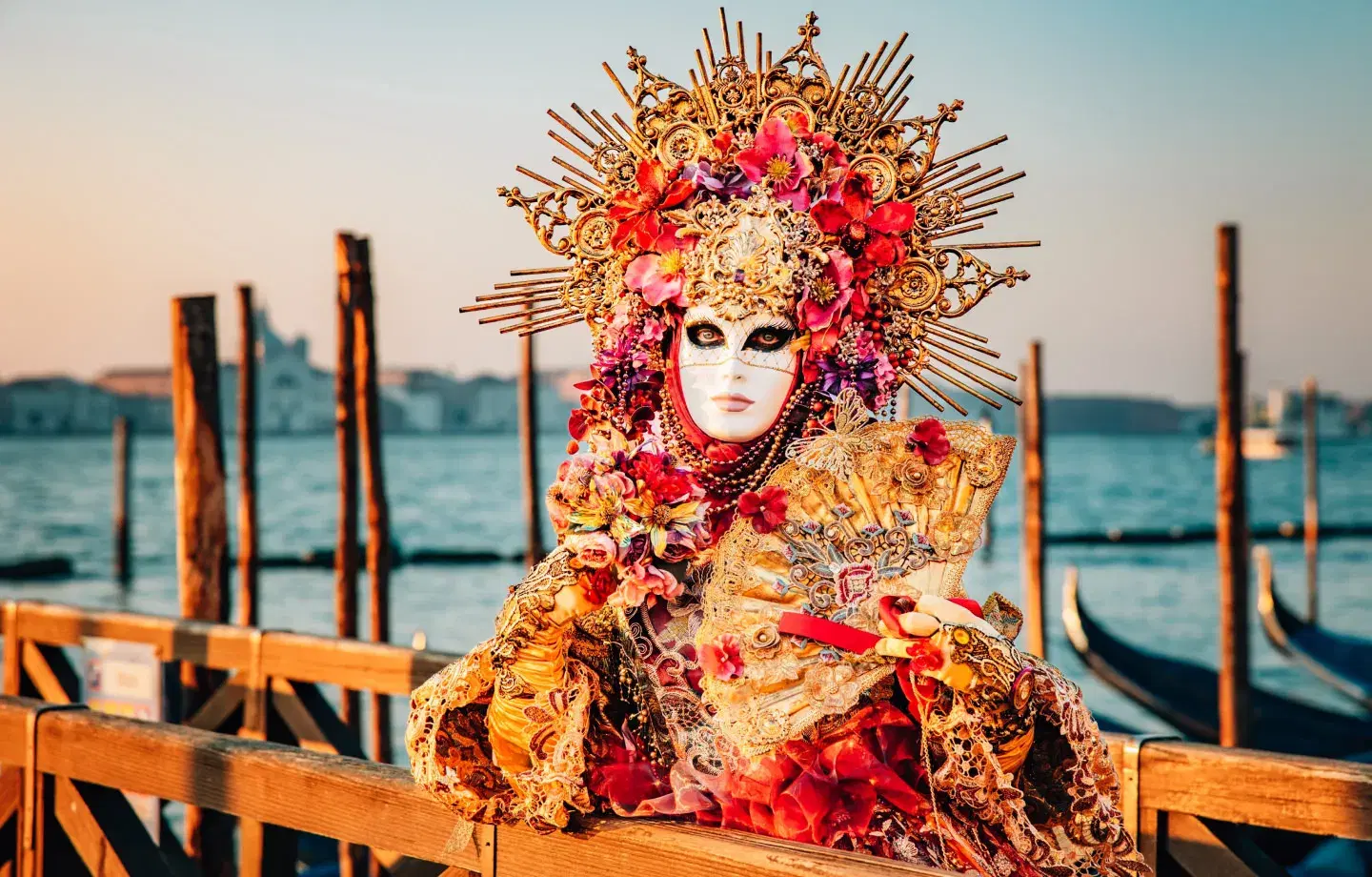
Venice Carnival 2026: Elegance, Masks & Timeless Traditions
4 days 3 nights
1 Destinations
From $1,350
in double room
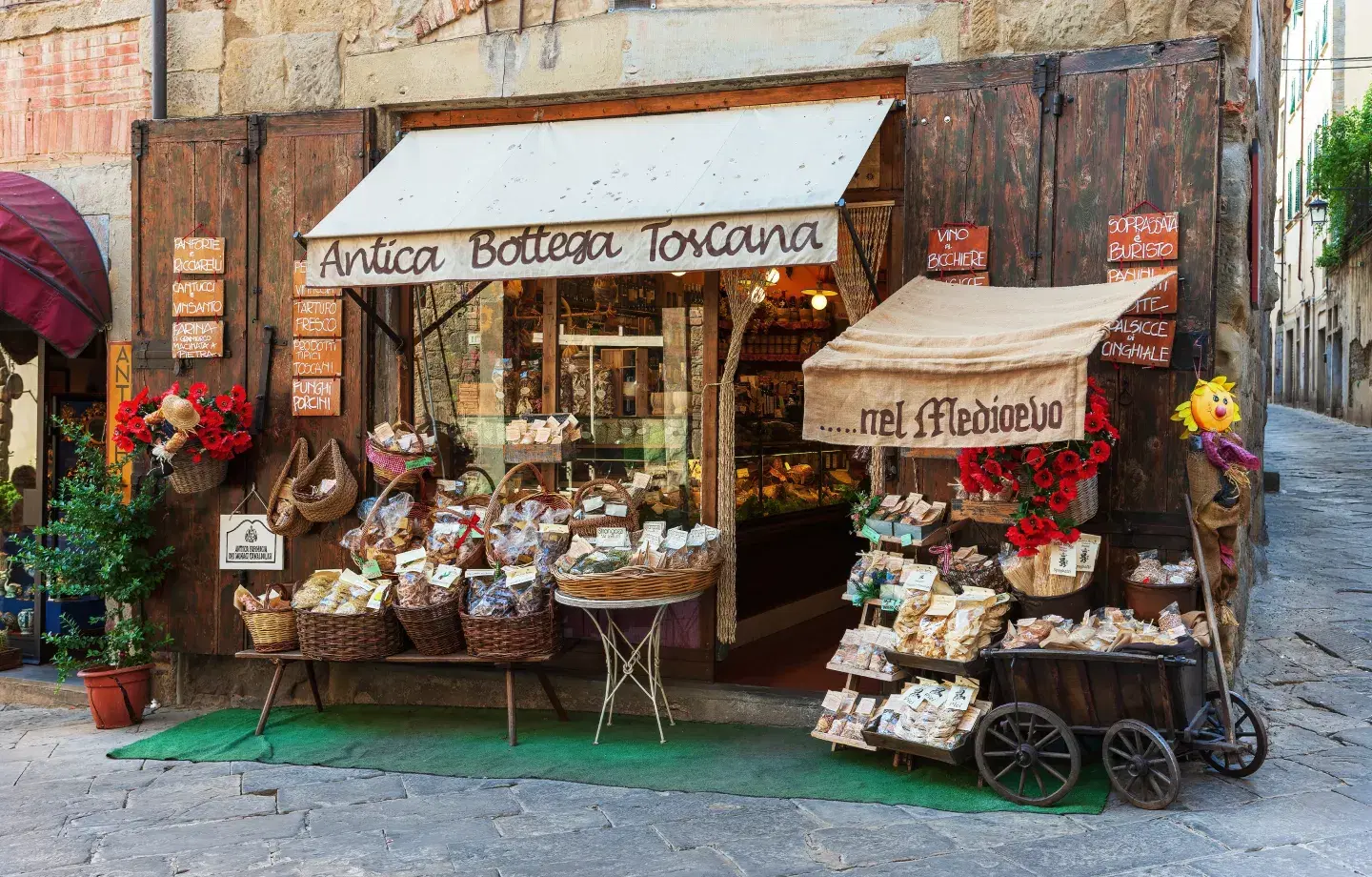
Florence: a combination of art and food traditions
4 days 3 nights
1 Destinations
From $979
in double room
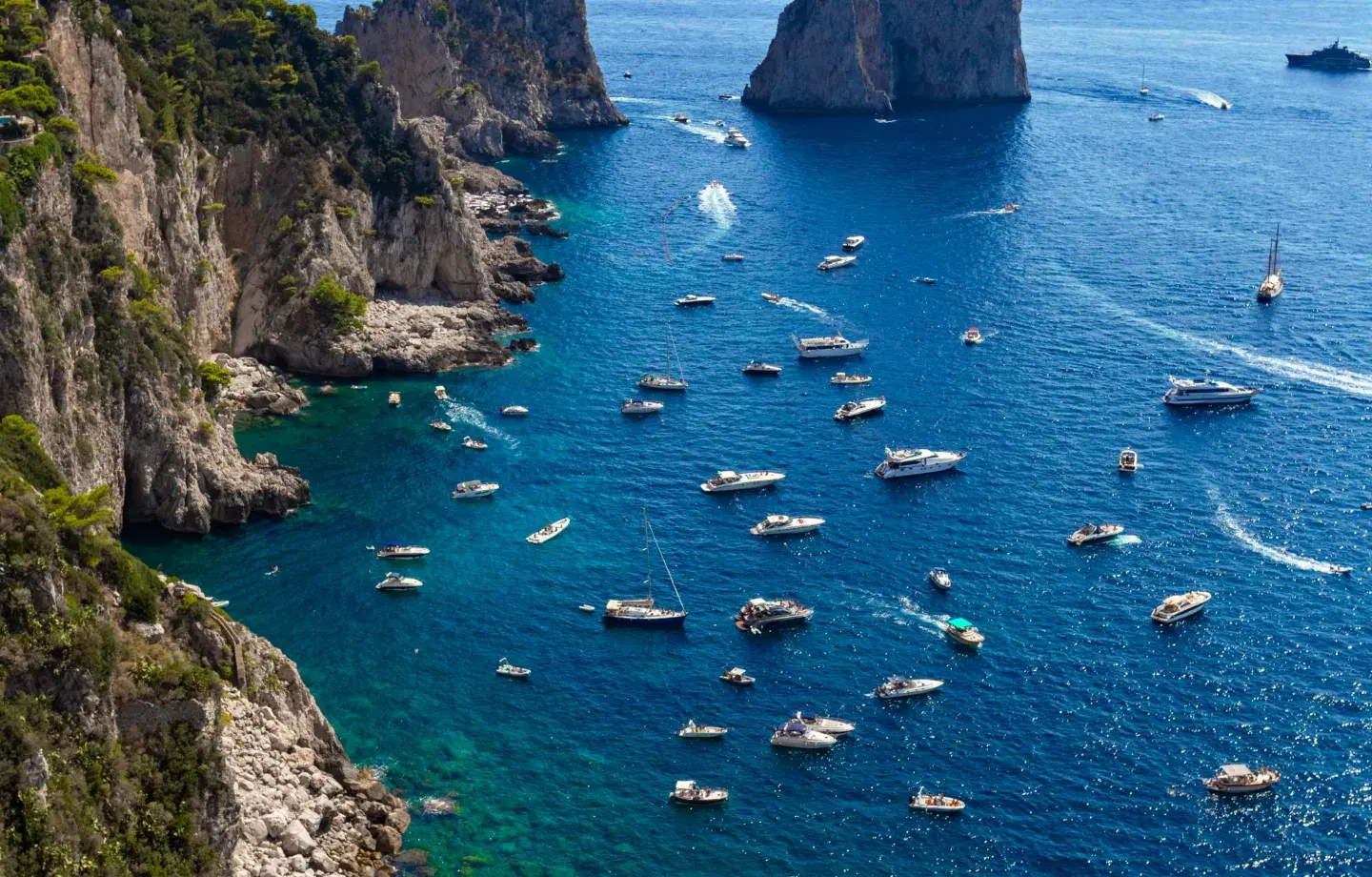
Naples and the Amalfi Coast: the complete experience
4.6
4 days 3 nights
5 Destinations
From $839
in double room
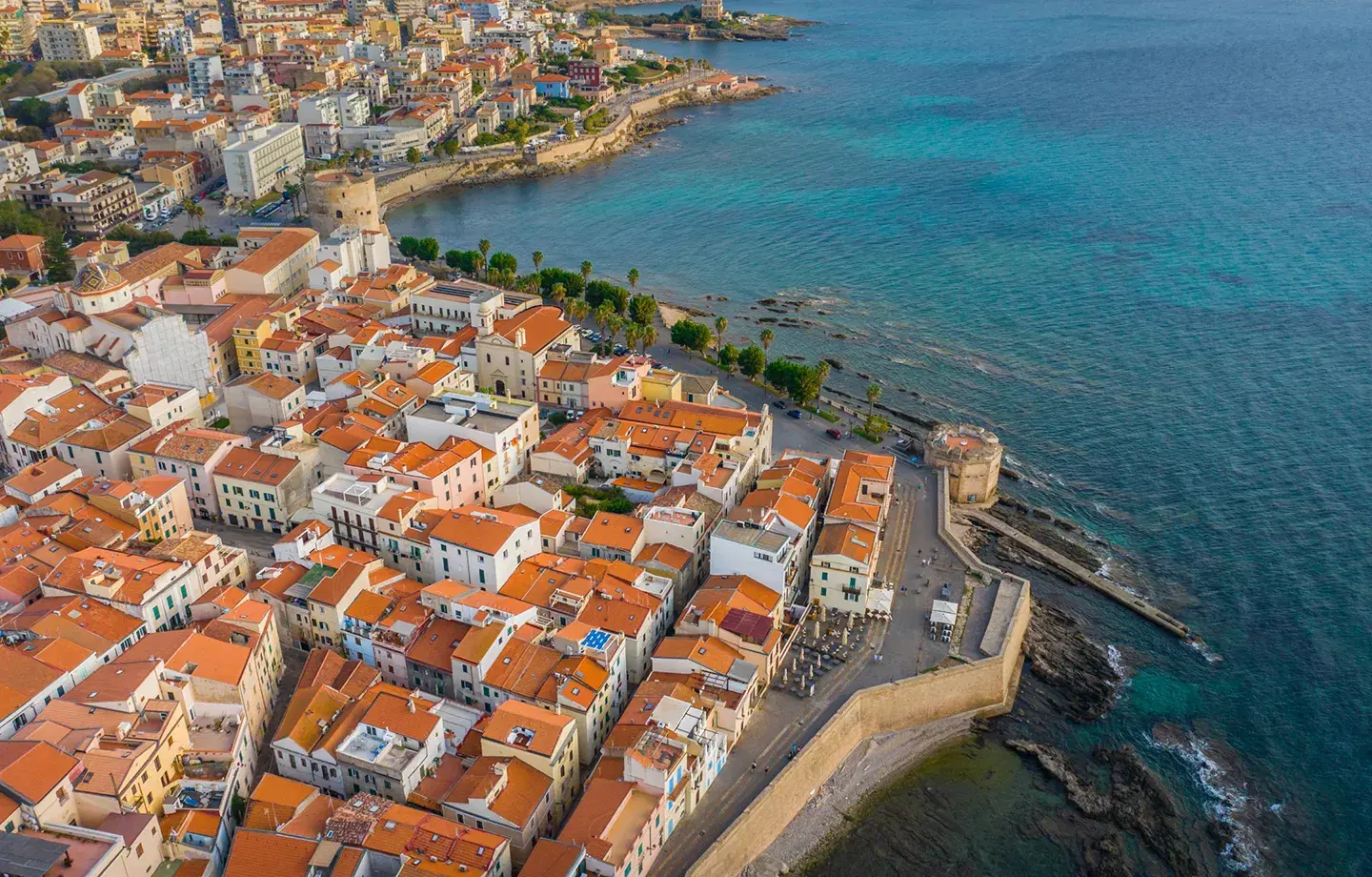
Sardinia: relax on the untouched, pristine paradise island
8 days 7 nights
7 Destinations
From $5,556
in double room
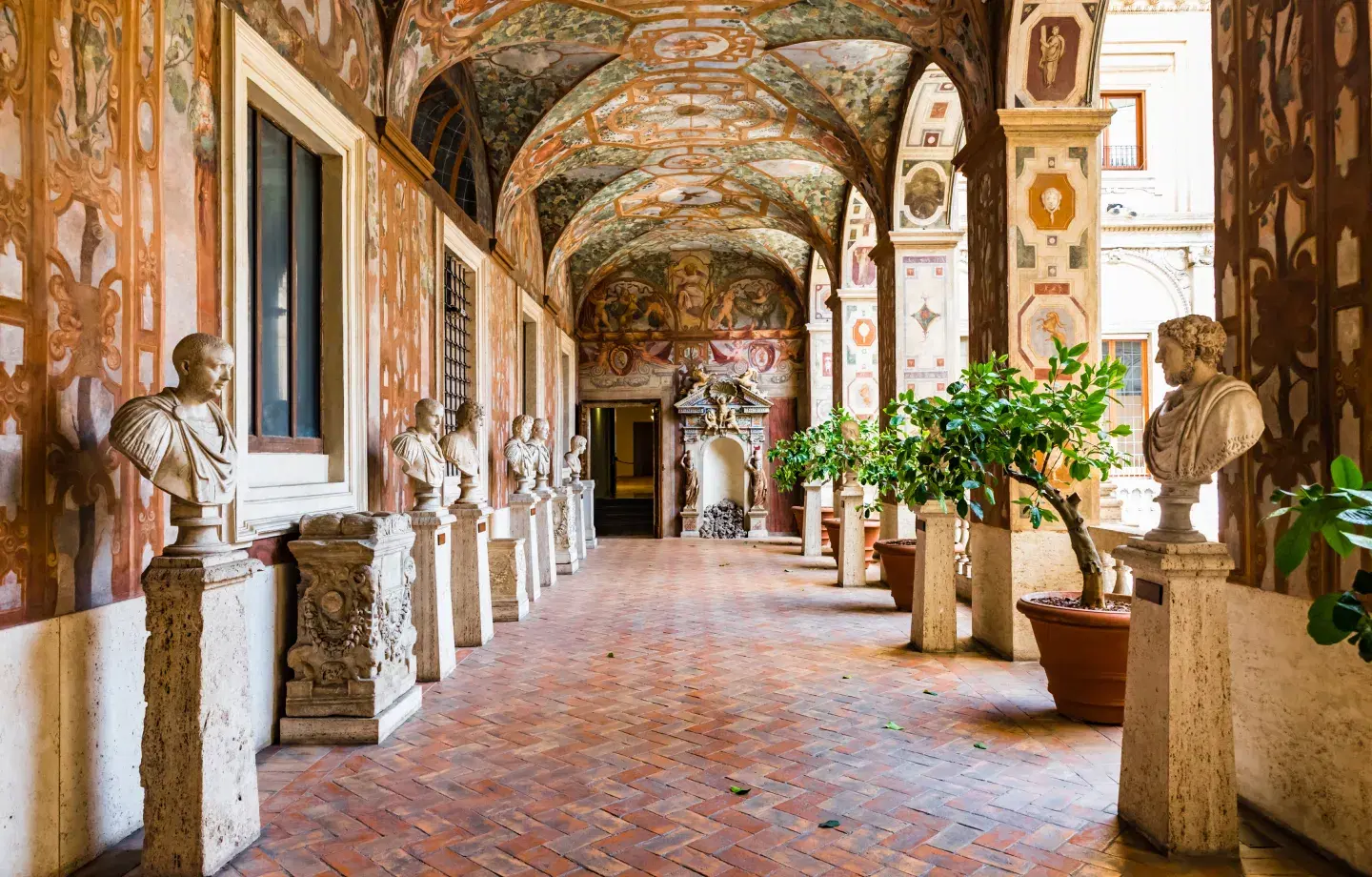
Italy's art heritage: a trip for art connoisseurs
5
8 days 7 nights
8 Destinations
From $4,566
in double room
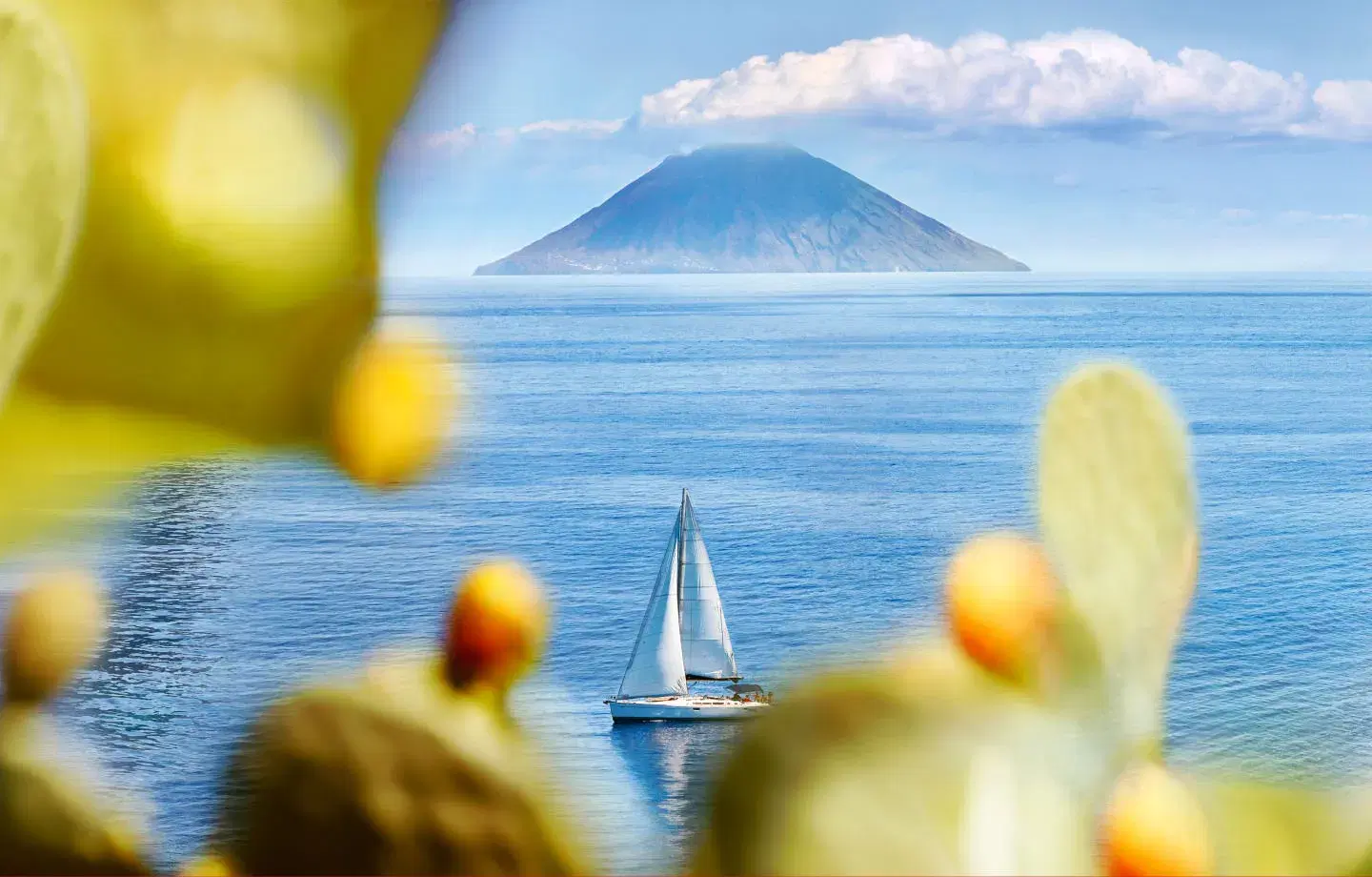
Aeolian Islands Sailing: Volcanoes, Nature, and Mediterranean Flavors
7 days 6 nights
6 Destinations
From $3,069
in double room
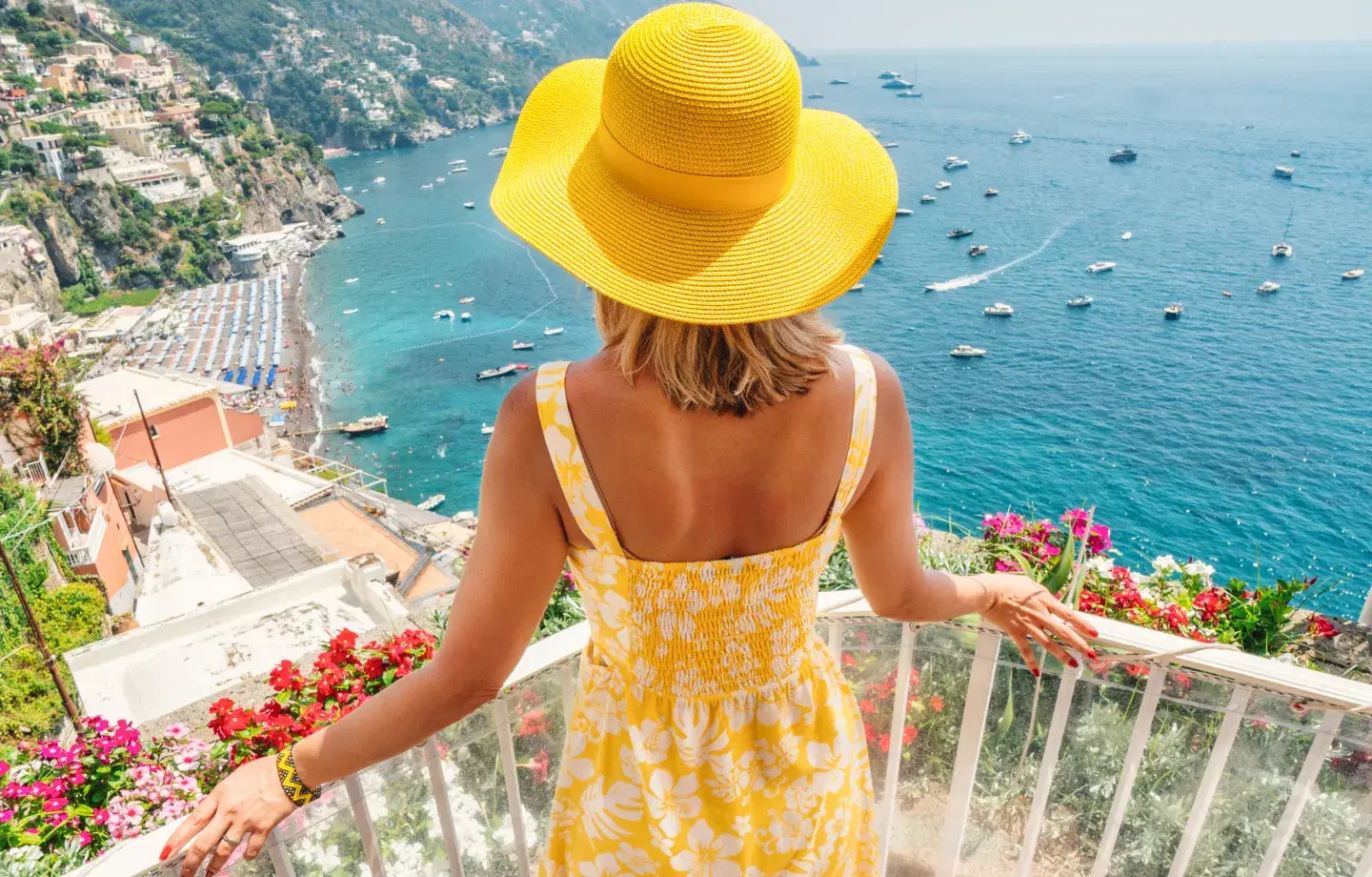
A complete dive into the Amalfi Coast
4.7
8 days 7 nights
6 Destinations
From $2,723
in double room
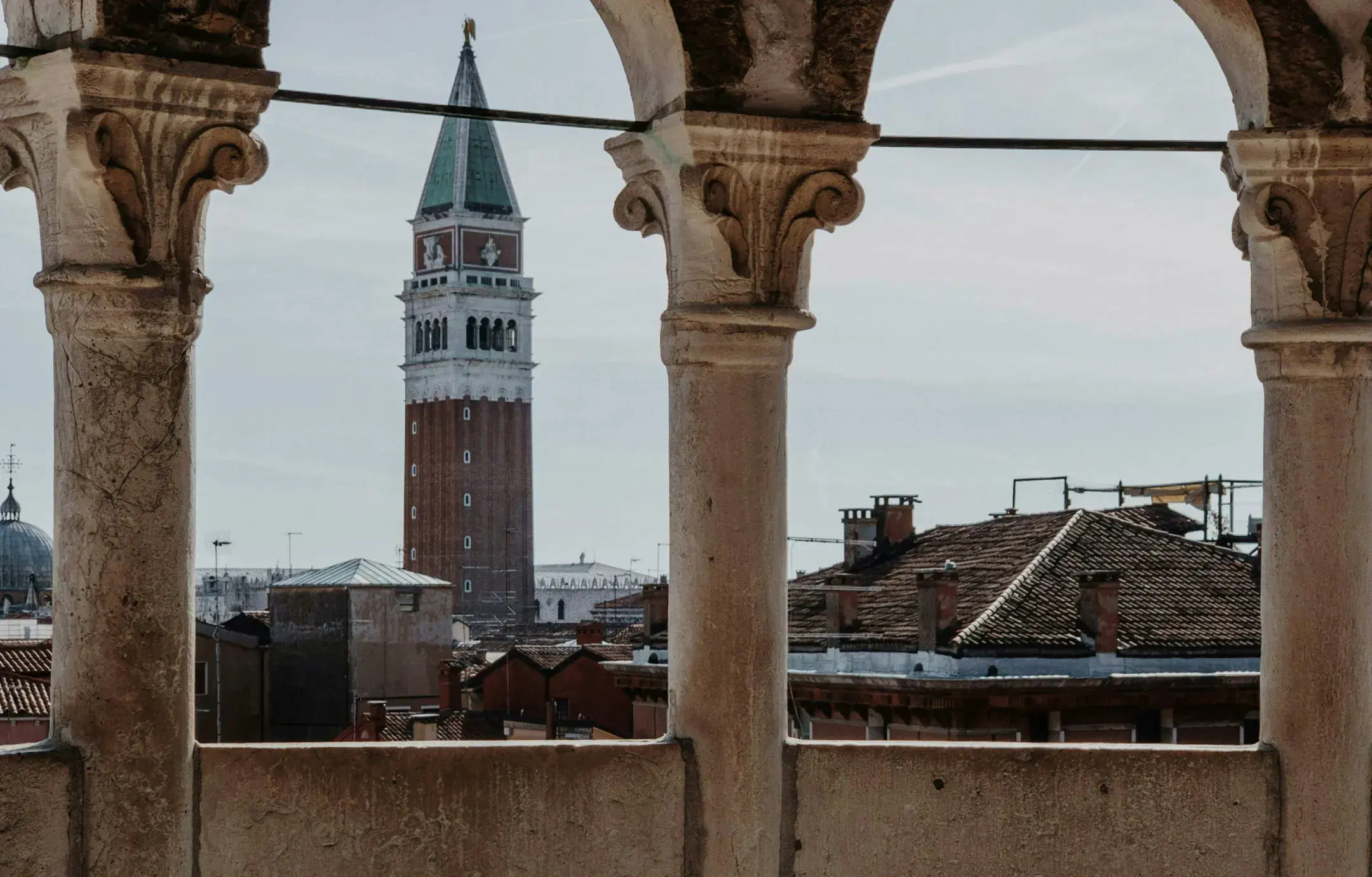
Venice & Treviso: discovering the Secrets of Italian Architecture
4 days 3 nights
3 Destinations
From $1,900
in double room

Verona & Franciacorta: A Journey Through Italy’s Wine Excellences
5
6 days 5 nights
4 Destinations
From $1,835
in double room
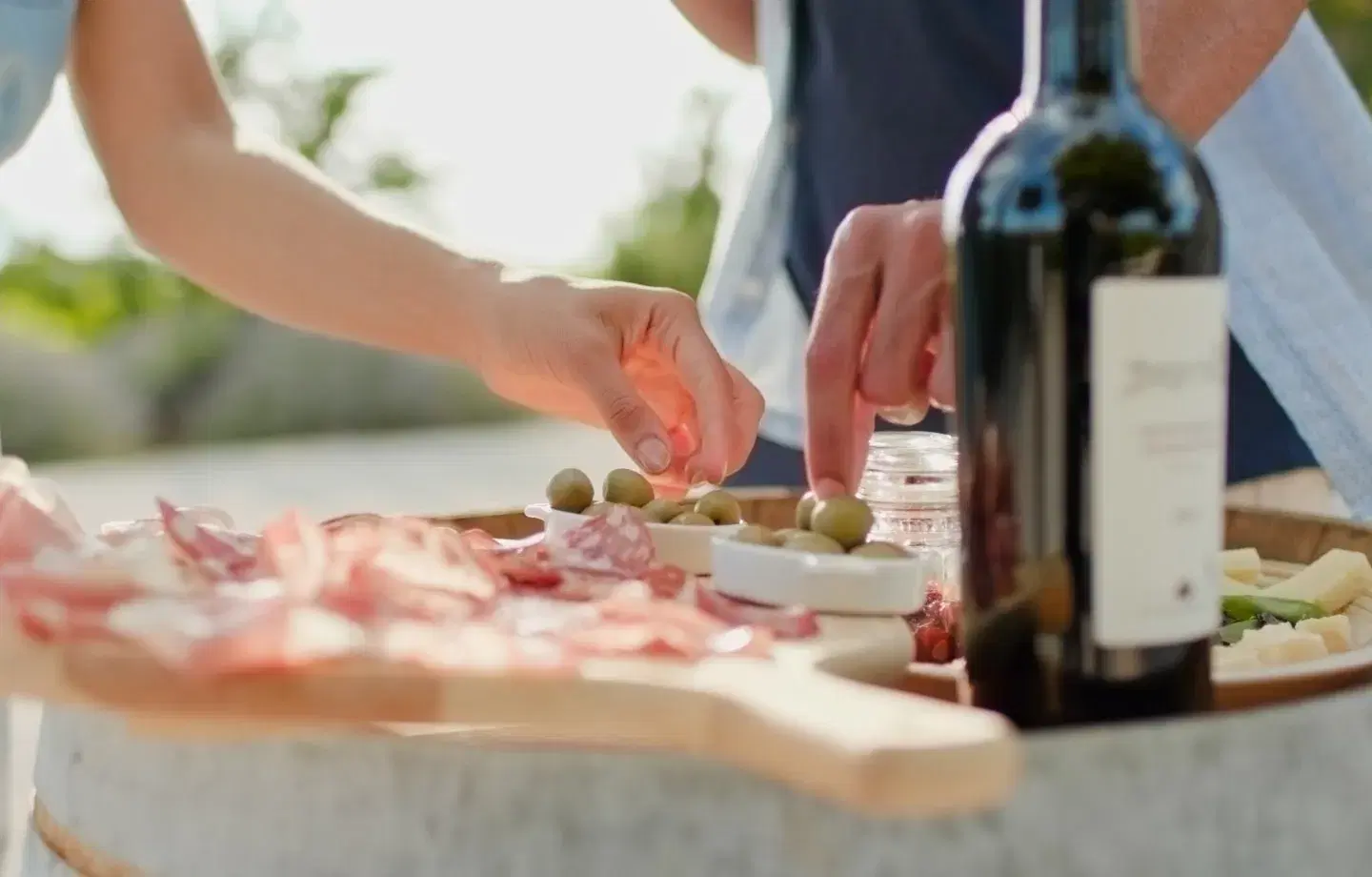
Umbria Gourmet Tour: Taste Tradition and Italian Culture
4.9
4 days 3 nights
3 Destinations
From $1,349
in double room
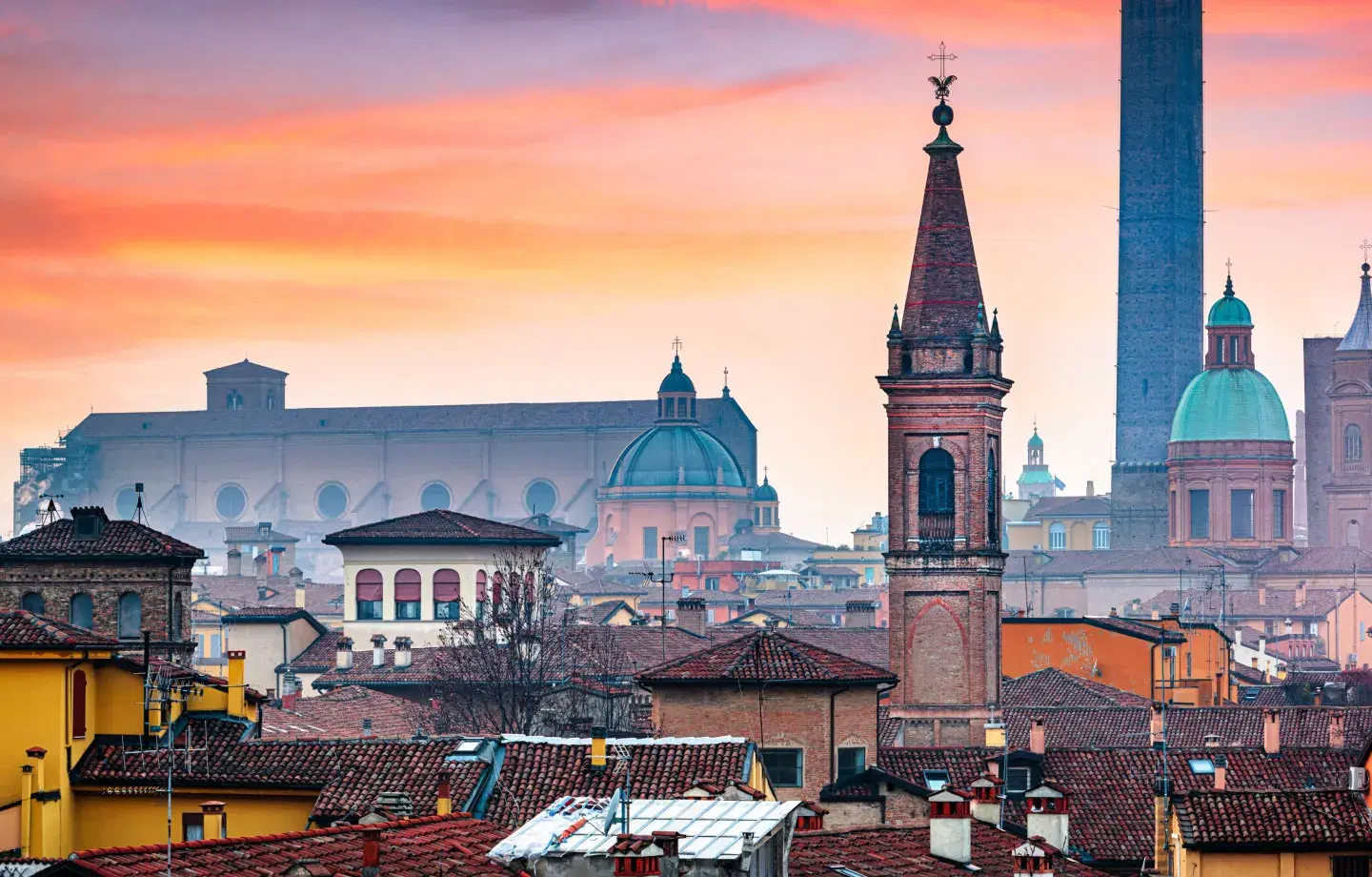
Bologna Short Break Art, Cuisine, and Italian Culture
3 days 2 nights
2 Destinations
From $2,050
in double room

Milan and Lake Como: the gems of Northern Italy
4.9
4 days 3 nights
3 Destinations
From $1,756
in double room
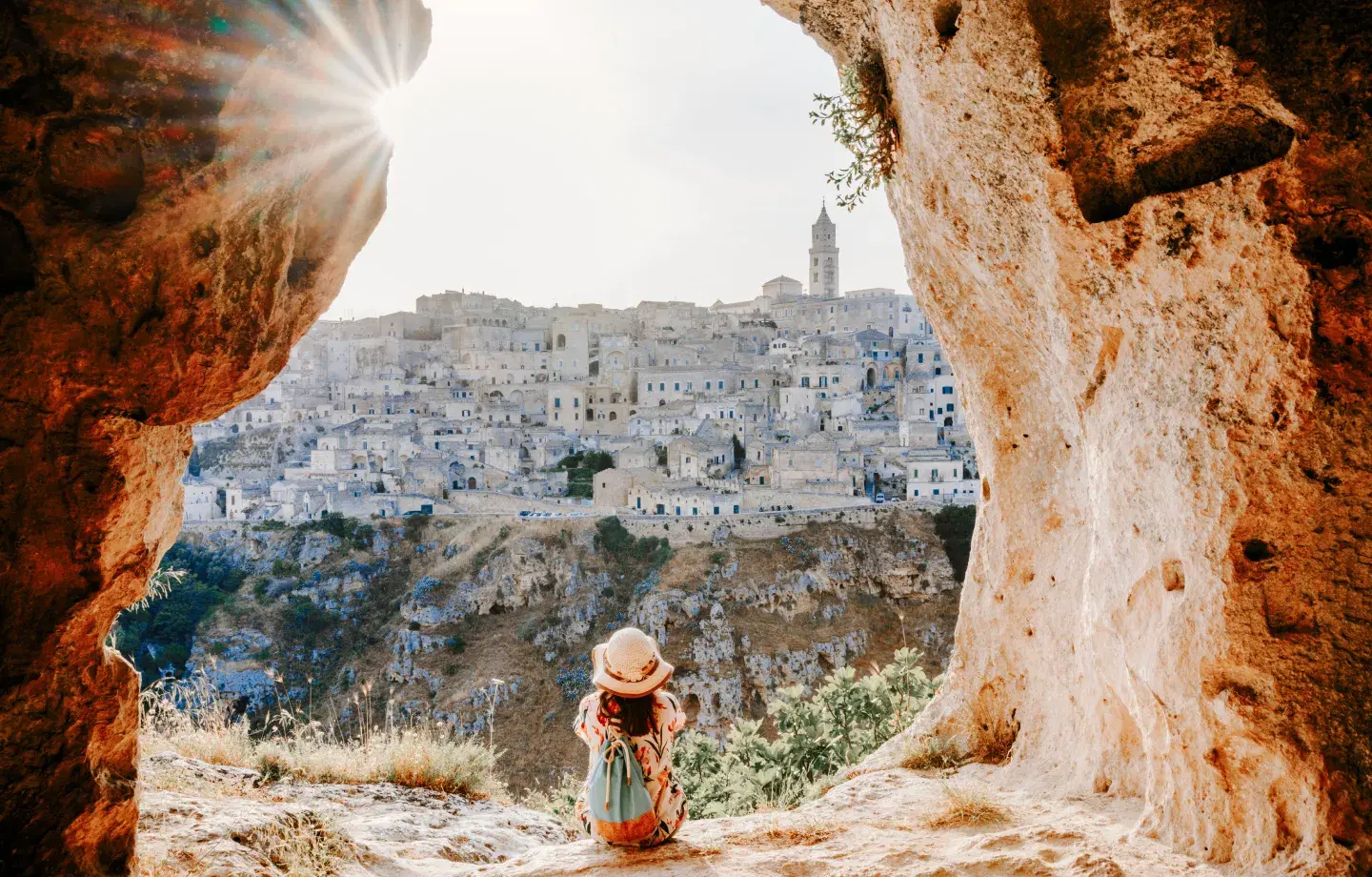
Italy: discover each side of the Country
5
13 days 12 nights
12 Destinations
From $6,115
in double room
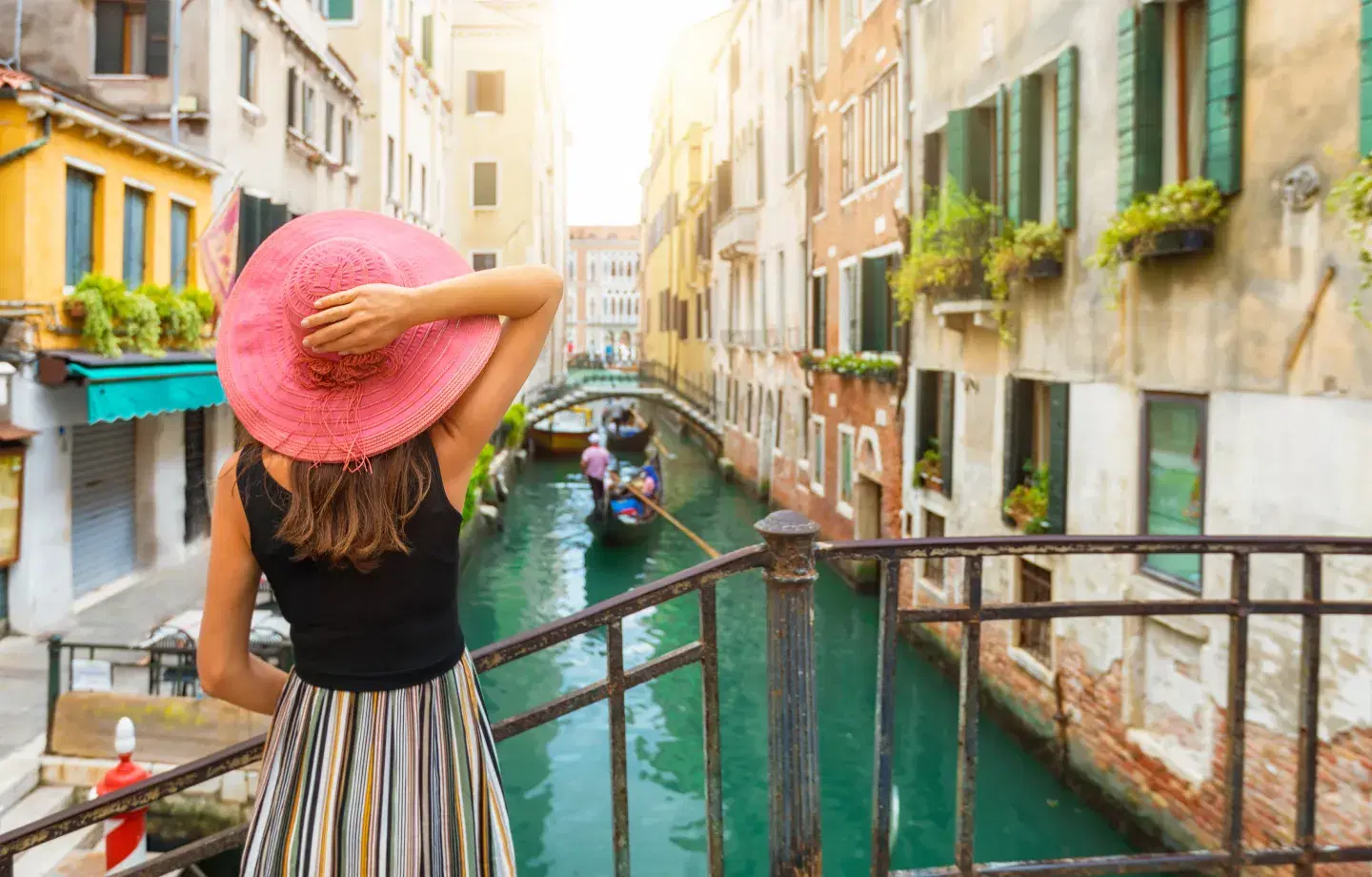
The Italian dream: Venice, Maranello, Sorrento and Rome among the art, history, food and engines
5
11 days 10 nights
12 Destinations
From $5,657
in double room
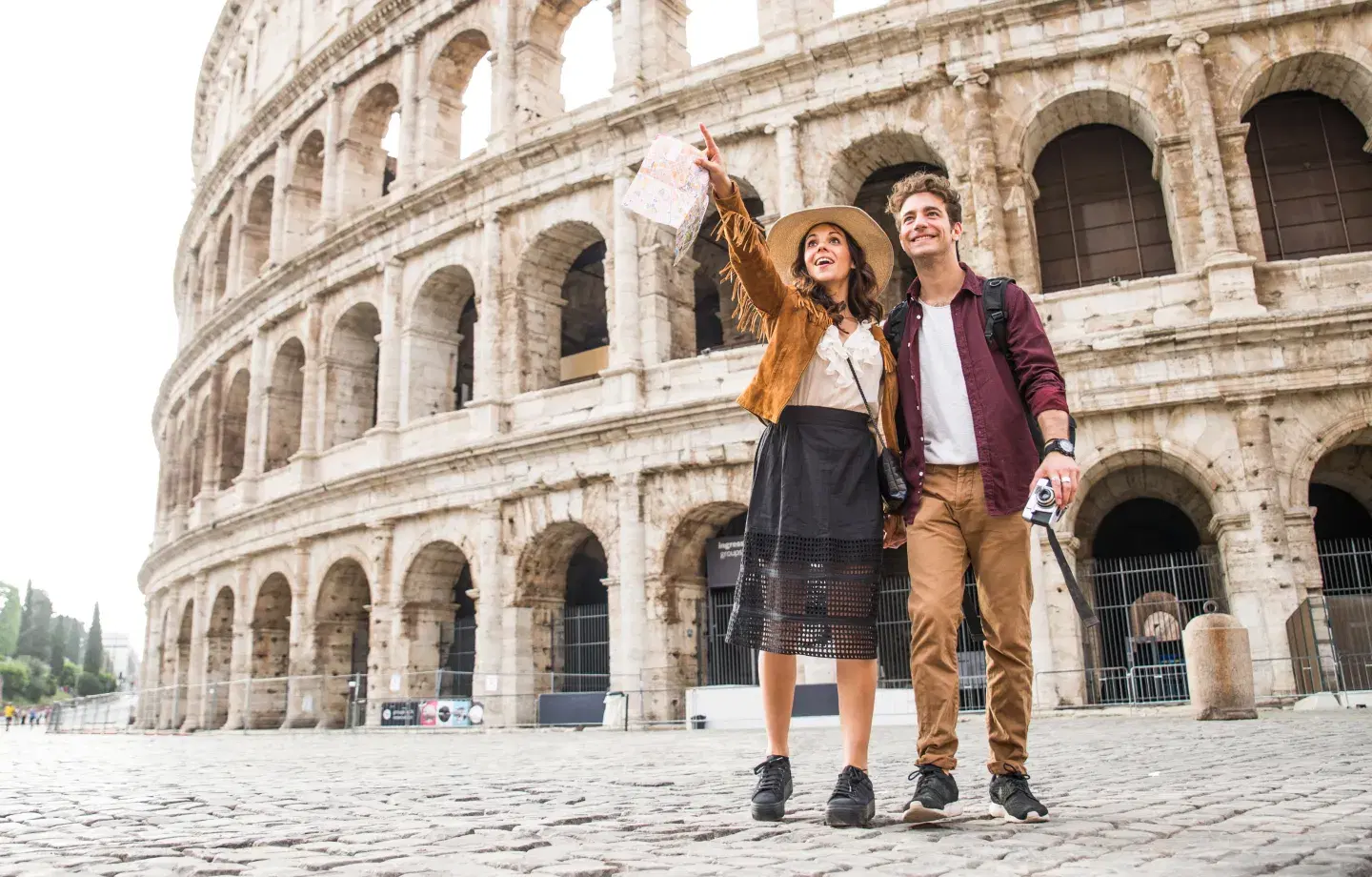
Rome: the classics views of Rome
4.8
4 days 3 nights
1 Destinations
From $976
in double room
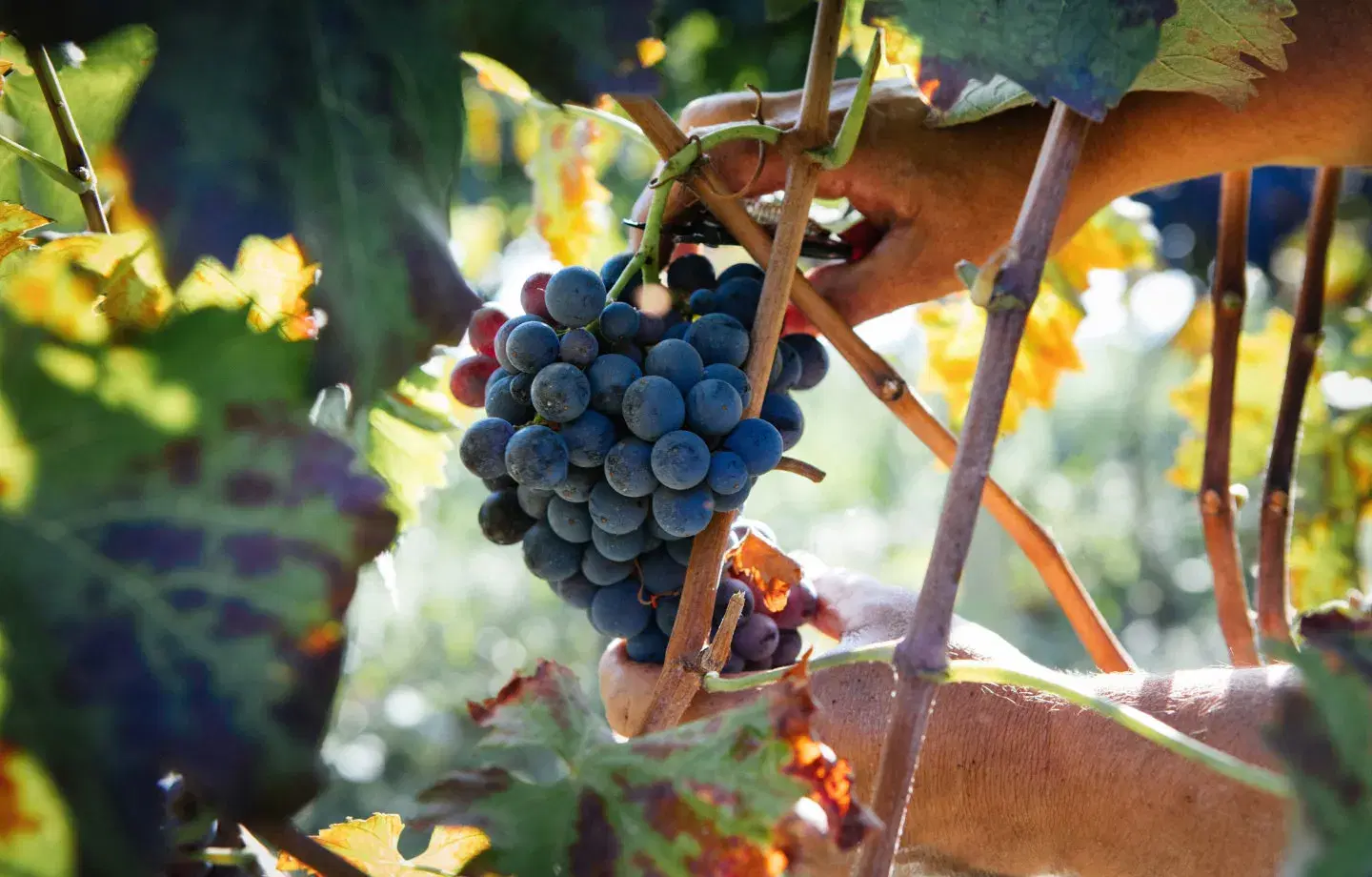
Sicilian Harvest Tour: Nero d'Avola, Etna Wines & Vineyard Experiences
5 days 4 nights
5 Destinations
From $3,190
in double room