Play Italy
Italy is not short of beauty. It is short of balance.
While destinations like the Amalfi Coast, Florence, and Venice carry the weight of global attention, entire regions remain overlooked - not because they lack substance, but because they are misunderstood. Reduced to stereotypes, bypassed for convenience, or simply overshadowed by stronger narratives, these places rarely get the thoughtful consideration they deserve.
For the discerning traveler - especially one seeking depth, comfort, and meaning - these regions offer something increasingly rare: space, authenticity, and the feeling of discovering Italy rather than consuming it.
Below, we explore Italy’s most misunderstood regions through a simple lens: what people think, what is actually true, and why it matters when planning a refined, well-paced journey.
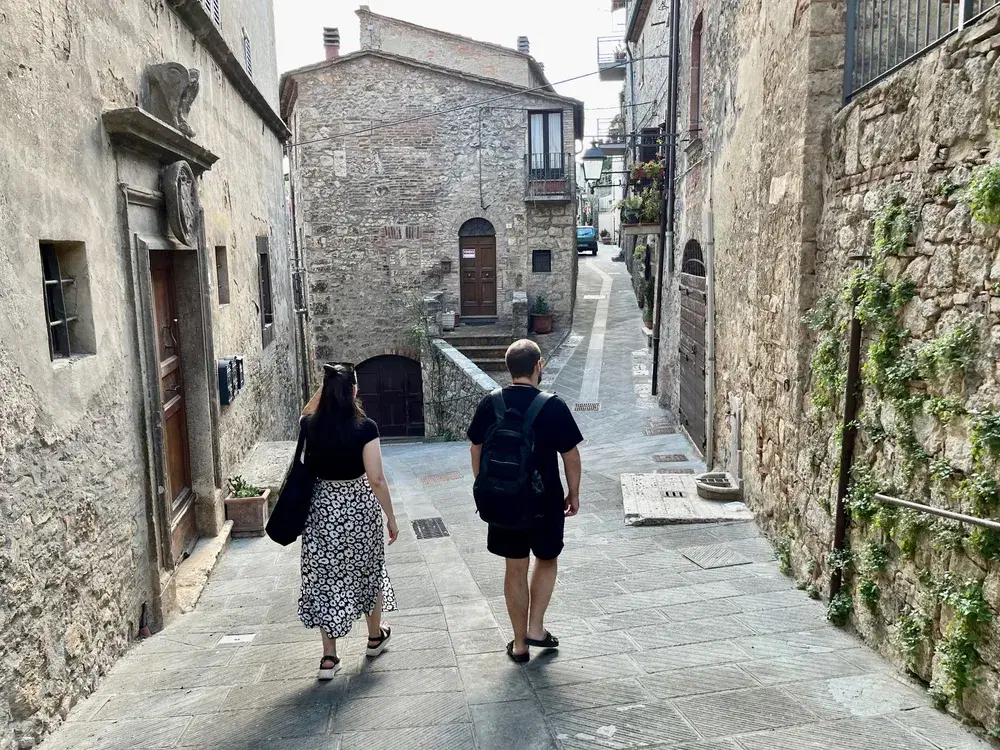
1. Molise: The Region People Joke About (and Completely Misjudge)
The short answer: Molise is not empty. It is one of Italy’s most intact cultural landscapes.
The misconception
Molise is often dismissed with a half-joking phrase: it doesn’t exist. For many international travelers, it is simply a blank space on the map.
The reality
Molise offers a rare combination in Italy today:
- Archaeological sites without crowds, such as Saepinum (Altilia), one of the most evocative Roman towns in southern Italy
- Small hill towns where traditions remain lived, not staged
- A quiet Adriatic coastline with authentic fishing culture
- Deep-rooted culinary heritage tied to pastoral life
This is not a region that performs for visitors. It simply continues being itself.
Why it matters for your trip
Molise is ideal for travelers who have already seen Italy’s icons and now want silence, rhythm, and human-scale experiences. It works best as a 2–3 night immersion, often paired with Abruzzo, Umbria or Puglia. It’s guaranteed that here you can enjoy a relaxing and peaceful vacation, avoiding all crowds and still experiencing pure Italian beauty.
Insight & Curiosity
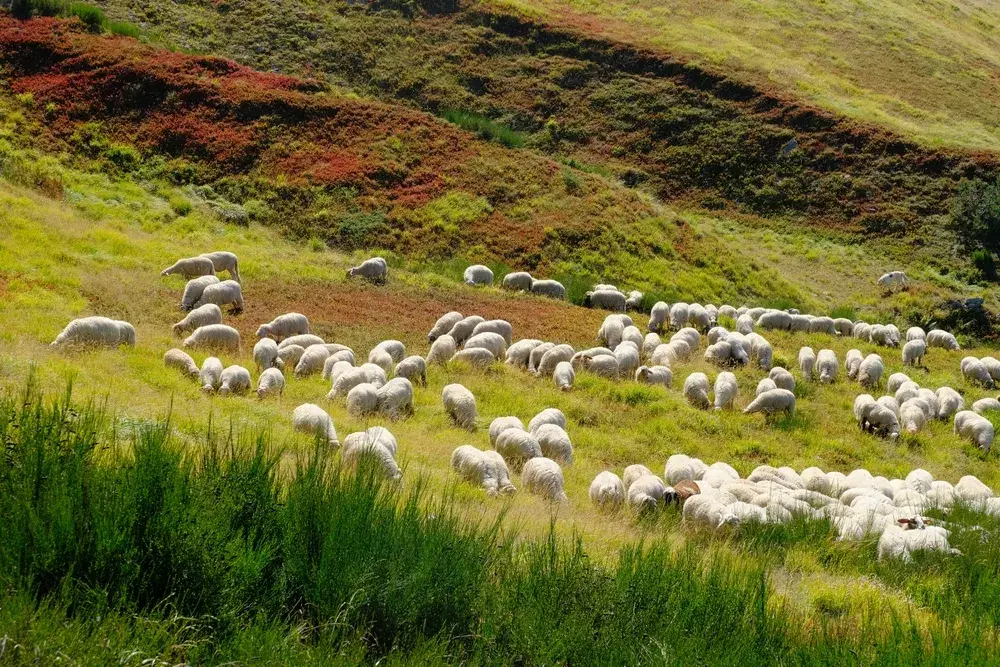
Molise preserves one of the strongest traditions of transhumance - the seasonal movement of shepherds and flocks across ancient routes. These paths, some recognized by UNESCO, shaped not just agriculture but the social fabric of central-southern Italy.
Understanding this reveals something deeper: Molise is not “behind.” It is aligned with an older, slower Italy that much of the country has already lost.
2. Basilicata: Not Just Matera, and Not Just for a Day Trip
The short answer: Basilicata is far more than Matera and its rocks - and deserves time.
The misconception
Most travelers associate Basilicata with Matera alone, often as a quick stop between regions.
The reality
Yes, Matera’s Sassi are extraordinary - recognized by UNESCO for their ancient cave dwellings. But beyond Matera lies:
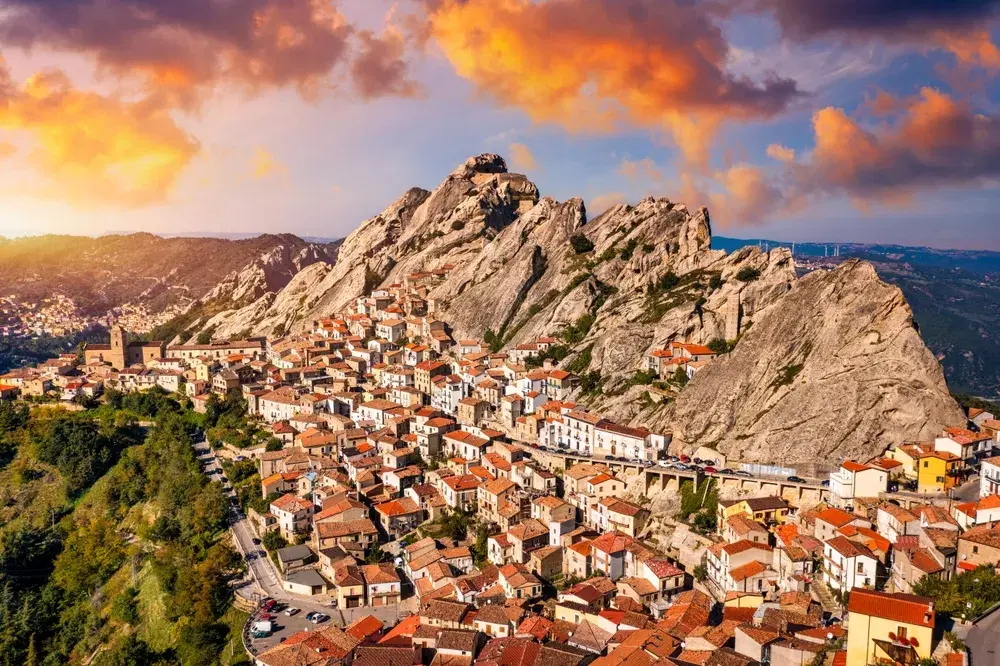
- The Lucanian Dolomites, dramatic peaks with alpine character
- The vast wilderness of Pollino National Park, Italy’s largest
- Villages like Castelmezzano and Pietrapertosa, suspended between rock and sky
- A dual coastline on both the Ionian and Tyrrhenian seas
Basilicata is a region of contrasts - stone and sky, silence and scale.
Why it matters for your trip
Rushing Basilicata is the most common mistake. This is a place that rewards slow pacing and thoughtful logistics, ideally over 3–4 nights. We strongly suggest pairing it with its neighbour Puglia, to get the best of both worlds. Browse through our Puglia Grand Tour Package to see what your itinerary could look like,
Insight & Curiosity
Matera was once called the shame of Italy due to extreme poverty conditions in the mid-20th century. Today, it is one of the country’s most celebrated destinations.
This transformation is not just urban renewal - it is symbolic of Italy’s ability to reinterpret its past without erasing it. Basilicata teaches you how to read that complexity.
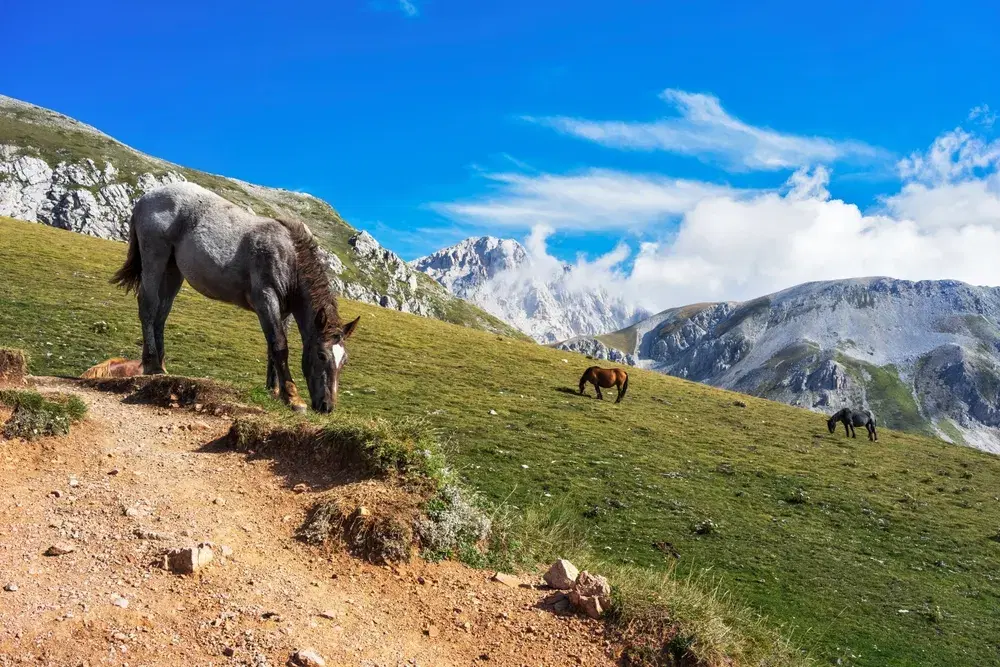
3. Abruzzo: Not Just Mountains, But Italy in Its Purest Form
The short answer: Abruzzo combines nature, culture, and coastline in one of Italy’s most balanced regions.
The misconception
Abruzzo is often seen as mountainous, remote, or secondary - a place you pass through rather than choose.
The reality
Abruzzo offers an extraordinary density of experiences:
- Three national parks, including one of Italy’s oldest protected areas
- Medieval villages like Santo Stefano di Sessanio
- A refined Adriatic coastline with trabocchi (traditional fishing structures)
- Strong culinary identity rooted in both land and sea
It is one of the few regions where you can move from mountains to coastline in under an hour.
Why it matters for your trip
Abruzzo is ideal for travelers seeking variety without fragmentation. It works beautifully in 3–5 night itineraries, especially for those who want nature without sacrificing comfort.
Insight & Curiosity
Abruzzo has long been known as the green heart of Europe due to its high percentage of protected land.
This is not branding - it reflects a cultural choice. Preservation here is not a trend but a legacy, shaping everything from architecture to cuisine.
Our Travel Designers would be delighted to craft a personalized itinerary for you, so just ask us for a quote whenever you want!
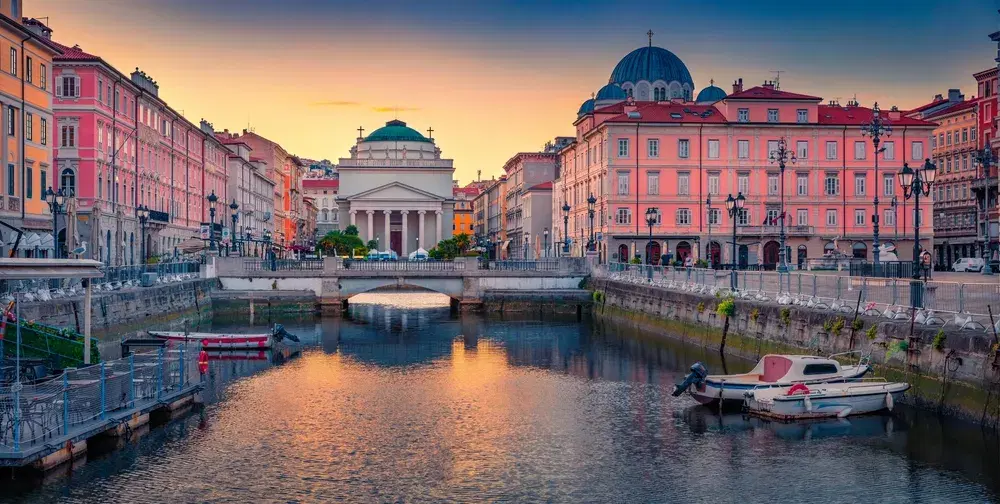
Friuli Venezia Giulia: Italy’s Most Elegant Cultural Intersection
The short answer: Friuli Venezia Giulia is one of Italy’s most intellectually rich and rewarding regions.
The misconception
Too far. Too unfamiliar. Not part of the “classic Italy” people think about.
The reality
Friuli Venezia Giulia sits at a unique crossroads of Latin, Slavic, and Germanic cultures. Within a compact region, you find:
- Roman heritage in Aquileia, a UNESCO site of immense importance
- The refined, literary atmosphere of Trieste
- Wine regions like Collio, among Italy’s finest
- Alpine landscapes and Adriatic elegance in close proximity
This is Italy with a broader European conversation.
Why it matters for your trip
For travelers who value culture, gastronomy, and intellectual depth, this region offers one of the most rewarding itineraries in Italy, ideally over 3–4 nights. A smart idea would be to link it with a visit to Veneto and Venice - Trieste and Venice are just under 2h apart! Send us an email to explore this idea.
Insight & Curiosity
Trieste was once the main port of the Austro-Hungarian Empire, not Italy.
That legacy still shapes its architecture, coffee culture, and mindset. Visiting Friuli Venezia Giulia is not about leaving Italy - it is about understanding how layered Italy truly is.
5. Marche: Not a Secondary Tuscany, But a More Honest One
The short answer: Marche offers Renaissance beauty without the performance.
The misconception
Marche is often described as a quieter Tuscany, implying it is a lesser version.
The reality
Marche stands on its own cultural foundation and you shouldn’t underestimate it:
- Urbino, a UNESCO-listed Renaissance center that influenced European art and thought
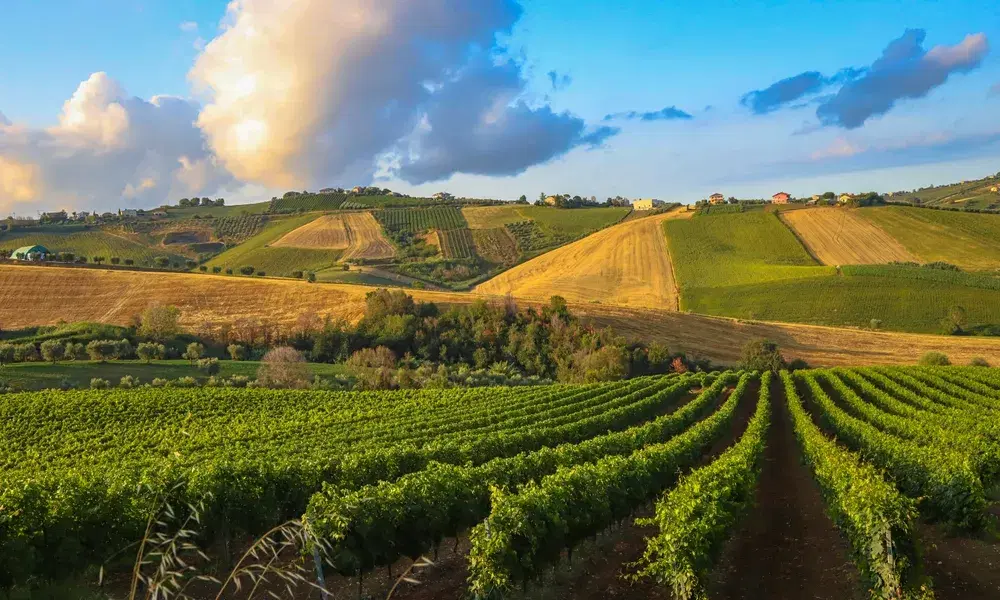
- Rolling hills, but with a more agricultural and less curated feel
- Adriatic beaches that remain accessible and authentic
- A strong artisanal tradition, from paper-making to footwear
There is beauty here - but still not so touristy - which makes it perfect for a quieter relaxing vacation.
Why it matters for your trip
Marche is ideal for those who want Tuscany-level aesthetics with greater privacy and ease. It works well as a 3–5 night stay, especially with a private driver to navigate its rural landscapes. It’s strategically close to Emilia Romagna and Lazio too, so it’s the perfect base for day trips to Rome, Bologna, and more.
Insight & Curiosity
Urbino was the court of Federico da Montefeltro, one of the most enlightened rulers of the Renaissance.
His vision turned a small hill town into a center of humanist thought. Marche reminds us that influence in Italy has never depended on size - it depends on vision and patronage.
6. Calabria: Beyond Stereotypes, Toward a Deeper Southern Experience
The short answer: Calabria is one of Italy’s most emotionally powerful regions - if approached correctly.
The misconception
Often reduced to stereotypes or dismissed for logistical concerns.
The reality
Calabria offers:
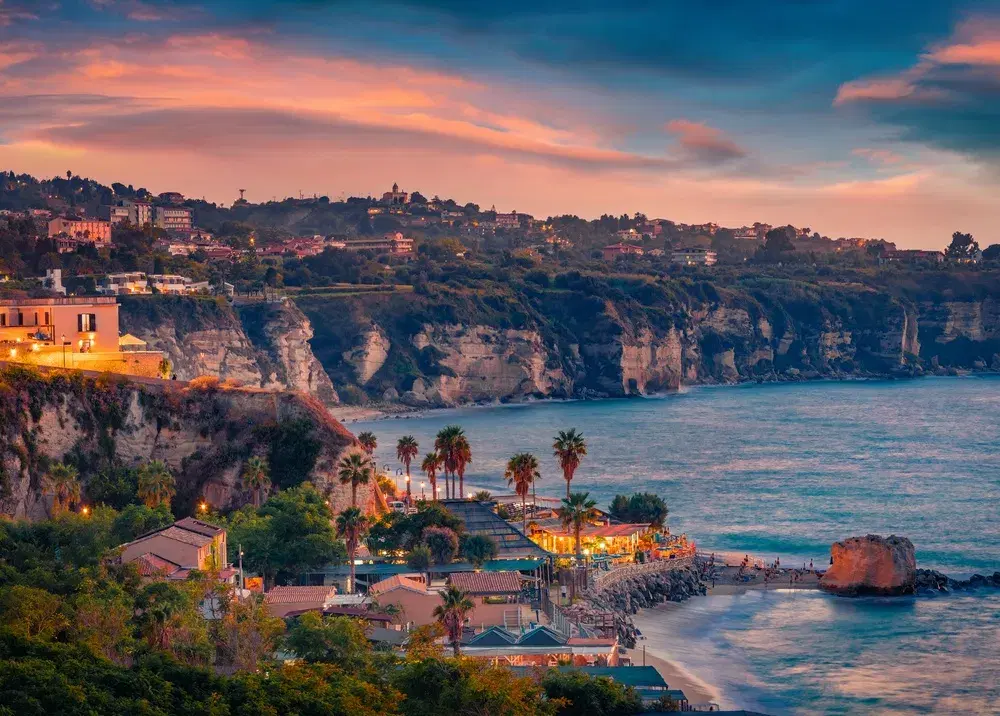
- Dramatic coastlines like Tropea, with crystal-clear waters
- Ancient Greek roots and layered history
- Distinct culinary traditions, bold and deeply local
- A slower, less mediated way of life
- It is not curated. And that is precisely its strength.
Why it matters for your trip
Calabria requires careful planning to unlock its full potential. With the right structure - private transfers, selected stays - it becomes a deeply rewarding 4–6 night journey and it can reward you with some of the best beaches you’ll ever see.
Insight & Curiosity
The Varia di Palmi, recognized by UNESCO as intangible cultural heritage, is a complex religious celebration involving an enormous structure carried through the town.
It reflects a communal identity that is still intensely alive. Calabria is not just a place you visit - it is a place you feel, often unexpectedly.
How to Travel These Regions Without Compromise
These regions are not difficult - but they are often mismanaged.
The difference between a frustrating trip and an extraordinary one lies in:
- Pacing: avoiding rushed, fragmented itineraries
- Logistics: coordinating transfers, especially in rural areas
- Access: securing the right guides, stays, and local experiences
- Sequence: combining regions in a way that feels natural, not forced
This is where a tailored approach becomes essential. With the right planning, these “misunderstood” regions become the most memorable part of your journey.
Since these Regions are yet to be discovered by non-Italians, they tend to not be included in classic itineraries. Choose true Italian-based Travel Designers to create your personalized itinerary to italy - like us at Play Italy. See our contacts page to get in touch with us!
FAQ: Planning a Trip to Italy’s Lesser-Known Regions
Are these regions harder to visit than major destinations?
Not necessarily - but they require more thoughtful planning, especially for transportation and timing.
When is the best time to go?
Spring (April–June) and early fall (September–October) offer the best balance of weather, availability, and atmosphere.
How many regions should I include in one trip?
For a premium experience, focus on 2–3 regions maximum over 10–14 days to avoid fatigue.
Do I need a car?
In many cases, yes - that’s why we always include private transfers with a private driver. This ensures comfort and flexibility, especially in rural areas.
Your unforgettable Italian Journey awaits with Play Italy
Here at Play Italy, we are dedicated to transforming your exploration of Italy’s natural wonders into a seamless and unforgettable experience. Whether you’re marveling at the majestic peaks of the Dolomites, relaxing by the serene waters of Lake Como, savoring the rolling hills of Tuscany, or soaking in the stunning coastal views of the Amalfi Coast, our Travel Designer service is here to tailor your adventure to your tastes. Through a dedicated free call, you can speak directly with one of our Travel Designers and begin shaping a journey that reflects your pace, preferences, and expectations. We ensure that each moment is not just seen, but truly experienced.
For more inspiration on how to weave these natural delights into your travel itinerary, we invite you to subscribe to our Play Italy newsletter. By joining our community, you’ll receive expert travel tips, seasonal insights, and early access to what’s coming next - along with a special discount code to use on your first journey with us. If you’re considering a journey and would like to explore it with us directly, you’re always welcome to get in touch via email or WhatsApp to start a personal conversation.
Choose one of our itineraries and let Play Italy open the door to a world where each sight is a story and each landscape becomes a lasting memory. Come play with us, and let us turn your Italian holiday into a refined, meaningful experience. Your dream of Italy awaits - let’s bring it to life, together.
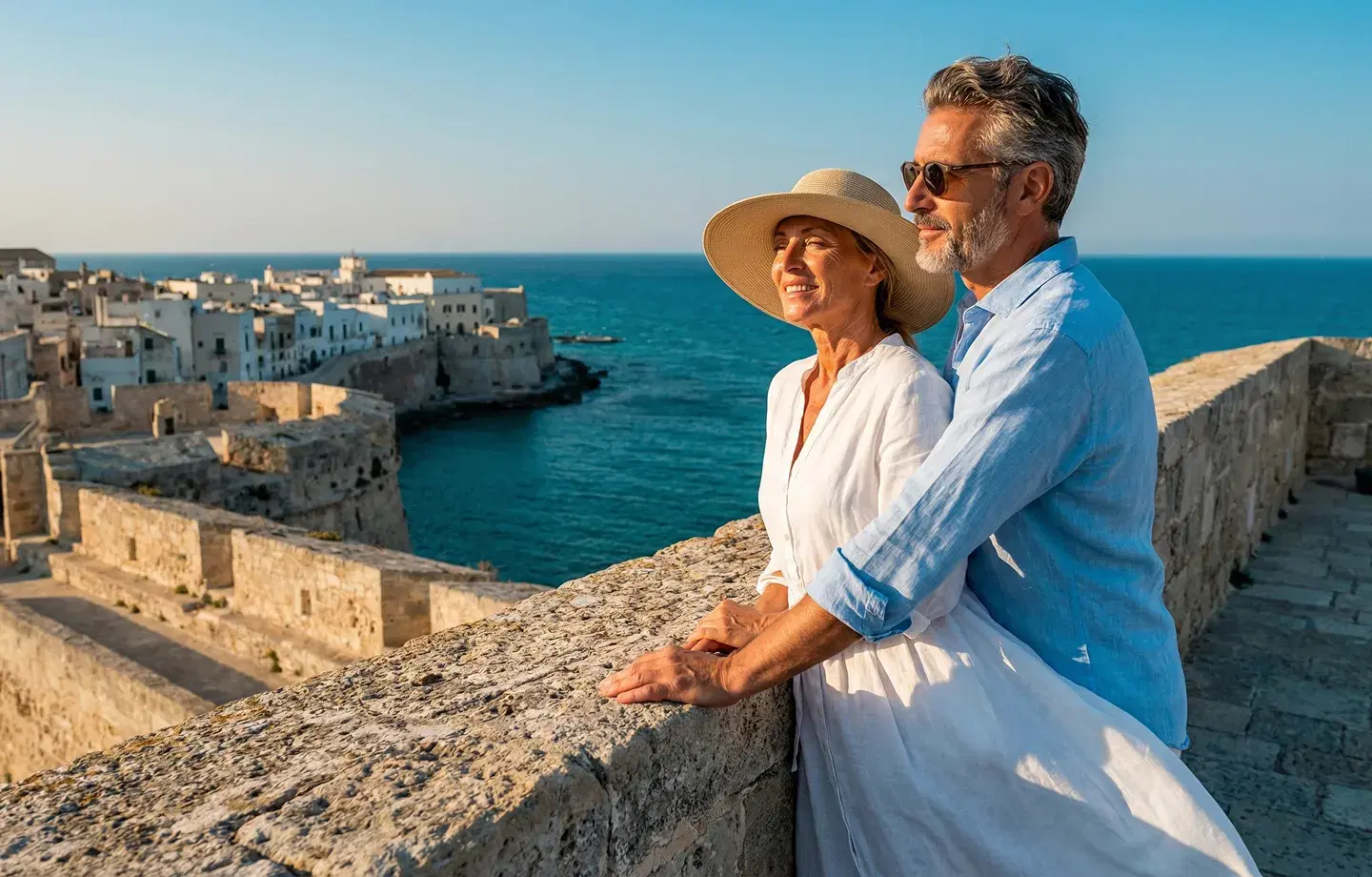
Puglia Grand Tour: Villages, History and Flavors of Southern Italy
7 days 6 nights
7 Destinations
From $3,269
in double room