Play Italy
Choose Northern Italy for a fast-paced, art-and-city first trip with seamless train logistics. Choose Southern Italy for a slower, warmer trip built around coastline, ancient ruins and food. Neither is better - they're different products.
Northern Italy and Southern Italy each cover roughly a third of the country, with Central Italy in between. They share a flag, a language and the broad outline of a Mediterranean lifestyle, but the climate, the cuisine, the pace of travel and even the airports you fly into are noticeably different.
For a first trip with limited days, the choice between them shapes the entire itinerary, and in our experience it is the call worth making before any other.
Still deciding? Three questions usually settle it: When are you traveling - summer heat favors the coast, shoulder season favors cities? How many days do you have - under 10 usually means picking one half, not both? What matters more - museums and structured days, or beaches and slow afternoons?
Quick Facts: Northern Italy vs Southern Italy
For travellers planning their first trip to Italy, these are the figures that matter most.
- Main entry airports: Milan Malpensa (MXP), Venice Marco Polo (VCE) and Turin (TRN) in the north; Rome Fiumicino (FCO), Naples Capodichino (NAP) and Catania (CTA) in the south
- Minimum days we suggest in one half alone: 7 to 10
- Days we recommend for a meaningful combined trip: 12 to 16
- Best months for Northern Italy: May, June, September and early October
- Best months for Southern Italy: late April through June, then mid-September through October
- Physical level: moderate in the north; variable in the south, with coastal stairs, hilly old towns and uneven streets
- Transport ease: high in the north thanks to efficient high-speed rail; best handled with a private driver in the south
- Cost profile: generally higher in the north, lower in the south outside the Amalfi Coast, Capri and Taormina
Which Regions Count as North, Centre or South
Italy is officially divided into 20 regions. Here is where each one falls:
- North: Lombardy, Veneto, Piedmont, Emilia-Romagna, Liguria, Trentino-Alto Adige, Friuli-Venezia Giulia and Valle d'Aosta
- Centre: Tuscany, Umbria, Le Marche and Lazio
- South (including the islands): Campania, Puglia, Calabria, Basilicata, Abruzzo, Molise, Sicily and Sardinia
Northern Italy at a glance
Northern Italy is the more frictionless half of the country for a first trip. It spans from the Alpine border to the Po River valley and covers eight regions, including Lombardy, Veneto, Piedmont, Emilia-Romagna and Liguria. It borders France, Switzerland, Austria and Slovenia, and the proximity shapes the cities: trains run on time, restaurants take reservations, hotels in Milan and Venice match international expectations.
The north suits travellers focused on art, architecture, structured cities and refined countryside, with the Dolomites in late summer, the Italian lakes from May to September, and the gastronomic plains of Emilia-Romagna for parmesan, prosciutto di Parma and balsamic vinegar.
For travellers building a northern trip, our tailor-made Milan, Lake Como & Venice tour is the most popular starting point. You can also browse every itinerary we run in the Milan and the Lakes region and in Venice and Veneto, or read our guide to the best lakes in Northern Italy before deciding. Every Play Italy itinerary includes: private transfers, skip-the-line tickets for major sites and 4-star or 5-star accommodation, with a dedicated concierge available throughout your trip.
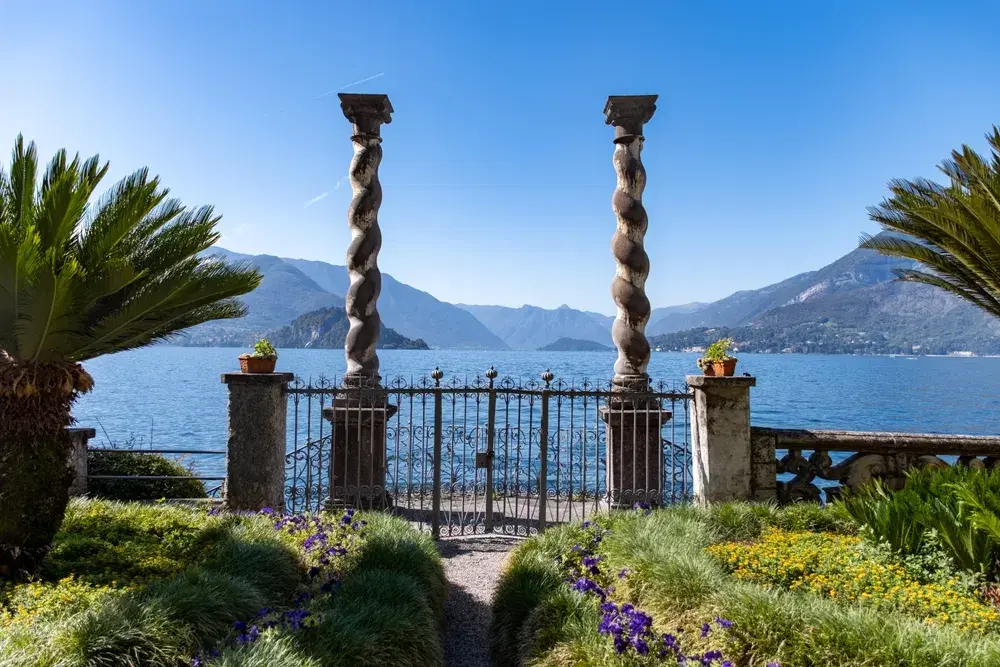
Southern Italy at a glance
Southern Italy is warmer, slower and emotionally deeper. It stretches from Naples down to Calabria and Puglia, then crosses the sea to Sicily and Sardinia. Here you find the Amalfi Coast, Pompeii and Herculaneum, the trulli of Alberobello, the Sassi of Matera, Greek temples in Sicily, and the most distinctive Mediterranean food culture in the country.
It is not the easier first trip on paper, but for many travellers it becomes the one they remember most. The south rewards travellers who arrive with a plan and a driver: trains thin out below Naples, roads in Puglia and Sicily are scenic but slower than the north's autostrade. This is exactly the kind of region where having private transfers organised for you, hand-picked hotels and a concierge on call removes the friction without removing the discovery.
To explore what is possible across the region, we recommend our Best of Southern Italy: from the Amalfi Coast to Puglia tour, or all itineraries in Naples and the Amalfi Coast, Puglia and Matera and Sicily. Every tour can be adjusted to your pace, your dates and your preferences. Would you prefer something completely customised around your travel style? Book a free call with one of our Travel Designers and we will build it from scratch
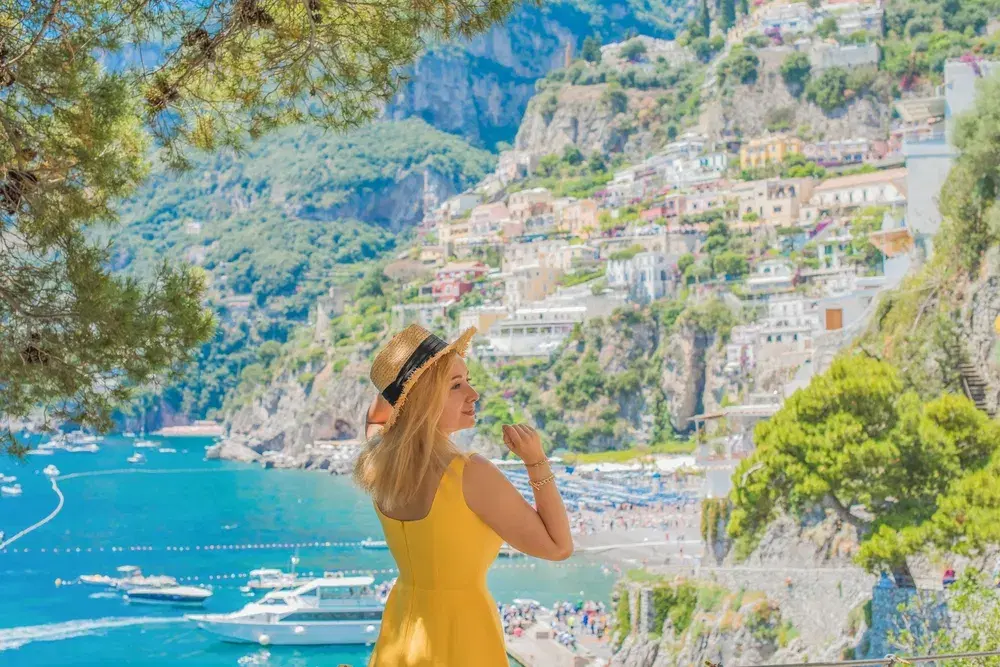
Northern Italy vs Southern Italy: the key differences that matter for your trip
These are the five practical dimensions our Travel Designers walk clients through when a decision is still open.
Climate and best season to visit
The best time to visit Northern Italy is May, June, September and early October, while Southern Italy stays beach-warm well into October and is enjoyable from late April. Northern summers can be hot in the cities, with Milan and Verona regularly above 32°C in July and August, but the lakes and the Dolomites stay comfortable.
The south is mild in winter, genuinely hot in summer, and at its most refined in the shoulder seasons. For travellers from the United States with limited days, we usually recommend May and early October as the most rewarding windows in either region.
Food and wine: two culinary worlds
Northern Italian cooking is built on butter, rice, beef and aged cheeses, while Southern Italian cuisine centres on olive oil, tomatoes, seafood and dried pasta - the classic Mediterranean Diet. The north gave us risotto alla milanese, tagliatelle al ragù bolognese, Parmigiano-Reggiano, Barolo and Franciacorta. The south gave us Neapolitan pizza, orecchiette with cime di rapa, Sicilian arancini, Aglianico and the entire Mediterranean diet recognised by UNESCO as Intangible Cultural Heritage of Humanity. Wine lovers tend to split their trips: Piedmont and Veneto for structured reds and sparkling whites, Sicily and Campania for volcanic, sun-driven wines.
Pace, comfort and what daily travel feels like
Northern Italy moves at a faster, more efficient pace, while Southern Italy rewards slower travel and private logistics. In the north, a typical day might mean breakfast in Milan, a morning train to Lake Como, lunch on the lake and an evening back in Milan, without renting a car.
In the south, the same day might mean a private transfer along the Amalfi Coast with two coastal stops and a long lunch, because the roads do not allow rushing. The north feels closer to Switzerland with better food; the south feels closer to Greece with deeper history. Neither is better. They are different products.
Cost: what you will actually pay in each region
Northern Italy is generally more expensive for hotels, restaurants and shopping, with the clear exceptions of the Amalfi Coast, Capri and Taormina, which match or exceed northern prices. Milan, Venice and Cortina d'Ampezzo are among the costliest Italian destinations in any season, while Puglia, Calabria and inland Sicily still offer outstanding value.
For premium tailor-made itineraries the gap narrows considerably, because the south's luxury masserie and converted palazzi in Matera and Lecce often deliver more character per dollar than a comparable hotel in Milan.
Transport and logistics: hub airports, train vs driver
Northern Italy's high-speed train network connects Milan, Venice, Turin, Bologna and Florence in journeys of thirty minutes to two and a half hours, while Southern Italy is best explored with a private driver below Naples.
From a US point of departure, the most efficient gateways are Rome Fiumicino (FCO) for the south and centre, Milan Malpensa (MXP) for the north, and Naples Capodichino (NAP) when you are heading straight to the Amalfi Coast or Puglia. We usually recommend flying into one airport and out of another to avoid backtracking, and every Play Italy tour includes private airport transfers on both ends.
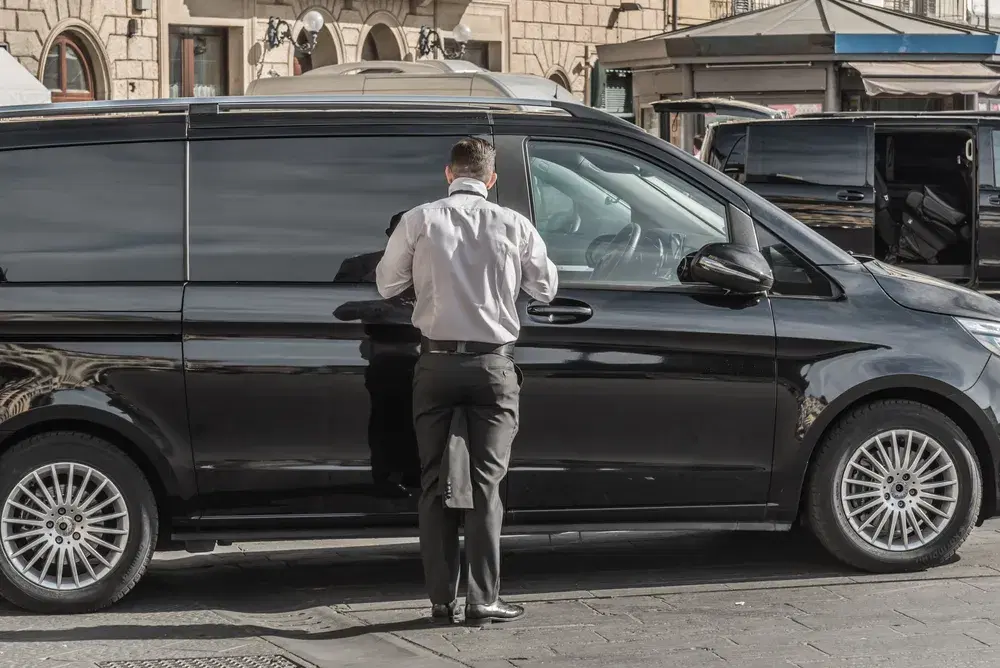
If you would like help mapping airports, transfers and pacing for your dates, you can book a complimentary call with a Play Italy Travel Designer or reach us directly on WhatsApp before locking flights
Where you should go first: by traveller profile
After more than a decade designing Italian itineraries, we see clear patterns. These are the profiles where the answer becomes easier.
First-time visitors with 7 to 10 days
For a first trip we usually recommend starting in the north or in central Italy rather than the deep south. High-speed trains, English-friendly hotels and predictable logistics let you focus on the experience rather than on the planning. A common first itinerary blends Venice, Florence and Rome, with a day on Lake Como or in Tuscany. Our Rome, Florence and Tuscany: the ultimate trip is the most requested tailor-made itinerary in this profile, and you can also browse every tour we run in Rome and Florence and Tuscany.
Returning travellers ready for something deeper
If you have already seen Rome, Florence and Venice, the south is where Italy opens up. The Amalfi Coast, Puglia, Matera and Sicily offer a richer, more emotional experience than most of the second-tier northern cities. Our private tailor-made Rome, Sorrento and the Amalfi Coast tour is designed for exactly this moment, and the Puglia Grand Tour: Villages, History and Flavors is what we suggest for travellers who want to go beyond the icons. Both tours are entirely modifiable, and if you would like to combine regions in a way we do not list, we will design it with you.
Foodies and wine lovers
Both halves reward food-focused trips, but the choice depends on the cuisine you want to chase. We suggest the north for risotto, truffles, prosciutto, balsamic vinegar and structured wines, with our Tuscany Harvest Tour: Chianti Wine Experience and the full Langhe and Piedmont collection as the strongest starting points. For the south, the Sicily full immersion tour and Puglia: dancing through traditions and local cuisine deliver more discovery per day than the same trip in the north.
Romantic trips and honeymoons
Northern Italy offers Lake Como, Venice and the Dolomites; Southern Italy offers the Amalfi Coast, Taormina and Puglia's masserie. The decision is mostly aesthetic. We suggest the lakes for couples who want classic European-Italian sophistication, with the Lake Maggiore Escape: Stresa and the Borromean Islands, and the south for couples who want sun, sea and a Mediterranean rhythm. The full Capri and Ischia Islands collection is a good place to start for the southern version. Honeymoons are the trips we most often build fully bespoke around a single date or anniversary, so feel free to tell us your vision and we will shape it.

Active travellers and outdoor lovers
The Dolomites in the north and Puglia, Sicily and Sardinia in the south offer the country's best outdoor experiences, but they are very different products. The Dolomites are for hiking, via ferrata and Alpine refuges from June to September, and skiing from December to March. The south is for coastal walking, sailing, cycling through olive groves and snorkelling in the Aeolian Islands. If sea-led activity is part of the dream, our Aeolian Islands Sailing: Volcanoes and Nature and our itineraries in Sardinia and the Dolomites are the three doors into this version of Italy.
Or do both: a tailor-made itinerary across Italy
For travellers with twelve days or more, we always recommend combining the two halves rather than choosing between them. The structure that works best in our experience is north to south, with Central Italy as a connector: Venice or Milan at the start, Florence and Tuscany in the middle, Rome and the Amalfi Coast at the end. This direction follows the climate (cooler to warmer), the energy (structured to slow) and the emotional arc of the trip.
Our private tailor-made Italy: Discover Each Side of the Country is built around exactly this principle, with private transfers between every region, skip-the-line access at the major sites, carefully selected 4-star and 5-star accommodation and a dedicated concierge throughout. For travellers with more time, Italy in 17 Days: Culture, Discoveries and Surprises adds the depth a shorter trip cannot fit, and The Italian Dream: Venice, Maranello, Sorrento and Rome is the version we suggest when art, history, food and engines are all on the wish list.
Every itinerary we publish is a starting point, not a fixed product. If you would prefer a trip designed entirely around your dates, your pace and your interests, book a free call with a Play Italy Travel Designer or write to us on WhatsApp and we will build it from a blank page.
Central Italy as a natural bridge
Central Italy is the third option many travellers overlook, and we think it is often the smartest first trip. Tuscany, Umbria, Le Marche and Lazio sit between the structured north and the slower south, with the country's densest concentration of Renaissance towns, hilltop villages and family-run wineries.
Umbria in particular is underrated by American visitors. Our private tailor-made Wellness Retreat in the Umbrian Hills is what we suggest when slow culture, food and wine are the priority, and you can browse the full Umbria collection or read our piece on the Renaissance cities of Italy beyond Florence before deciding.
FAQ: Northern Italy vs Southern Italy
Is Rome in Northern or Southern Italy? Rome is in Central Italy, not the south. It sits in the region of Lazio, roughly the geographic and political midpoint of the country. Most Italians and travel professionals classify Rome as central, even though it is the gateway airport for most southern itineraries.
Is Tuscany in Northern or Southern Italy? Tuscany is part of Central Italy, alongside Umbria, Le Marche and Lazio. It is north of Rome but well south of the Po River, which is the conventional dividing line between north and centre.
Is Sicily considered Southern Italy? Sicily is the largest region of Southern Italy and is administered as part of the south, with its own special-status autonomy. Sardinia, while often grouped with Sicily, lies west of the mainland and has a distinct cultural identity. Puglia, in the heel of the boot, is Southern Italy as well.
Is Naples in Northern or Southern Italy? Naples is solidly Southern Italy - the region's largest city and the unofficial capital of the south, roughly 140 miles south of Rome.
Is Milan in Northern or Southern Italy? Milan is in Northern Italy, in the region of Lombardy, close to the Alpine border with Switzerland.
Is Northern Italy better than Southern Italy? Neither is better. Northern Italy is more efficient, more structured and easier to combine into a polished first trip; Southern Italy is warmer, slower, less expensive outside the iconic spots and emotionally deeper. We usually recommend the north or the centre for a first visit, and the south for a return.
How many days do you need for Northern or Southern Italy? We recommend at least 7 to 10 days in either region to do it justice, and 12 to 16 days for a meaningful combined itinerary. Less than that is possible but tends to feel rushed for travellers coming from the United States.
What is the best way to travel between Northern and Southern Italy? The fastest option is the high-speed train from Milan or Venice to Rome or Naples, in roughly three to five hours. From Naples southward we recommend a private driver rather than regional trains, because the south rewards flexibility and scenic routes. Every Play Italy itinerary includes private transfers throughout, so you never wait for a connection or navigate a station alone.
Can I customize a Play Italy tour or do I have to book it as listed? Every tour on the Play Italy site is a starting point, fully customisable in length, pace, accommodation level and experiences included. If you prefer, we also build itineraries entirely from scratch around your dates and interests. The fastest way to start is a free call with one of our Travel Designers.
Your unforgettable Italian Journey awaits with Play Italy
Here at Play Italy, we are dedicated to transforming your exploration of Italy’s natural wonders into a seamless and unforgettable experience. Whether you’re marveling at the majestic peaks of the Dolomites, relaxing by the serene waters of Lake Como, savoring the rolling hills of Tuscany, or soaking in the stunning coastal views of the Amalfi Coast, our Travel Designer service is here to tailor your adventure to your tastes. Through a dedicated free call, you can speak directly with one of our Travel Designers and begin shaping a journey that reflects your pace, preferences, and expectations. We ensure that each moment is not just seen, but truly experienced.
For more inspiration on how to weave these natural delights into your travel itinerary, we invite you to subscribe to our Play Italy newsletter. By joining our community, you’ll receive expert travel tips, seasonal insights, and early access to what’s coming next - along with a special discount code to use on your first journey with us. If you’re considering a journey and would like to explore it with us directly, you’re always welcome to get in touch via email or WhatsApp to start a personal conversation.
Choose one of our itineraries and let Play Italy open the door to a world where each sight is a story and each landscape becomes a lasting memory. Come play with us, and let us turn your Italian holiday into a refined, meaningful experience. Your dream of Italy awaits - let’s bring it to life, together.
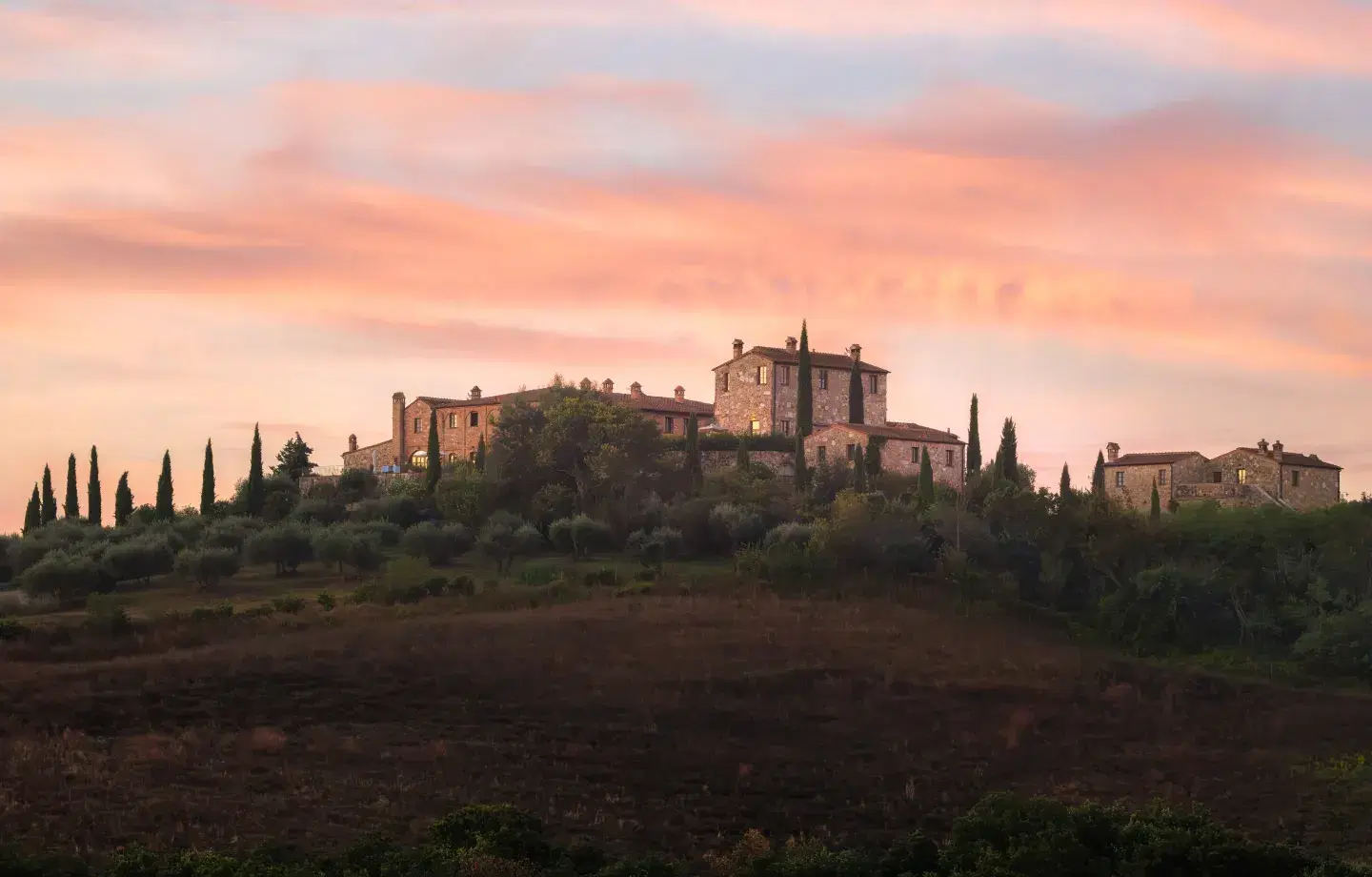
Wellness Retreat in the Umbrian Hills: Piloga, Organic Wines & SPA
3 days 2 nights
1 Destinations
From $1,015
in double room
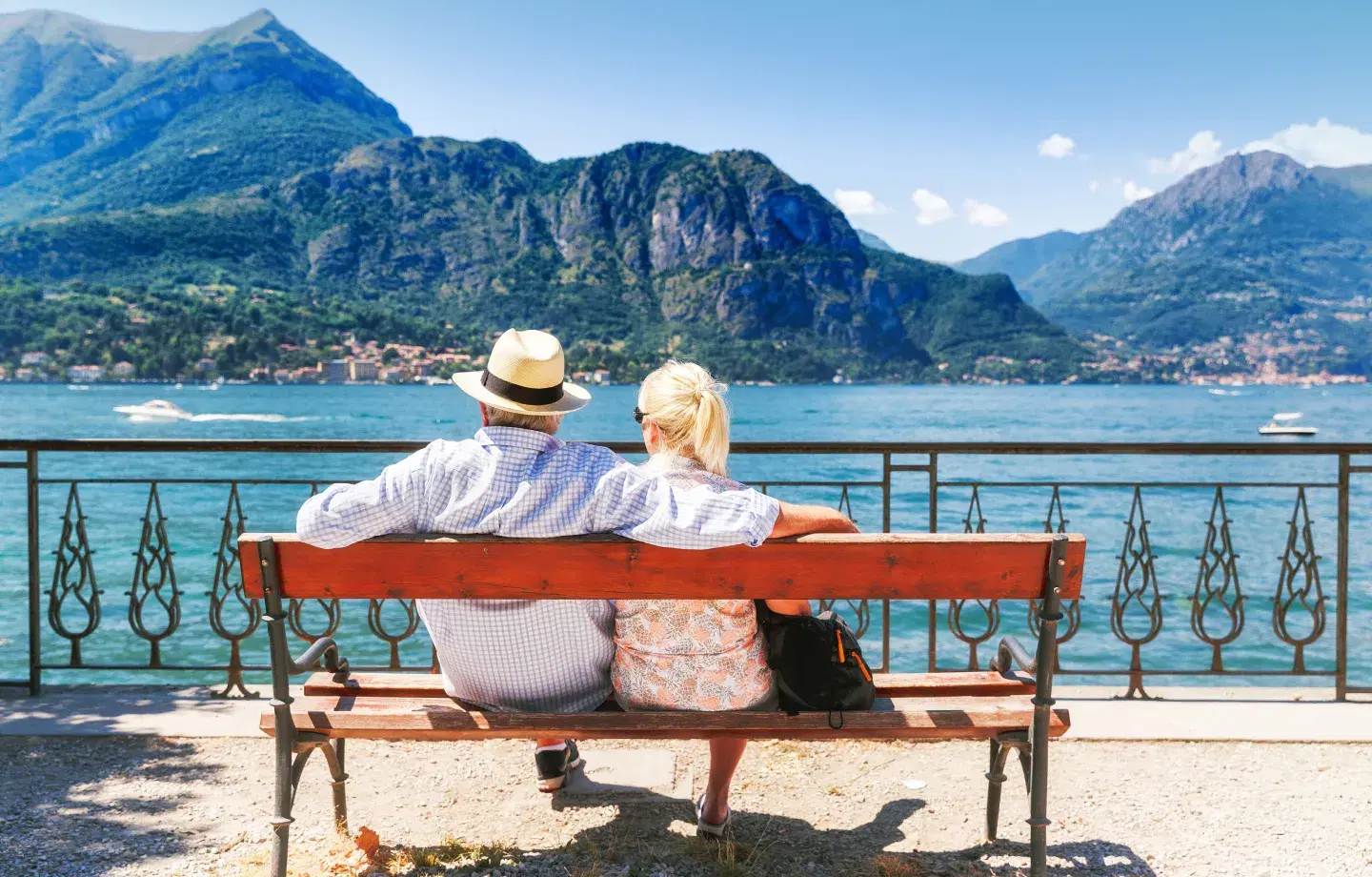
Milan and Lake Como: the gems of Northern Italy
4.9
4 days 3 nights
3 Destinations
From $1,756
in double room
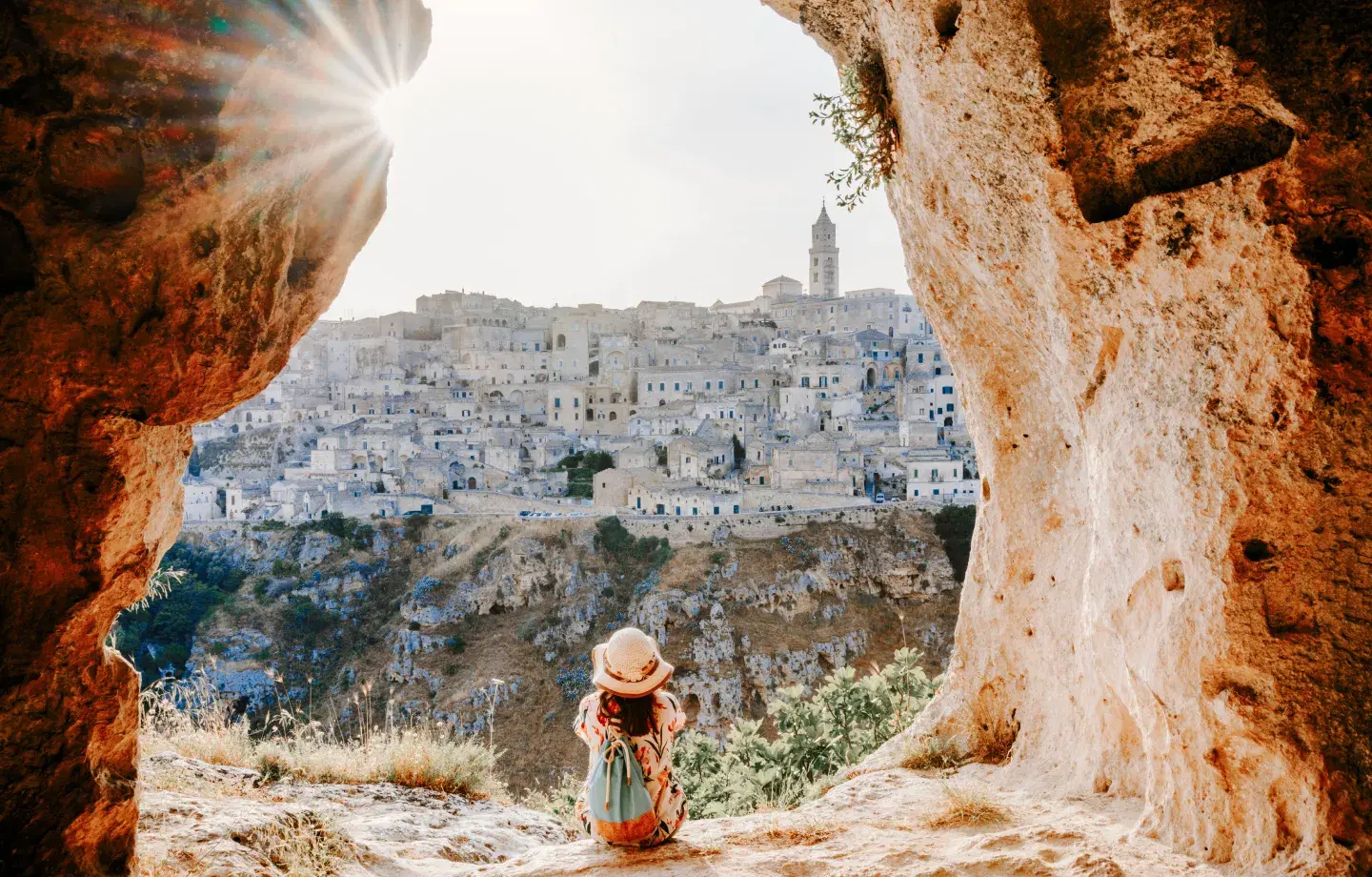
Italy: discover each side of the Country
5
13 days 12 nights
12 Destinations
From $6,115
in double room
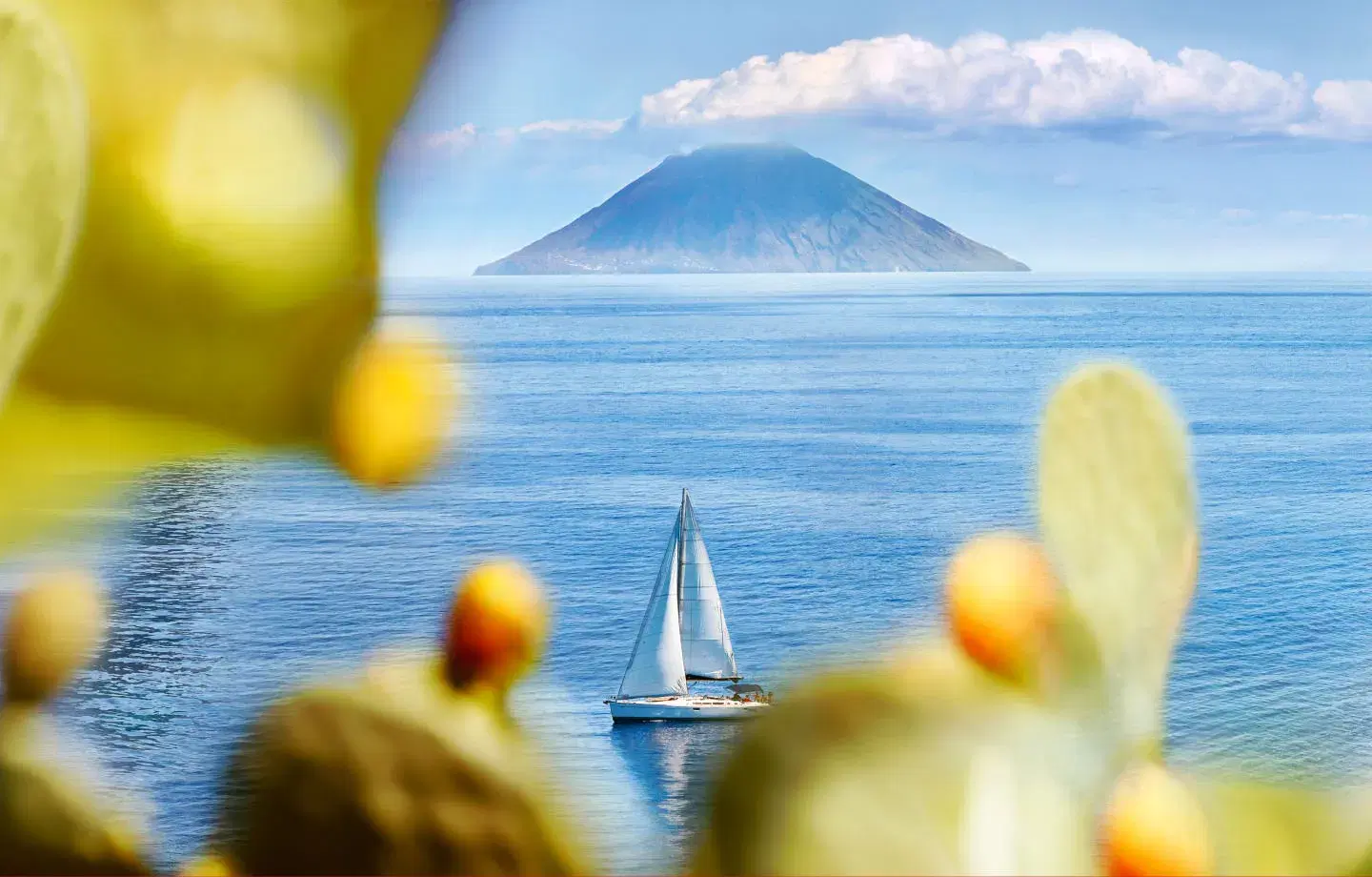
Aeolian Islands Sailing: Volcanoes, Nature, and Mediterranean Flavors
7 days 6 nights
6 Destinations
From $3,069
in double room
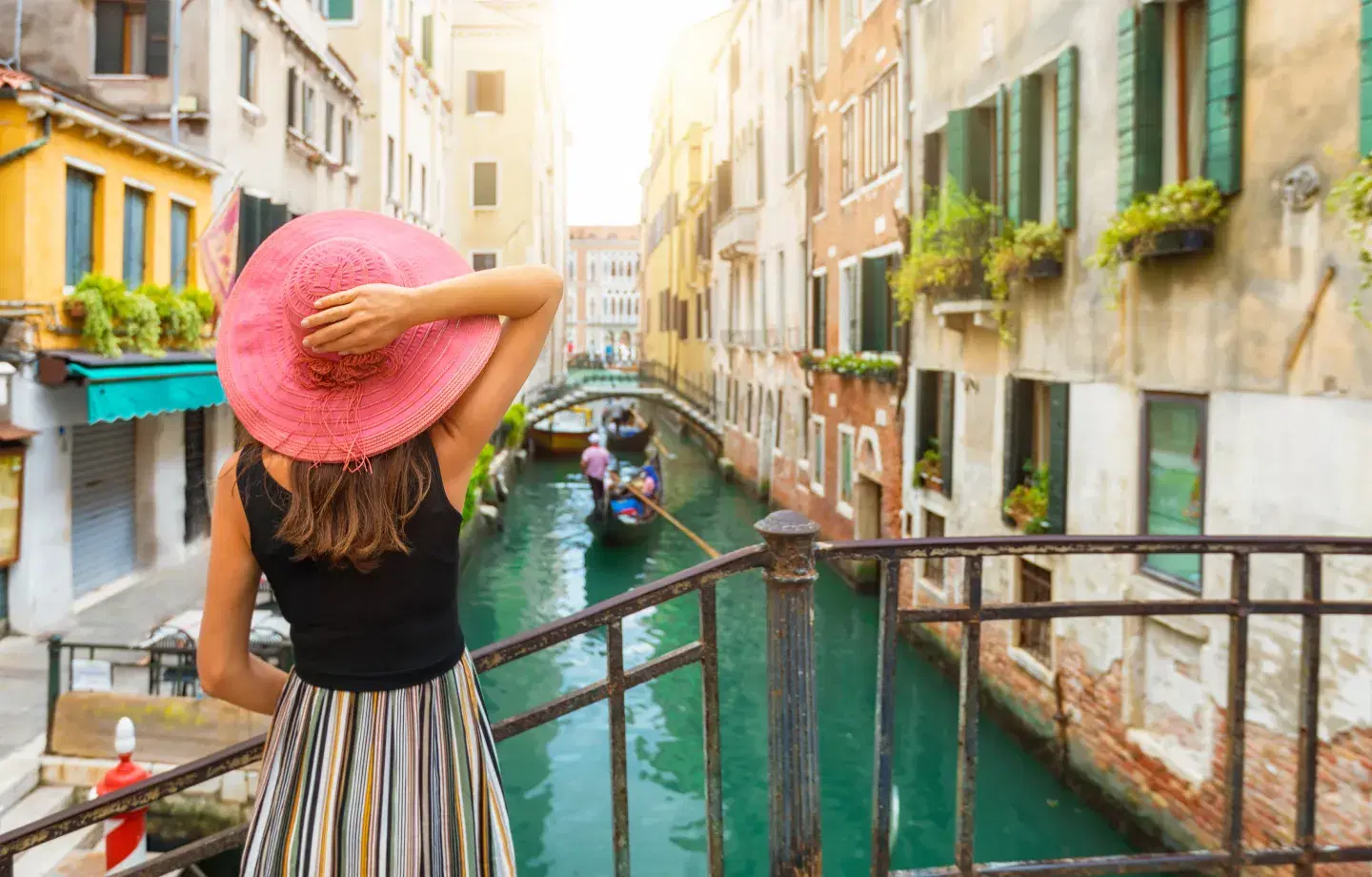
The Italian dream: Venice, Maranello, Sorrento and Rome among the art, history, food and engines
5
11 days 10 nights
12 Destinations
From $5,657
in double room
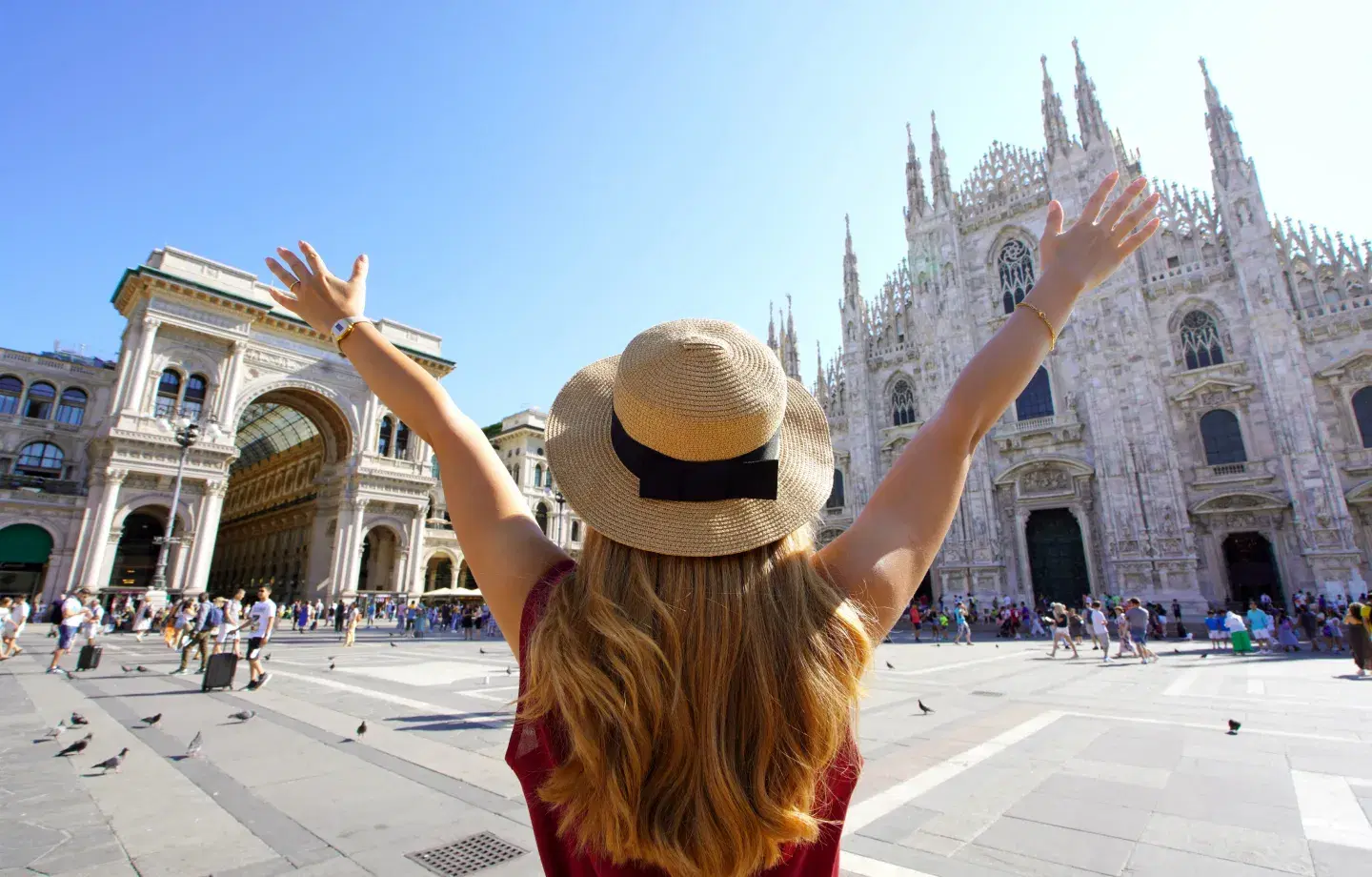
Milan, Lake Como & Venice: landscapes and history from the North
5
6 days 5 nights
4 Destinations
From $2,630
in double room
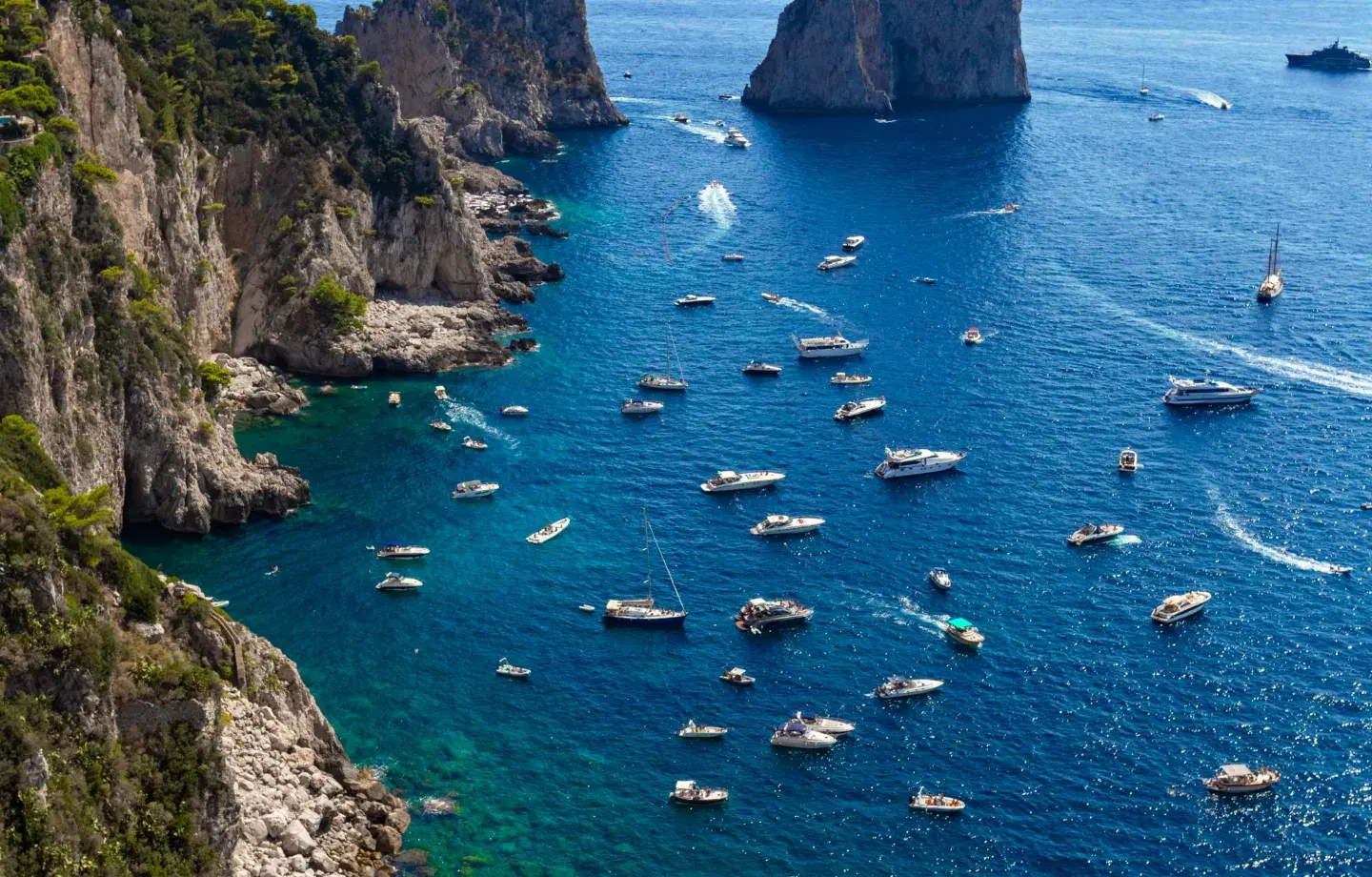
Naples and the Amalfi Coast: the complete experience
4.6
4 days 3 nights
5 Destinations
From $839
in double room
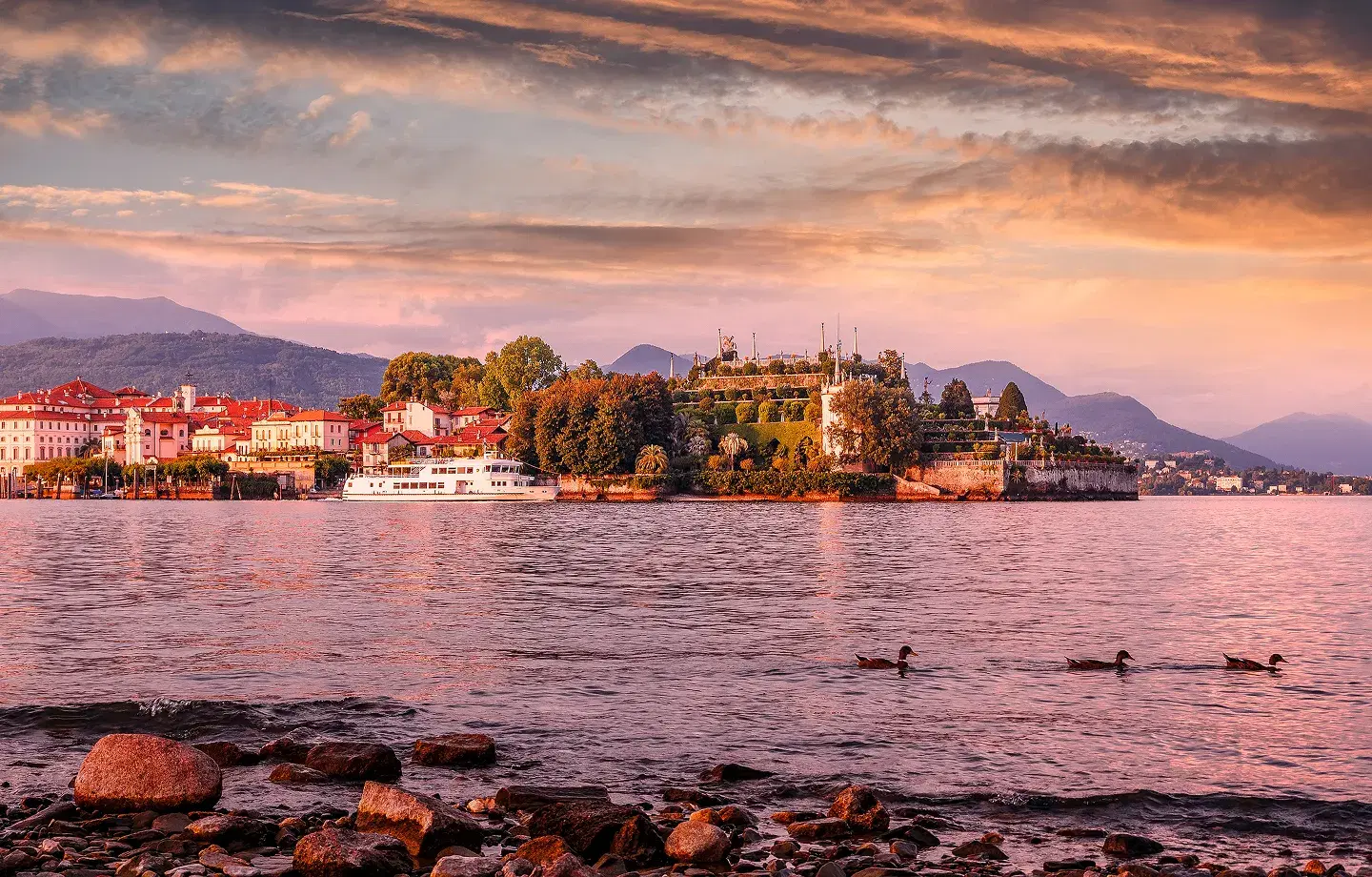
Lake Maggiore Escape: Stresa and the Borromean Islands
4 days 3 nights
3 Destinations
From $2,054
in double room
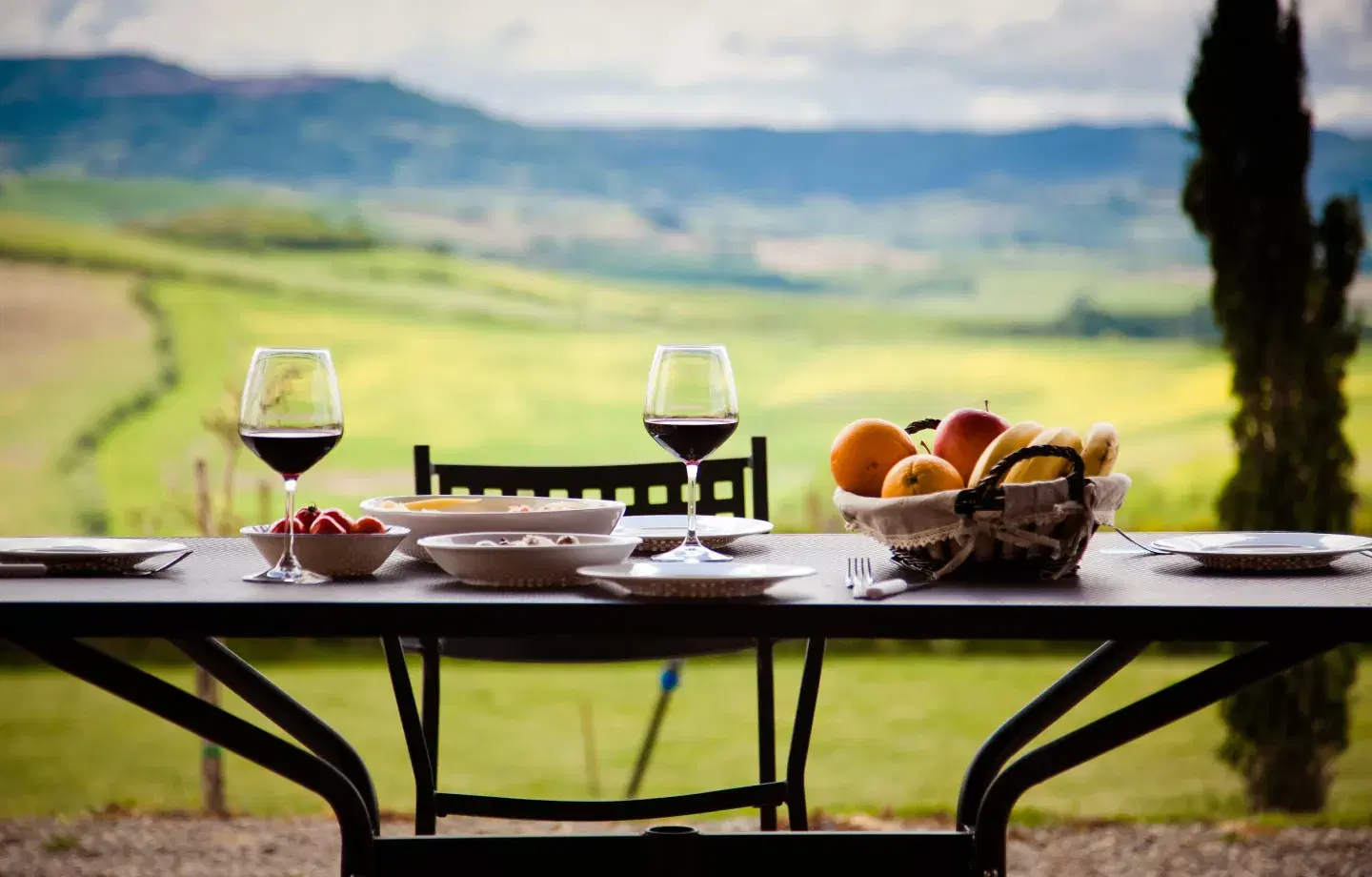
Tuscany Harvest Tour: Chianti Wine & Vineyard Experience
5 days 4 nights
2 Destinations
From $3,467
in double room
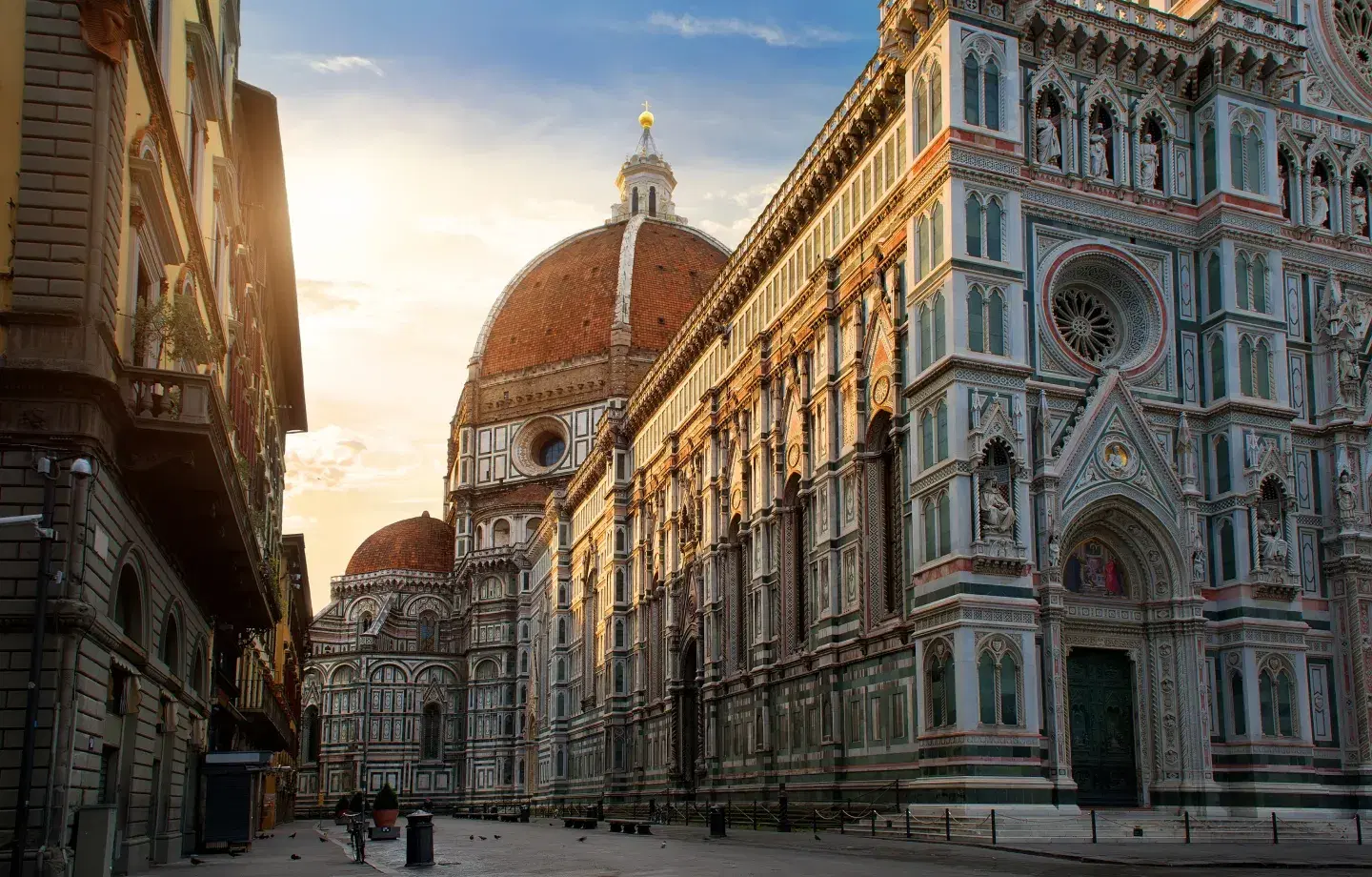
Rome, Florence and Tuscany: the ultimate trip for history and art
6 days 5 nights
5 Destinations
From $1,791
in double room
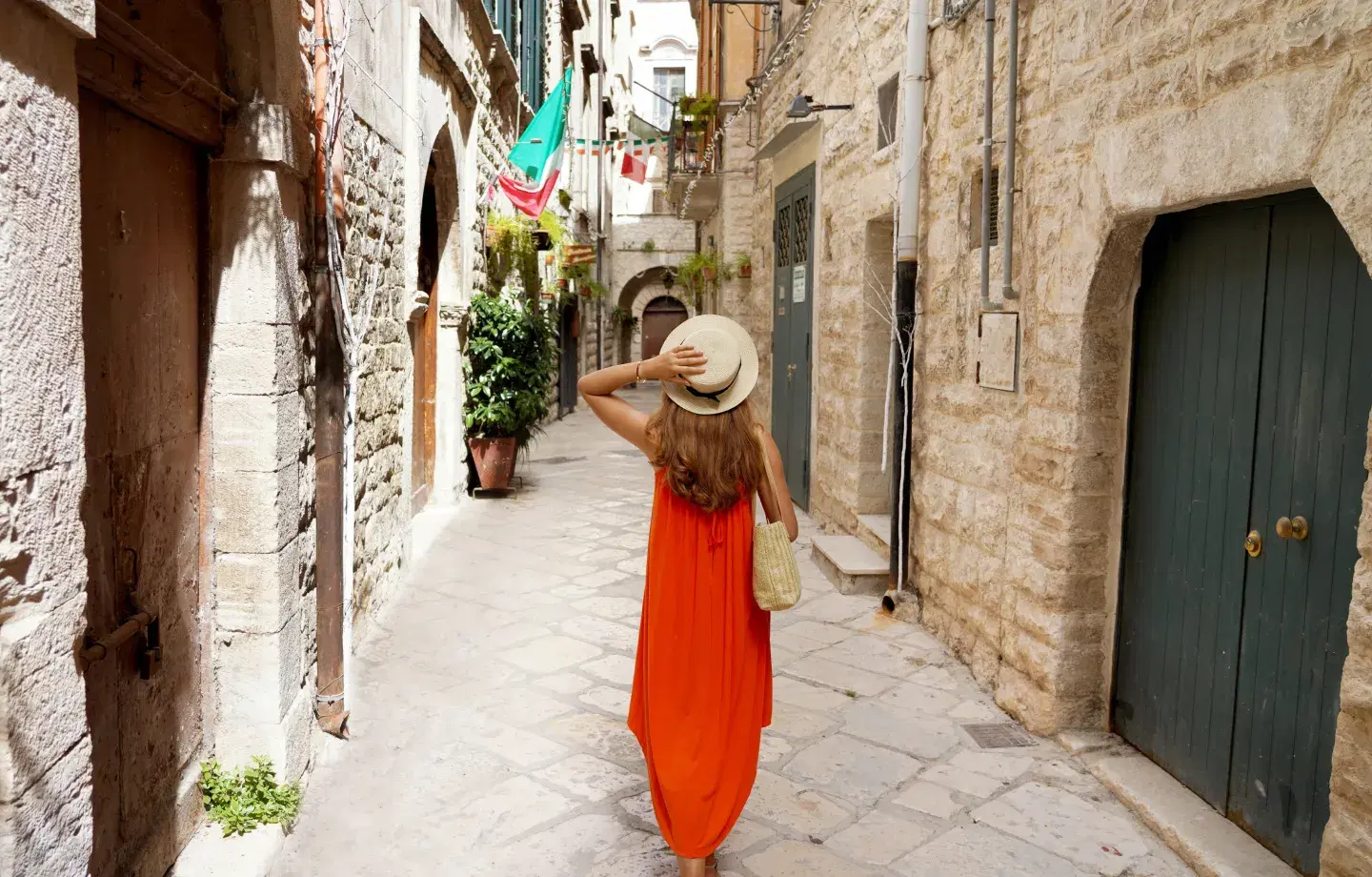
Puglia: dancing through traditions and local cuisine
9 days 8 nights
11 Destinations
From $6,943
in double room
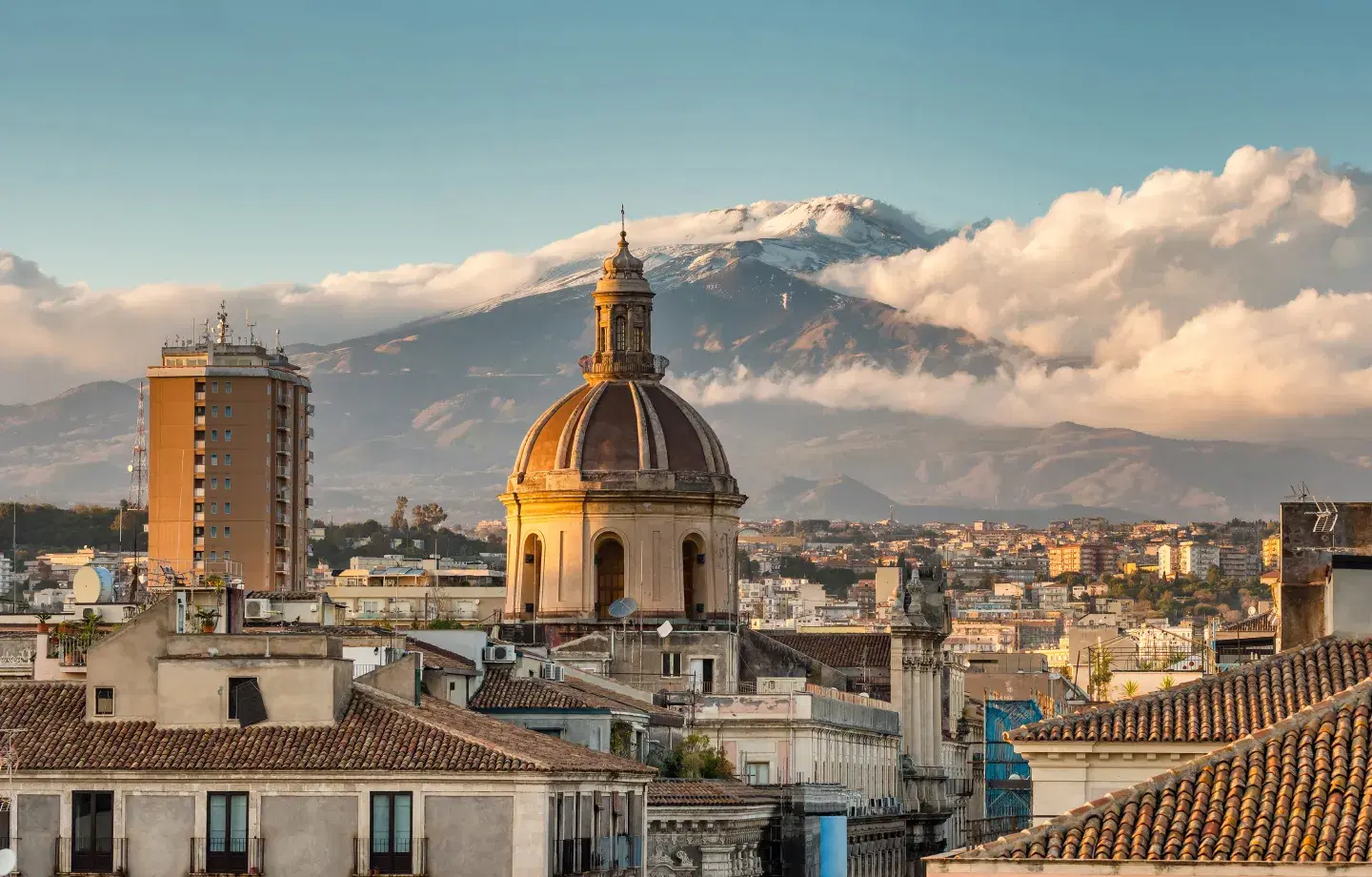
Sicily: a full immersion into the enchanting Mediterranean Island
5
8 days 7 nights
8 Destinations
From $7,586
in double room
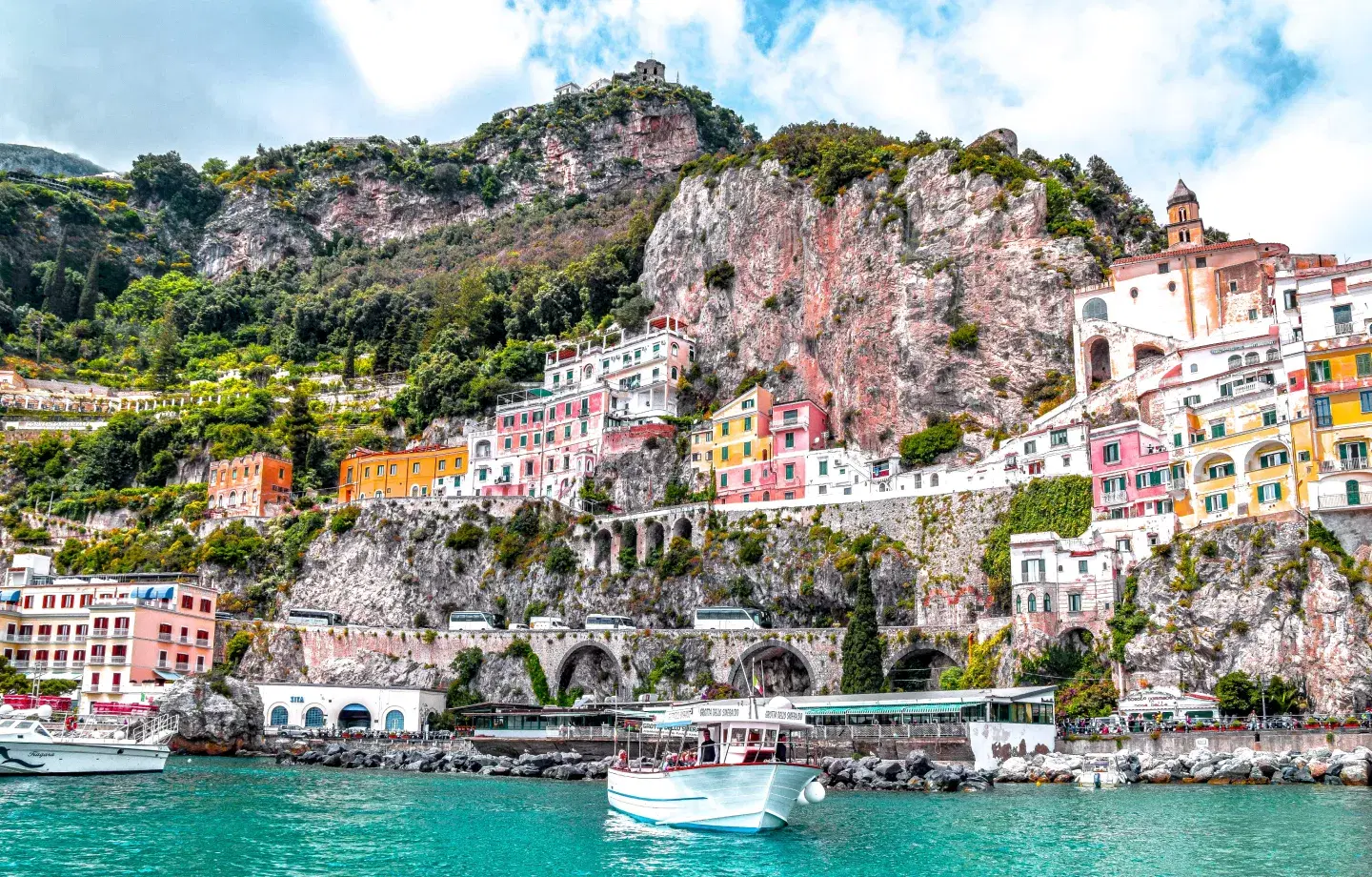
Rome, Sorrento and the Amalfi Coast: the core of Italian History
5
6 days 5 nights
7 Destinations
From $2,475
in double room
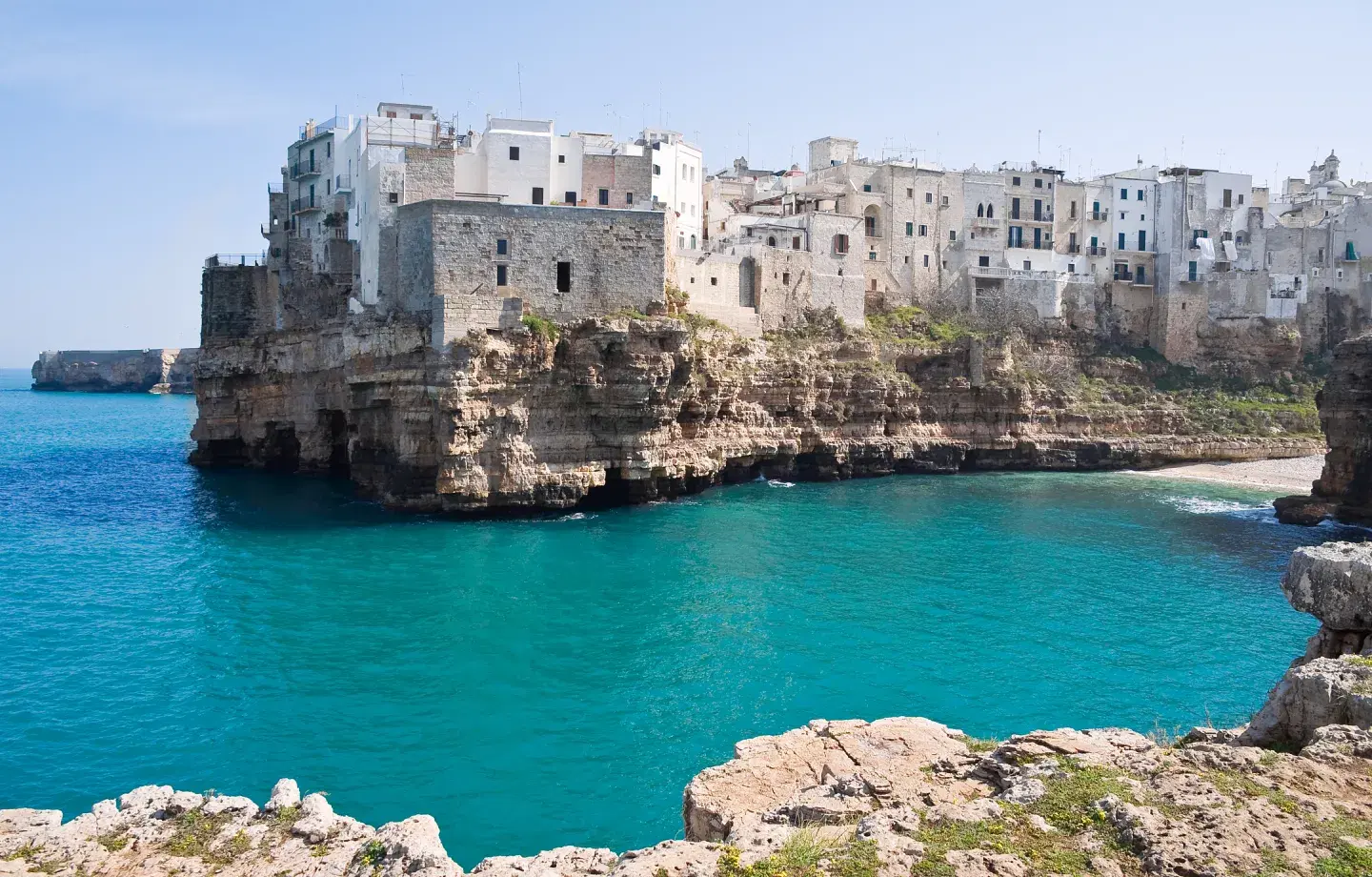
The best of Southern Italy: from the Amalfi Coast to Puglia
11 days 10 nights
16 Destinations
From $5,967
in double room
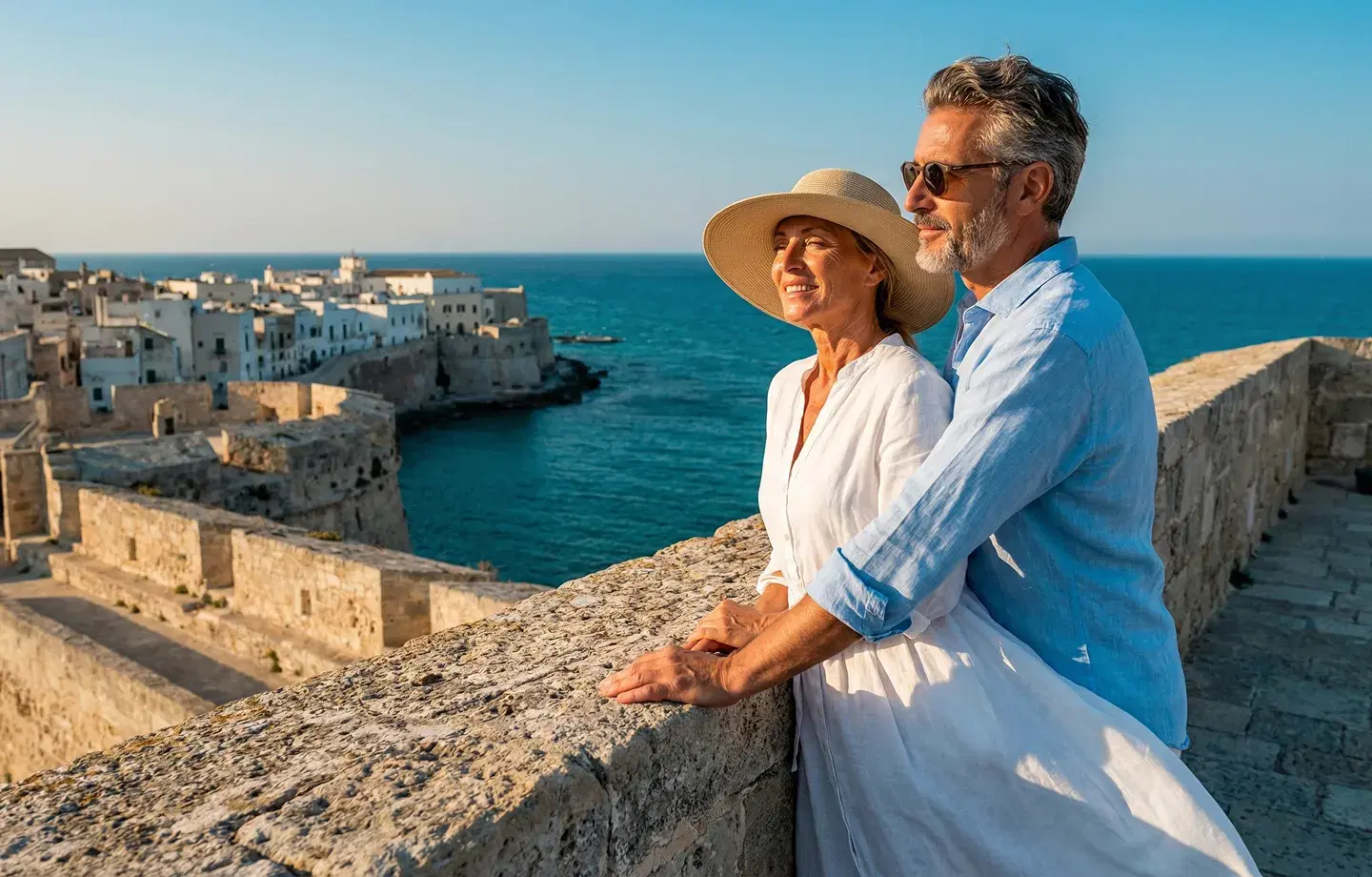
Puglia Grand Tour: Villages, History and Flavors of Southern Italy
7 days 6 nights
7 Destinations
From $3,269
in double room