Play Italy
The advice is everywhere, delivered with total confidence by every travel forum, lifestyle magazine, and well-meaning friend who has been: go to Italy in spring, go in fall, but whatever you do, not summer. And like most advice that achieves total consensus, it has stopped being accurate.
The truth is more useful: some Italian destinations are genuinely demanding in July and August. Others are calmer, more accessible, and measurably cheaper than they are in the shoulder months that everyone is now chasing. Knowing which is which - and approaching the difficult ones with a plan - is what separates an Italian summer that delivers from one that confirms the warnings.
This is what we have learned from years of building summer itineraries for clients who arrived with the same concerns and left with a very different view.
Quick Facts
- Best Italian cities for a summer visit: Rome, Florence, Venice - each measurably less visited in July than in April or May.
- Most logistically demanding in summer: Amalfi Coast, Cinque Terre - manageable with the right structure.
- Hotel pricing: Rome and Florence are generally less expensive in July than in September and October, when post-summer demand and conference season push rates up sharply.
- Venice access fee 2026: €5 per day-tripper (€10 for late bookers), applying on Fridays, Saturdays, and Sundays from April 3 through July 26 only; guests staying overnight in Venice are fully exempt.
- Ferragosto: August 15 - Italy's major summer public holiday; most state museums stay open on their standard schedule (note: the Vatican Museums are closed on August 14 and 15 specifically); many local shops and family-run restaurants close for part of the surrounding week.
- Advance booking: Timed-entry tickets to major museums should be reserved 4-6 weeks ahead; private guides and transfers earlier.
- Play Italy: All itineraries are fully private, with pre-booked access, licensed local guides, and a Dedicated Concierge for the duration of your stay.
The Assumption Most Travelers Get Wrong
The crowd narrative around Italian summers is built on a handful of genuinely difficult places - the Cinque Terre at noon in July, Positano on a Saturday in August, the Trevi Fountain at any point in peak season. These are real. But they describe a specific type of destination: narrow, coastal, accessible by day-trip. They do not describe Rome, Florence, or Venice in any accurate way.
The actual peak of tourism pressure in Italy's art cities falls in spring, not summer. Official data from the Centro Studi Turistici confirms that April and May were the busiest months in Florence in 2025, while July was the only month to record a decline in visitor numbers. This is not an anomaly - it reflects a structural shift in how people travel now. Spring has been so aggressively marketed as the intelligent alternative to summer that it has quietly become its own peak season.
The traveler who reschedules a July trip to May specifically to avoid the crowds is, in many cases, heading directly into them. We think it is worth saying this plainly, because it changes how a summer itinerary in Italy should be built.
If you want to go deeper on the crowd question beyond summer, our earlier piece Is Italy Too Crowded? covers it from a broader angle.
Rome in Summer: The City Empties Out
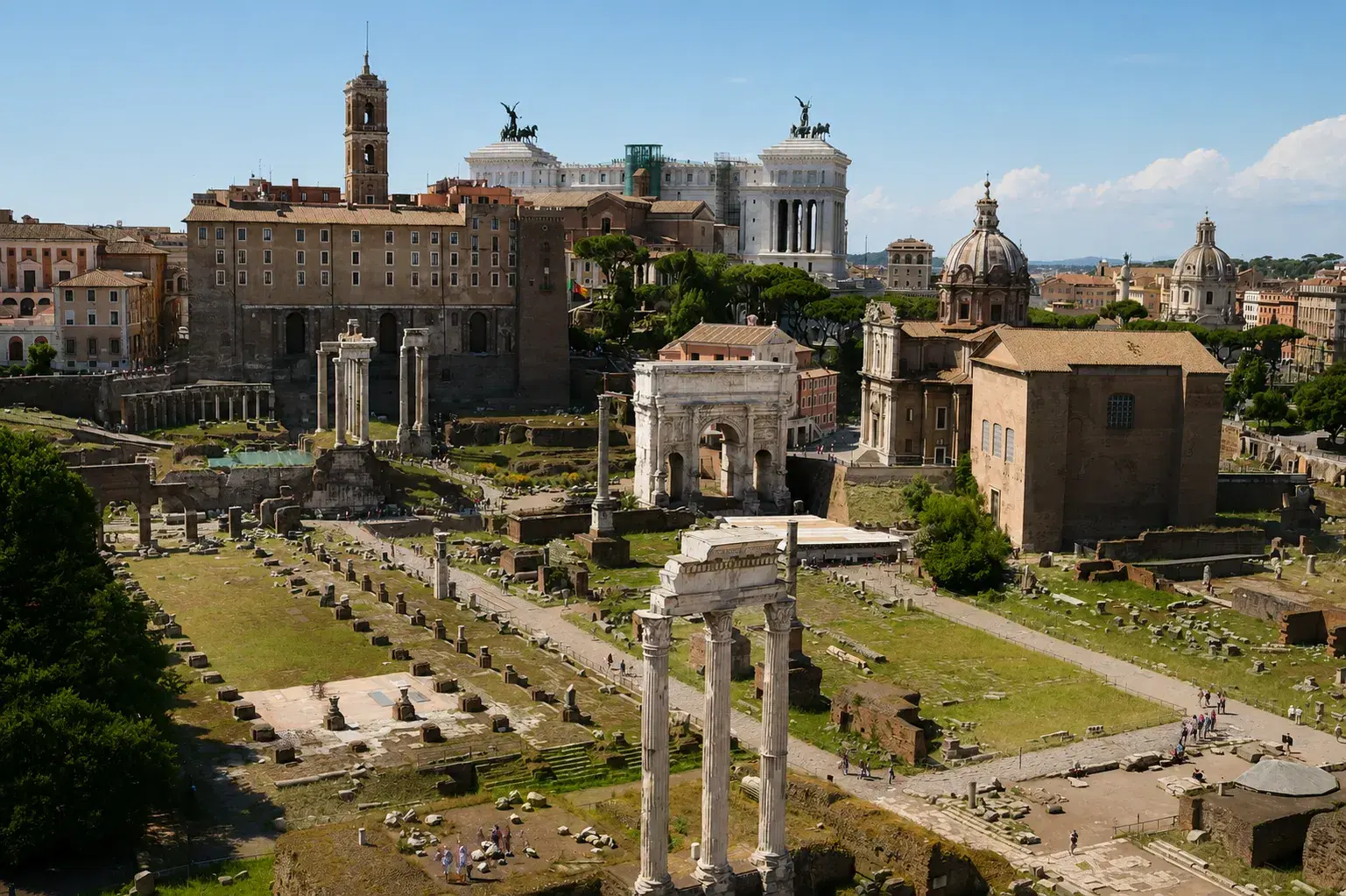
Rome in July is a city that most Italians have temporarily left. Roman families head to the coast; the school-group season ends in June; the cruise-ship day-tripper pressure is less concentrated than it is during the Easter period. The Colosseum, the Roman Forum, the Borghese Gallery - fully open, fully operational - are in our experience significantly easier to move through in July than during the spring rush or the October surge, when leisure demand returns sharply.
Hotel rates in Rome tend to be meaningfully lower in July than in September or October. For a traveler whose dates are fixed in summer, this is a genuine advantage, not a consolation. Premium properties that fill months in advance during autumn are often available - and at better value - in midsummer.
We usually advise structuring Rome in summer around early-morning access to outdoor archaeological sites and pre-booked timed entries for major museums. With a private guide who understands how a specific gallery moves on a Tuesday versus a Friday, the difference between a summer visit and a difficult one is largely a question of sequencing - not of season.
Our Rome: Art, History and Pizza short break is built around exactly this rhythm: a private, unhurried engagement with the city's essential sites, calibrated to work across the season.
Florence in July and August: When the Data Tells a Different Story
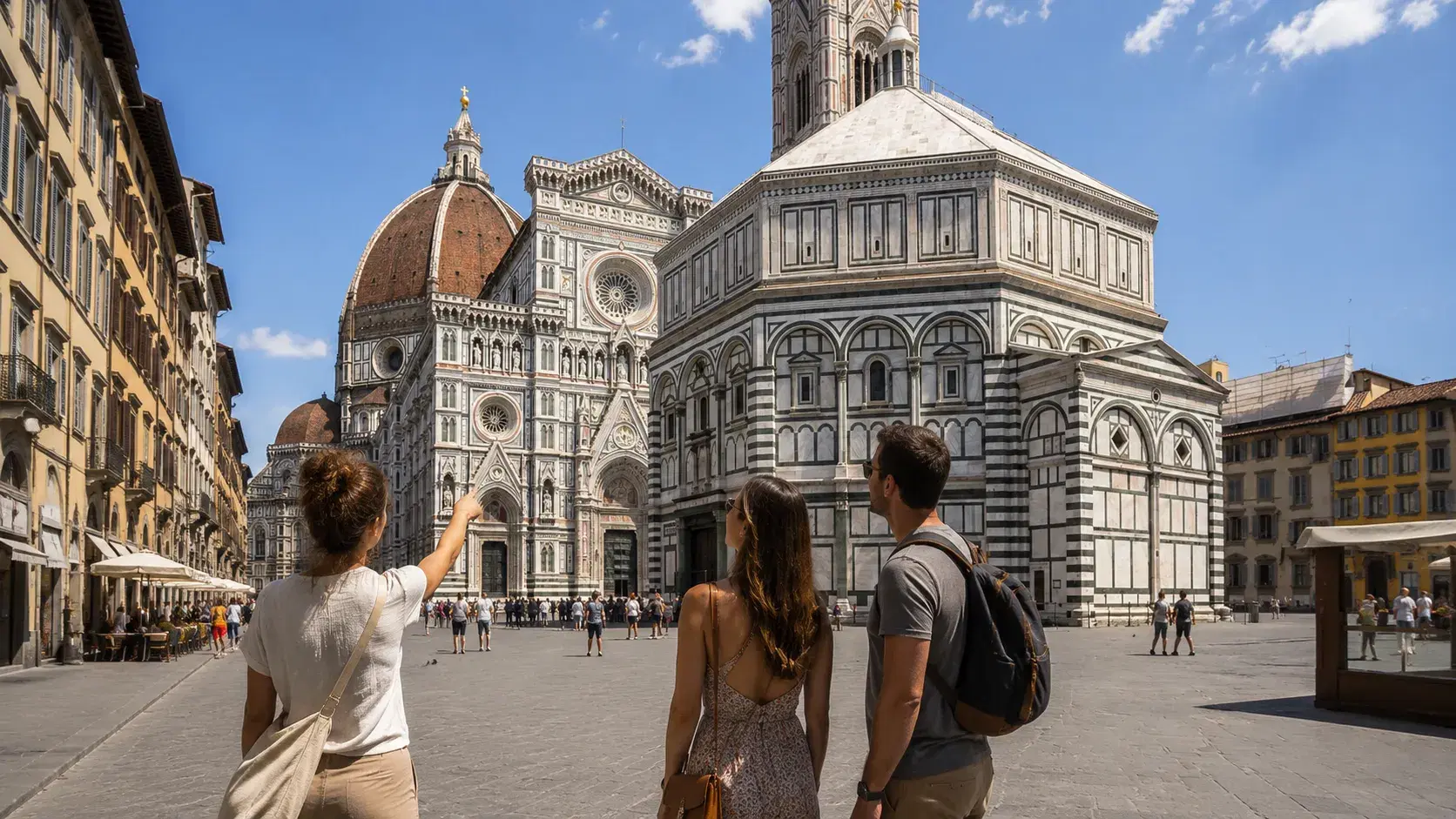
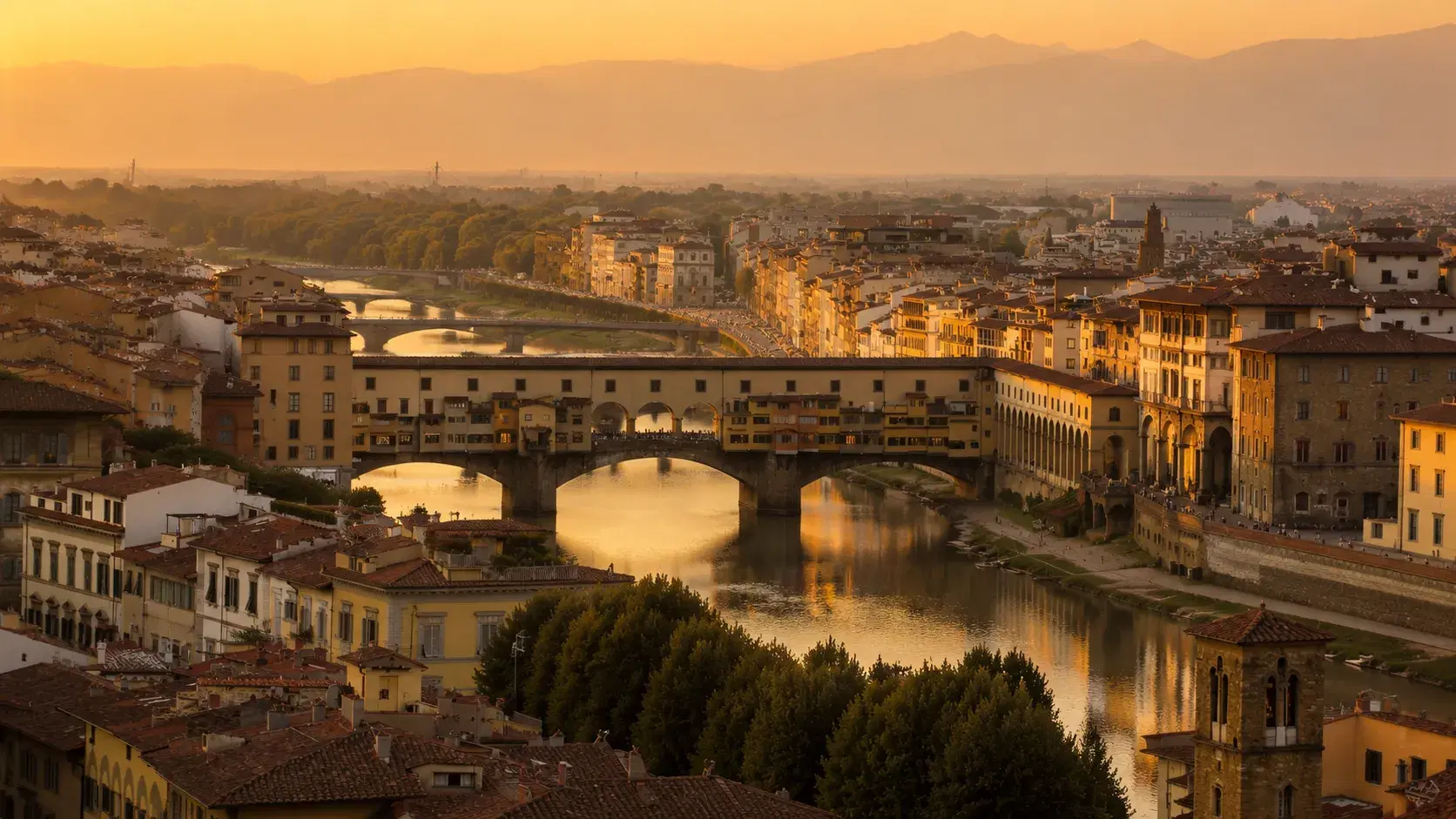
Florence in July receives fewer visitors than Florence in May. The official numbers confirm it, and it runs against almost everything you will read in a standard travel guide. The spring overlap of cruise-ship passengers, school groups, and travelers avoiding the “summer rush” creates a paradox that the industry rarely acknowledges: the people most determined to skip summer are often the ones producing the crowds.
By mid-July, that pressure has eased. The Uffizi, the Accademia, and Palazzo Pitti are quieter to navigate, easier to book, and surrounded by a city that operates at a more measured pace than it does in May or September.
September and October in Florence are expensive. Post-summer demand, the harvest tourism season, and the general pull of autumn in Tuscany push hotel rates sharply upward from late August onward. The traveler who builds a Florentine itinerary around July is frequently better placed - financially and logistically - than the one who chooses October on the assumption that it is the smarter call.
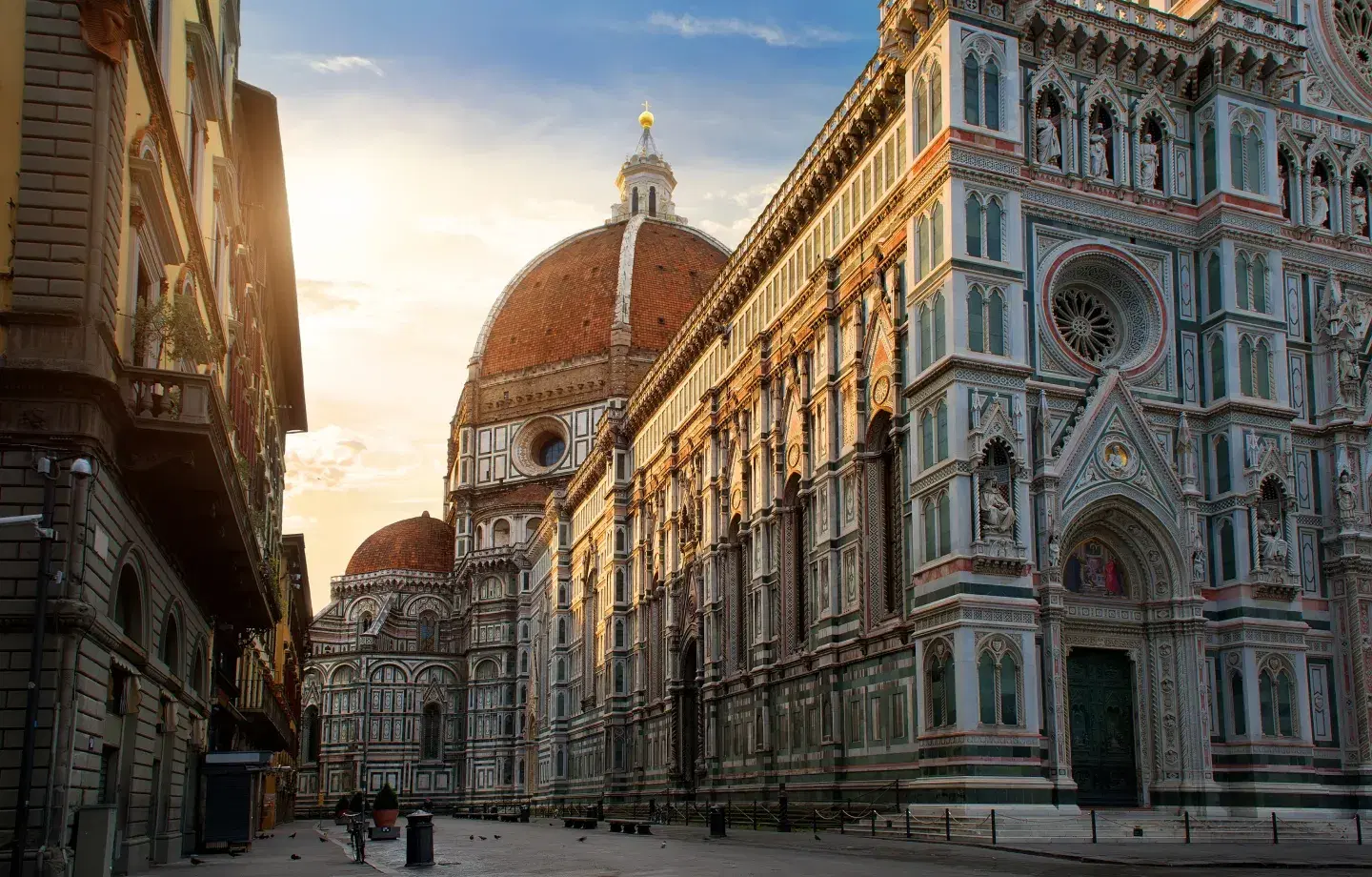
We recommend pairing Florence with time in the surrounding countryside, where summer gives the landscape its fullest character. Our Rome, Florence and Tuscany: the ultimate trip combines both cities with time in the hills - winery visits, hilltop towns, and the kind of slow afternoon that makes Tuscany worth the flight in any season.
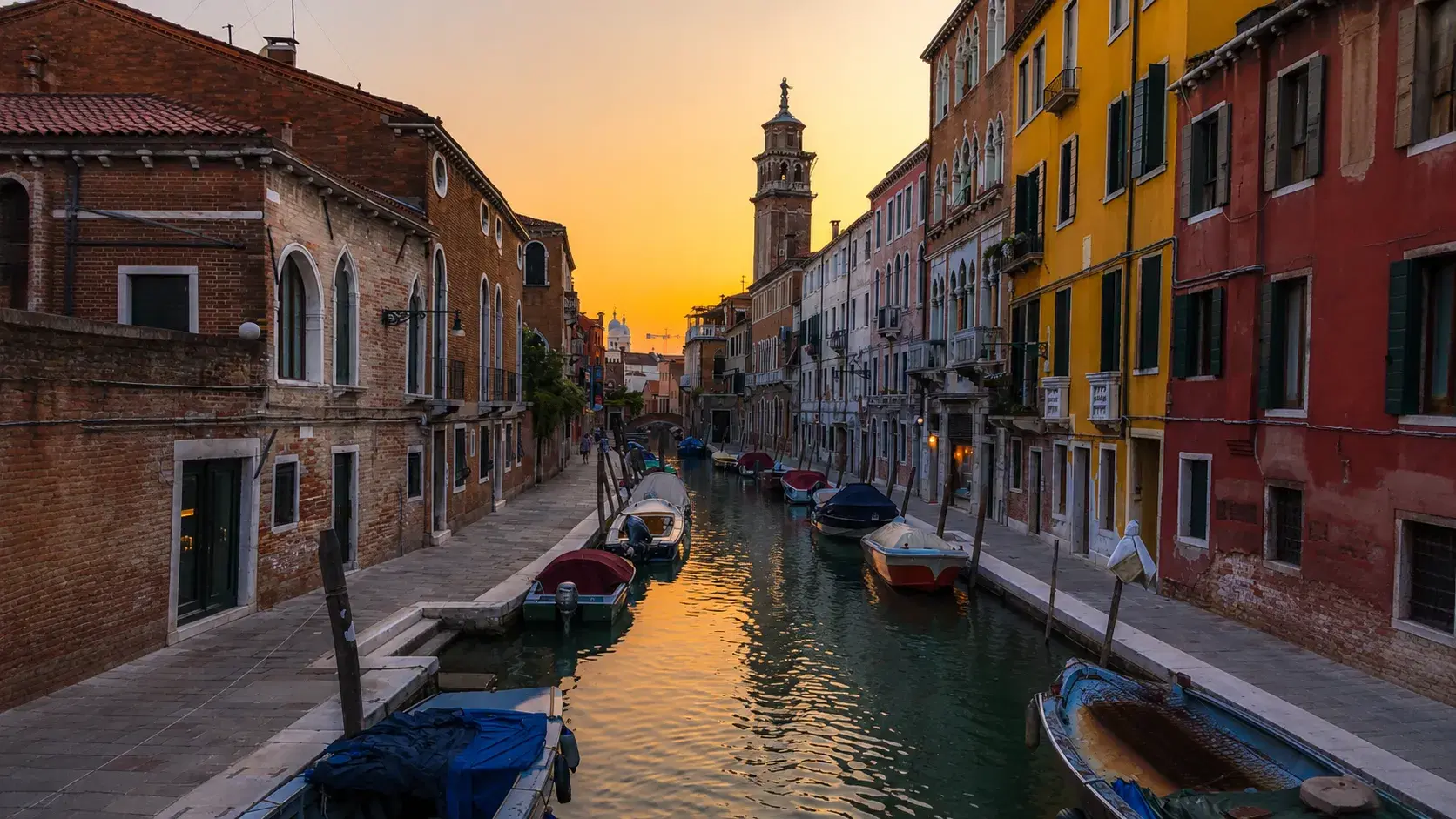
Venice in Summer: What Changes After 6 PM - and After July 26
Venice's reputation as an impossible summer destination is built almost entirely on its day-tripper problem - and day-trippers leave. By late afternoon, the city's character shifts completely. The main routes thin out, the quieter neighborhoods of Dorsoduro and Cannaregio become genuinely navigable, and the bacari and restaurants that serve a considered dinner rather than a rushed lunch come into their own. The Venice that visitors describe with frustration is Venice between 10 a.m. and 5 p.m. Venice after that is a different place.
There is also a practical element worth knowing for 2026. Venice has extended its day-tripper access fee to 60 days in 2026, applying it on Fridays, Saturdays, and Sundays between April 3 and July 26. Day visitors must pre-register and pay €5 - rising to €10 for those who book fewer than four days in advance - to enter the historic center during peak hours. Guests staying overnight are fully exempt. They pay only the standard city tourist tax through their accommodation, exactly as they would in Rome or Florence. Our clients always stay overnight in Venice, which means they access the city freely, at any hour, with none of the logistics that day-trippers navigate.
After July 26, the fee no longer applies at all. Late July and August in Venice is, in this specific sense, an unusually clean window: no entry fee, noticeably lighter weekday crowds, and the particular quality of late-summer Venetian light at dawn and dusk that no spring visit quite replicates.
Venice: the true Venetian experience is designed as a multi-day private stay, built around the rhythm the city actually rewards - slow, curious, and unhurried.
The Amalfi Coast: The One Place Where Summer Requires Real Strategy
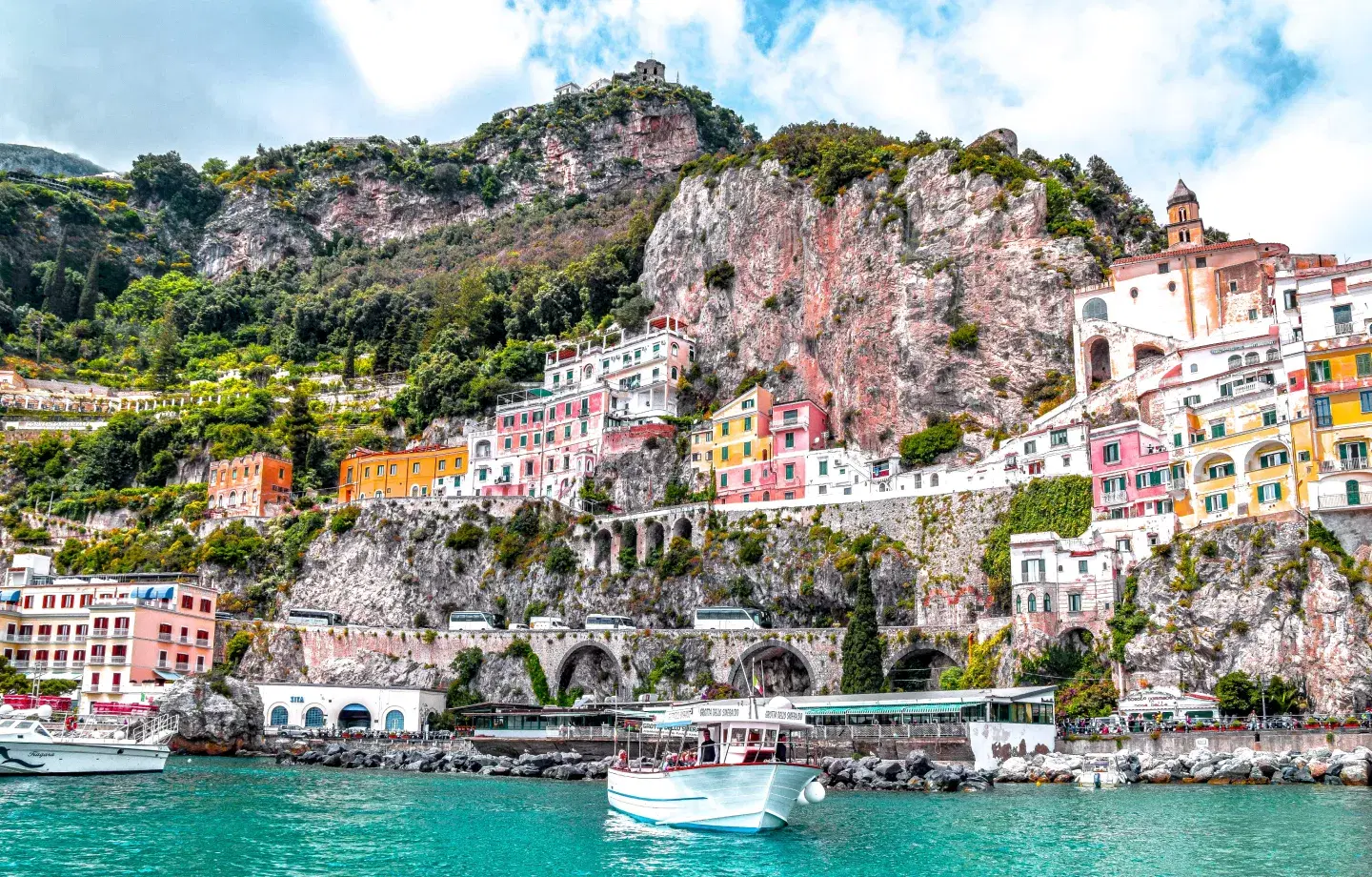
The Amalfi Coast in July and August is genuinely demanding, and we will be direct about that rather than soften it. The SS163 - the coastal road connecting Positano, Amalfi, and Ravello - carries a volume of traffic in peak summer that no amount of clever scheduling can entirely dissolve. Positano draws a consistent density of visitors that needs to be planned around, not through.
This is not a reason to skip the coast. It is a reason to approach it with precision.
Private transfers make a structural difference here. Moving along the SS163 in a private vehicle with a driver who knows the passing points, the less-trafficked access routes, and the natural rhythms of the road is a fundamentally different experience from shared coaches or public ferries running on someone else's schedule. You move when conditions allow, stop where it matters, and keep control of the day.
Hotel placement is equally critical. A property positioned in Sorrento or in a quieter section of the Furore coastline puts you in a different relationship with the area from the outset. The views are the same; the foot traffic is not. We build Amalfi itineraries around this principle - placing clients where they can genuinely engage with the coast rather than negotiate it.
Our Rome, Sorrento and the Amalfi Coast tour combines Rome's summer advantage with an Amalfi section built around private access, strategic hotel positioning, and the coast's natural rhythms.
How We Build Summer Itineraries Differently at Play Italy
The most common question we hear from summer travelers comes in different forms but means the same thing: “Can you make sure we’re not in the middle of the tourist rush?” The honest answer is that no itinerary can remove other visitors from Italy in July. What we can do is design a trip where you almost never encounter them on their terms.
That means pre-booking every timed-entry museum visit well in advance - something our Italy by Appointment Only guide covers in practical detail. It means selecting hotels with access and positioning that reflect how you want to experience each destination. It means licensed local guides who understand how a given site moves on a specific day of the week, and which entry point, which timing, and which sequence works best in summer. And it means a Dedicated Concierge who is available throughout the trip to adjust when something unexpected comes up.
Summer in Italy, properly planned, is not a compromise. For Rome and Florence especially, it is often the clearest window the year offers. Browse our tours and destinations or speak with one of our Travel Designers to build an itinerary around your specific dates.
Frequently Asked Questions
Is summer really the worst time to visit Rome and Florence?
Not according to the data. Florence's official tourism figures show April and May as the peak months; July recorded a decline in arrivals in 2025. Rome follows a similar pattern, with spring and early autumn representing the highest concentration of both visitors and hotel pricing. For travelers with summer dates, the art cities are a more favorable choice than most guides suggest.
How does the Venice tourist fee work in 2026?
Venice charges a day-tripper access fee on Fridays, Saturdays, and Sundays between April 3 and July 26, 2026. Day visitors pay €5 if they register at least four days in advance, or €10 for later bookings. The fee applies between 8:30 a.m. and 4 p.m. to anyone entering the historic center without an overnight hotel reservation in Venice. Guests with overnight bookings in the city are fully exempt and pay only the standard accommodation tourist tax. After July 26, no fee applies to any visitor.
Is the Amalfi Coast worth visiting in July and August?
Yes - with the right structure in place. Private transfers along the SS163, a hotel positioned above the main coastal corridor, and an itinerary built around the towns' natural rhythms (early morning access to the busiest spots, time on the water in the afternoon) make a material difference to the experience. The coast is demanding in summer; it is not inaccessible.
Are hotels in Rome and Florence cheaper in July than in September?
Generally, yes. September and October in both cities see a significant increase in demand driven by post-summer leisure travel, the conference season, and the marketing of autumn as the “ideal” time to visit. July tends to offer better value, particularly for premium properties that would otherwise require much longer lead times to book.
What is Ferragosto and how does it affect my trip?
Ferragosto falls on August 15 and is Italy's most significant summer public holiday. Major state and municipal museums - the Colosseum, the Uffizi, the Accademia, Pompeii - remain open on their regular summer schedules. The Vatican Museums are a specific exception: they close on August 14 and 15. Many local shops and family-run restaurants may close for part of the surrounding week as Italian residents take their own summer break. The practical upside: Rome on the morning of August 15 is as quiet as the city gets at any point during the season, with most of its resident population having left for the coast.
Does a private guide make a real difference in summer in Italy?
In our experience, yes — particularly for pacing and access. A licensed local guide knows how a specific museum or site moves on a given morning, which entry sequence works best in summer, and when the natural window of relative calm opens and closes. That contextual knowledge is what converts a well-intentioned summer visit into a genuinely measured one.
Your unforgettable Italian Journey awaits with Play Italy
Here at Play Italy, we are dedicated to transforming your exploration of Italy's natural wonders into a seamless and unforgettable experience. Whether you're marveling at the majestic peaks of the Dolomites, relaxing by the serene waters of Lake Como, savoring the rolling hills of Tuscany, or soaking in the stunning coastal views of the Amalfi Coast, our Travel Designer service is here to tailor your adventure to your tastes. Through a dedicated free call, you can speak directly with one of our Travel Designers and begin shaping a journey that reflects your pace, preferences, and expectations. We ensure that each moment is not just seen, but truly experienced.
For more inspiration on how to weave these natural delights into your travel itinerary, we invite you to subscribe to our Play Italy newsletter. By joining our community, you'll receive expert travel tips, seasonal insights, and early access to what's coming next - along with a special discount code to use on your first journey with us. If you're considering a journey and would like to explore it with us directly, you're always welcome to get in touch via email or WhatsApp to start a personal conversation.
Choose one of our itineraries and let Play Italy open the door to a world where each sight is a story and each landscape becomes a lasting memory. Come play with us, and let us turn your Italian holiday into a refined, meaningful experience. Your dream of Italy awaits - let's bring it to life, together.

Rome: art, history and pizza
4.2
5 days 4 nights
2 Destinations
From $2,678
in double room
Rome, Florence and Tuscany: the ultimate trip for history and art
4.8
6 days 5 nights
5 Destinations
From $1,791
in double room

Venice: the true Venetian experience
5
4 days 3 nights
1 Destinations
From $1,691
in double room
Rome, Sorrento and the Amalfi Coast: the core of Italian History
5
6 days 5 nights
7 Destinations
From $2,475
in double room