Play Italy
Most travelers arrive in Italy with a clear list: Rome, Florence, Venice, perhaps the Amalfi Coast. Then, somewhere between the Colosseum and the Duomo, a quieter question surfaces - what should we add? In our experience working with American travelers, the moments they remember most rarely happen in the major cities. They happen in the villages just beyond - the ones the guidebooks list but never quite explain.
The eleven villages below are the ones we keep returning to. Not because they appear on every "most beautiful borghi" list, but because we know which trattoria still has the right grandmother in the kitchen, which afternoon hour empties the main piazza, and which back road most drivers never take.
We have organized them by region - North, Centre, South - and closed with two island additions in Sicily and Sardinia for travelers willing to cross the water.
Quick Facts
- Best regions for village stops: Piedmont and Lombardy in the North; Tuscany, Umbria and Lazio in the Centre; the Amalfi Coast in the South; Sicily and Sardinia for the islands
- Ideal season: late April to early June, mid-September to late October
- Recommended time per village: half a day to two nights, depending on character
- How to reach them: private transfer is the only consistently efficient option - most villages are poorly served by rail
- Typical pairing: two or three villages added to a Rome–Florence–Amalfi core itinerary
- Difficulty level: easy; most villages involve cobblestones and gentle slopes
Villages to Add in Northern Italy
Varenna - Lake Como without the crowds
On the eastern shore of Lake Como, Varenna is a one-hour train ride from Milan and a completely different proposition from Bellagio or Como town. Pastel houses line a waterfront promenade, the gardens of Villa Monastero stretch to the lake, and the village empties at sunset when the day-trippers ferry back across.
The detail we always share: walk up to Castello di Vezio, the medieval tower above the village. The climb takes about twenty minutes through a fragrant olive grove. At the top, climb the tower for a 360° view of the lake and wander among the castle's famous shrouded ghost statues - the kind of detail almost no one staying in Bellagio knows is there.
Two nights in Varenna give you what most travelers chase on Como and rarely find: silence on the water at dawn. It pairs naturally with our Milan, Lake Como & Venice: landscapes and history from the North, which we typically build around the quieter shores of the lake rather than the busiest ones, to ensure a premium experience.
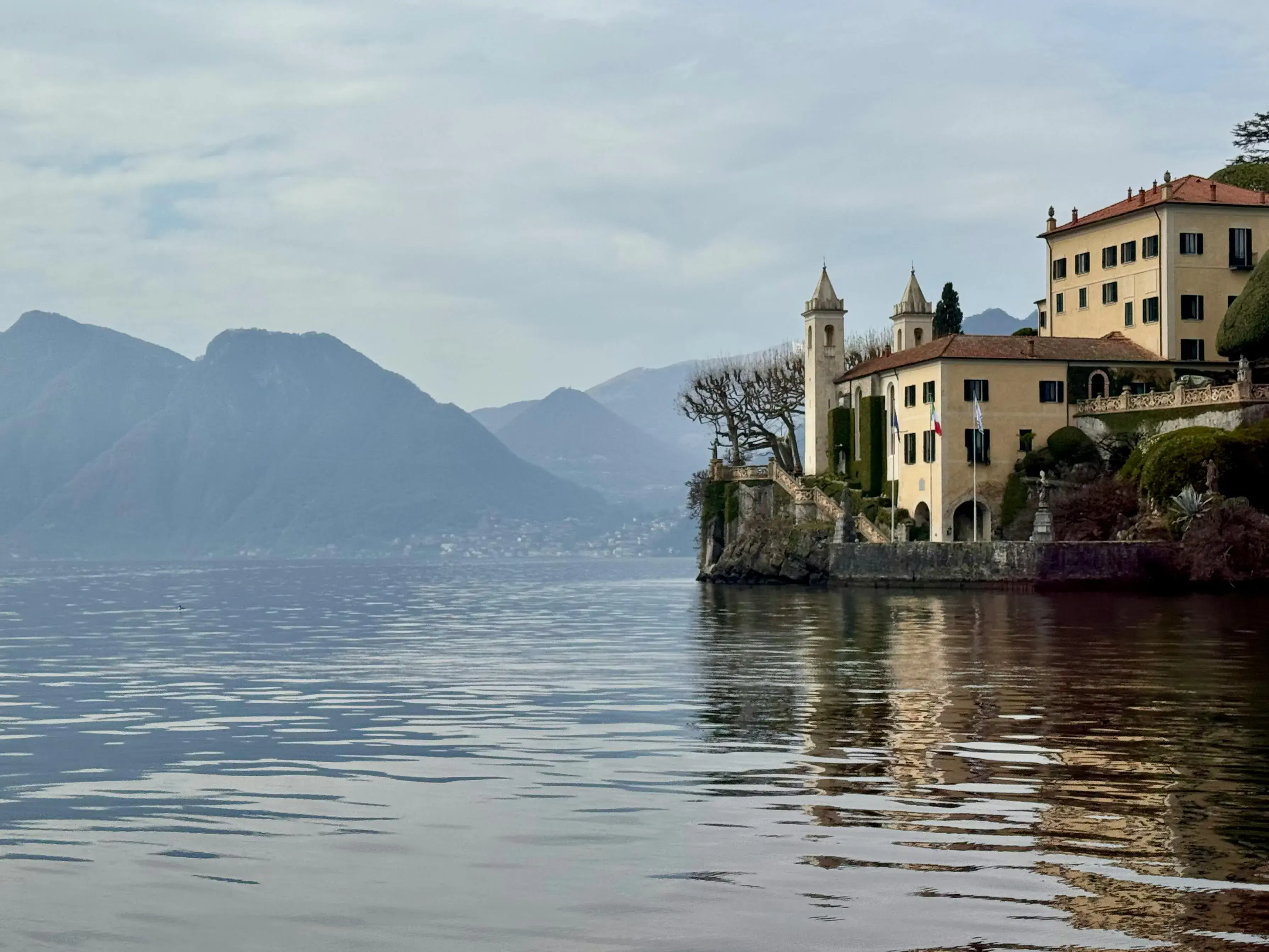
Stresa - the grand-hotel pearl of Lake Maggiore
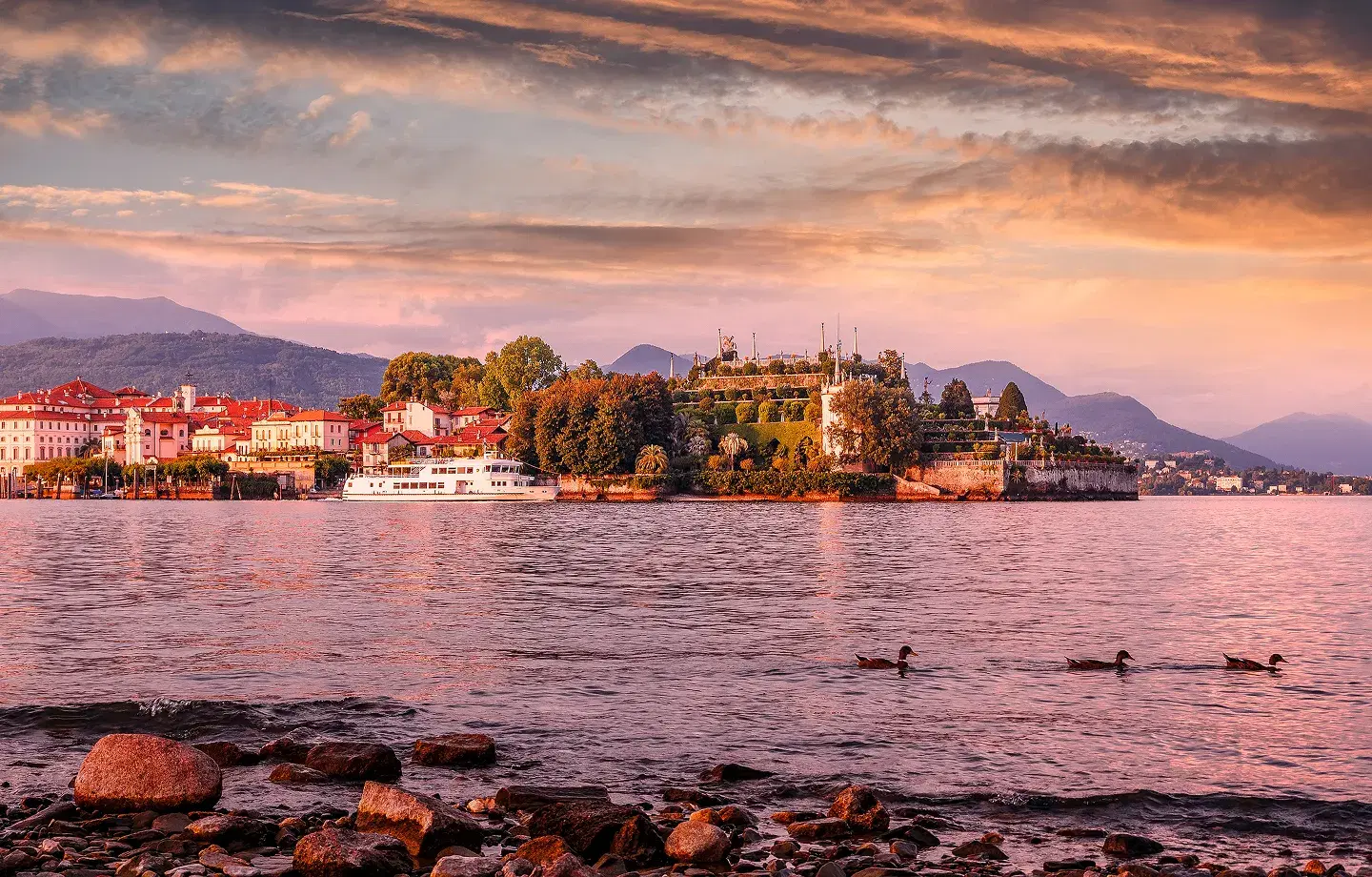
An hour northwest of Milan, Stresa sits on the shore of Lake Maggiore facing the Borromean Islands - Isola Bella, Isola dei Pescatori, Isola Madre. The first of these has been the seat of the Borromeo family since 1632, with a baroque palace and terraced gardens that descend toward the water. The boats from Piazza Marconi reach the islands in under ten minutes.
Here is the literary footnote most guidebooks miss. In September 1918, a nineteen-year-old Ernest Hemingway - recovering from war wounds in Milan - was given a ten-day leave and spent it at the Grand Hotel des Iles Borromées, in what is now known as Suite 106. Eleven years later he set part of A Farewell to Arms in the same hotel. The bar still serves a Hemingway Special, and the guest book carries his return signature from 1948: "an old client."
Stresa is the natural framework for our Lake Maggiore Escape: Stresa and the Borromean Islands, a private itinerary that we usually pair with a day on Lake Orta thirty minutes south. Both lakes in one trip, at the unhurried pace this corner of Piedmont asks for.
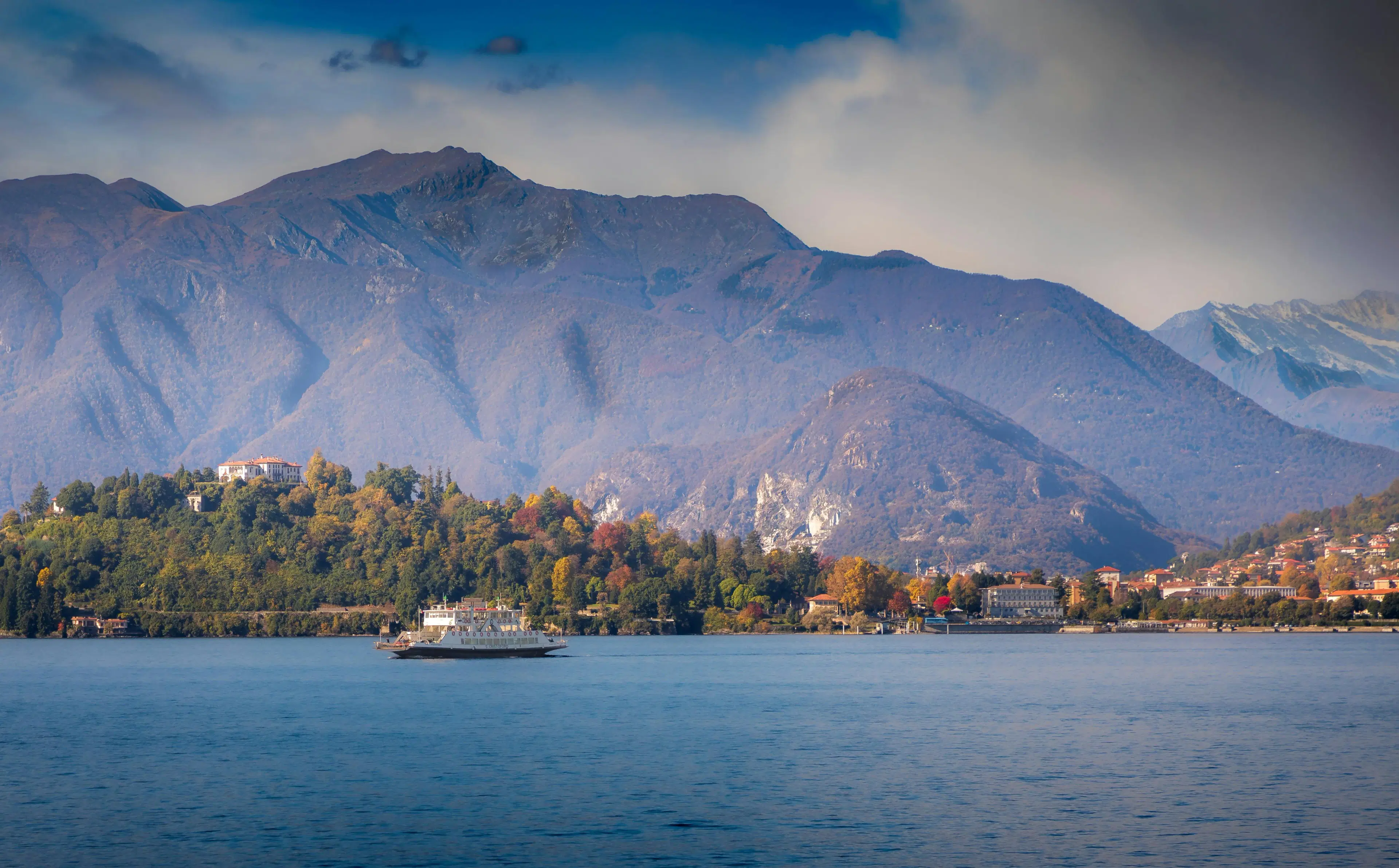
Orta San Giulio - the contemplative island village
Thirty minutes south of Stresa, on a small lake most international travelers have never heard of, Orta San Giulio is one of the most quietly extraordinary villages in northern Italy. The historic centre is car-free, the main square - Piazza Motta - opens directly onto the water, and four hundred metres offshore sits Isola di San Giulio, a 275-metre-long island dominated by a Romanesque basilica and a Benedictine monastery of cloistered nuns, the Mater Ecclesiae Abbey.
Take the small boat across - the crossing takes three minutes - and walk the perimeter of the island along the Via del Silenzio e della Meditazione. The path is lined with simple wooden signs carrying aphorisms about silence written by the abbess. It takes ten minutes to complete. We tell guests to do it twice.
Above the village rises the Sacro Monte di Orta, a UNESCO World Heritage site made of twenty chapels dedicated to the life of Saint Francis, set in a forest of beech and chestnut. Orta makes a natural pairing with Stresa and slots easily into our Lake Maggiore Escape - we simply add a night here for travelers who want to slow the trip down.
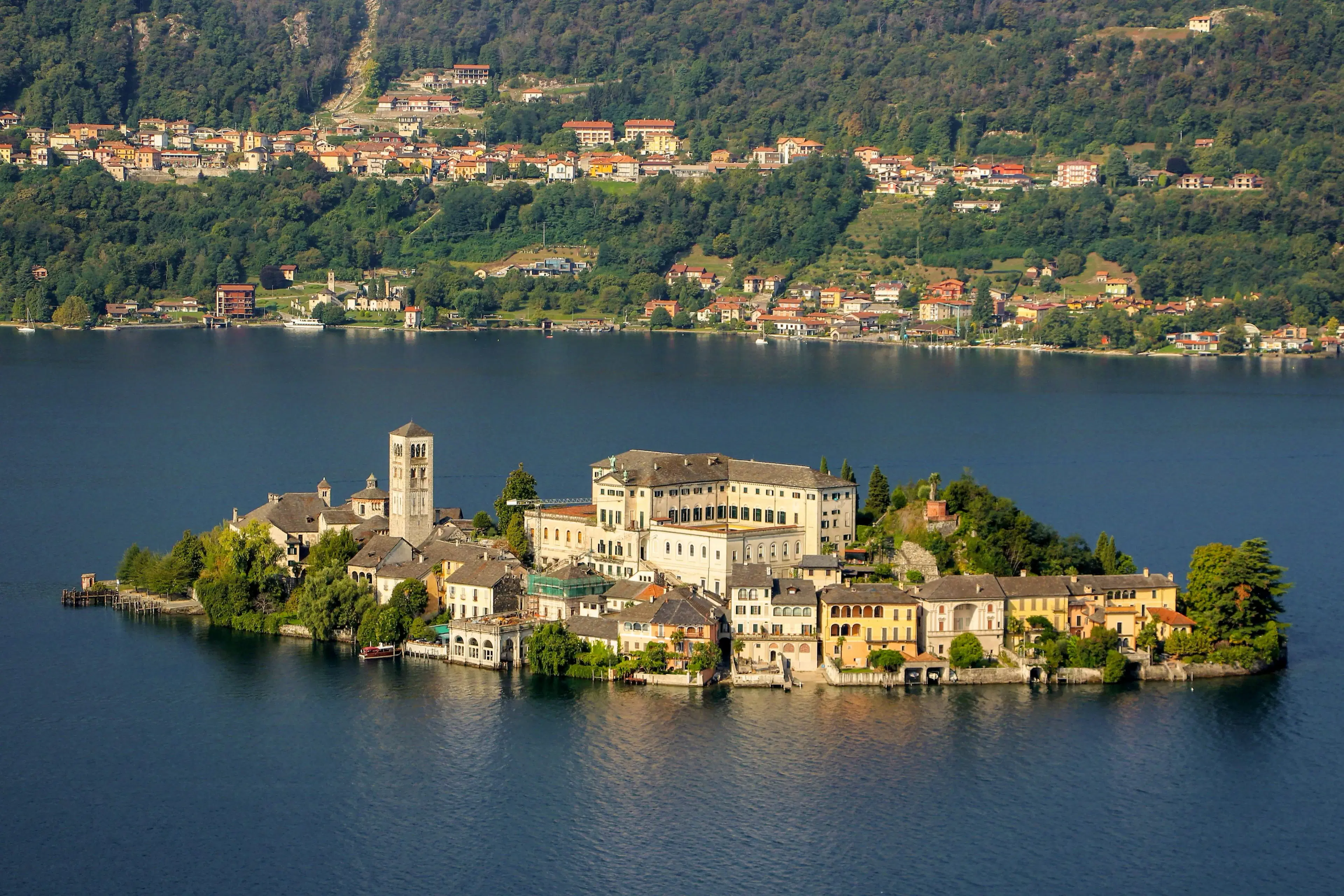
Villages to Add in Central Italy
San Gimignano - the medieval skyline of Tuscany
San Gimignano sits roughly 55 km southwest of Florence, reachable by private transfer in just over an hour. Most travelers arrive at midday, when the village is at its busiest. We suggest the opposite: arrive at 4 p.m., when the day-trip buses have left, and the fourteen surviving medieval towers - out of the seventy-two that once stood - glow against the Tuscan sky as the light shifts.
Here is what most guides leave out - the saffron. San Gimignano produces a Zafferano DOP so historically prized that in 1228 the Commune literally borrowed money in saffron to pay for the siege of Castello della Nera. A handful of family farms just outside the walls still cultivate it the old way, and a tasting at one of them is the kind of detail we routinely build into a Tuscan day.
Skip the main street's gelato lines and walk up to Gelateria Dondoli on Piazza della Cisterna instead. Sergio Dondoli, who founded the shop in 1992, is a Gelato World Champion — order his signature Crema di Santa Fina, a saffron-and-pine-nut flavour created in 1997, and the zafferano of San Gimignano arrives in a form you would never expect.
This village often becomes a natural stop on our Under the Tuscan Sun: wine tours and excursions, a private itinerary built around the Chianti backroads. The tour is fully customizable - we use it as the starting framework and adjust the pace, the wineries, and the village stops to match how you actually want to travel.
Pienza - the Renaissance village that defined elegance
Pienza is a ninety-minute drive south of Florence, deep in the Val d'Orcia. In 1459 Pope Pius II commissioned the architect Bernardo Rossellino - a student of Leon Battista Alberti - to rebuild his birthplace as the first application of the Renaissance Humanist concept of urban design, as UNESCO would later put it. The work was completed in three years. The grid is small, the stone is golden, and most travelers walk through it in an hour. That is a mistake.
Pienza belongs to those who stay overnight. The village is also the unofficial capital of pecorino - the aged sheep's-milk cheese that defines this corner of Tuscany. We always recommend the same thing: arrive in the late afternoon, walk Via dell'Amore at sunset (one of the small lanes that locals named after love, kissing, and the moon), have dinner at a family-run table where the pecorino is served with chestnut honey, and stay the night. The morning belongs to you alone, before the day-trippers arrive at ten.
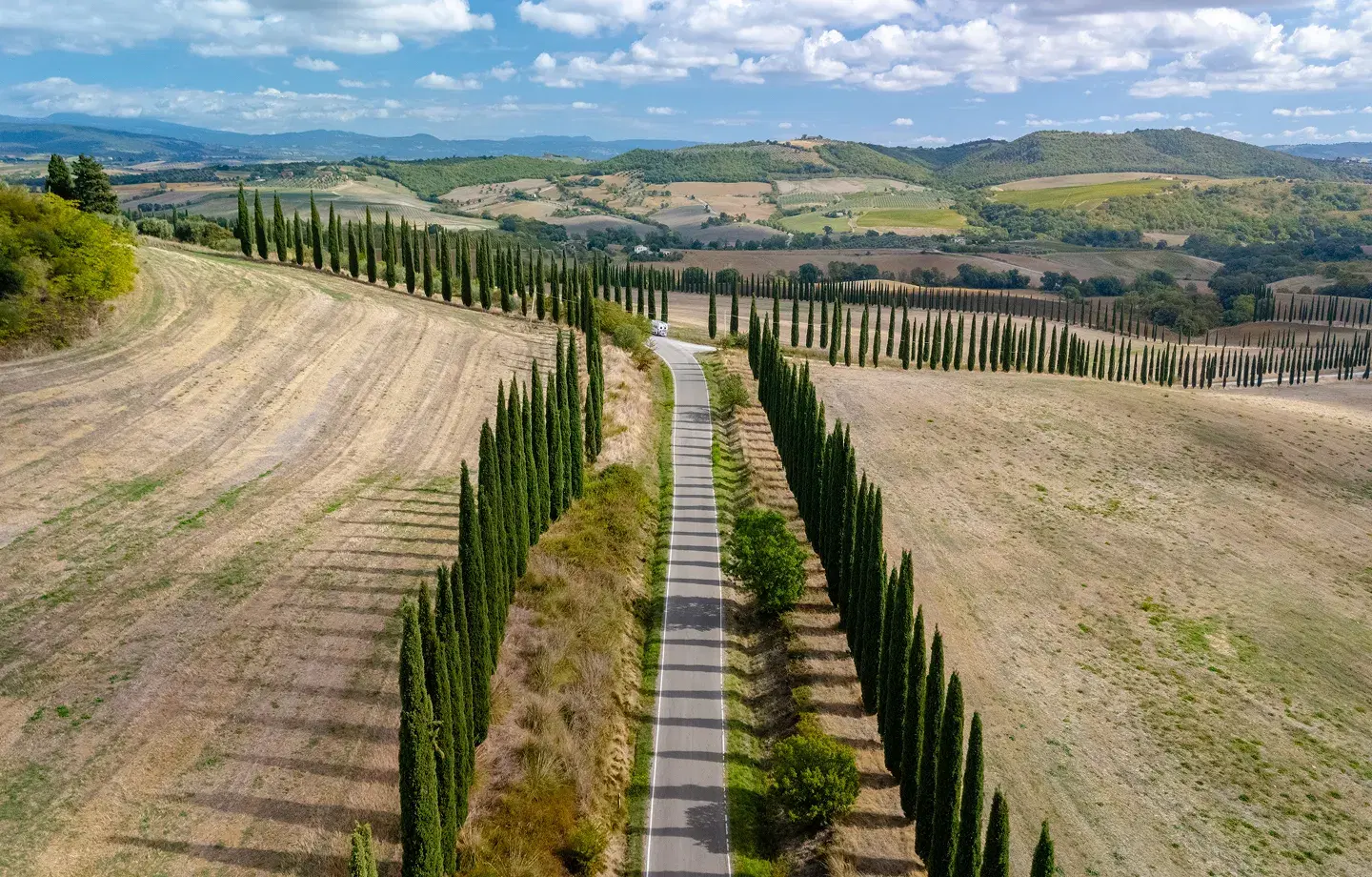
The natural framework here is our Val d'Orcia: Villages, Wine & Thermal Wonders - a fully customizable tour that already moves through Pienza, Montalcino, Montepulciano, and the thermal waters of Bagno Vignoni at the unhurried pace this landscape asks for. Most travelers add a private cheese-making session at a working dairy, which we can fold in.
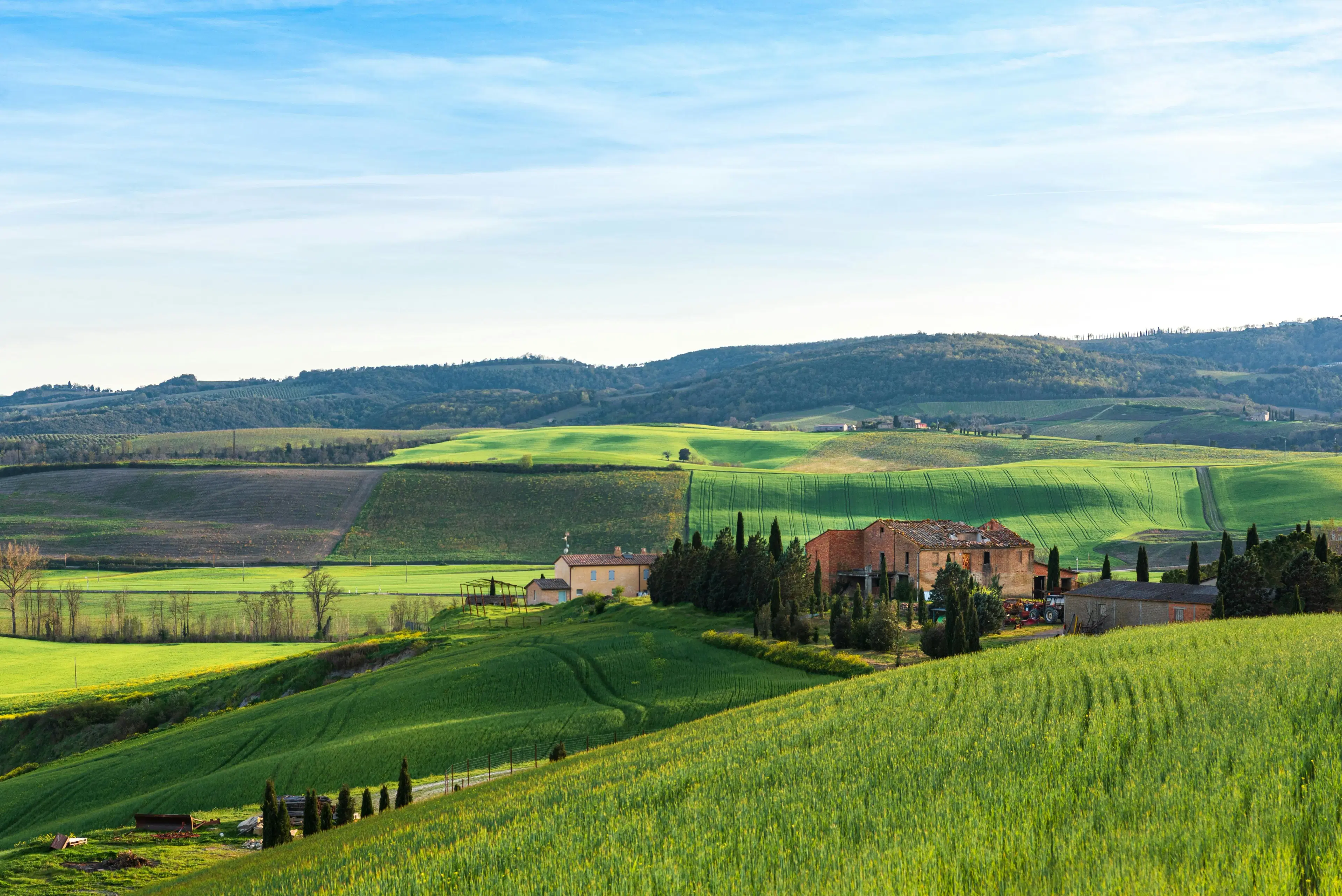
Monteriggioni - a fortress frozen in time
Closer than most travelers realize - just 50 minutes from Florence - Monteriggioni is a perfectly preserved walled village built by the Republic of Siena between 1213 and 1219 as a military outpost against Florence. Dante wrote about it in the Inferno (Canto XXXI, lines 40–45), comparing its towers to giants standing watch around the abyss. The village hasn't really changed since.
Two hours are enough to walk the central piazza and have an espresso. Two sections of the walls are open to walk on - climb either one, and the view of the Chianti countryside from up there is the best in the area. We often use Monteriggioni as a refined midpoint between Florence and Siena rather than a destination in itself - the kind of stop a private driver makes possible and a train never can.
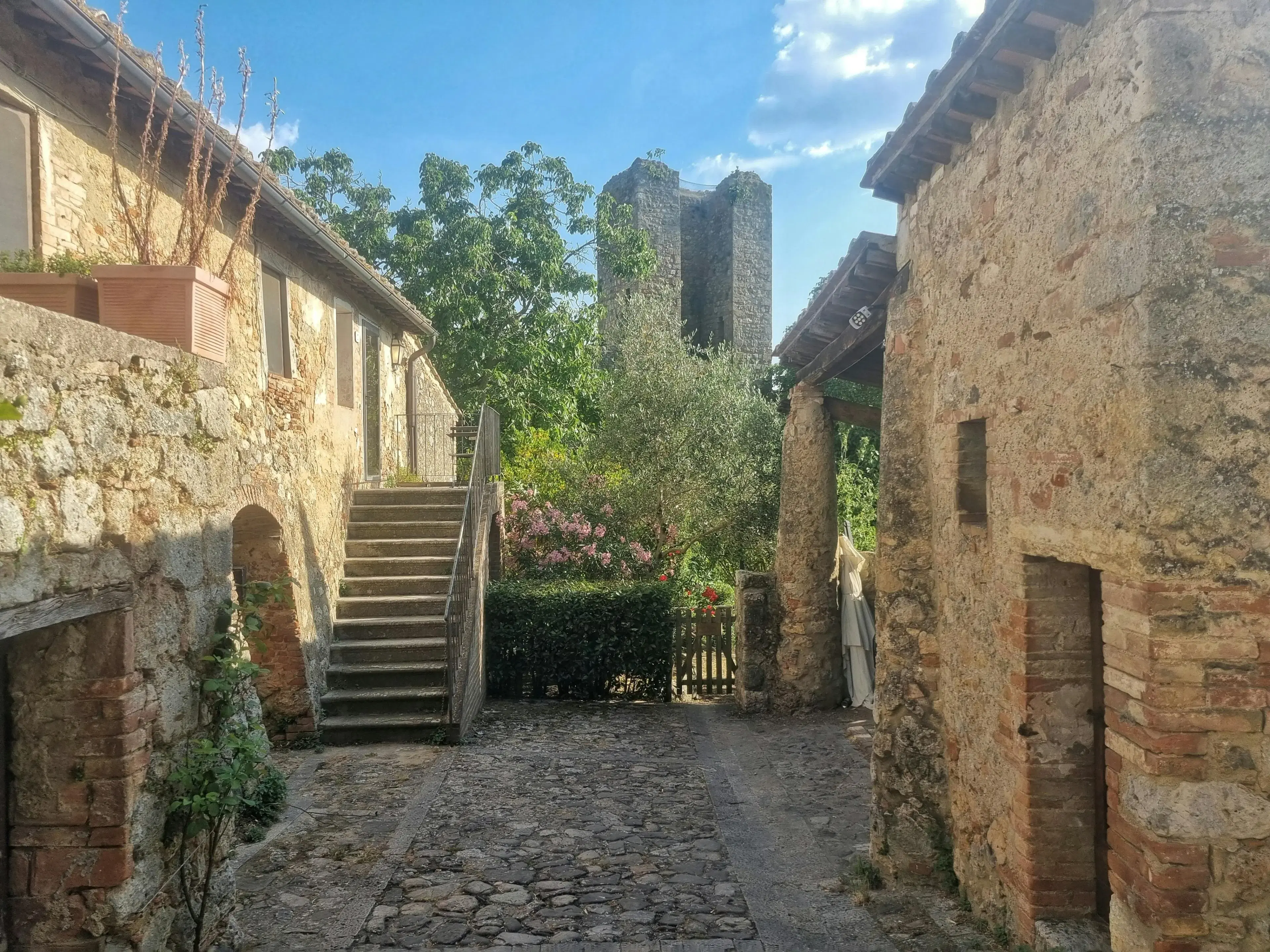
Civita di Bagnoregio - the dying town
Civita is a ninety-minute drive north of Rome, perched on a fragile tufa outcrop that gives it its other name: la città che muore, the dying town. The tufa is eroding beneath it. A pedestrian footbridge is the only way in, and that bridge will eventually be the only thing left.
The village has fewer than twenty permanent residents in winter. This is what most travelers miss: visit in the morning - between 8 and 10 a.m. - when the mist rises from the valley and you cross the bridge with no one else on it. Have breakfast at Alma Civita, run by the Rocchi family - owners of olive mills in the village since the sixteenth century - and ask them about the Etruscan caves beneath the restaurant (yes, they are open for visitors who think to ask).
We often combine Civita with Orvieto, twenty minutes away, for a complete day. If you're drawn to the slower side of Italy, this works beautifully as the opening of our Wellness Retreat in the Umbrian Hills - a customizable itinerary we design for travelers who want one true stretch of stillness in an otherwise busy Italy trip.
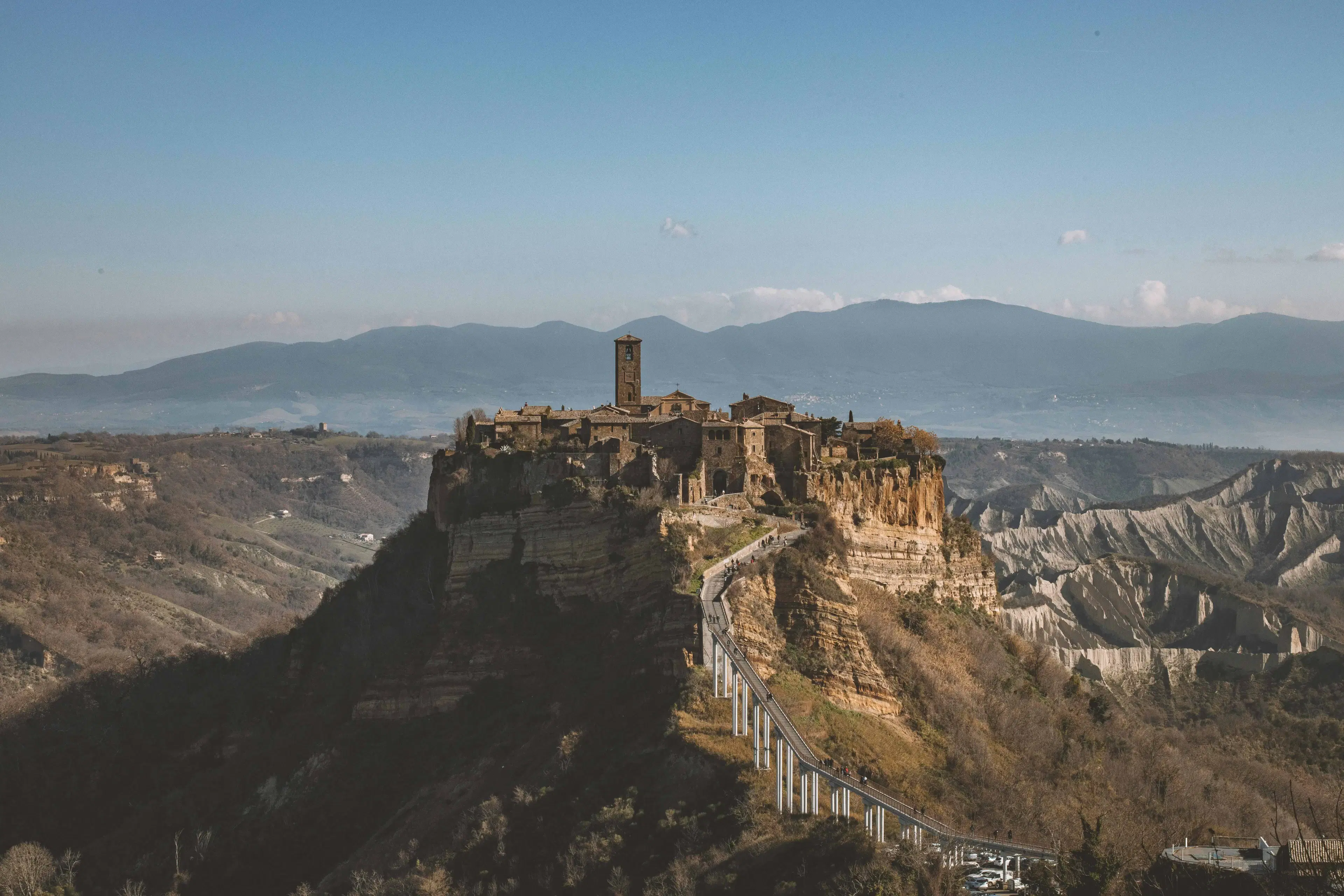
Orvieto - the Umbrian hill town with a Gothic soul
An hour and twenty minutes north of Rome, Orvieto rises on a volcanic plateau crowned by one of Italy's most striking cathedrals. The Duomo's golden mosaic façade is the obvious draw. The detail almost no guidebook tells you about: the Cappella di San Brizio inside contains Luca Signorelli's fresco cycle of the Last Judgment, painted between 1499 and 1504. Vasari recorded that Michelangelo studied these frescoes before painting the Sistine Chapel - and the Duomo of Orvieto itself confirms the influence. You can stand five feet from them with almost no crowd.
Beneath the streets, Orvieto Underground is a network of Etruscan tunnels, cisterns, and dovecotes dug into the tufa over twenty-five centuries. The standard tour covers part of it. For travelers who want to go further, we can arrange a private guided visit that takes you beyond the standard route.
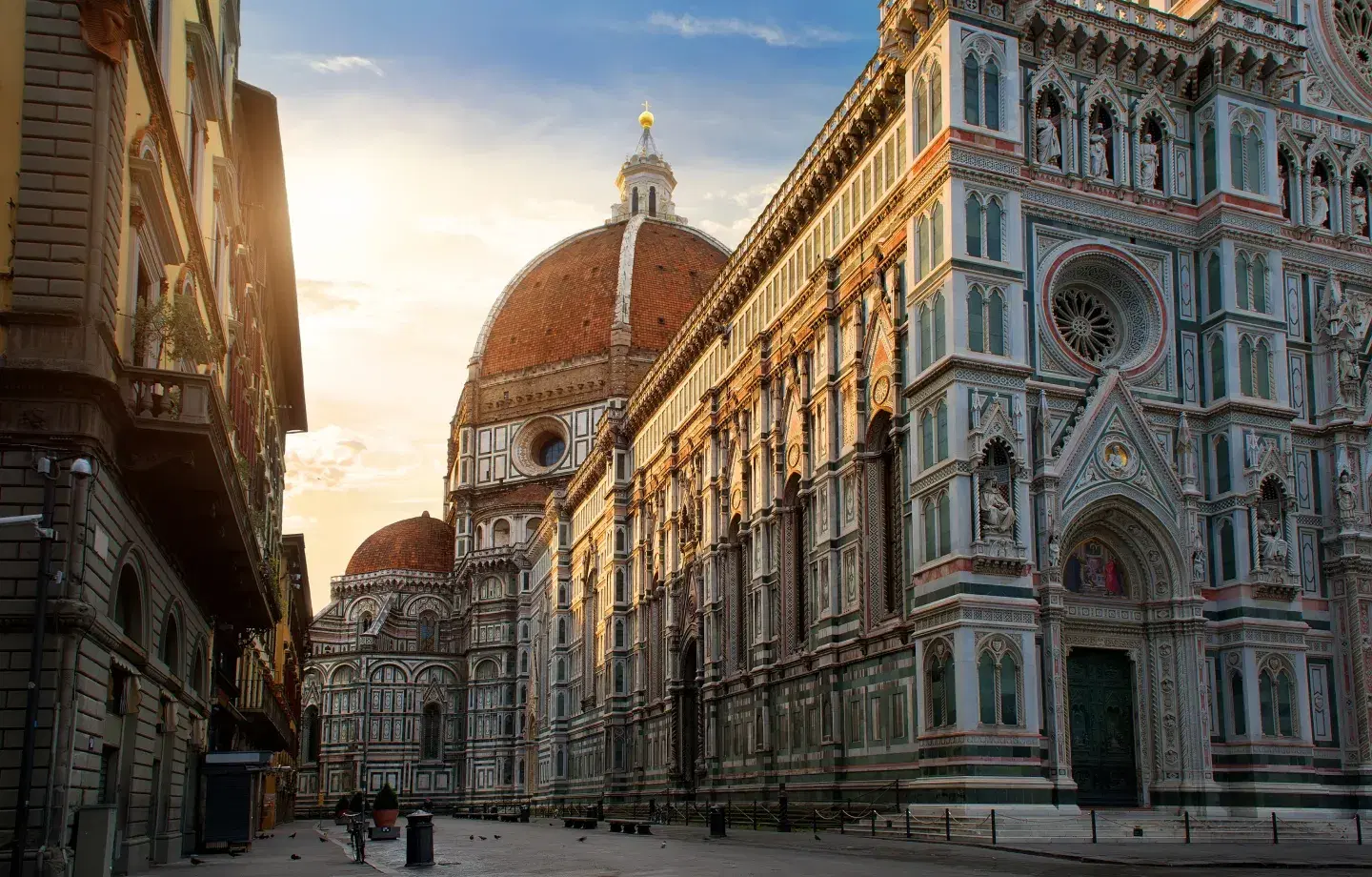
Orvieto is often the natural opening stop of our Rome, Florence and Tuscany: the ultimate trip - used as a buffer between Rome's intensity and Tuscany's slower rhythm. Just ask us to customize it for you!
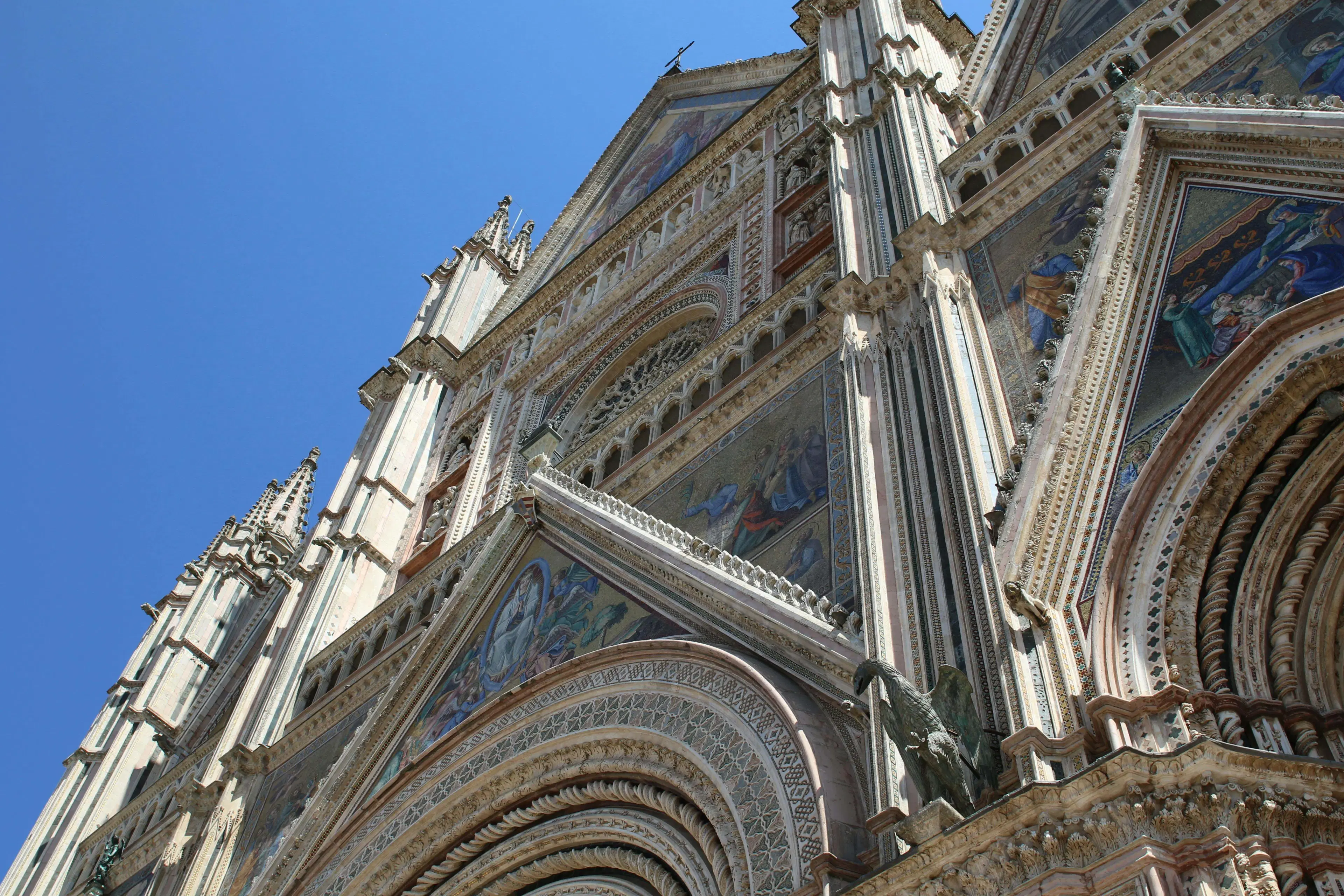
Villages to Add in Southern Italy
Ravello - the cliffside village that inspired Wagner
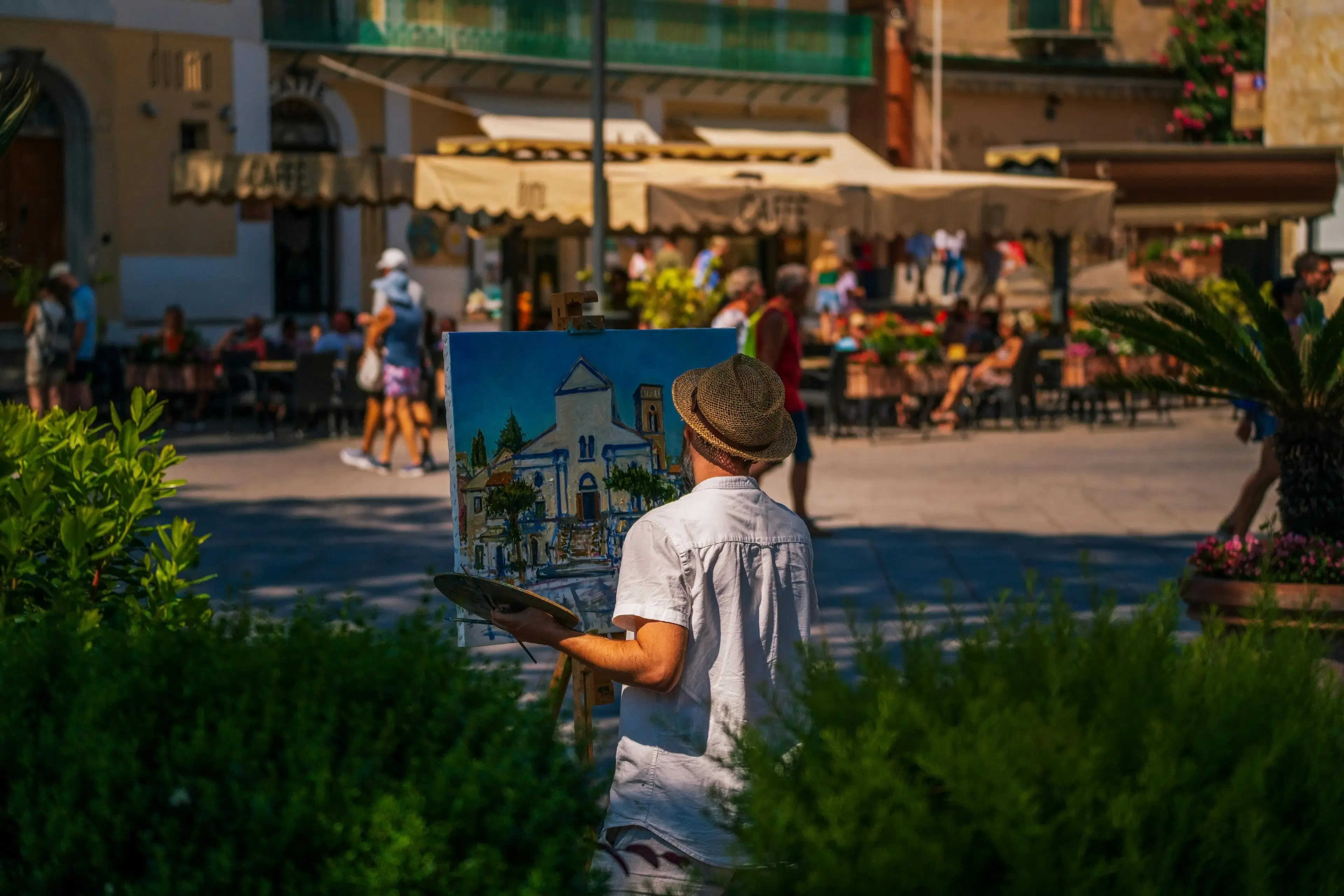
Ravello sits 350 meters above the Amalfi coastline, reachable by private driver in about 90 minutes from Naples. Most travelers visit Ravello as a day trip from Positano and see the two famous gardens - Villa Rufolo and Villa Cimbrone - in three rushed hours. They miss the village entirely.
Here is what we recommend instead. Stay two nights. Walk the staircase path from Ravello down to Atrani - a 45-minute descent through lemon groves that most travelers skip in favor of the bus. Richard Wagner visited Villa Rufolo on 26 May 1880 and famously declared that he had found the magical garden of Klingsor from the second act of Parsifal - the marble plaque commemorating the visit is still there. Since 1953, the Ravello Festival has been held in the Villa Rufolo gardens each summer, with the orchestra performing on a stage that hangs over the Tyrrhenian Sea at sunset. Buying those tickets in advance is the kind of detail we handle quietly.
Ravello is a defining stop on our Rome, Sorrento and the Amalfi Coast: the core of Italian History. The tour is fully customizable - we frequently swap nights between Sorrento and Ravello depending on whether travelers prefer the energy of the coast or the elevation of the village above it.
Atrani - Italy's smallest village
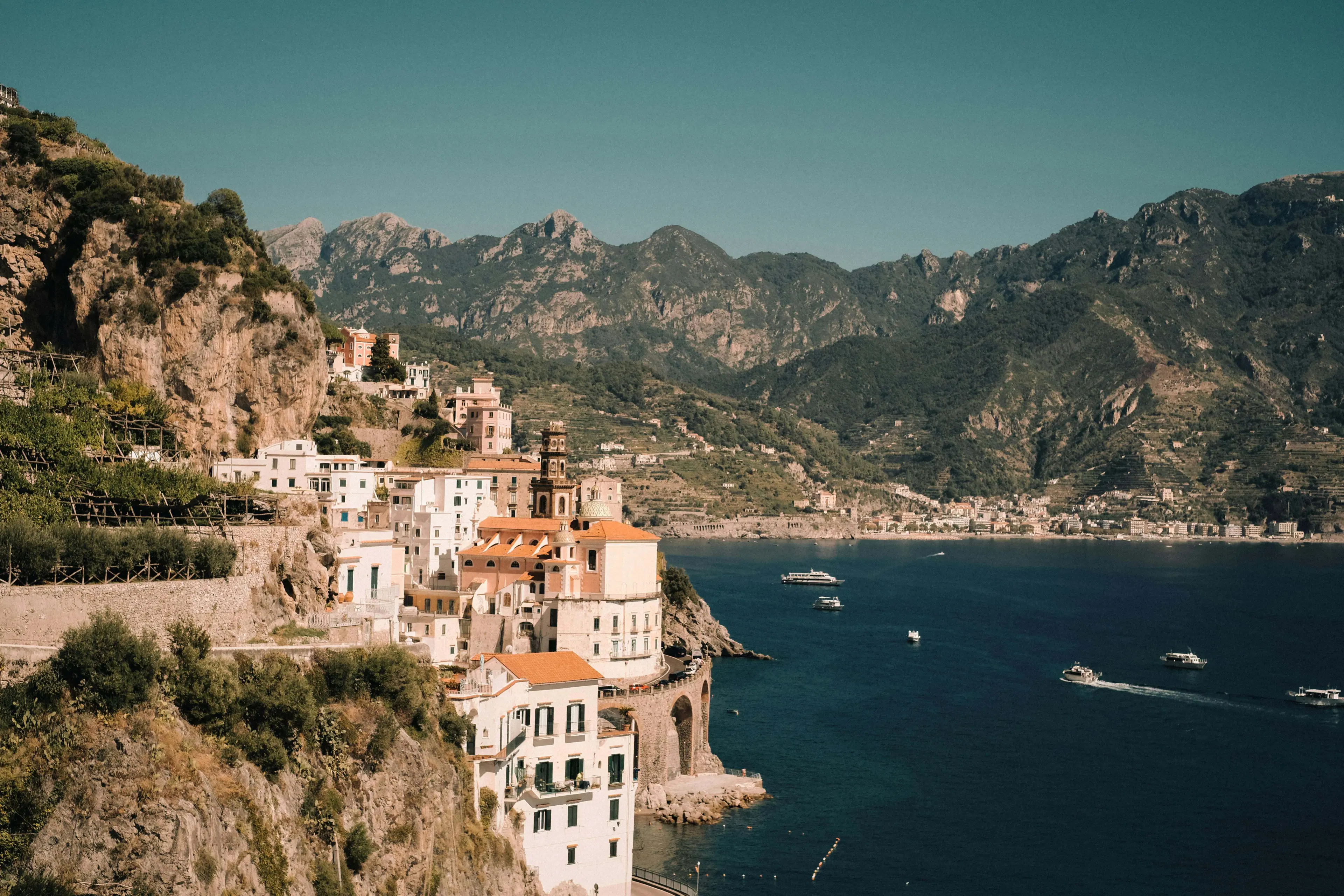
Just ten minutes on foot from the town of Amalfi, Atrani is the smallest municipality in Italy by surface area: 0.12 square kilometres, with a permanent population of just over eight hundred. It became briefly visible to international travelers after appearing in the 2024 Netflix series Ripley - and in The Equalizer 3 the year before - but the village itself has barely changed in centuries.
Two hours and a long lunch are all you need. The village's unsigned gem is Le Arcate, a restaurant built directly into the medieval arches that face the sea - the kind of place where locals still outnumber visitors and the swordfish is caught that morning. The other quiet luxury of Atrani is sfusato amalfitano IGP, the lemon variety unique to this stretch of coast - try it in a delizia al limone, the dome-shaped pastry that is the genuine local dessert, or in a small glass of limoncello at the end of the meal.
Island Bonus: two villages worth the crossing
If you have time to add an island leg to your trip, these are the two villages we keep returning to. Both reward the extra effort of getting there, and both pair naturally with our regional itineraries in Sicily and Sardinia.
Cefalù - Sicily's Norman village by the sea
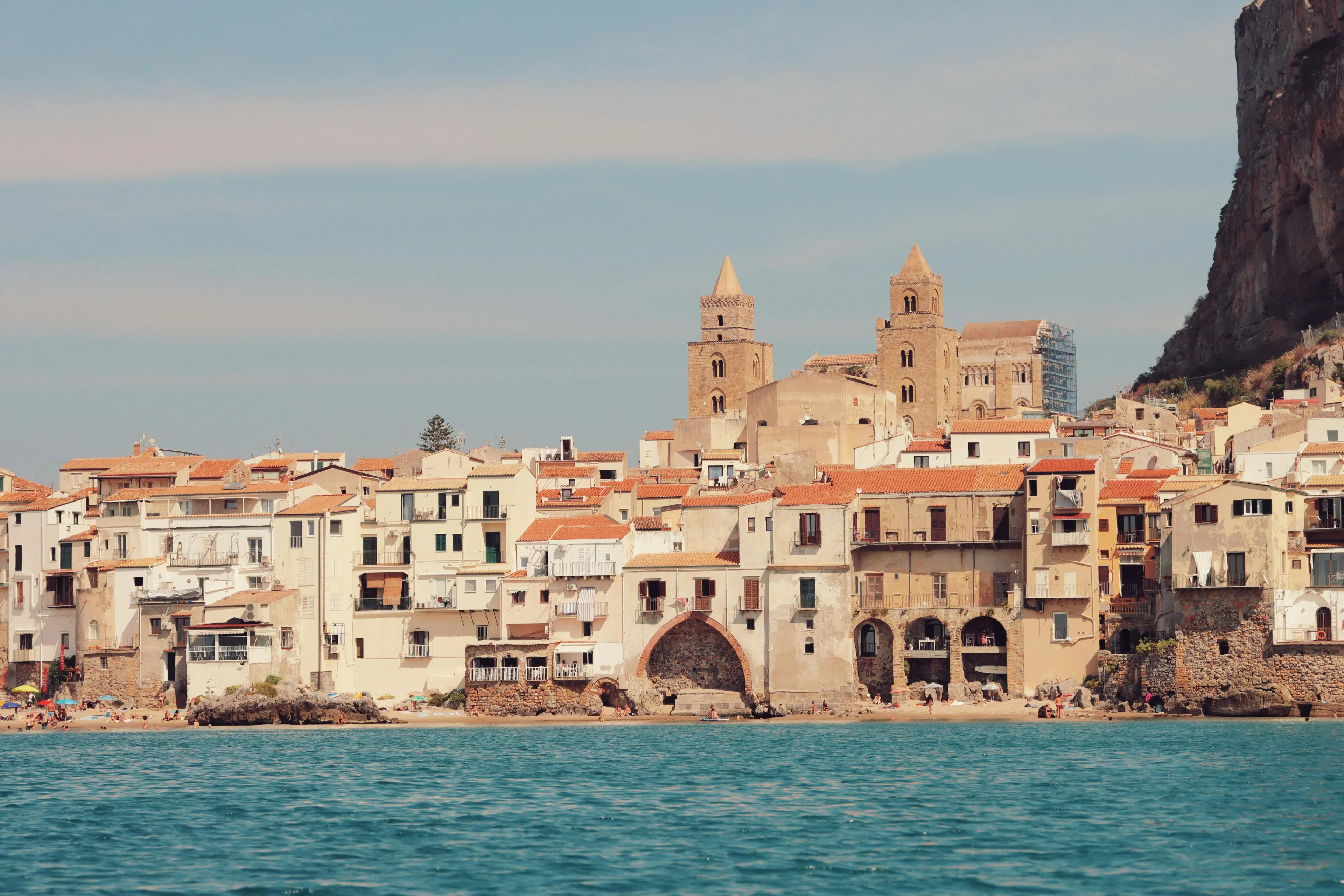
Seventy kilometres east of Palermo, on Sicily's northern coast, Cefalù is a fishing village wedged between a vast limestone Rocca and the Tyrrhenian Sea. The historic centre is built on an ancient grid: two parallel streets - Corso Ruggero and Via Vittorio Emanuele - connected by nine narrow cobbled alleys that run down to the water.
At the heart of it stands the Cathedral, commissioned by King Roger II in 1131. The Byzantine mosaics inside were completed by masters from Constantinople in 1145, and in 2015 the Cathedral was inscribed by UNESCO as part of the Arab-Norman Palermo serial site. The Christ Pantokrator in the apse is one of the great mosaic images in the Mediterranean.
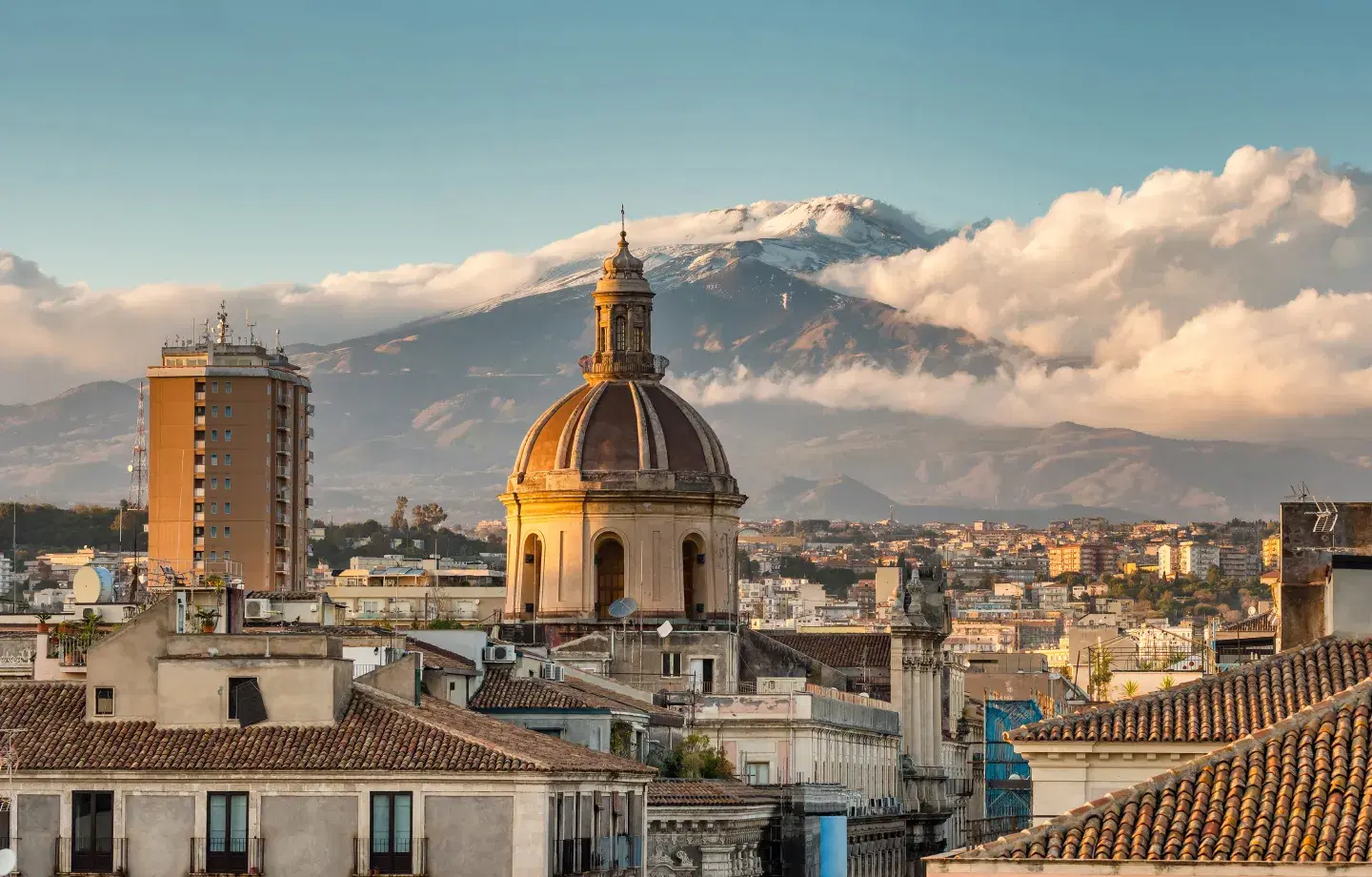
Film travelers will recognize the harbour and the medieval wash-house: Giuseppe Tornatore filmed several scenes of Nuovo Cinema Paradiso here in 1988 - the film that went on to win the 1990 Oscar for Best Foreign Language Film. For travelers who want to go deeper into the island, Cefalù makes a natural opening or closing stop on our Sicily: a full immersion into the Mediterranean island.
Bosa - the painted village on Sardinia's only navigable river
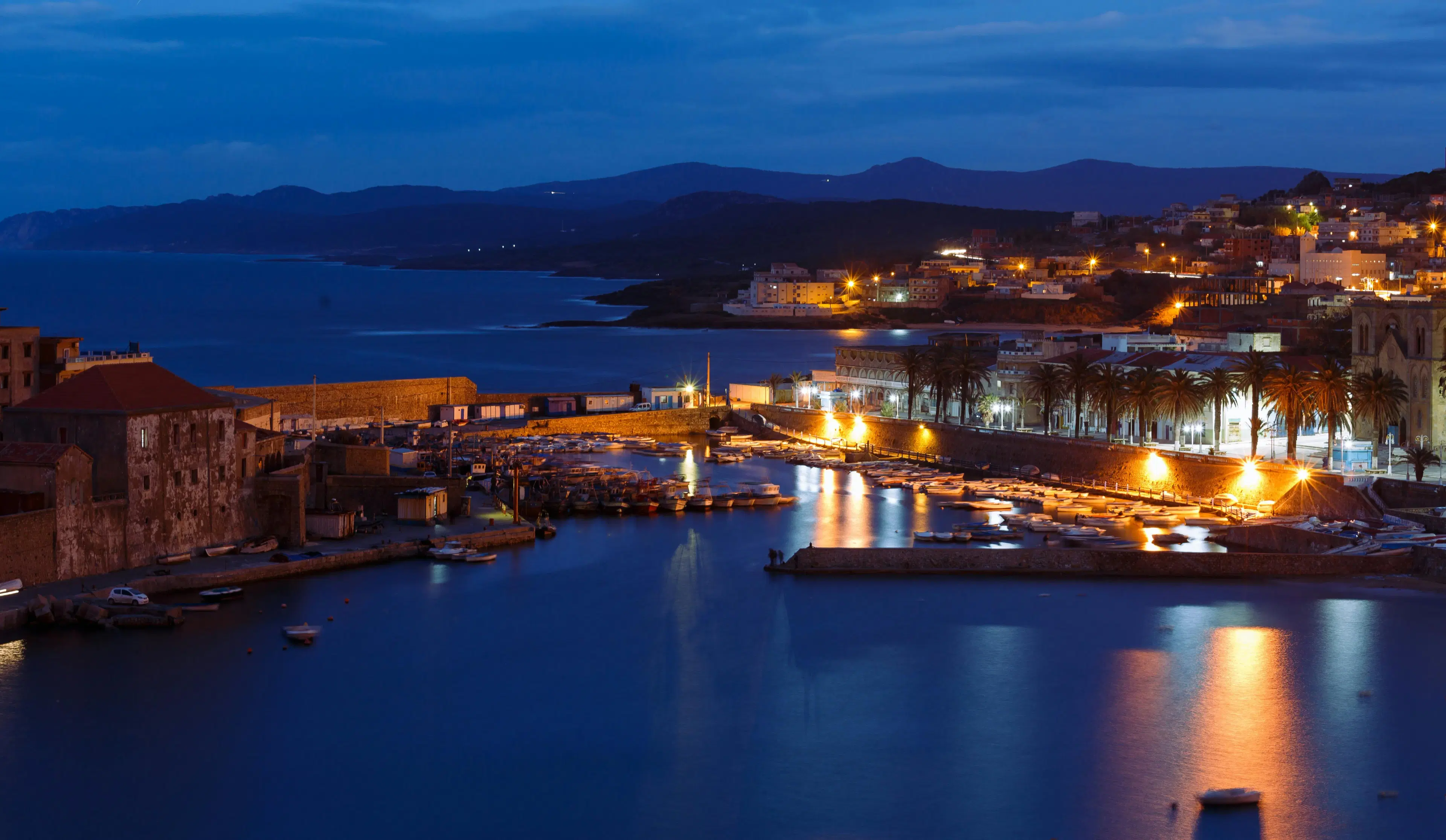
On the western coast of Sardinia, in the province of Oristano, Bosa rises from the banks of the river Temo - the only navigable river on the island. Pastel houses in yellow, pink, blue and ochre climb the Serravalle hill in a tight cluster called Sa Costa, crowned by the medieval Castello dei Malaspina built in 1112. The village is officially one of I Borghi più belli d'Italia - the most beautiful villages in Italy.
Walk the riverbank in the late afternoon, when the colours of the houses double in the water, and visit Sas Conzas - the old tanneries on the south bank - now an open-air monument to a craft that once made the village prosperous. The local wine, Malvasia di Bosa DOC, is a sweet aromatic passito unlike anything you've tried elsewhere on the island. Pair it with s'aranzada, a local sweet of candied orange peel, honey and almonds.
Bosa is the kind of detail we typically slot into our Sardinia: relax on the untouched paradise island between days on the beaches of the west coast - a half-day stop that quietly becomes the moment everyone remembers.
Frequently Asked Questions
Which Italian villages are worth adding to a Rome itinerary?
Civita di Bagnoregio and Orvieto are the two we recommend most consistently. Both sit within a 90-minute drive north of Rome and can be combined into a single day out, or extended into an overnight stay in Umbria.
What is the best Tuscan village to visit from Florence in one day?
San Gimignano is the most rewarding single-day option from Florence, particularly when paired with a Chianti wine stop on the return. For travelers willing to stay overnight, Pienza in the Val d'Orcia is incomparable.
Which villages should I add in Northern Italy?
If you have one stop, choose Varenna on Lake Como for the lakeside silence. If you have two or three days in the north, pair Stresa on Lake Maggiore with Orta San Giulio on the smaller, quieter Lake Orta - they are thirty minutes apart by private driver and complement each other beautifully.
How do you travel between Italian villages?
Private transfer is the only consistently efficient option. Rail covers the major cities well, but most villages are either off the rail network or served by infrequent regional connections. We design every Play Italy itinerary around private drivers who also act as informal guides - they know which back road leads to the best view, and which trattoria is worth the detour.
When is the best time to visit small villages in Italy?
Late April to early June and mid-September to late October. The villages are at their most beautiful, the weather supports long outdoor lunches, and the day-tripper volume is significantly lower than in July and August.
Are these villages suitable for travelers with limited mobility?
Most involve cobblestones, gentle slopes, or a short climb to a central piazza. Pienza, Stresa and Varenna are the most accessible. Civita di Bagnoregio requires crossing a 300-metre pedestrian bridge with a noticeable incline. We assess this individually for every traveler during the planning call.
Can I add a village to an existing tour?
Yes - every Play Italy itinerary is fully customizable. Adding a village stop is one of the most common adjustments we make during the planning phase, and the tours mentioned on this page are best understood as starting frameworks rather than fixed routes. You can check our full tour catalog here.
Your unforgettable Italian Journey awaits with Play Italy
Here at Play Italy, we are dedicated to transforming your exploration of Italy's natural wonders into a seamless and unforgettable experience. Whether you're marveling at the majestic peaks of the Dolomites, relaxing by the serene waters of Lake Como, savoring the rolling hills of Tuscany, or soaking in the stunning coastal views of the Amalfi Coast, our Travel Designer service is here to tailor your adventure to your tastes. Through a dedicated free call, you can speak directly with one of our Travel Designers and begin shaping a journey that reflects your pace, preferences, and expectations. We ensure that each moment is not just seen, but truly experienced.
For more inspiration on how to weave these natural delights into your travel itinerary, we invite you to subscribe to our Play Italy newsletter. By joining our community, you'll receive expert travel tips, seasonal insights, and early access to what's coming next — along with a special discount code to use on your first journey with us. If you're considering a journey and would like to explore it with us directly, you're always welcome to get in touch via email or WhatsApp to start a personal conversation.
Choose one of our itineraries and let Play Italy open the door to a world where each sight is a story and each landscape becomes a lasting memory. Come play with us, and let us turn your Italian holiday into a refined, meaningful experience. Your dream of Italy awaits — let's bring it to life, together.
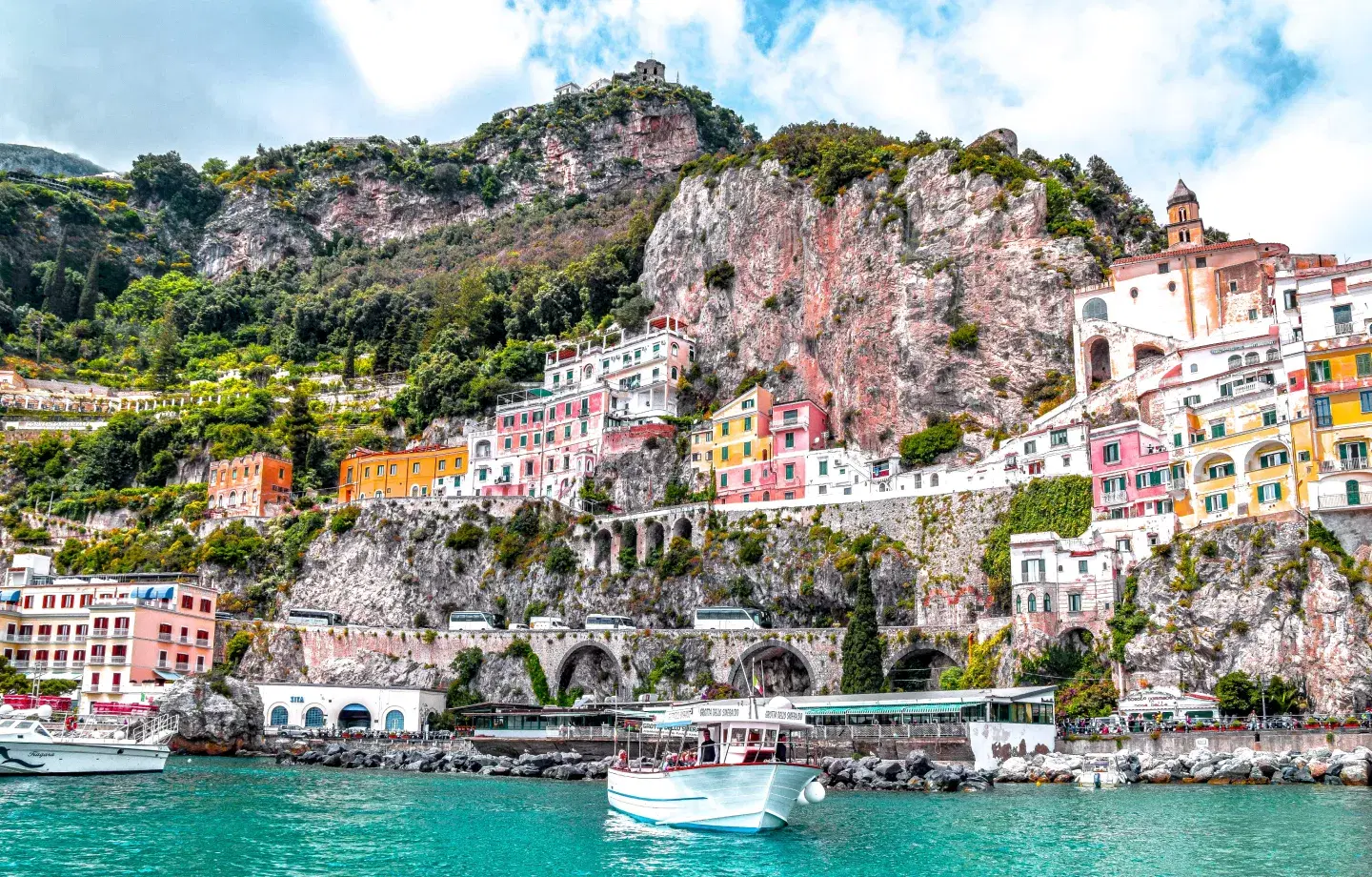
Rome, Sorrento and the Amalfi Coast: the core of Italian History
5
6 days 5 nights
7 Destinations
From $2,475
in double room
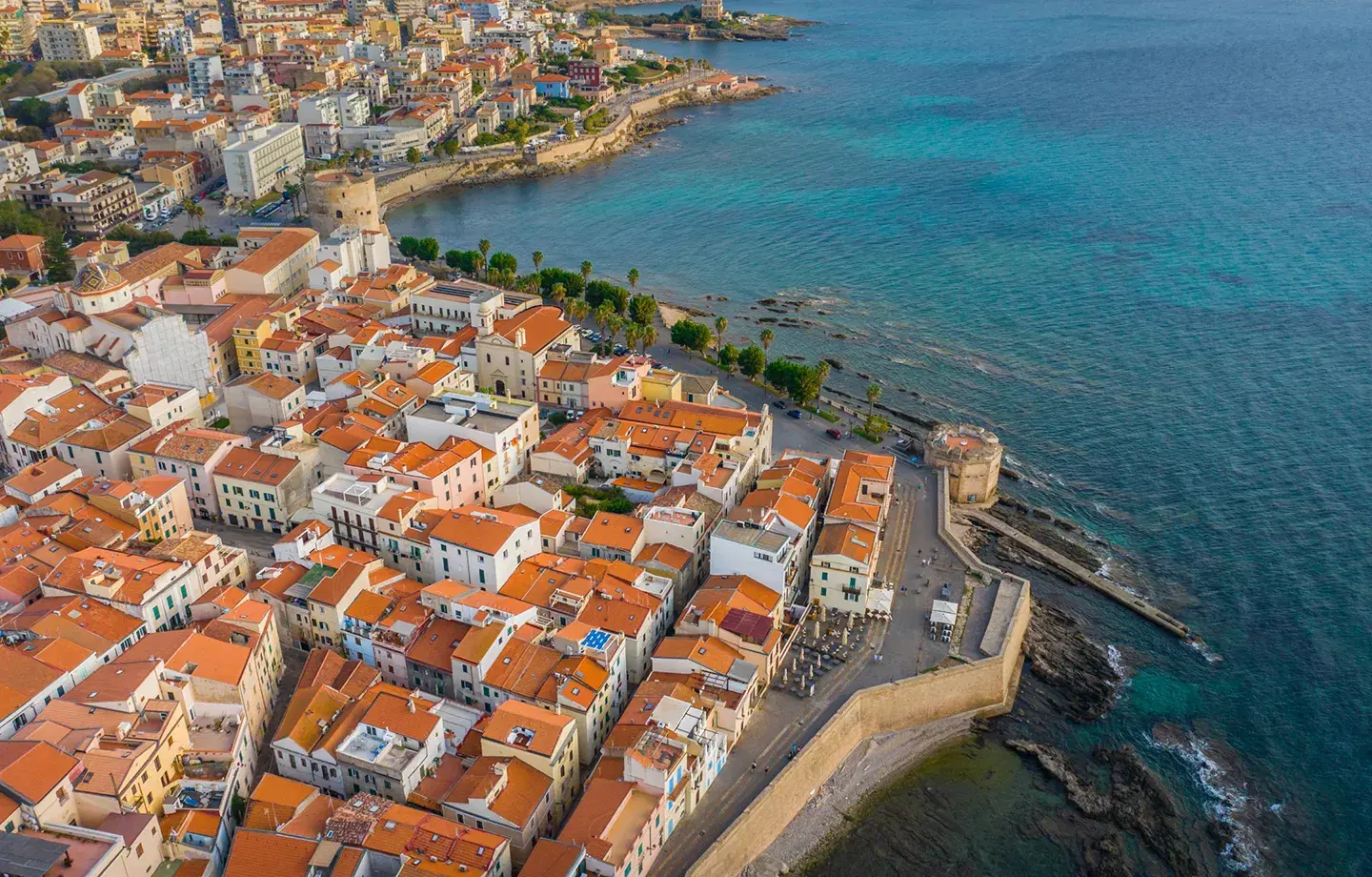
Sardinia: relax on the untouched, pristine paradise island
8 days 7 nights
7 Destinations
From $5,556
in double room
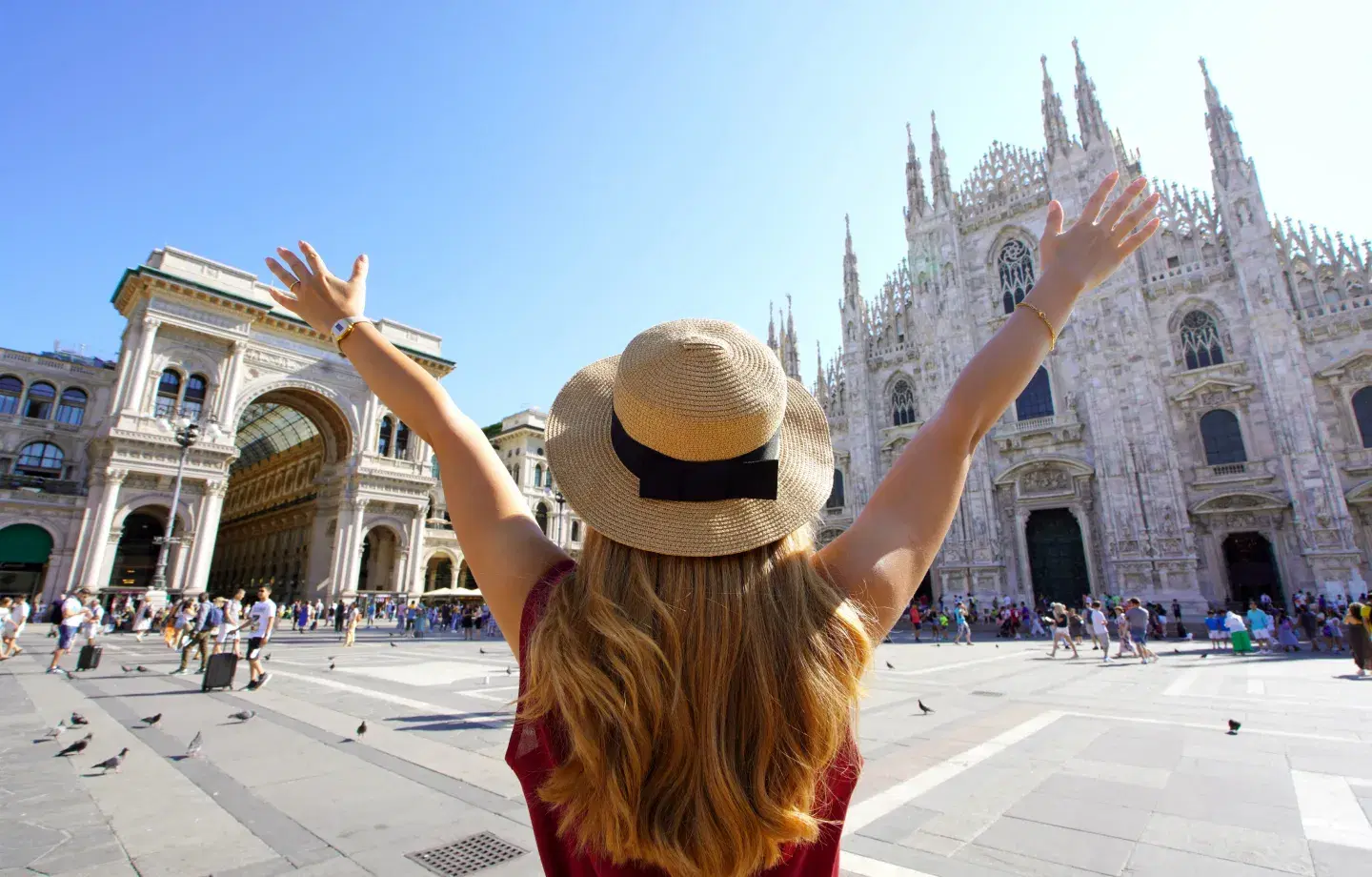
Milan, Lake Como & Venice: landscapes and history from the North
5
6 days 5 nights
4 Destinations
From $2,630
in double room
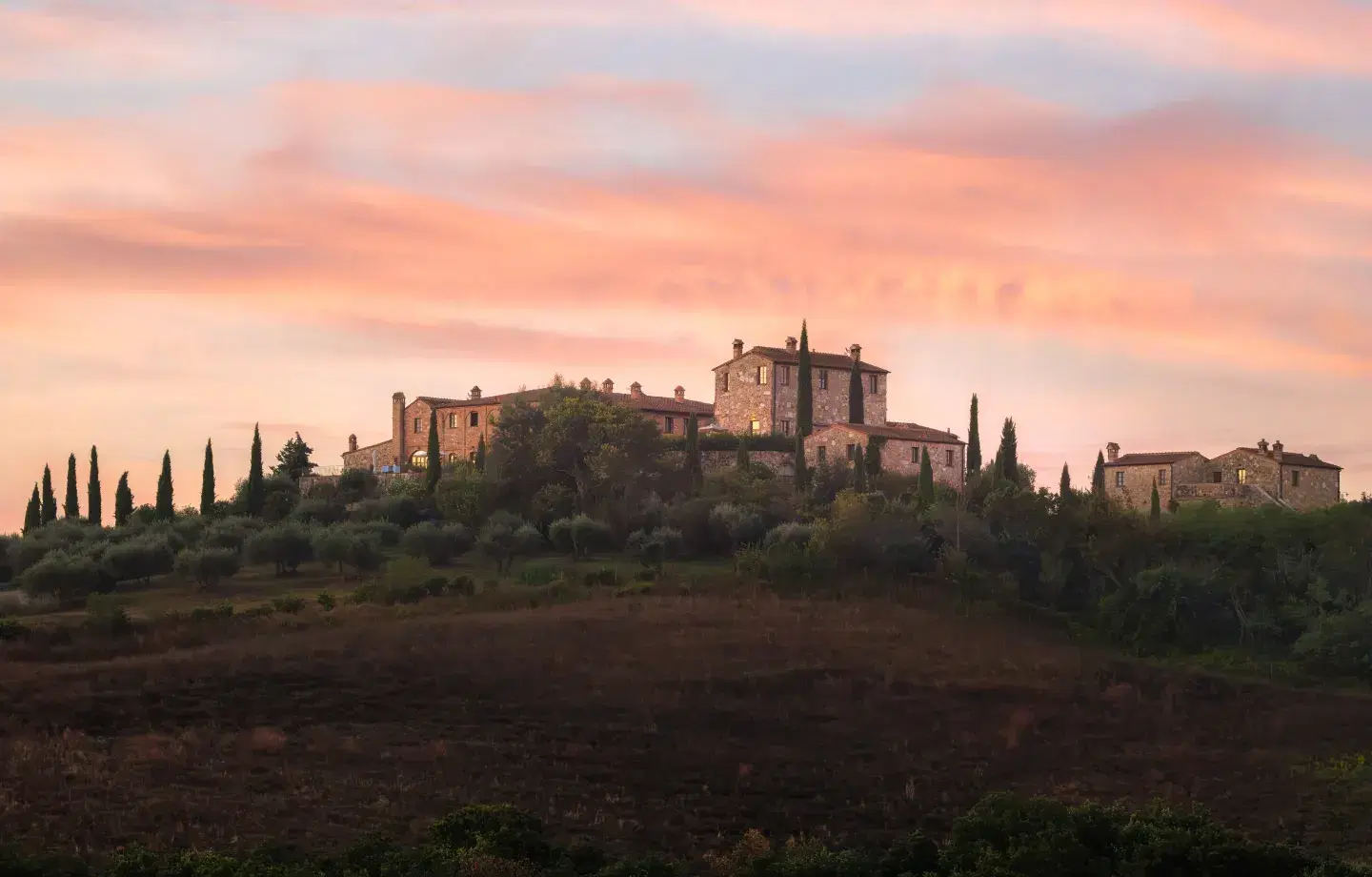
Wellness Retreat in the Umbrian Hills: Piloga, Organic Wines & SPA
3 days 2 nights
1 Destinations
From $1,015
in double room
Rome, Florence and Tuscany: the ultimate trip for history and art
4.8
6 days 5 nights
5 Destinations
From $1,791
in double room
Val d’Orcia: Villages, Wine & Thermal Wonders of Tuscany
5 days 4 nights
5 Destinations
From $880
in double room
Sicily: a full immersion into the enchanting Mediterranean Island
5
8 days 7 nights
8 Destinations
From $7,586
in double room
Lake Maggiore Escape: Stresa and the Borromean Islands
4 days 3 nights
3 Destinations
From $2,054
in double room
Under the Tuscan Sun: wine tours and excursions
4.7
5 days 4 nights
6 Destinations
From $971
in double room