Play Italy
Italy in summer is not one experience but three, and choosing between sea, lakes and mountains is less a question of where and more a question of what kind of summer you want to live. In our experience guiding American travelers across the country, the families and couples who come back happiest are not the ones who picked the most famous destination - they are the ones who matched the trip to their own pace, heat tolerance, and travel style.
This guide gives you a clear framework to decide, with real temperature ranges, honest trade-offs, and the tour options we usually recommend for each profile.
Quick Facts: Italy in Summer at a Glance
- Peak summer months: July and August, with the hottest period mid-July through mid-August
- Average highs: central Italy (Rome, Florence) 30–33°C / 86–91°F; southern Italy and Sicily 31–34°C / 88–93°F; Dolomites 20–25°C / 68–77°F
- Sea water temperatures: Amalfi Coast 24–27°C / 75–81°F in August; Sardinia 24–25°C / 75–77°F at peak
- Lake Como average: daily highs around 27°C / 80°F in July, with the lake itself moderating the heat
- Ferragosto: the Italian national holiday on August 15 - peak crowds at the coast, partial closures in cities
- Best for first-time travelers: mixed itineraries combining one cooler base (lakes or mountains) with shorter coastal stays
- Recommended trip length: 10–14 days for sea + lakes or sea + mountains combinations
- 2026 highlights: Arena di Verona Opera Festival (12 Jun – 12 Sep), Suoni delle Dolomiti (24 Aug – 3 Oct), post-Olympic infrastructure upgrades in the Dolomites
How to choose: the three questions that actually matter
Before looking at destinations, it helps to answer three honest questions. The right summer trip in Italy almost always falls out of them.
How much heat are you willing to tolerate? If extreme heat genuinely affects your comfort or health, the south coast and inland cities in August will be challenging. The Dolomites and the northern lakes offer a different summer altogether - warm days, cool nights, no sweltering. We have guided many travelers in their sixties and seventies who assumed they had to “do the Amalfi Coast in August” and were quietly relieved when we suggested Lake Como or the Dolomites instead. Save the Amalfi Coast for the spring or late summer, it’s beautiful nonetheless
What do you want the rhythm of the trip to feel like? Sea holidays in Italy reward slowness - long lunches, late swims, a single town as your base. Mountain holidays are more active by design: gentle hikes, cable cars, mountain refuges, fresh air. Lakes sit somewhere in between, with the cultural depth of historic villas and the calm of being on the water.
Have you been to Italy before? First-time visitors often want to combine summer landscapes with iconic cultural cities. Returning travelers usually want depth in one region. The answer changes everything about itinerary design.
The Italian sea in summer: what to expect, and where it actually works
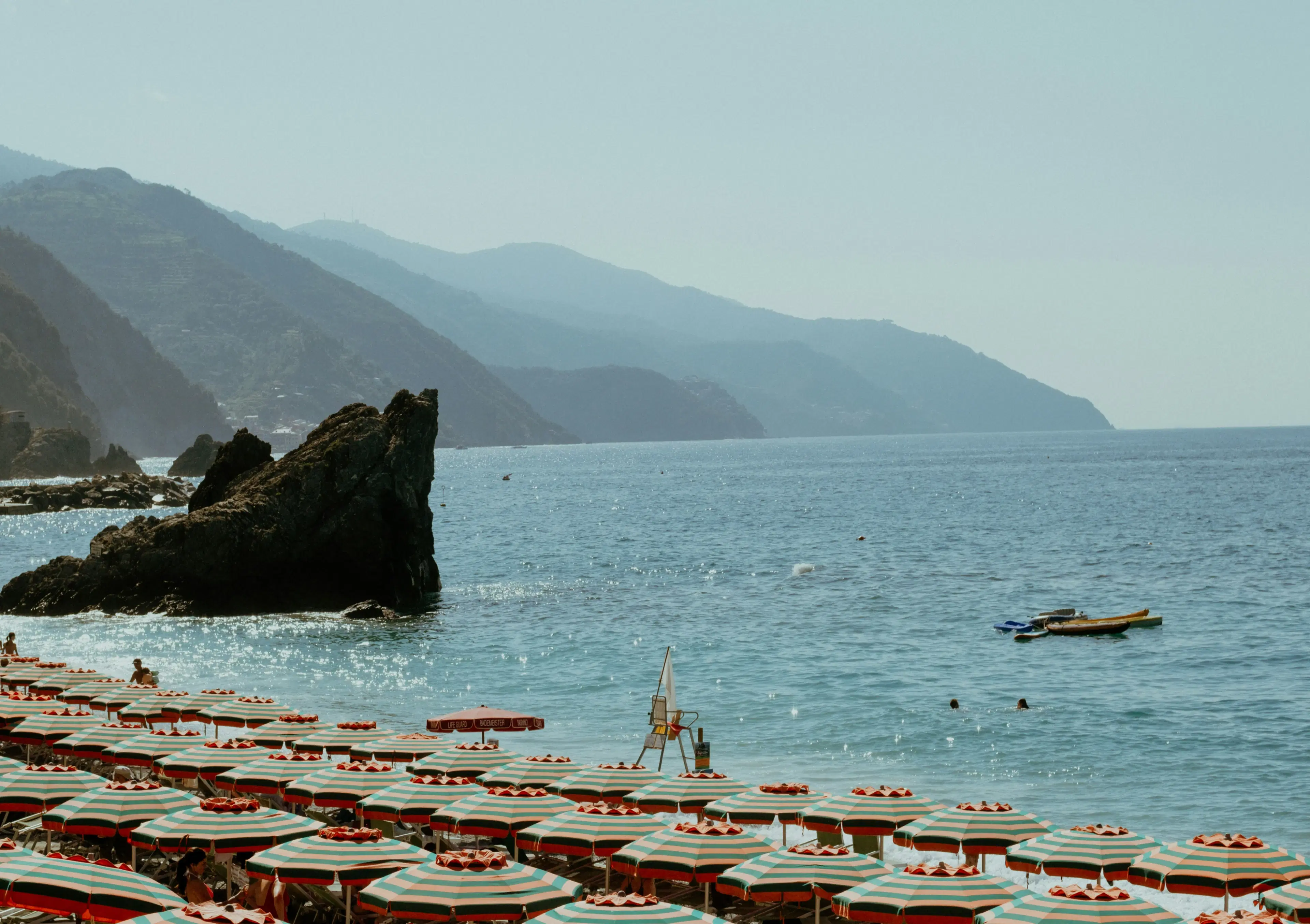
The Italian coast in July and August offers the warmest sea temperatures of the year - typically 24–27°C / 75–81°F - but also the most intense crowds and the highest prices. This is the trade-off, and there is no way around it.
For travelers who want the classic Italian sea experience, we usually recommend looking beyond the most-photographed names. The Amalfi Coast is extraordinary, with sea temperatures reaching around 26°C / 79°F at the late-August peak, but Positano and Capri in August require pre-booked everything and patience with foot traffic. Our Rome, Sorrento and the Amalfi Coast itinerary is designed around Sorrento as a quieter base, with day excursions to the coast.
Sardinia is, in our experience, the most underrated summer destination for the kind of traveler who wants beauty without the resort feeling. Sea temperatures in the Costa Smeralda peak around 24°C / 75°F in August, with the south coast around Cagliari and Villasimius holding the warmest waters of the island. The light is extraordinary, the beaches are world-class, and the interior offers cultural depth few visitors discover. Two tours we particularly recommend: Sardinia: relax on the untouched paradise island for first-time visitors, and the Sardinia Sailing Tour around Costa Smeralda and La Maddalena for travelers who want a more exclusive water-based experience.
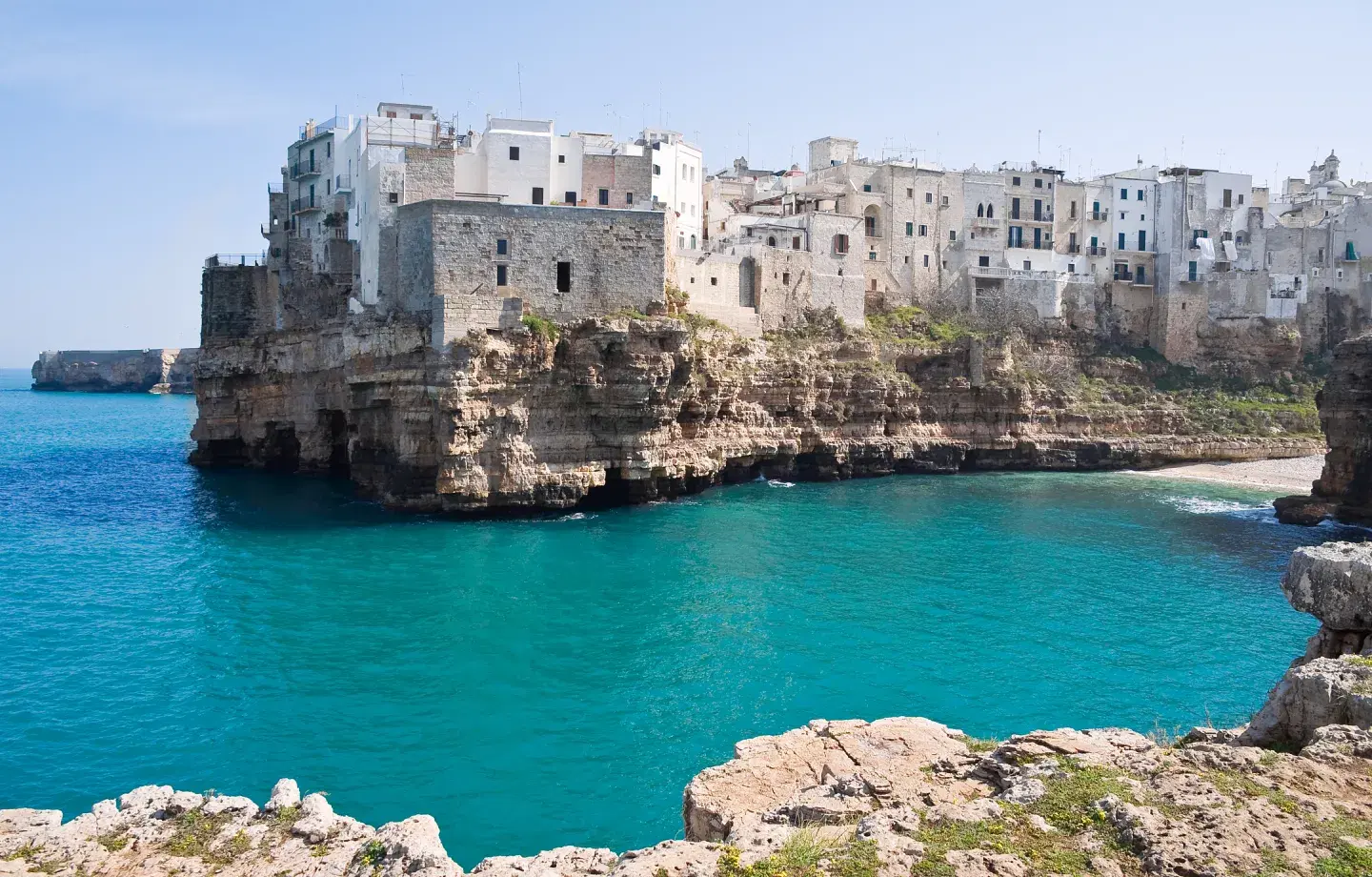
For Puglia and the deep south, sea temperatures match the rest of the Tyrrhenian coast, but the rhythm is different - slower towns, masserie instead of cliffside hotels, and a cuisine built around burrata, orecchiette and seafood. The Best of Southern Italy: from the Amalfi Coast to Puglia combines both regions for travelers who want range.
Italy's lakes in summer: the choice more American travelers are making
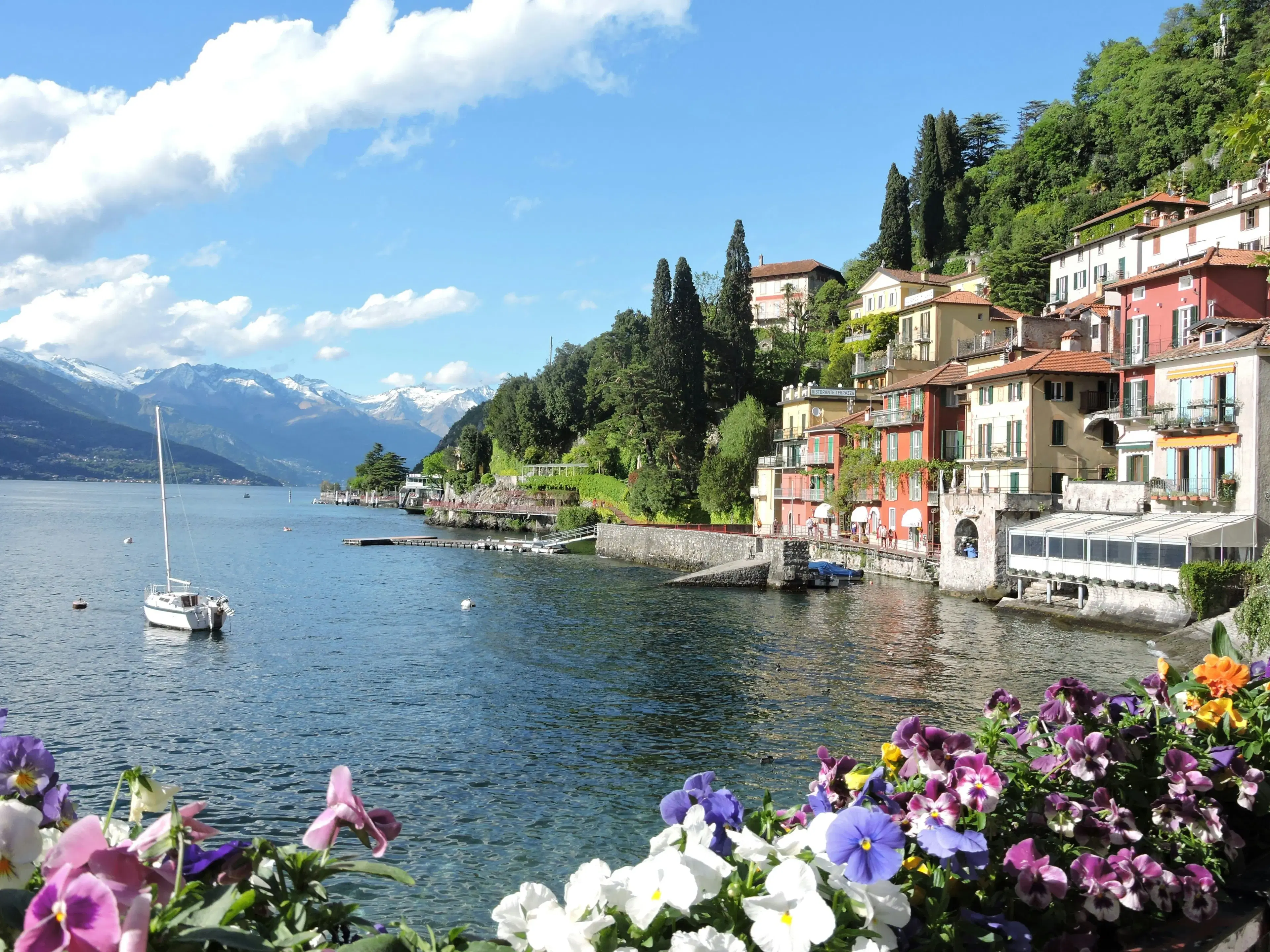
The Italian lakes offer the most balanced summer experience - warm days, mild nights, and a moderating climate that makes the heat feel manageable. This is why a growing number of our American clients in their fifties and sixties choose lakes over the coast.
Lake Como is the best known, and for good reason. Average July temperatures sit around 22°C / 72°F, with daytime highs near 27°C / 80°F and pleasant nights around 17°C / 63°F. The lake itself rarely exceeds 19°C / 66°F in summer - refreshing rather than bracing. The classic experience combines Bellagio, Varenna and a few days exploring the historic villas. Our Milan, Lake Como & Venice itinerary is the most requested for travelers who want northern Italy without the southern heat.
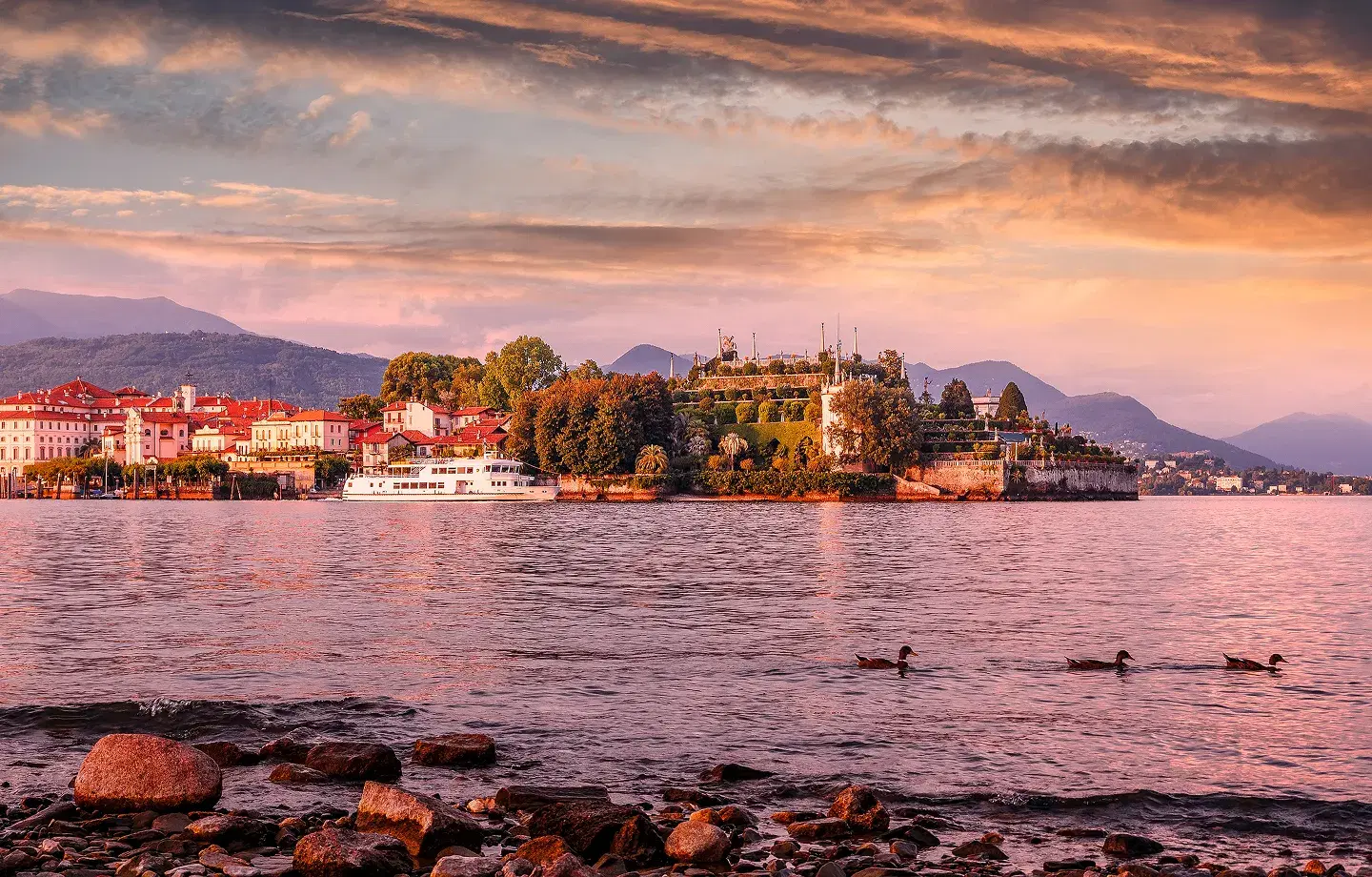
Lake Maggiore is the quieter alternative. The Borromean Islands offer one of the most beautiful summer days you can spend in northern Italy, with palace gardens, restaurants on the water, and far fewer crowds than Como. The Lake Maggiore Escape: Stresa and the Borromean Islands is a short, refined break that pairs beautifully with Milan or with the Dolomites.
Lake Garda offers a third option, larger and more varied than the other two, with windsurfing and sailing at the northern tip and warmer, almost-Mediterranean character at the southern end. For travelers who want the lakes combined with cultural cities, we typically build custom itineraries through a Travel Designer call.
Italy's mountains in summer: cool, quiet, and quietly luxurious
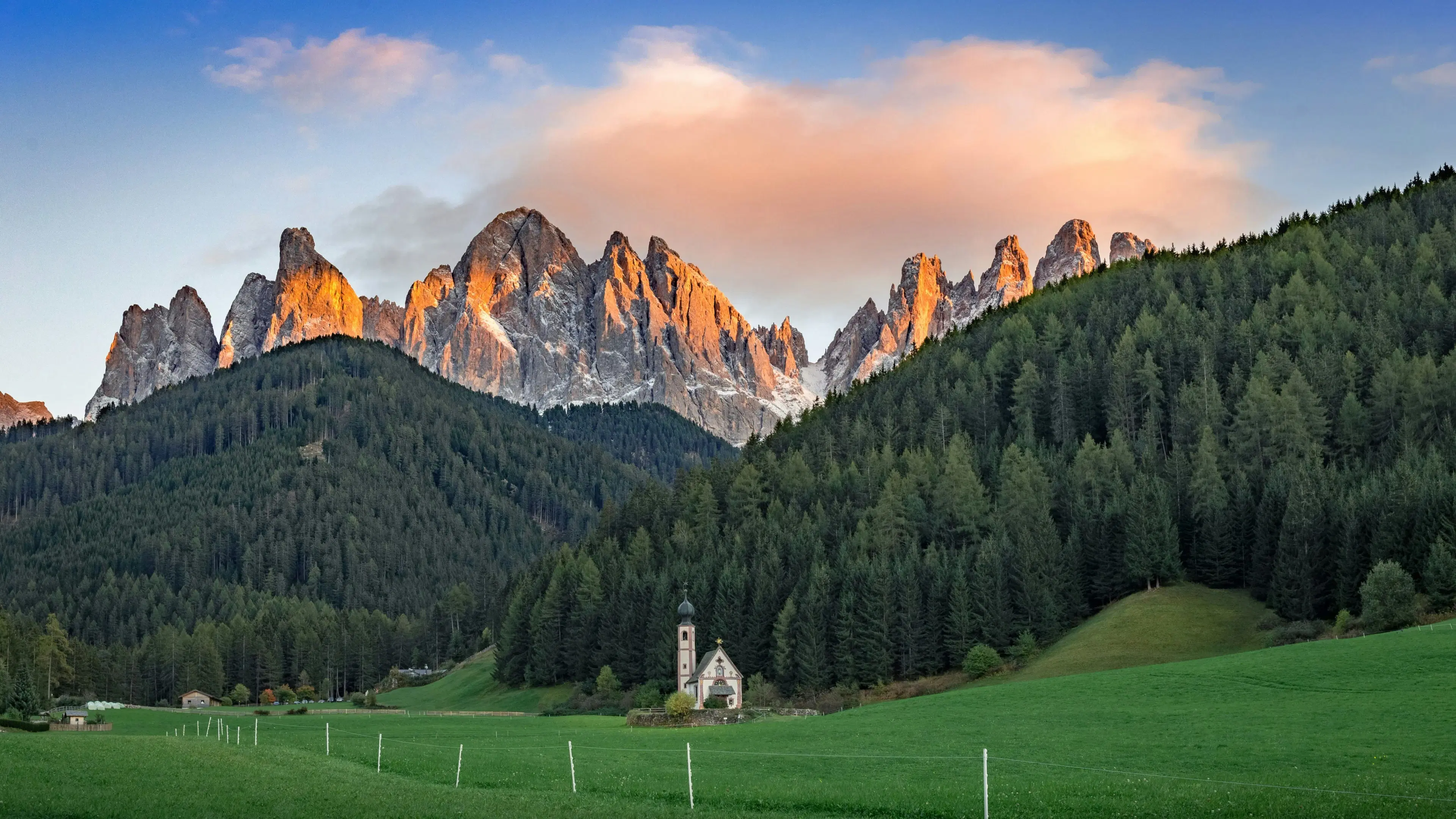
The Dolomites - a UNESCO World Heritage Site since 2009 - offer the most dramatic relief from Italian summer heat, with July and August highs rarely exceeding 25°C / 77°F and cool nights that require a light layer. This is the Italy most American travelers do not know exists.
The Dolomites are not the Alps of postcards. They are pale, vertical, geologically singular - limestone towers and spires above alpine meadows, lakes the color of jade, and trails accessible by cable car to travelers who don't consider themselves hikers. Cortina d'Ampezzo, Val Gardena and the Alpe di Siusi plateau are the most refined bases. Hearty cuisine that blends Italian and Austrian traditions - dumplings, speck, fresh trout - replaces the lighter Mediterranean meals of the coast.
Play Italy does not currently offer a dedicated mountain-only tour, but the Dolomites can be built into custom itineraries together with Venice (an easy connection) or with the lakes. Our What to do in the Dolomites all year round article covers the region in more depth, and the Travel Designer service is the best way to plan a mountain-led summer trip, and we’d be thrilled to design it for you.
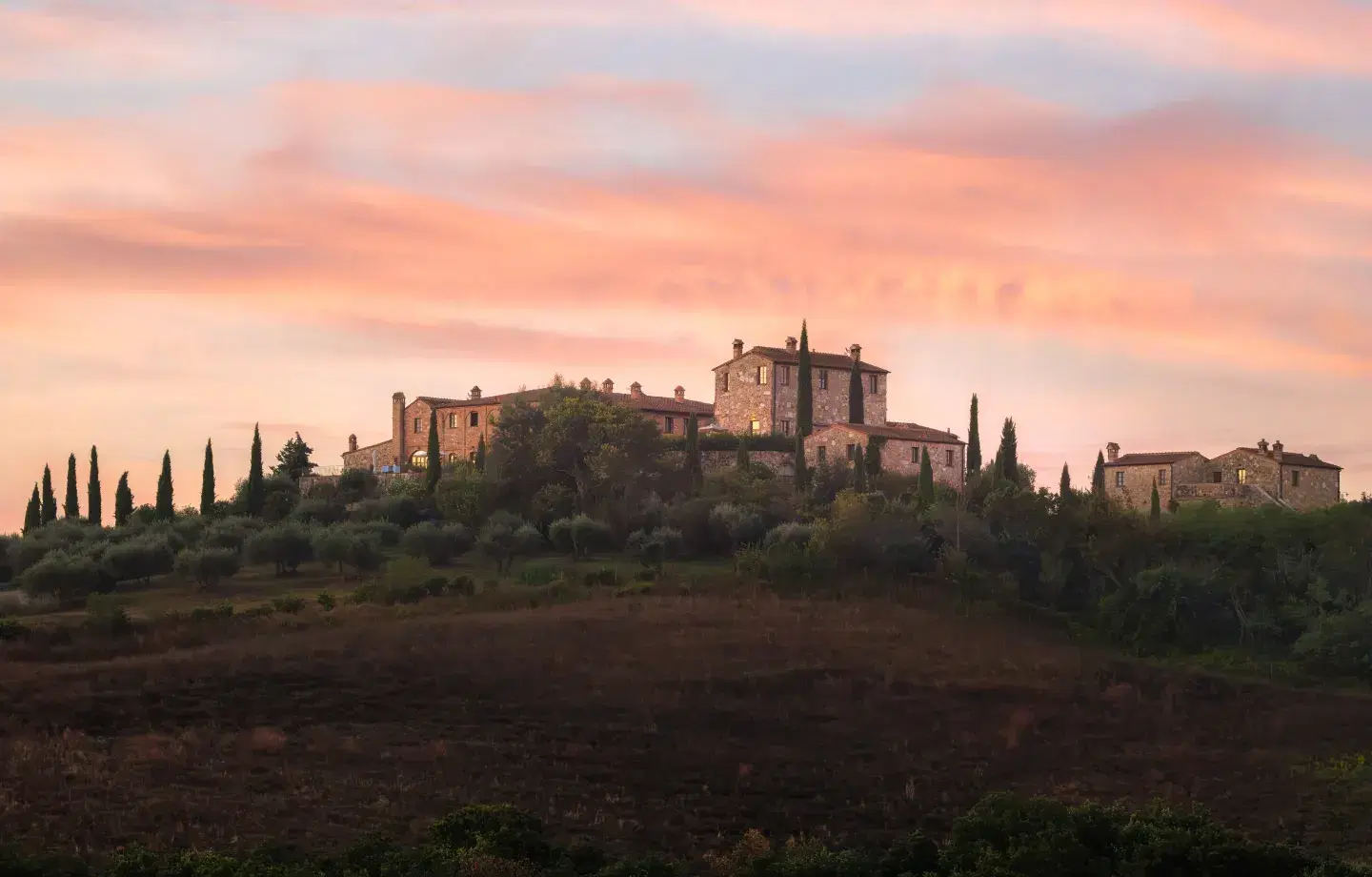
For travelers who want a mountain feel without the altitude, Umbria's hills offer a different cool - slightly milder than Tuscany, deeply green, with wellness retreats and silent escapes. The Wellness Retreat in the Umbrian Hills is a particularly elegant August option for couples seeking restoration over activity.
Italy in August: how to handle Ferragosto and the heat
August 15 is Ferragosto, the most important Italian summer holiday - coastal destinations are at maximum capacity, and many family-run restaurants and shops in cities close for the surrounding two weeks. This shapes the practical reality of an August trip more than most American travelers expect.
What this means in practice: if you travel in the second and third week of August, the coast will be at full intensity. Lakes and mountains absorb the same surge but with more breathing room. Cities like Rome and Florence become quieter as locals leave, which can be pleasant - fewer crowds at major sites - but inconsistent, with some favorite trattorias closed.
In our experience, the smartest August itineraries do one of three things: base in a mountain or lake destination where summer infrastructure runs at full capacity; combine two regions to escape any single peak; or shift the trip to late August into early September, when sea temperatures remain at their warmest but the Italian holiday wave has passed.
If you want to read more on timing, our guide on the best time to travel to Italy covers this in detail.
Summer 2026: what makes this year different
Summer 2026 follows the Milan–Cortina Winter Olympics, which closed in Verona's Arena in February - and the post-Olympic effect is visible across northern Italy this season, from refreshed infrastructure in the Dolomites to a renewed cultural focus on Veneto and Trentino. For American travelers, three events in particular shape the 2026 calendar in ways worth knowing.
The Arena di Verona Opera Festival runs from 12 June to 12 September 2026 - its 103rd edition, with around 50 performances under the open sky of the Roman amphitheatre. The 2026 season is built around a centenary celebration of Puccini's Turandot in the legendary Zeffirelli production, with revivals of Aida, La Traviata and La Bohème. Verona pairs beautifully with a Lake Garda or Lake Como base - an evening at the Arena is one of the most refined cultural experiences possible in northern Italy in summer.
I Suoni delle Dolomiti returns from 24 August to 3 October 2026 for its 31st edition: 18 free concerts staged at altitude in the Trentino Dolomites, reached on foot by audience and musicians alike. Classical, jazz, world music and singer-songwriter sets performed near mountain refuges, in valleys, or at sunrise on the Sass Pordoi. For travelers building a Dolomites stay into a late-August itinerary, the festival turns a hiking holiday into something genuinely once-in-a-lifetime.
The post-Olympic moment in northern Italy is more atmospheric than logistical, but worth noting. Cortina d'Ampezzo, Val di Fassa and the wider Dolomites region invested heavily in 2025–early 2026 in trail maintenance, cable car upgrades and hospitality refurbishments. The result for summer 2026 is a region that feels especially polished - quieter than the Winter Games months, but with new infrastructure travelers can enjoy.
We typically build these moments into custom 2026 itineraries directly through a Travel Designer call - they require timing and ticketing coordination that is hard to manage from abroad.
Can you combine sea, lakes and mountains in one Italy trip?
Yes - and for travelers with 10 days or more, we usually recommend it. A single-destination summer trip works beautifully for return visitors who want depth, but first-time travelers almost always benefit from contrast.
The combinations we build most often: Lake Como + Dolomites + Venice (cool-weather northern Italy, ten days); Rome + Amalfi Coast + Tuscan hills (cultural cities with coastal and inland balance, twelve days); Milan + Lake Maggiore + Venice (lakes and Renaissance cities, ten days); or a full North-to-South journey combining lakes, art cities and the southern coast.
The best way to design something like this is through a Travel Designer call. It's free, no pressure, and the conversation usually clarifies the trip in twenty minutes.
Frequently Asked Questions
Is August too hot for Italy?
August is the hottest month in Italy, with inland cities like Rome and Florence regularly reaching 32–33°C / 90–91°F and southern Italy occasionally exceeding 34°C / 93°F. It is not too hot if you choose your base carefully - lakes, mountains and the open coast remain comfortable. Inland cities require early starts and midday breaks.
Where in Italy is coolest in summer?
The Dolomites are the coolest summer destination in Italy, with average highs of 20–25°C / 68–77°F and cool nights. Lake Como, Lake Maggiore and the Umbrian hills offer milder summer temperatures than the coast or central cities.
Should we go to the sea or the lakes for our first summer trip to Italy?
For first-time travelers who want a balance of culture and relaxation, we usually recommend the lakes over the sea. Lake Como and Lake Maggiore offer pleasant temperatures, historic villas, refined dining and easy connections to Milan or Venice. The Amalfi Coast and Sardinia are extraordinary but more demanding logistically and more crowded in peak season.
Are the Dolomites accessible if we don't hike much?
Yes. The Dolomites are unusually accessible for a mountain region: cable cars reach high viewpoints, lakes like Braies and Carezza are short walks from parking areas, and most refined hotels offer guided light walks. Travelers who do not consider themselves hikers regularly enjoy the Dolomites in summer.
When is the sea warmest in Italy?
The Italian sea reaches its warmest temperatures in late August - Amalfi Coast around 26°C / 79°F and Sardinia around 24–25°C / 75–77°F. September is also excellent: the water remains warm well into October, and the crowds thin significantly after Ferragosto.
What should we avoid in Italy in summer?
We usually advise against extended stays in inland cities (Rome, Florence, Bologna) during the second and third weeks of August unless you specifically want quiet, off-season cities with some businesses closed. Coastal destinations the week of Ferragosto are also worth either embracing fully or sidestepping by adjusting travel dates.
What's special about visiting Italy in summer 2026?
Summer 2026 follows the Milan–Cortina Winter Olympics and offers two standout cultural moments: the 103rd Arena di Verona Opera Festival (12 June – 12 September, with a Turandot centenary production) and I Suoni delle Dolomiti (24 August – 3 October, 31st edition). Northern Italy in particular benefits from refreshed Olympic-era infrastructure.
Your unforgettable Italian Journey awaits with Play Italy
Here at Play Italy, we are dedicated to transforming your exploration of Italy's natural wonders into a seamless and unforgettable experience. Whether you're marveling at the majestic peaks of the Dolomites, relaxing by the serene waters of Lake Como, savoring the rolling hills of Tuscany, or soaking in the stunning coastal views of the Amalfi Coast, our Travel Designer service is here to tailor your adventure to your tastes. Through a dedicated free call, you can speak directly with one of our Travel Designers and begin shaping a journey that reflects your pace, preferences, and expectations. We ensure that each moment is not just seen, but truly experienced.
For more inspiration on how to weave these natural delights into your travel itinerary, we invite you to subscribe to our Play Italy newsletter. By joining our community, you'll receive expert travel tips, seasonal insights, and early access to what's coming next - along with a special discount code to use on your first journey with us. If you're considering a journey and would like to explore it with us directly, you're always welcome to get in touch via email or WhatsApp to start a personal conversation.
Choose one of our itineraries and let Play Italy open the door to a world where each sight is a story and each landscape becomes a lasting memory. Come play with us, and let us turn your Italian holiday into a refined, meaningful experience. Your dream of Italy awaits - let's bring it to life, together.
Wellness Retreat in the Umbrian Hills: Piloga, Organic Wines & SPA
3 days 2 nights
1 Destinations
From $1,015
in double room
Lake Maggiore Escape: Stresa and the Borromean Islands
4 days 3 nights
3 Destinations
From $2,054
in double room
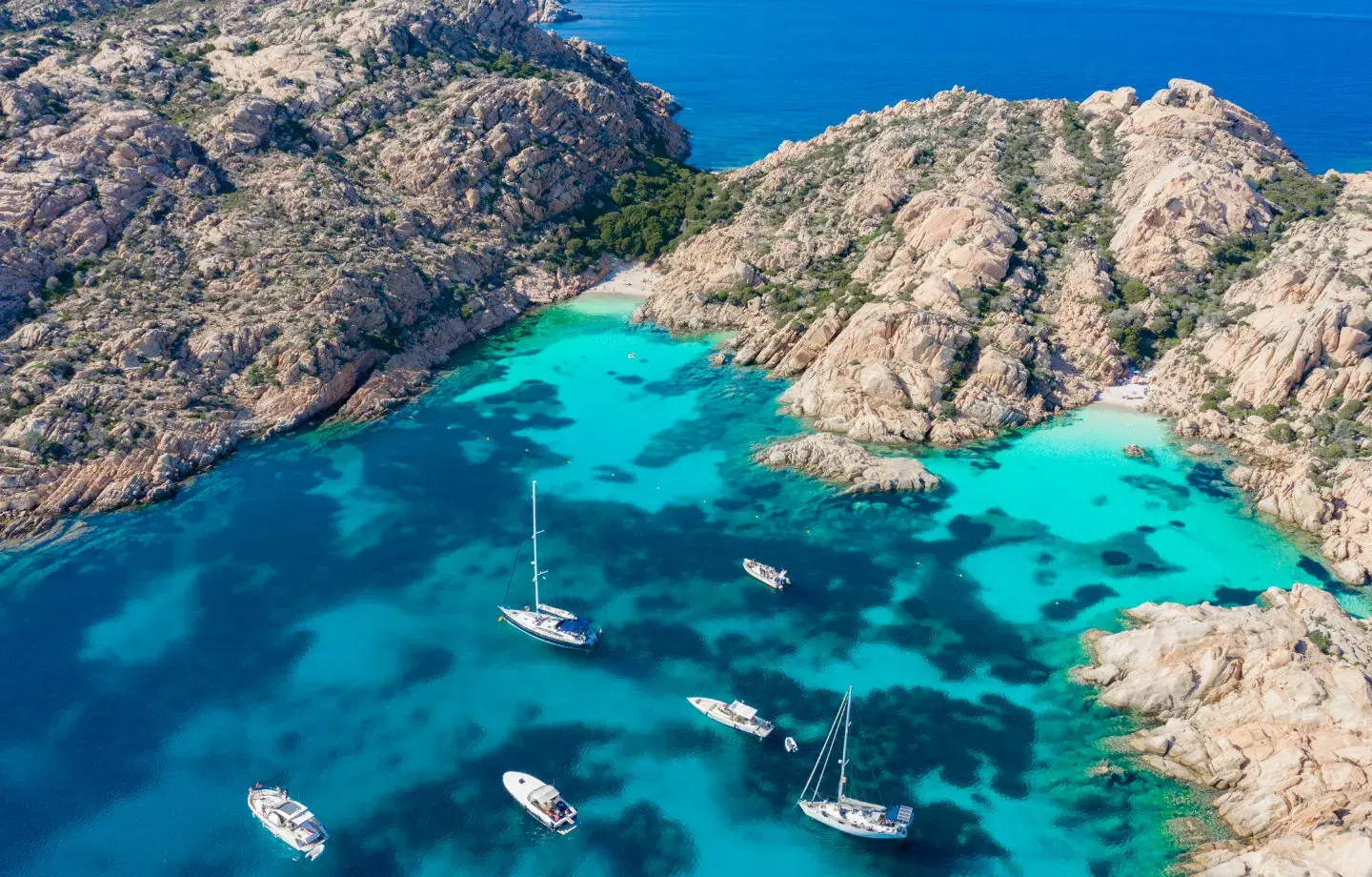
Sardinia Sailing Tour: Costa Smeralda, La Maddalena Archipelago & Porto Cervo
6 days 5 nights
7 Destinations
From $4,090
in double room
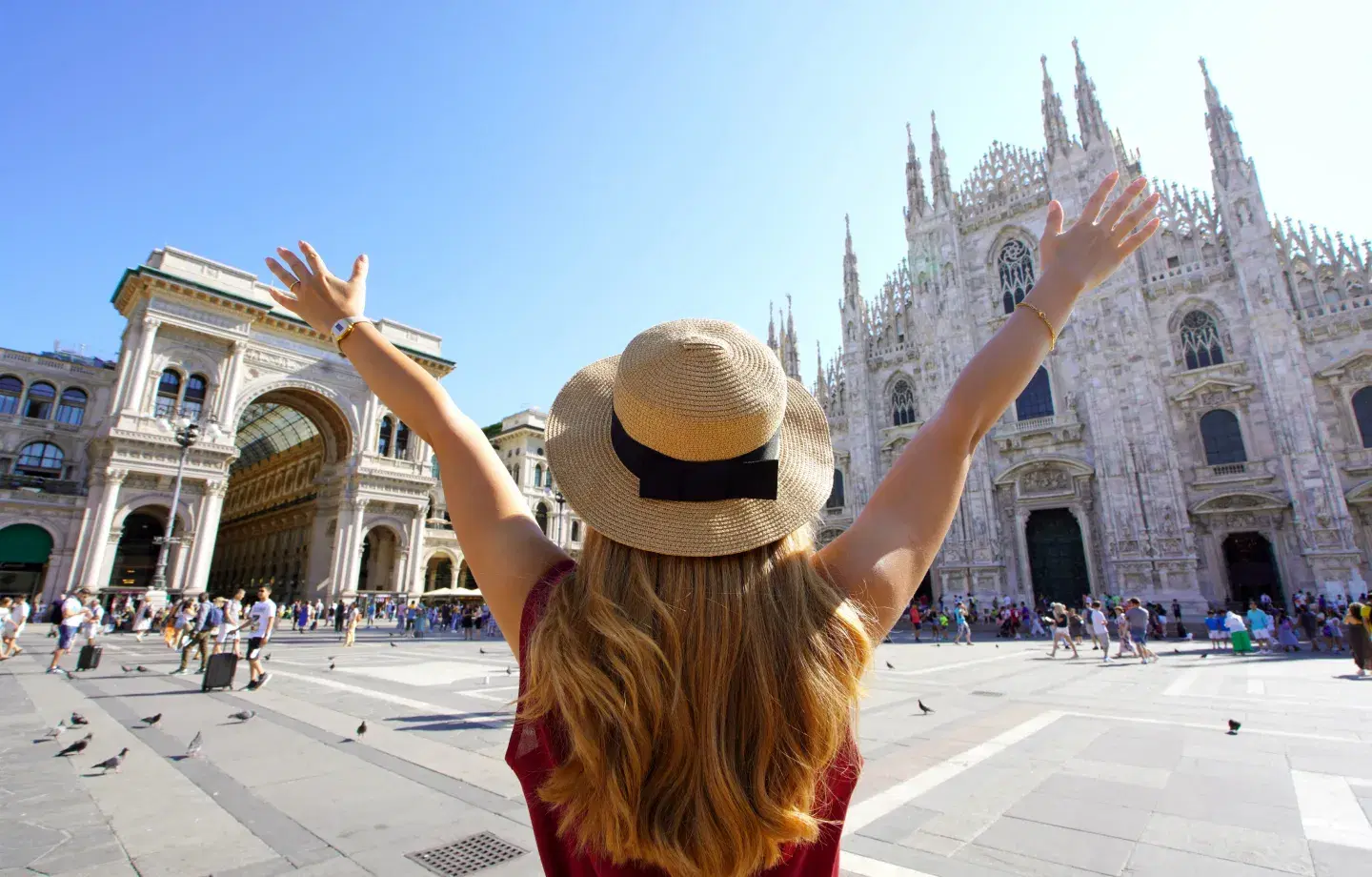
Milan, Lake Como & Venice: landscapes and history from the North
5
6 days 5 nights
4 Destinations
From $2,630
in double room
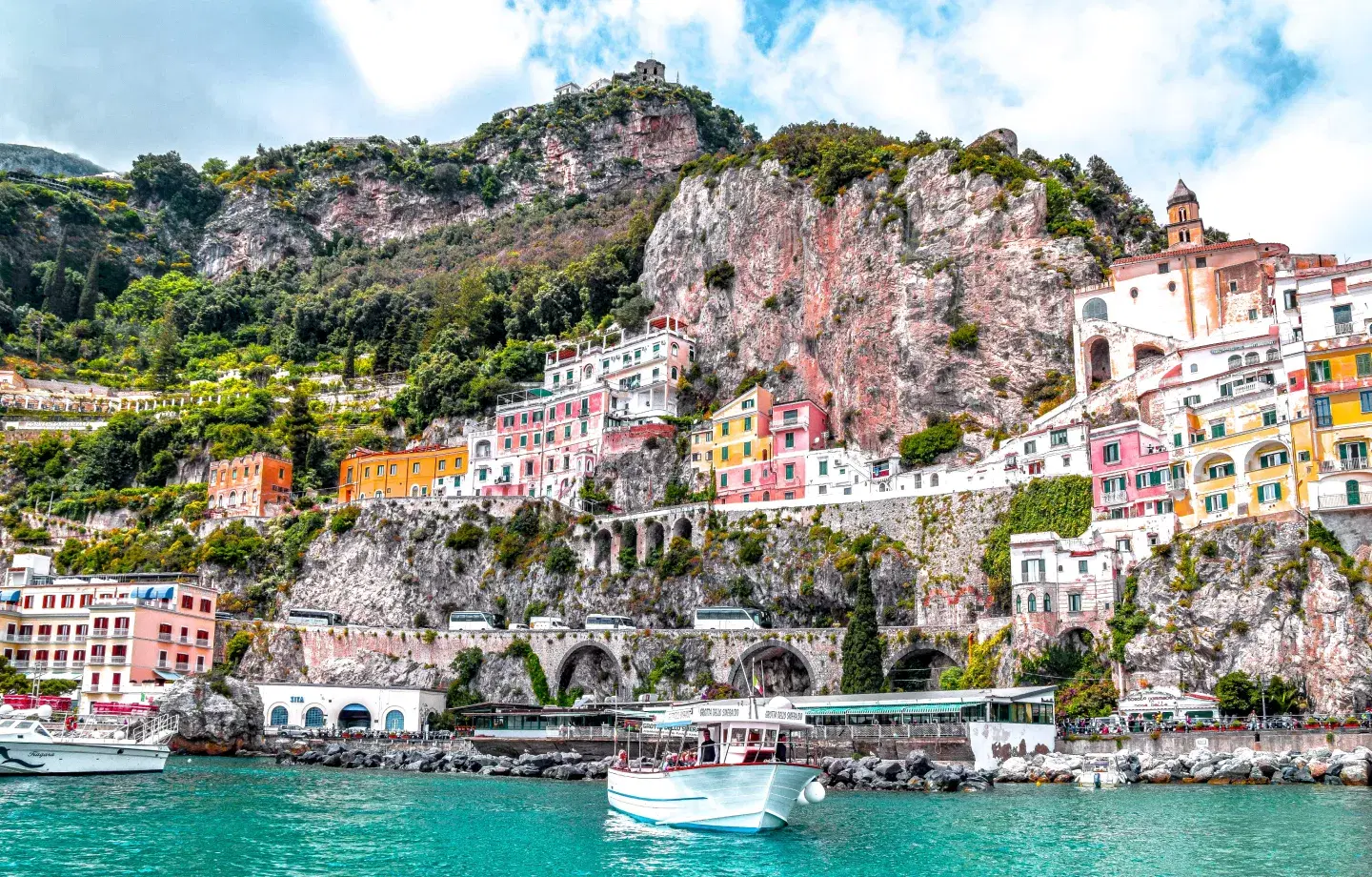
Rome, Sorrento and the Amalfi Coast: the core of Italian History
5
6 days 5 nights
7 Destinations
From $2,475
in double room
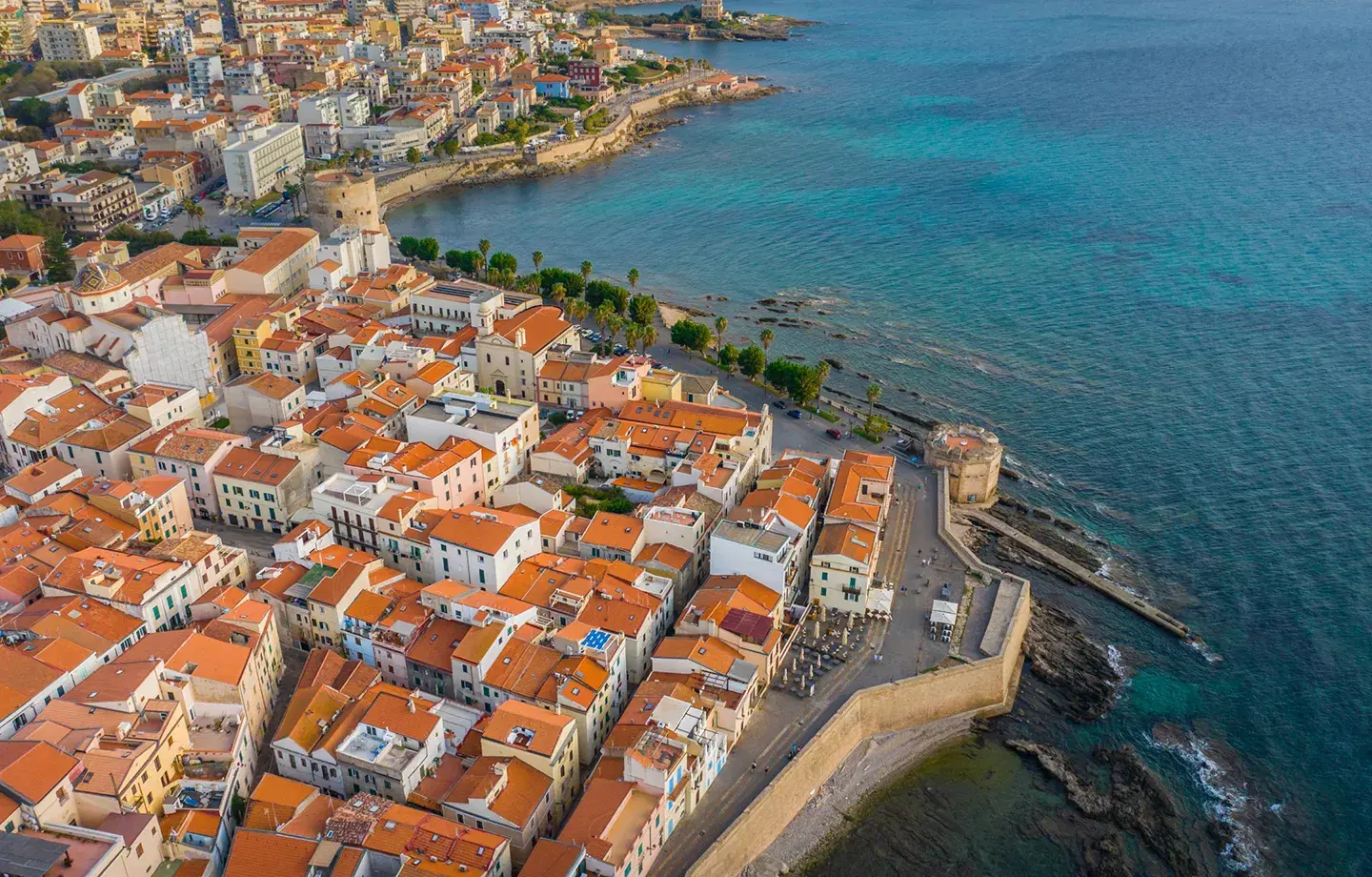
Sardinia: relax on the untouched, pristine paradise island
8 days 7 nights
7 Destinations
From $5,556
in double room
The best of Southern Italy: from the Amalfi Coast to Puglia
11 days 10 nights
16 Destinations
From $5,967
in double room