Play Italy
Italy in November tells a different story. The beach clubs are quieter, the days shorter and the weather less predictable. Yet the museums, neighborhood cafés, historic streets and regional kitchens are still very much alive. For travelers who enjoy art, food and time to explore without rushing, it can be a rewarding moment to discover the country.
So, is November worth visiting Italy? Yes - provided you choose a trip that fits the season. It is an excellent month for culture and food, but a less reliable choice for beach holidays, daily boat excursions or mountain hiking.
Rather than treating November as a cheaper version of summer, think of it as a different kind of journey, with its own rhythm and opportunities
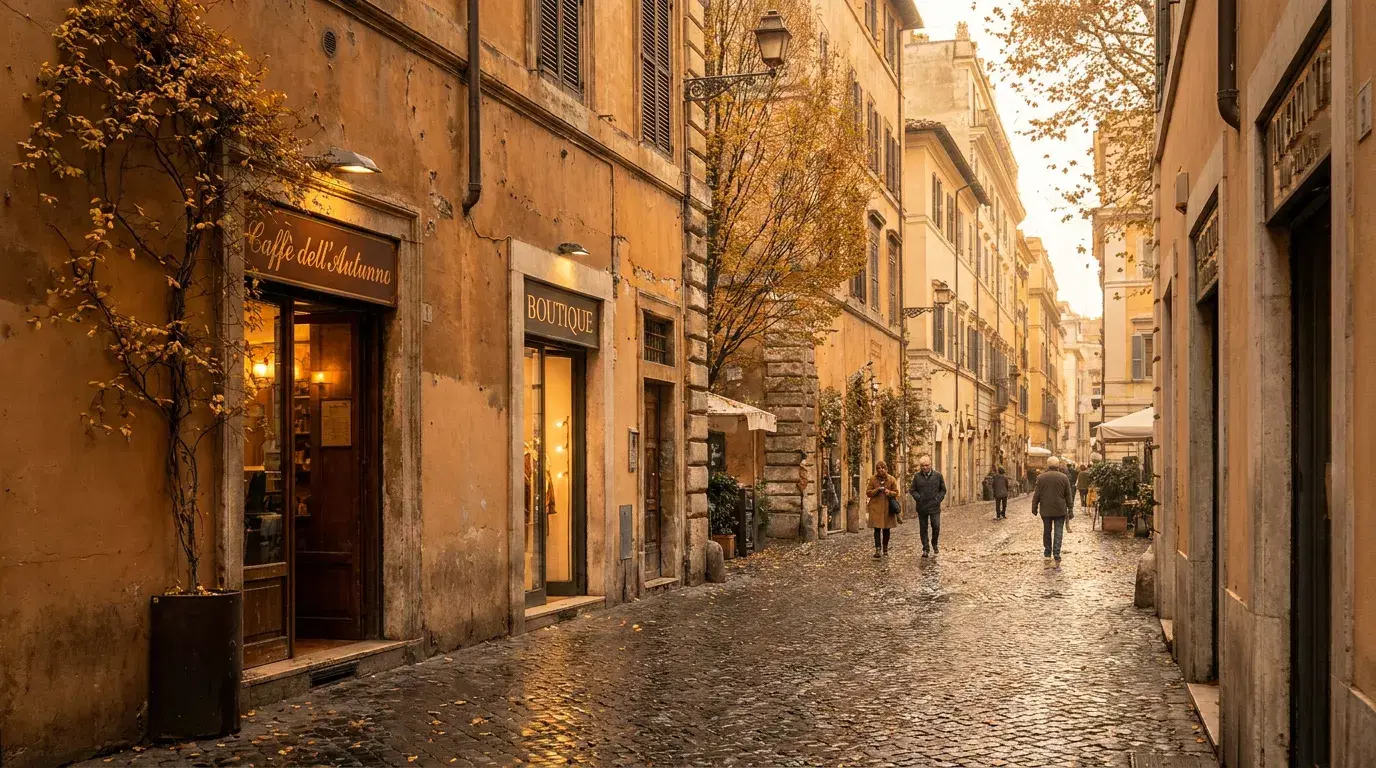
Is November a Good Time to Visit Italy?
There are real advantages. Major art cities generally see fewer visitors than in the height of summer, so traveling can feel less hurried. You still need to book popular sights such as the Colosseum or the Uffizi in advance, but you may find more space for the unexpected pleasures: a long lunch, a small museum, or a conversation with a local guide. Our guide to experiencing Italy without the crowds explores how timing and planning can change the journey.
Hotels can sometimes offer better value outside peak periods, although this depends on the destination and individual property. A distinctive boutique hotel or a city hosting a major event is not necessarily inexpensive just because the calendar says November.
The trade-offs are equally real: rain is more likely across much of the country, daylight is limited and seasonal services - especially along the coast - can be reduced. The right question is not whether November is perfect, but whether its advantages align with your travel priorities.
What Is the Weather Like in Italy in November?
Italy's climate varies considerably from north to south. Milan and Venice can feel chilly and damp; Florence and Rome are often cool but comfortable for walking; Palermo and other parts of Sicily can enjoy milder afternoons. Rain is possible everywhere, and the difference between a sunny day and a wet one can be substantial.
For a reliable historical reference, Consorzio LaMMA's Florence climate table for 1991-2020 reports a typical November average daytime high of 61°F (15.7°C), an average nighttime low of around 44°F (6.7°C) and an overall monthly mean near 52°F (11.2°C) at Firenze Peretola. Those figures are climate normals for one specific weather station, not a forecast for a future trip or a measurement for all of Tuscany. Milan and Venice are generally cooler, while Rome and Palermo tend to be milder, but local conditions can vary widely.
Shorter daylight also changes the rhythm of the day. Plan ancient ruins and countryside excursions for the brighter hours, saving museums, artisan workshops and food experiences for wetter afternoons. Pack layers, comfortable waterproof shoes and a rain-ready coat, with warmer clothing for northern Italy.
The Best Places to Visit in Italy in November
The strongest November destinations are not necessarily the warmest. They are places where the experience remains rich if the forecast changes.
Rome: History, Neighborhoods and Plenty of Alternatives
Rome is one of the most versatile choices for a first Italian journey. Cool mornings are well suited to walking through the Forum and the historic center, while galleries, churches and museums offer rewarding alternatives if it rains. Spend enough nights to separate major visits rather than crossing the city in a rush.
The best November days in Rome often combine one important cultural experience with something less structured: a wander through Monti, a market visit or a leisurely dinner in Trastevere. The city's appeal does not rely on sunshine.
Florence and Tuscany: Renaissance Art and Slow Country Days
Florence offers world-famous collections, small artisan workshops and a food culture that becomes particularly inviting in cooler weather. A visit to the Uffizi or Accademia can be balanced with time in Oltrarno, a cooking class or a thoughtfully chosen day in the Tuscan countryside.
For rural excursions, check winery appointments and seasonal opening times before committing. A single village and an unhurried lunch often make a better November day than a route packed with distant stops.
Bologna: Italy's Food Traditions at Their Best
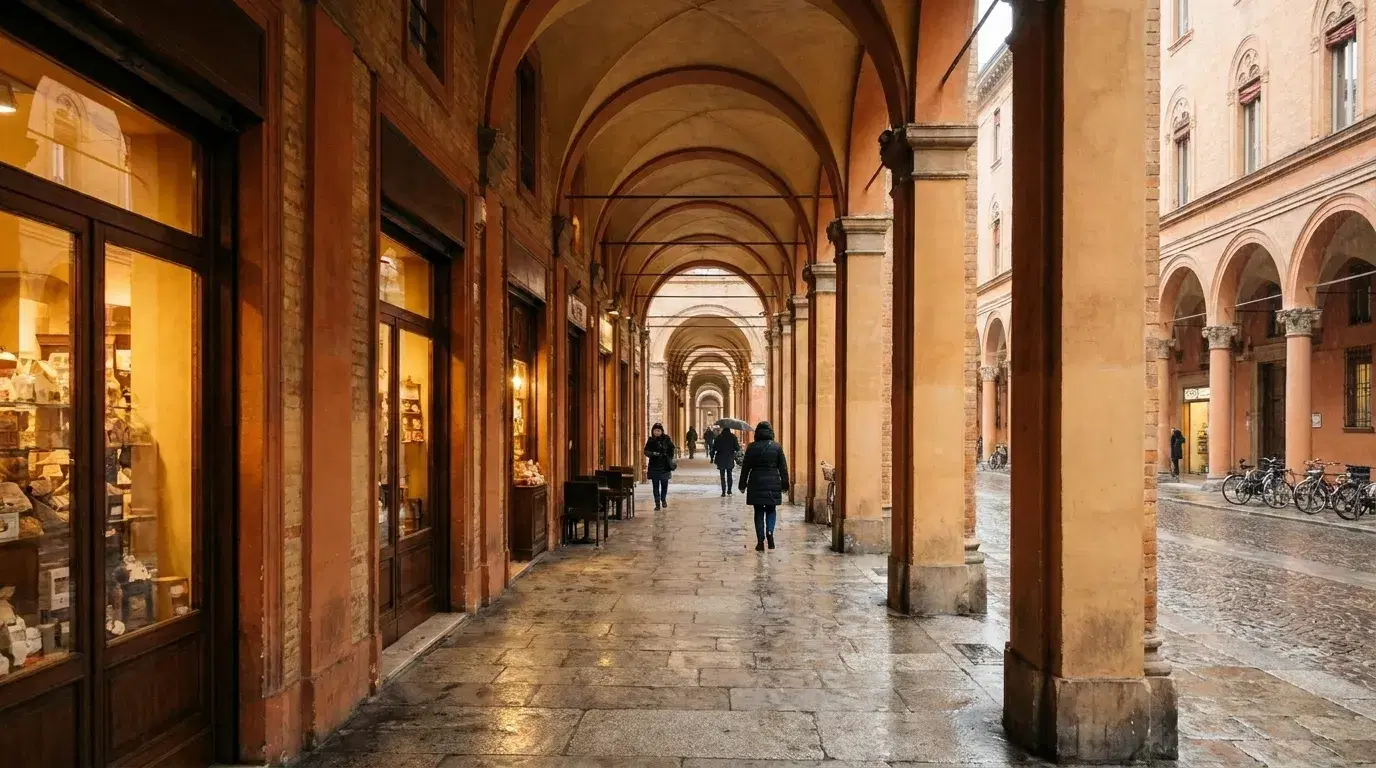
Bologna deserves attention from anyone who travels for food. Markets, traditional pasta, cooking classes and welcoming restaurants are part of its everyday life. Its historic porticoes, part of a UNESCO World Heritage site, are also especially welcome on a wet day, allowing you to keep exploring without making the weather the center of the story.
Piedmont and the Langhe: White Truffles and Red Wine
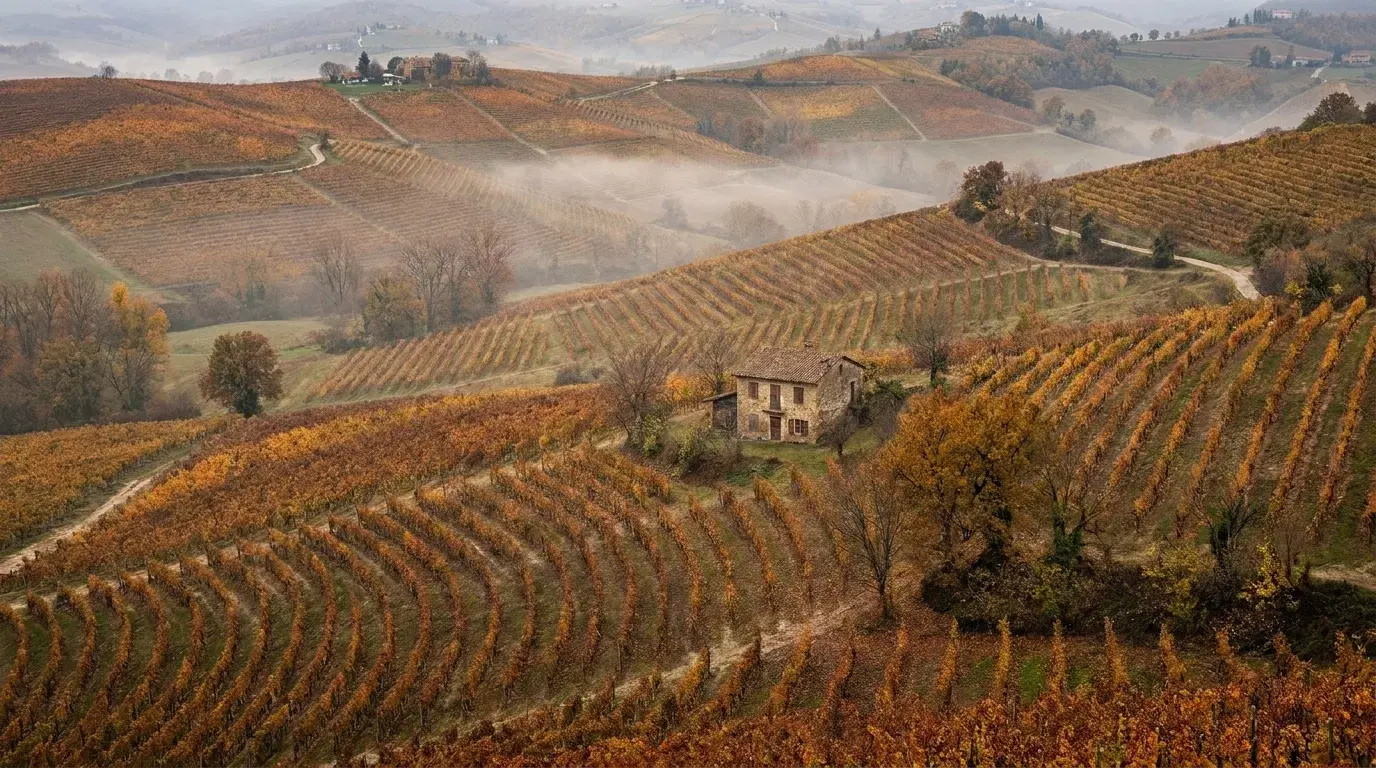
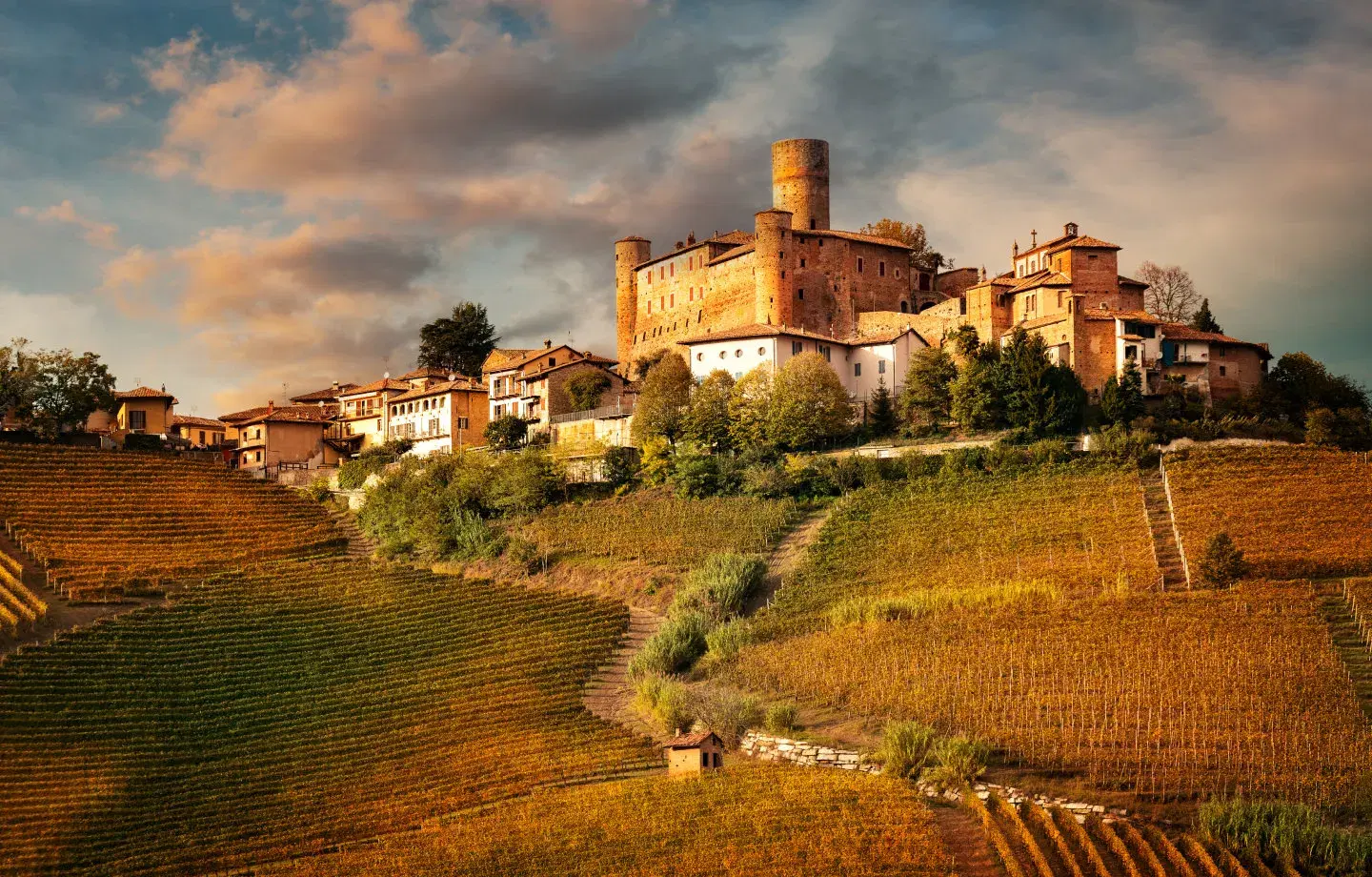
November offers a particularly compelling reason to visit the hills around Alba. The season of white truffles, local wines, hazelnuts and rich regional cooking makes this part of Piedmont attractive to travelers who prefer a long table to a crowded landmark. The International Alba White Truffle Fair features a market and events in November, although the dates and program of each edition should always be checked on the official calendar.
Consider a small number of carefully selected tastings rather than a marathon of wineries. The landscape, villages and people behind the wines are as much a part of the experience as what is in the glass.
Naples and Sicily: A Southern Perspective
Naples is compelling in almost any season: remarkable museums, busy streets, extraordinary food and easy access to historical sites such as Pompeii. Cooler temperatures can make archaeological visits pleasant, although wet-weather alternatives are still worth planning.
Sicily can be milder than northern and central Italy. Palermo, Syracuse and the island's historic towns reward a journey focused on culture, architecture and local cuisine rather than swimming. Give Sicily enough days to explore a smaller area properly; it is rarely satisfying as a rushed addition to a ten-day mainland itinerary. For a broader comparison before choosing a route, see our guide to Northern Italy vs Southern Italy.
Venice: Quiet Atmosphere, Seasonal High Water
Venice can be particularly evocative in November, with misty canals, museums and intimate neighborhoods. The important seasonal consideration is acqua alta, or exceptional high tides, which can temporarily affect low-lying areas. Check official local tide information rather than assuming every autumn visit will be disrupted.
Are the Amalfi Coast, Cinque Terre and the Dolomites Worth Visiting?
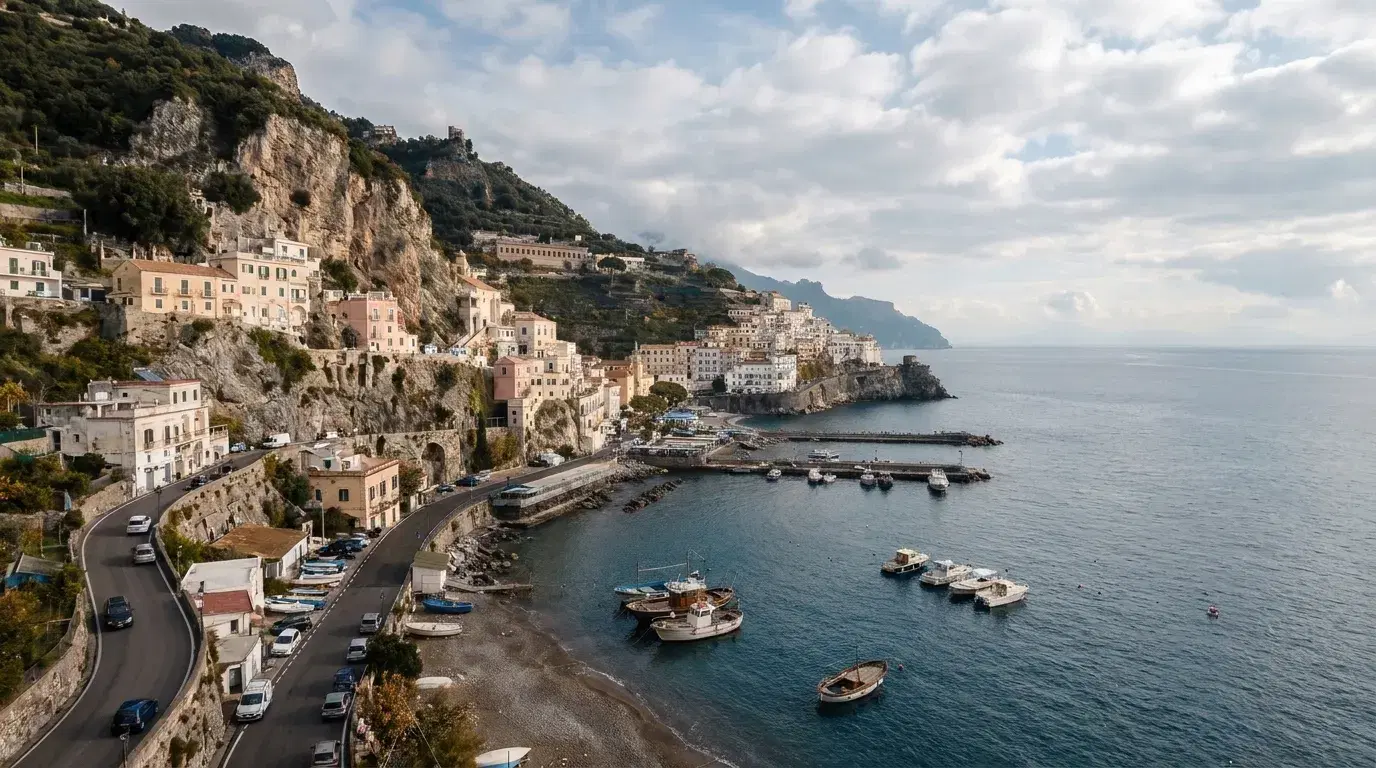
They can be beautiful, but the logistics and experience change significantly. On the Amalfi Coast, some seasonal hotels and restaurants close, while ferry routes and frequencies can change. Some operators, including Travelmar, publish year-round services on selected routes, so it would be wrong to assume that every boat stops in November. Check current Travelmar timetables for your exact ports and dates. A scenic visit based around Naples might still work, but an itinerary built on daily boat trips remains weather-dependent.
In Cinque Terre, rain can make hiking trails slippery, and official park alerts may restrict access or boat excursions. Check Cinque Terre National Park's trail advice before setting out. In the Dolomites, November often falls between the main hiking and ski seasons, with some lifts temporarily closed. Consult Dolomiti Superski's operating calendar instead of assuming that every lift is available. Lake Como may also have reduced seasonal hospitality options.
None of this means you must avoid these destinations. It means deciding whether the experiences you want will actually be available on your dates - and choosing another season if beaches, boating or mountain activities are your primary reason for traveling.
What Makes November Special in Italy?
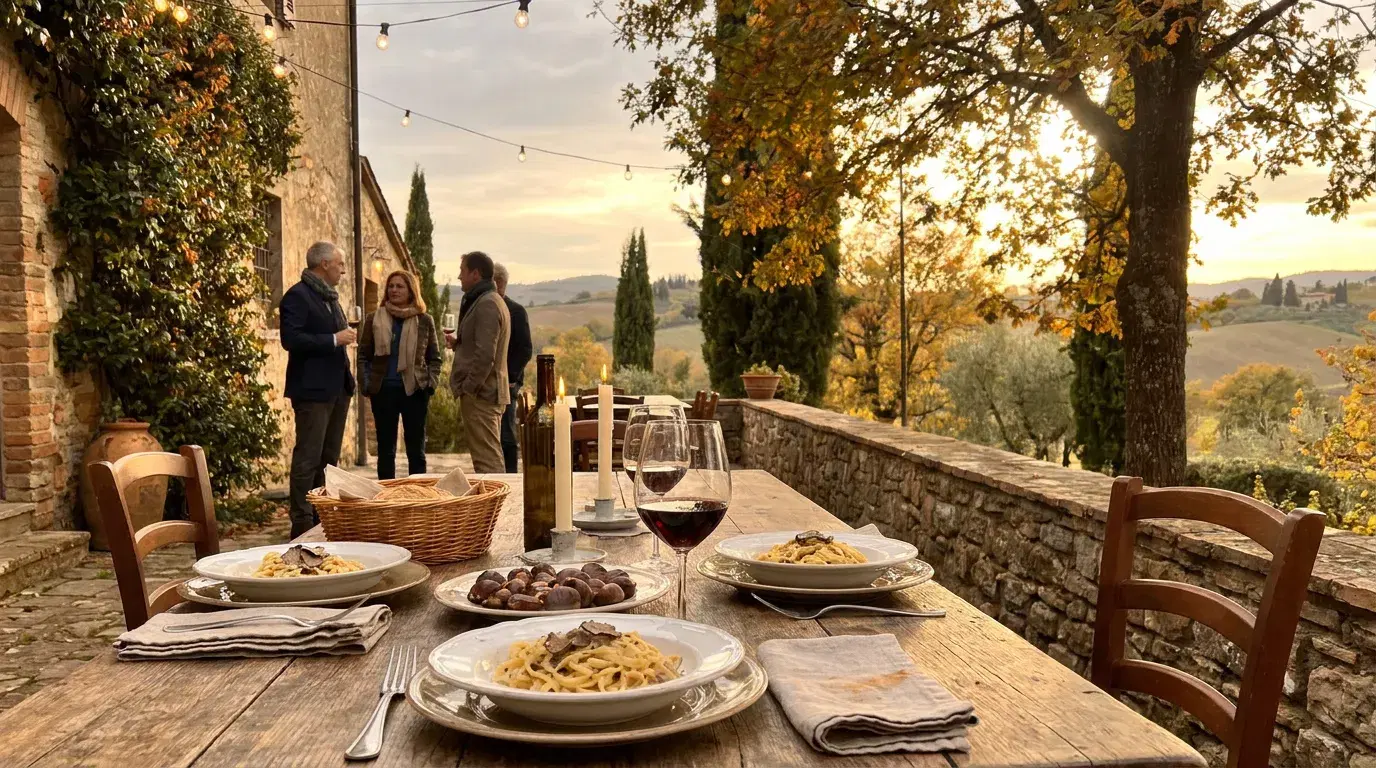
Some of the month's most memorable experiences happen around the table. White truffles in Piedmont, chestnuts, mushrooms, seasonal dishes and freshly pressed olive oil reveal an Italy shaped by the agricultural year. In Tuscany, olive harvesting and oil pressing often take place from late October into November. Look for olio nuovo - olive oil from the new harvest - or join a cooking experience centered on local seasonal ingredients. The Tuscany tourism board explains the tradition of November's new olive oil.
The grape harvest, known as vendemmia, is generally over by November; it should not be advertised as a typical November activity. Wine tasting, however, can be wonderful at this time of year. Our Fall Festivals in Italy article covers seasonal traditions, while the Winter Wine Tasting in Italy guide looks ahead to cellar experiences in the colder months. For a broader culinary journey, explore Taste of Italy: Regional Specialties.
November 1 is All Saints' Day, a national public holiday listed by Italy's official tourism portal. Opening hours can change around holidays, so verify museums, attractions and restaurants individually. Major cities do not shut down for winter, but some countryside accommodations and coastal attractions operate on shorter schedules.
How to Plan a 10-Day November Journey
The most successful itinerary is usually the one that resists the temptation to see everything. For a first visit focused on art and food, Rome, Florence and Bologna form a sensible ten-day route with three main bases connected by Trenitalia's high-speed rail network. Spend several nights in each place, keeping countryside excursions flexible.
Alternatively, a journey centered on Rome and Naples can explore the south without adding too many hotel changes. If Sicily is your main interest, allow enough time to experience it properly rather than including it as an afterthought.
Reserve the experiences that really matter, but avoid scheduling weather-sensitive activities back to back. Consider which restaurants, smaller hotels and local experiences will be operating in November. Our guide to how far in advance to book an Italy trip can help you prioritize reservations. A good plan should leave room for unexpected discoveries as well as an alternative when it rains.
Who Should Visit Italy in November - and Who Should Choose Another Month?
November is an excellent match for culture lovers, food-and-wine travelers, couples who enjoy slower days and returning visitors ready to discover a different side of the country. It can also work for first-time visitors if they put historic cities and flexible sightseeing ahead of sunshine.
If you dream of swimming in the Mediterranean, island-hopping, long evenings outdoors or extensive Alpine hiking, a warmer season will usually deliver more of what you want. November does not need to be Italy's best month for everyone to be the right month for you.
How a Local Travel Designer Can Make November Work Better
Booking a train between Rome and Florence is straightforward. The value of local expertise becomes clearer when you are deciding which rural properties operate in November, which experiences need advance arrangements and how to adjust a thoughtfully planned day when weather or opening hours change.
Play Italy's Travel Designers can help select a route that suits your interests and rhythm, coordinate accommodations and transfers, and connect the practical details with experiences grounded in local knowledge. Discover how Play Italy works. The goal is not to eliminate the season's unpredictability, but to build a journey that makes room for it.
So, is Italy worth visiting in November? Absolutely - if you want the country of art, long lunches, fascinating cities and regional traditions, and you are ready to discover it on its own autumn terms.
Your unforgettable Italian Journey awaits with Play Italy
Here at Play Italy, we are dedicated to transforming your exploration of Italy’s natural wonders into a seamless and unforgettable experience. Whether you’re marveling at the majestic peaks of the Dolomites, relaxing by the serene waters of Lake Como, savoring the rolling hills of Tuscany, or soaking in the stunning coastal views of the Amalfi Coast, our Travel Designer service is here to tailor your adventure to your tastes. Through a dedicated free call, you can speak directly with one of our Travel Designers and begin shaping a journey that reflects your pace, preferences, and expectations. We ensure that each moment is not just seen, but truly experienced.
For more inspiration on how to weave these natural delights into your travel itinerary, we invite you to subscribe to our Play Italy newsletter. By joining our community, you’ll receive expert travel tips, seasonal insights, and early access to what’s coming next - along with a special discount code to use on your first journey with us. If you’re considering a journey and would like to explore it with us directly, you’re always welcome to get in touch via email or WhatsApp to start a personal conversation.
Choose one of our itineraries and let Play Italy open the door to a world where each sight is a story and each landscape becomes a lasting memory. Come play with us, and let us turn your Italian holiday into a refined, meaningful experience. Your dream of Italy awaits - let’s bring it to life, together.
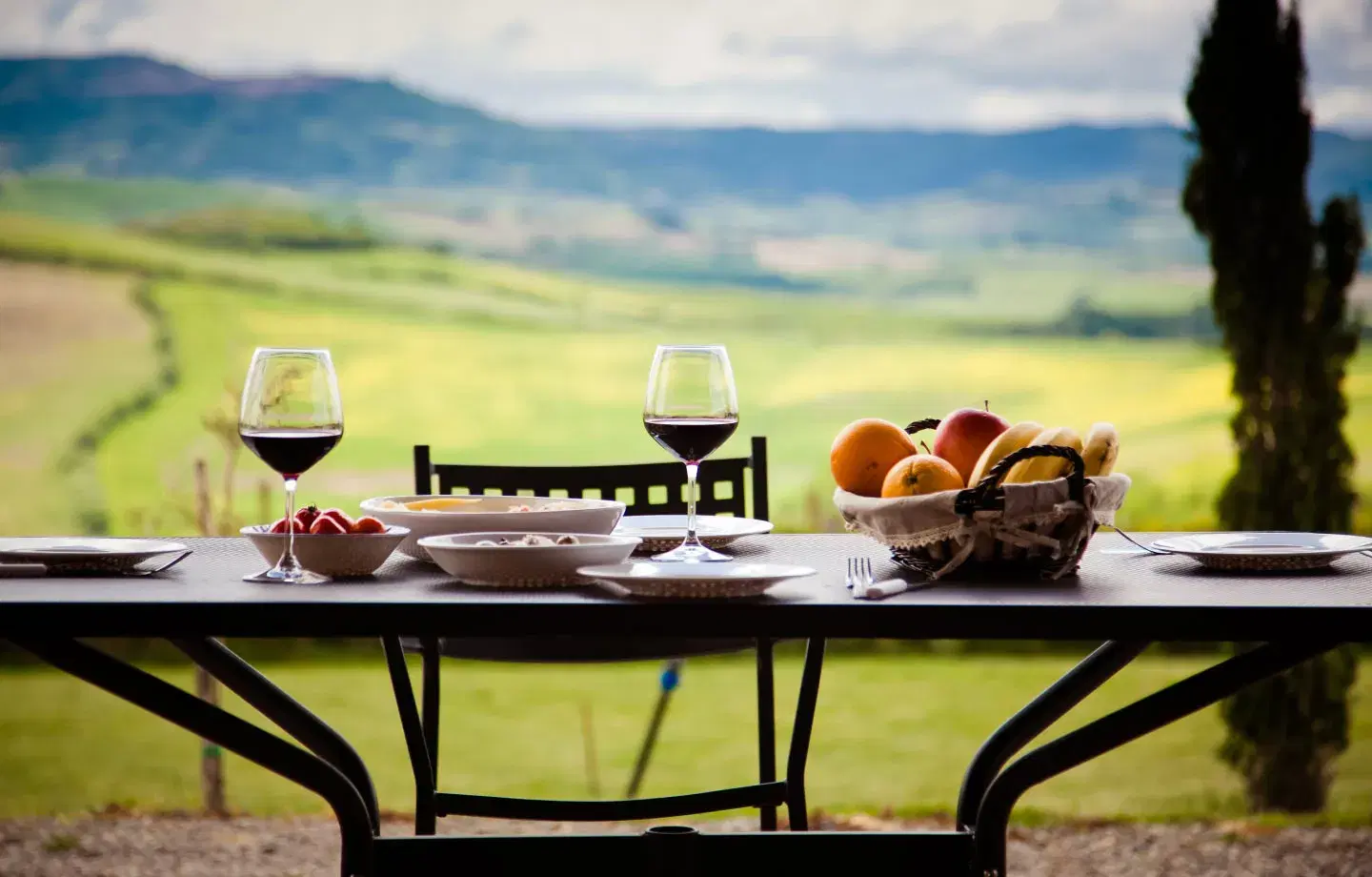
Tuscany Harvest Tour: Chianti Wine & Vineyard Experience
5 days 4 nights
2 Destinations
From $3,467
in double room
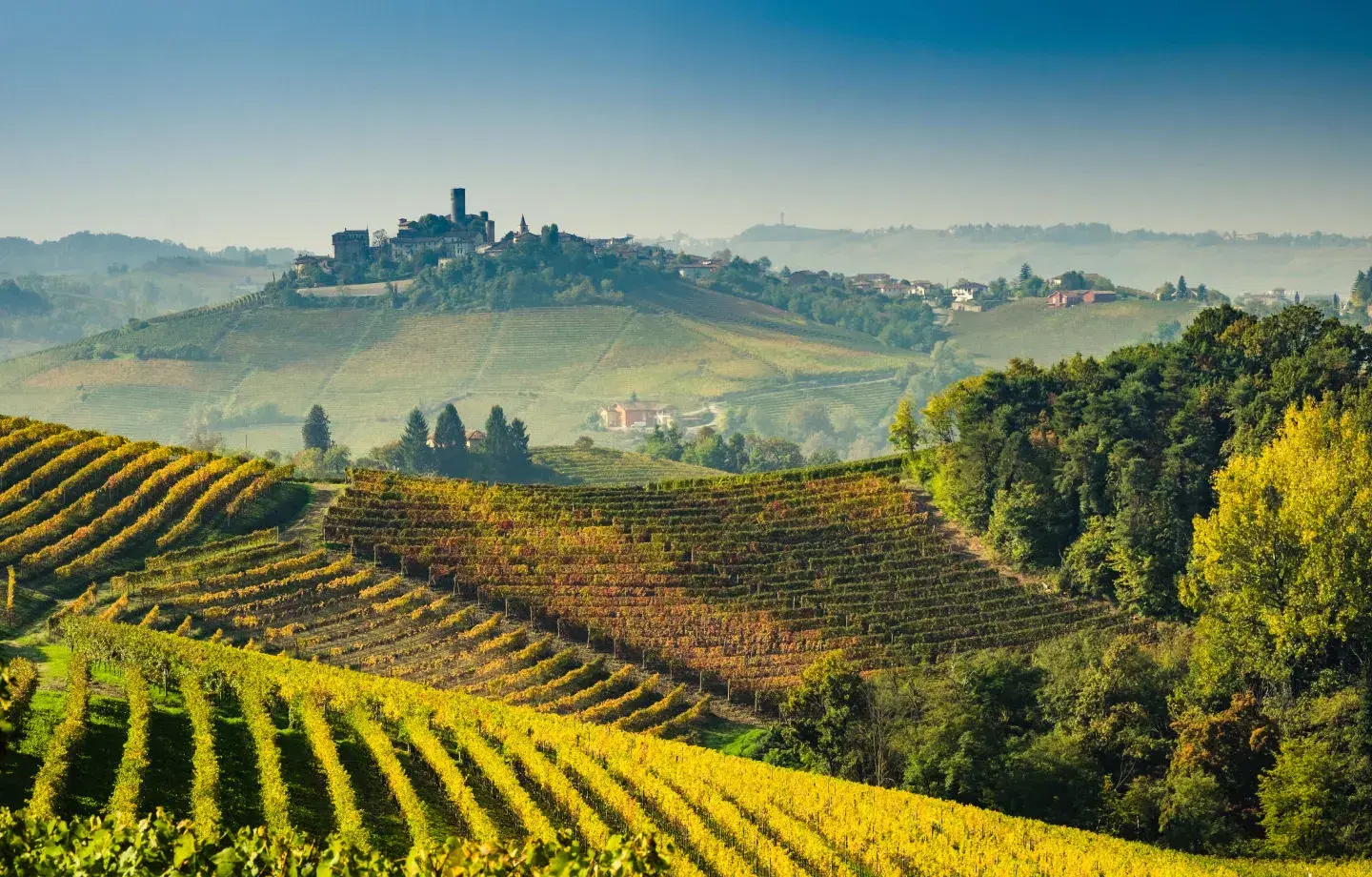
Italian Langhe Wine Tour: Barolo, Barbaresco & Luxury Experiences
4 days 3 nights
3 Destinations
From $6,817
in double room
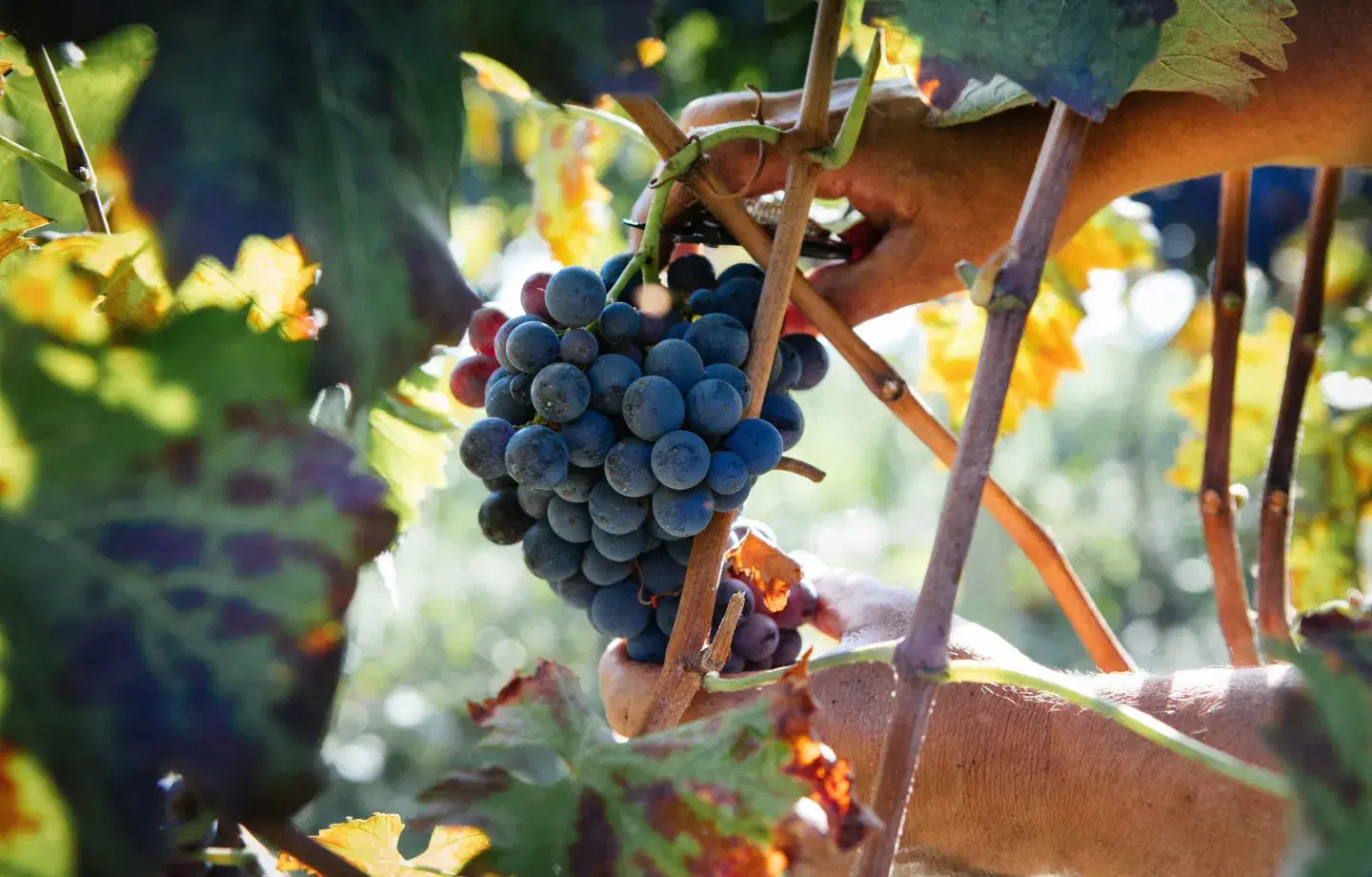
Sicilian Harvest Tour: Nero d'Avola, Etna Wines & Vineyard Experiences
5 days 4 nights
5 Destinations
From $3,190
in double room
Italian Harvest Tour: Barolo, Barbaresco & Nebbiolo Wine Experience
5 days 4 nights
1 Destinations
From $4,555
in double room